Now Reading: Rogue Marvel Rivals: Unlikely Foes Clash
-
01
Rogue Marvel Rivals: Unlikely Foes Clash
Rogue Marvel Rivals: Unlikely Foes Clash
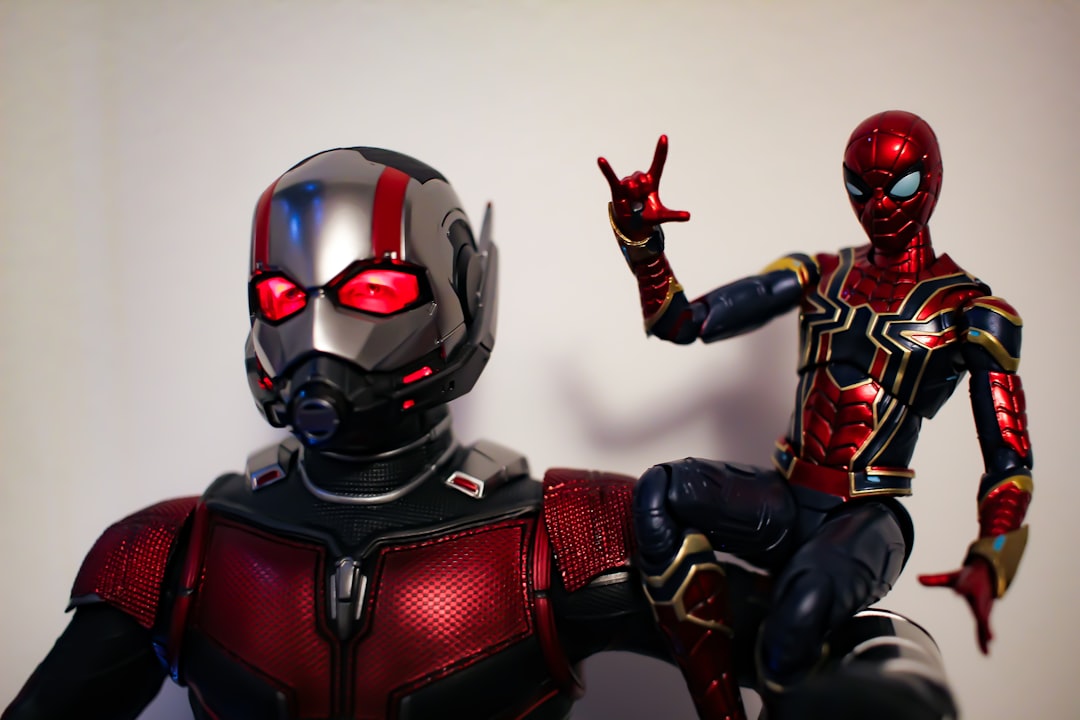
Marvel Comics features numerous rivalries that serve as fundamental elements of character development and narrative structure. These conflicts typically stem from opposing philosophies, personal grievances, or miscommunication between characters. Marvel’s complex rivalries demonstrate how relationships between heroes and villains can shift over time, moving from alliance to opposition based on changing circumstances and motivations.
These rivalries maintain reader interest through their dynamic and evolving nature. Former allies may become enemies when faced with conflicting goals or external pressures that force them to choose opposing sides. This analysis examines notable Marvel rivalries, focusing on unexpected character pairings, the historical development of their conflicts, and the narrative significance of these relationships.
Through studying these rivalries, readers can better understand character motivation, moral complexity, and the interconnected nature of the Marvel Universe’s storytelling framework.
Key Takeaways
- Rogue Marvel rivals often emerge from unlikely pairings, creating compelling conflicts.
- Their rivalries are deeply rooted in complex backstories that shape their motivations.
- The clash of powers between rivals highlights unique abilities and strategic battles.
- These rivalries significantly impact the Marvel Universe, influencing storylines and character growth.
- Over time, rivalries evolve, sometimes leading to unexpected alliances and valuable lessons.
Unlikely Pairings: Marvel Characters Who Become Foes
Marvel’s storytelling is rich with unexpected pairings that evolve into fierce rivalries. One notable example is the relationship between Iron Man and Captain America. Initially allies in the fight against evil, their ideological differences culminated in the infamous “Civil War” storyline.
Iron Man’s belief in government oversight clashed with Captain America’s commitment to personal freedom, leading to a schism that divided the superhero community. This rivalry not only showcased their contrasting philosophies but also highlighted the complexities of leadership and responsibility. Another intriguing pairing is that of Thor and Loki.
As brothers, their relationship is fraught with tension and betrayal. Loki’s penchant for mischief often puts him at odds with Thor, leading to epic confrontations that test their familial bond. Their rivalry is emblematic of the struggle between good and evil, as Loki’s desire for power frequently pits him against his noble brother.
This dynamic adds layers to their characters, illustrating how love and rivalry can coexist within familial relationships.
The Origins of the Rivalry: Exploring the Backstory
Understanding the origins of these rivalries is crucial to appreciating their depth. The conflict between Iron Man and Captain America can be traced back to their differing experiences during World War II and subsequent events in their lives. Iron Man’s transformation from a weapons manufacturer to a hero was fueled by guilt over his past actions, while Captain America’s unwavering moral compass was shaped by his experiences as a soldier fighting for freedom.
These foundational experiences laid the groundwork for their ideological clash, making their rivalry not just a personal feud but a philosophical battle. Similarly, Thor and Loki’s rivalry is steeped in Norse mythology and their upbringing in Asgard. Thor, the God of Thunder, embodies strength and honor, while Loki, the God of Mischief, often feels overshadowed by his brother’s prowess.
This sibling rivalry is exacerbated by Loki’s feelings of inadequacy and jealousy, leading him to seek power through deceit and manipulation. Their backstory enriches the narrative, providing context for their ongoing conflict and illustrating how familial bonds can be both a source of strength and strife.
The Clash of Powers: How the Rivals’ Abilities Match Up
The physical and metaphysical abilities of these rivals play a significant role in their confrontations. Iron Man’s advanced technology grants him an array of weapons and armor that enhance his combat capabilities. His intelligence allows him to strategize effectively against opponents, making him a formidable adversary.
In contrast, Captain America’s super-soldier serum endows him with enhanced strength, agility, and endurance, making him a master tactician in hand-to-hand combat. Their battles are not merely about brute force; they involve strategic maneuvering and psychological warfare. In the case of Thor and Loki, their powers are rooted in Asgardian mythology.
Thor wields Mjolnir, a mystical hammer that grants him control over thunder and lightning, while Loki possesses sorcery that allows him to manipulate reality and deceive his foes. Their confrontations often showcase a clash between raw power and cunning intellect.
The Impact on the Marvel Universe: Consequences of the Rivalry
| Metric | Value | Details |
|---|---|---|
| Character Name | Rogue | Marvel Comics superhero, member of X-Men |
| Game Title | Marvel Rivals | Fighting game featuring Marvel characters |
| Role | Fighter | Playable character with unique abilities |
| Primary Ability | Power Absorption | Absorbs powers and memories through touch |
| Health Points (HP) | 850 | Average health for mid-tier fighters |
| Attack Power | 75 | Moderate attack strength |
| Speed | 80 | Above average movement speed |
| Defense | 70 | Balanced defense capabilities |
| Special Move | Power Steal | Temporarily uses opponent’s abilities |
| Release Year | 2023 | Year Marvel Rivals was launched |
The rivalries between these characters have far-reaching consequences within the Marvel Universe. The fallout from Iron Man and Captain America’s conflict during “Civil War” led to significant changes in superhero dynamics, including the introduction of registration laws for heroes. This storyline not only affected individual characters but also reshaped alliances and enmities across the superhero community.
The ramifications of their rivalry continue to echo throughout subsequent storylines, illustrating how personal conflicts can have broader implications. Similarly, Thor and Loki’s rivalry has influenced numerous story arcs within the Marvel Universe. Their battles often draw in other characters, leading to larger conflicts that impact entire realms.
Loki’s schemes frequently result in catastrophic events that require intervention from various heroes, showcasing how one rivalry can set off a chain reaction affecting countless lives. This interconnectedness emphasizes the importance of character relationships in shaping the narrative landscape of Marvel Comics.
The Emotional Stakes: How the Rivalry Affects the Characters
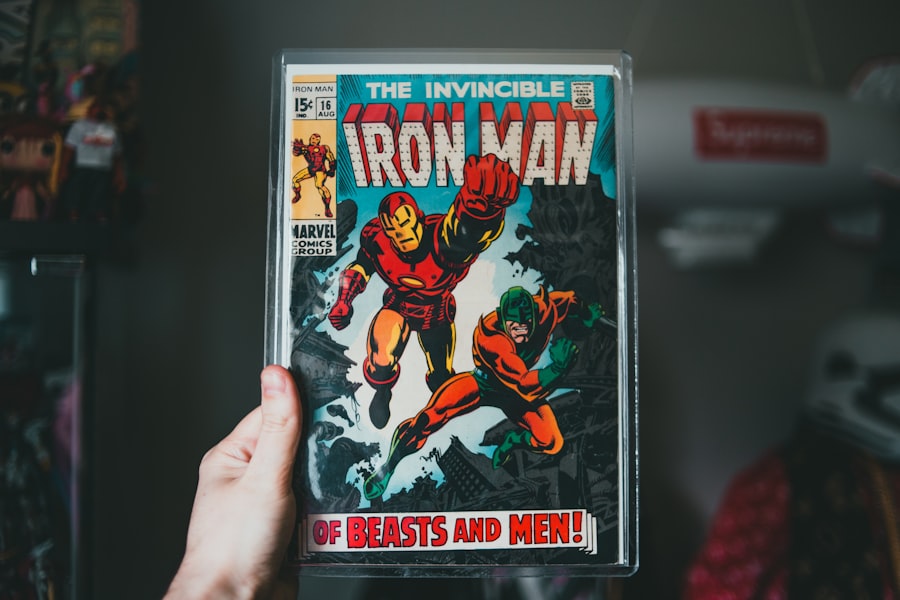
The emotional stakes involved in these rivalries add depth to the characters’ journeys. For Iron Man and Captain America, their conflict is not just ideological; it is deeply personal. The betrayal felt by both characters during “Civil War” leads to moments of introspection and regret.
Iron Man grapples with his guilt over his actions, while Captain America struggles with feelings of isolation as former allies turn against him. This emotional turmoil enriches their character development, allowing readers to connect with their struggles on a human level. In the case of Thor and Loki, their rivalry is steeped in familial love and betrayal.
Thor’s unwavering belief in his brother’s potential often clashes with Loki’s self-destructive tendencies. The emotional weight of their relationship adds layers to their confrontations; each battle is not just a physical struggle but an emotional one as well. Thor’s desire to redeem Loki contrasts sharply with Loki’s inclination toward chaos, creating a poignant narrative that explores themes of forgiveness and redemption.
Unexpected Alliances: When Rivals Must Join Forces
Despite their differences, there are moments when rivals must set aside their enmity to confront greater threats. The “Avengers” storyline exemplifies this phenomenon as Iron Man and Captain America unite against formidable foes like Thanos or Ultron. These alliances highlight the complexity of their relationship; while they may disagree on fundamental issues, they recognize the necessity of collaboration in times of crisis.
Such moments serve as reminders that even the fiercest rivals can find common ground when faced with existential threats. Similarly, Thor and Loki have occasionally joined forces against common enemies, such as when they confront powerful entities like Surtur or Hela. These alliances reveal the underlying bond between them; despite their conflicts, there exists a shared history that transcends rivalry.
Their temporary collaborations often lead to moments of vulnerability and understanding, showcasing how adversity can foster unexpected camaraderie.
The Fan Reaction: How Readers and Viewers Respond to the Rivalry
The rivalries between these characters have elicited passionate responses from fans across various media platforms. The “Civil War” storyline sparked intense debates among readers regarding themes of freedom versus security, reflecting real-world issues that resonate with audiences today. Fans often align themselves with one character or another based on personal beliefs, leading to discussions that extend beyond comic book pages into broader societal conversations.
Thor and Loki’s dynamic has similarly captivated audiences through various adaptations in film and television. Their complex relationship has been explored in multiple formats, allowing fans to engage with their rivalry on different levels. The emotional depth of their interactions has led to a dedicated fanbase that appreciates the nuances of their bond, further solidifying their status as iconic characters within the Marvel Universe.
The Evolution of the Rivalry: Changes Over Time
Over time, these rivalries have evolved significantly due to character development and changing narrative landscapes. Iron Man and Captain America’s relationship has undergone numerous transformations since its inception; moments of reconciliation have been punctuated by renewed conflicts as new threats emerge. This evolution reflects the characters’ growth as individuals while also addressing contemporary issues within society.
Thor and Loki’s rivalry has similarly transformed throughout various story arcs. Initially portrayed as adversaries driven by jealousy and ambition, their relationship has matured into one characterized by complexity and nuance. Recent narratives have explored themes of redemption and forgiveness, allowing readers to witness a more profound understanding between the two brothers as they navigate their tumultuous history.
Lessons Learned: What the Rivalry Teaches Us About Character Development
The rivalries between these characters impart valuable lessons about character development and human relationships. They illustrate how conflicts can serve as catalysts for growth; through adversity, characters are forced to confront their beliefs and motivations. Iron Man’s journey from self-serving industrialist to selfless hero exemplifies how rivalries can lead to profound transformations.
Moreover, these rivalries emphasize the importance of empathy and understanding in resolving conflicts. The moments when rivals join forces highlight the potential for collaboration despite differences; they remind us that shared goals can transcend personal grievances. Ultimately, these narratives encourage readers to reflect on their own relationships and consider how understanding can pave the way for reconciliation.
The Enduring Legacy of Rogue Marvel Rivals
The legacy of rogue Marvel rivals endures through their complex relationships and compelling narratives that resonate with audiences across generations. These rivalries serve as mirrors reflecting human emotions—love, betrayal, ambition—while also addressing broader societal themes such as freedom versus security or familial loyalty versus personal ambition. As characters evolve over time, so too do their conflicts, ensuring that these stories remain relevant in an ever-changing world.
In conclusion, rogue Marvel rivals encapsulate the essence of storytelling within comic books—where conflict drives character development and emotional stakes elevate narratives beyond mere entertainment. Through examining these rivalries, we gain insight into not only the characters themselves but also the human experience at large—a testament to the enduring power of storytelling in all its forms.
In the world of comic book adaptations, the rivalry between Marvel and its competitors has always been a hot topic. For those interested in exploring the dynamics of these rogue rivals, a related article can provide valuable insights. You can read more about the significance of November holidays, which often serve as a backdrop for various cultural narratives, including those in the comic book industry, in this article on honoring veterans: