Now Reading: Benfica vs. Napoli: A Clash of European Football Titans
-
01
Benfica vs. Napoli: A Clash of European Football Titans
Benfica vs. Napoli: A Clash of European Football Titans
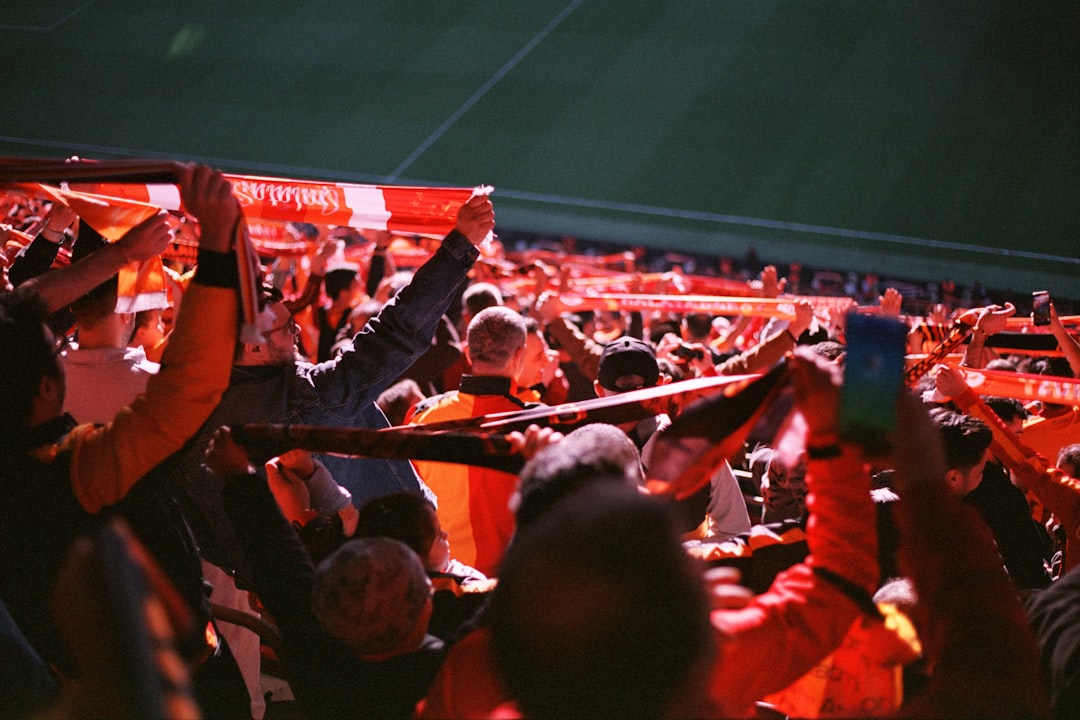
Sport Lisboa e Benfica, founded in 1904 and based in Lisbon, Portugal, ranks among the country’s “Big Three” clubs alongside FC Porto and Sporting CP.
Benfica operates one of Europe’s most successful youth academies, having developed players such as Eusébio, Rui Costa, and João Félix.
The club has reached eight European Cup/Champions League finals, winning the competition in 1961 and 1962. Società Sportiva Calcio Napoli, established in 1926 in Naples, Italy, has won three Serie A titles (1987, 1990, 2023) and six Coppa Italia trophies. The club’s most successful period occurred during Diego Maradona’s tenure from 1984 to 1991, when they claimed their first two league titles and the 1989 UEFA Cup.
Napoli plays at the Stadio Diego Armando Maradona, which has a capacity of 54,726. The club returned to prominence in recent years under various managers, culminating in their third Serie A title in the 2022-23 season. Both clubs maintain significant European competition records, with Benfica having appeared in 13 European finals and Napoli having won the UEFA Cup in 1989.
Their meetings in European competitions generate considerable interest due to their respective domestic success and continental pedigree.
Key Takeaways
- Benfica and Napoli have rich histories in European football, making their match highly anticipated.
- Key players from both teams will significantly influence the outcome of the game.
- Tactical and managerial styles differ, impacting how each team approaches the match.
- Benfica’s strong home support contrasts with Napoli’s proven ability to perform well away.
- The match holds crucial importance for both teams’ progress in European competitions.
Historical Background of Benfica and Napoli in European Football
Benfica’s history in European competitions is marked by both triumphs and near misses. The club’s most glorious period came in the early 1960s when they won back-to-back European Cups in 1961 and 1962. These victories solidified Benfica’s status as a powerhouse in European football.
However, since then, the club has faced challenges in replicating that success on the continental stage, often falling short in knockout rounds despite consistently qualifying for European tournaments. Napoli’s journey in European football has been equally compelling. The club’s most significant achievement came in 1989 when they won the UEFA Cup, a feat that remains etched in the hearts of their supporters.
The arrival of Diego Maradona transformed Napoli into a formidable force, leading them to their first Serie A title in 1987. In recent years, Napoli has consistently competed in the UEFA Champions League and Europa League, showcasing their ability to challenge some of Europe’s elite clubs.
As both teams prepare for their encounter, several key players are expected to make a significant impact on the match. For Benfica, Darwin Núñez stands out as a dynamic forward with exceptional pace and finishing ability. His knack for finding the back of the net makes him a constant threat to opposing defenses.
Additionally, João Mário’s creativity and vision in midfield will be crucial for orchestrating Benfica’s attacking plays. On the Napoli side, Victor Osimhen is a player to watch closely. The Nigerian striker has emerged as one of Serie A’s most prolific goal-scorers, combining speed with technical prowess.
His ability to exploit defensive weaknesses could prove pivotal for Napoli’s chances. Furthermore, midfielder Piotr Zieliński’s playmaking skills will be essential for linking up with Osimhen and creating goal-scoring opportunities.
Previous Encounters Between Benfica and Napoli

Historically, encounters between Benfica and Napoli have been relatively infrequent but always competitive. Their most notable clashes occurred during European competitions, where both teams showcased their attacking flair and tactical acumen. In their last meeting in the UEFA Europa League group stage, Benfica managed to secure a narrow victory at home, while Napoli responded with a strong performance in the return leg.
These matches have often been characterized by high-intensity play and moments of individual brilliance. The rivalry between the two clubs adds an extra layer of excitement to their encounters, as both sets of fans passionately support their teams. As they prepare to face each other again, the anticipation surrounding their next clash is palpable.
Tactical Analysis of Benfica and Napoli’s Playing Style
Benfica’s tactical approach is often defined by their fluid attacking style and high pressing game. Under their current manager, they have adopted a possession-based philosophy that emphasizes quick ball movement and exploiting spaces left by opponents. The team’s ability to transition rapidly from defense to attack allows them to create goal-scoring opportunities while maintaining defensive solidity.
Conversely, Napoli is known for its dynamic counter-attacking style, which capitalizes on the speed of its forwards. The team often employs a 4-3-3 formation that allows for fluid movement across the pitch. Their midfielders play a crucial role in transitioning from defense to attack quickly, while full-backs provide width and support in offensive plays.
This tactical flexibility enables Napoli to adapt to different opponents effectively.
Managerial Styles of Benfica and Napoli
| Metric | Benfica | Napoli |
|---|---|---|
| Matches Played | 5 | 5 |
| Wins | 2 | 3 |
| Draws | 1 | 1 |
| Losses | 2 | 1 |
| Goals Scored | 7 | 9 |
| Goals Conceded | 8 | 6 |
| Top Scorer | Darwin Núñez (3 goals) | Victor Osimhen (4 goals) |
| Last Meeting | Napoli 2 – 3 Benfica (UEFA Champions League, 2022) | |
The managerial philosophies of both clubs significantly influence their playing styles and overall performance.
His focus on developing young talent from the academy aligns with the club’s long-standing tradition of nurturing homegrown players.
In contrast, Napoli’s manager adopts a more pragmatic approach, emphasizing tactical organization and adaptability. His experience in managing high-pressure situations allows him to make strategic adjustments during matches effectively. This ability to read games and make timely substitutions has proven beneficial for Napoli in crucial encounters.
Home Advantage: Benfica’s Stadium and Fan Support

Estádio da Luz, Benfica’s home ground, is one of the most iconic stadiums in Europe, boasting a capacity of over 64,000 spectators. The atmosphere during home matches is electric, with passionate fans creating an intimidating environment for visiting teams. The club’s supporters are known for their unwavering loyalty and vocal support, which can significantly influence the outcome of matches.
The home advantage at Estádio da Luz extends beyond just fan support; it also provides Benfica with familiarity on the pitch. The team’s training routines and match preparations are tailored to maximize their performance at home, making it a fortress where they often excel against opponents.
Napoli’s Away Form and Ability to Perform on the Road
Napoli has demonstrated resilience when playing away from home, often securing crucial points against tough opponents. Their ability to perform on the road stems from a well-drilled tactical approach that emphasizes discipline and counter-attacking prowess. The team’s experience in navigating challenging away fixtures has equipped them with the confidence needed to compete at high levels.
Moreover, Napoli’s supporters travel well, creating an atmosphere that can rival that of home matches. This passionate backing provides players with an extra motivation to perform well away from home, making them a formidable opponent regardless of location.
Importance of the Match for Both Teams in European Competitions
The upcoming clash between Benfica and Napoli holds significant implications for both teams within European competitions. For Benfica, securing points against a strong opponent like Napoli is crucial for maintaining momentum in their group stage campaign. A victory would bolster their chances of advancing further into the tournament while reinforcing their status as contenders.
Similarly, Napoli views this match as an opportunity to assert themselves on the European stage. A strong performance against Benfica would not only enhance their standing within the group but also serve as a statement of intent regarding their ambitions for this season’s competition.
As anticipation builds for this highly-anticipated encounter, predictions are varied among analysts and fans alike. Many expect a closely contested match characterized by tactical battles and moments of individual brilliance from key players on both sides. Given Benfica’s home advantage and Napoli’s resilience on the road, it is likely that both teams will create numerous scoring opportunities.
Ultimately, the outcome may hinge on which team can capitalize on their chances more effectively while maintaining defensive discipline throughout the match. Fans eagerly await what promises to be an exhilarating clash between two historic clubs.
The Significance of the Clash Between Benfica and Napoli
The upcoming match between Benfica and Napoli represents more than just another fixture; it embodies the rich history and competitive spirit that defines European football. Both clubs have storied legacies filled with triumphs and challenges that have shaped their identities over decades. As they prepare to face each other once again on this grand stage, fans can expect an enthralling display of skill, strategy, and passion from both sides.
The significance of this clash extends beyond mere points; it serves as a testament to the enduring allure of football as a unifying force that transcends borders and cultures. In summary, this encounter promises excitement not only for supporters but also for those who appreciate the beautiful game at its finest—where history meets modern-day competition on one of football’s grandest stages.
In the recent match between Benfica and Napoli, the intensity of European football was on full display, showcasing the skills and strategies of both teams. For those interested in exploring more about the cultural significance of football in Europe, you might find this article on the Comprehensive Guide to Federal Holidays in the United States intriguing, as it highlights how sports often intersect with national celebrations and community spirit.
FAQs
What is the Benfica vs. Napoli match about?
The Benfica vs. Napoli match is a football (soccer) game between two prominent European clubs: S.L. Benfica from Portugal and S.S.C. Napoli from Italy. It often takes place in UEFA competitions such as the Champions League or Europa League.
Where do Benfica and Napoli play their home games?
Benfica plays its home games at the Estádio da Luz in Lisbon, Portugal. Napoli’s home stadium is the Stadio Diego Armando Maradona in Naples, Italy.
What competitions do Benfica and Napoli usually compete in?
Both teams regularly compete in their domestic leagues—Benfica in the Primeira Liga (Portugal) and Napoli in Serie A (Italy). They also participate in European competitions like the UEFA Champions League and UEFA Europa League.
Have Benfica and Napoli faced each other before?
Yes, Benfica and Napoli have met in various European competitions over the years. Their encounters are often highly competitive and closely followed by fans.
What are the key players to watch in a Benfica vs. Napoli match?
Key players vary depending on the season, but both teams typically feature top talent from their respective leagues. Fans often watch for standout forwards, midfield creators, and defensive leaders on both sides.
How can I watch the Benfica vs. Napoli match?
Broadcast rights vary by country and competition. Matches are usually available on sports networks that cover UEFA competitions or through official streaming platforms associated with the tournament.
Why is the Benfica vs. Napoli fixture significant?
The fixture is significant because it pits two historically successful clubs from different European leagues against each other, often impacting progression in prestigious UEFA tournaments. It also showcases contrasting playing styles and football cultures.