Now Reading: Unveiling the Impact of Robinhood on Stock Trading
-
01
Unveiling the Impact of Robinhood on Stock Trading
Unveiling the Impact of Robinhood on Stock Trading

Robinhood, a financial technology company founded in 2013 by Vladimir Tenev and Baiju Bhatt, has revolutionized the stock trading landscape by democratizing access to financial markets. The platform’s mission is to “democratize finance for all,” which it has achieved by eliminating commission fees and providing a user-friendly mobile application. This innovative approach has attracted millions of users, particularly among younger demographics, who are eager to engage in stock trading without the barriers traditionally associated with brokerage firms.
By leveraging technology, Robinhood has transformed the way individuals invest, making it possible for anyone with a smartphone to buy and sell stocks with just a few taps. The company’s rapid ascent can be attributed to its unique value proposition: commission-free trading. Prior to Robinhood’s emergence, investors were often deterred by high brokerage fees that could significantly eat into profits, especially for small-scale traders.
By offering zero-commission trades, Robinhood has not only disrupted the traditional brokerage model but has also encouraged a new generation of investors to participate in the stock market. As of 2021, Robinhood boasted over 18 million users, a testament to its widespread appeal and the effectiveness of its business model.
Key Takeaways
- Robinhood revolutionized stock trading by making it more accessible and inclusive, especially for younger investors like Millennials and Gen Z.
- The platform’s gamification and social media integration played a key role in attracting and engaging a new generation of traders.
- Robinhood’s business model and the rise of “meme stocks” sparked significant controversy and regulatory scrutiny.
- Traditional brokerages have been forced to adapt due to Robinhood’s disruptive impact on the investment industry.
- The long-term effects of Robinhood include increased market volatility and ongoing debates about the future of stock trading.
Accessibility and Inclusivity: How Robinhood Changed the Stock Market Landscape
Robinhood’s impact on accessibility and inclusivity in stock trading cannot be overstated.
By providing educational resources and an intuitive interface, Robinhood empowers users to make informed investment decisions.
This democratization of finance has led to an increase in retail investors, who now have the tools and knowledge to navigate the complexities of stock trading. Moreover, Robinhood’s commitment to inclusivity is evident in its efforts to reach underrepresented communities. The platform has actively sought to engage women and people of color, demographics that have historically been underrepresented in investing.
By fostering a more inclusive environment, Robinhood is not only expanding its user base but also contributing to a more equitable financial landscape. The company’s initiatives, such as partnerships with organizations focused on financial literacy, further underscore its dedication to promoting accessibility in investing.
The Influence of Robinhood on Millennial and Gen Z Investors
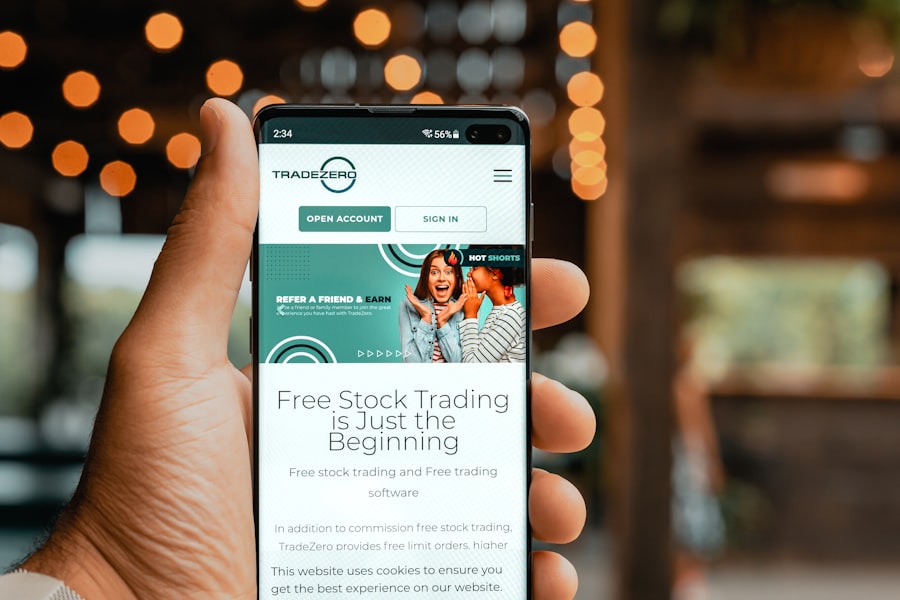
Millennials and Gen Z investors have been particularly drawn to Robinhood’s platform, which aligns with their values of convenience, transparency, and social responsibility. These younger generations are more likely to prioritize ethical investing and are increasingly interested in companies that align with their personal beliefs. Robinhood’s emphasis on commission-free trading and user-friendly technology resonates with their desire for accessible financial tools that empower them to take control of their financial futures.
The influence of Robinhood on these demographics extends beyond mere participation in stock trading; it has fostered a culture of investment that emphasizes community engagement and shared knowledge. Social media platforms like Reddit and Twitter have become hubs for discussions about investment strategies, with many users sharing their experiences and insights about trading on Robinhood. This sense of community not only enhances the overall investing experience but also encourages collaboration among young investors as they navigate the complexities of the stock market together.
The Controversy Surrounding Robinhood’s Business Model
Despite its success, Robinhood’s business model has not been without controversy. Critics argue that the company’s reliance on payment for order flow (PFOF) raises ethical concerns regarding transparency and potential conflicts of interest. PFOF is a practice where brokerage firms receive compensation from market makers for directing orders to them, which can create a situation where the interests of the brokerage may not align with those of its users.
This practice has led to questions about whether retail investors are receiving the best possible execution prices for their trades. Additionally, Robinhood faced significant backlash during the GameStop trading frenzy in early 2021 when it restricted trading on certain stocks amid unprecedented volatility. This decision sparked outrage among users who felt that the platform was prioritizing its own financial stability over the interests of its customers.
The incident raised important questions about the responsibilities of brokerage firms in protecting their users while navigating market fluctuations.
Robinhood’s Impact on Traditional Brokerages and Investment Firms
| Metric | Value | Notes |
|---|---|---|
| Founded | 2013 | Year Robinhood was established |
| Headquarters | Menlo Park, California, USA | Main office location |
| Number of Users | 22 million+ | As of early 2024 |
| Assets Under Management (AUM) | Approximately 80 billion | Estimated value of assets managed |
| Revenue (2023) | 2.5 billion | Annual revenue reported |
| Number of Employees | 2,000+ | Approximate count as of 2024 |
| IPO Date | July 29, 2021 | Date Robinhood went public |
| Trading Commission | Zero | Commission-free trades on stocks and ETFs |
| Supported Markets | US Stocks, ETFs, Options, Cryptocurrencies | Types of assets available for trading |
The emergence of Robinhood has compelled traditional brokerages and investment firms to reevaluate their business models and adapt to a rapidly changing landscape. Many established firms have responded by eliminating commission fees for trades, recognizing that they must compete with Robinhood’s disruptive approach to attract younger investors. This shift has led to a more competitive environment within the financial services industry, ultimately benefiting consumers by providing them with more options and lower costs.
Furthermore, traditional brokerages are increasingly investing in technology and digital platforms to enhance their offerings. Many firms are now focusing on improving user experience through mobile applications and educational resources that cater to novice investors. As a result, the lines between traditional brokerages and fintech companies are becoming increasingly blurred, leading to a more integrated financial ecosystem that prioritizes accessibility and user engagement.
The Role of Social Media and Gamification in Robinhood’s Success
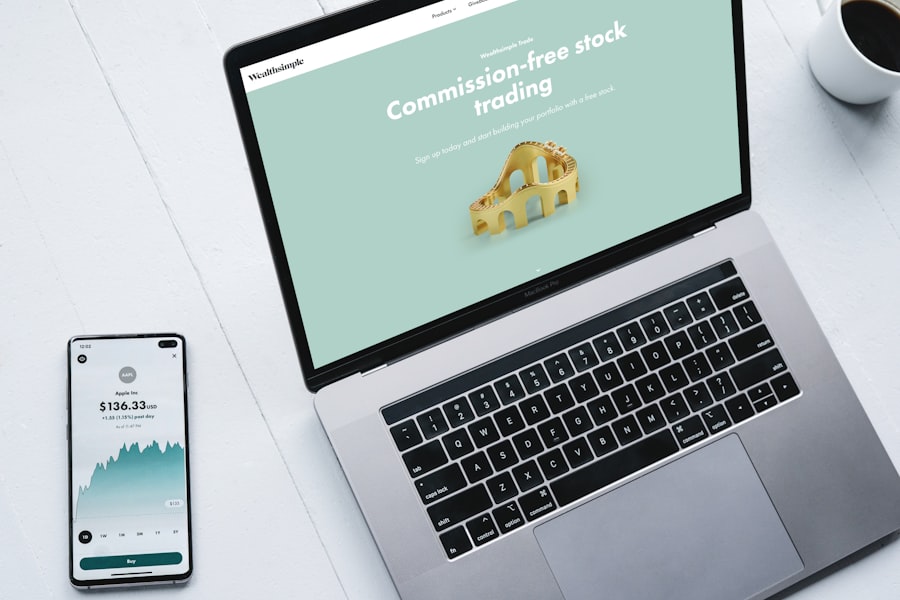
Social media has played a pivotal role in Robinhood’s rise to prominence, as platforms like Reddit, Twitter, and TikTok have become essential channels for information sharing among investors. The phenomenon of “finfluencers”—individuals who share investment advice and strategies online—has contributed to the platform’s popularity among younger users who seek relatable content and peer validation. This social aspect of investing has transformed stock trading into a communal experience, where users can celebrate successes together while learning from one another’s mistakes.
Gamification is another key element that has fueled Robinhood’s success. The platform incorporates game-like features such as rewards for completing educational tasks and visual representations of portfolio performance, making investing feel more engaging and less intimidating for novice traders. This approach not only attracts users but also encourages them to remain active on the platform, fostering a sense of loyalty among its user base.
By blending finance with elements of gaming, Robinhood has successfully captured the attention of younger generations who are accustomed to interactive digital experiences.
The Phenomenon of “Meme Stocks” and Robinhood Traders
The rise of “meme stocks”—stocks that gain popularity through social media hype—has become synonymous with Robinhood traders. The GameStop saga is perhaps the most notable example, where retail investors banded together on platforms like Reddit’s WallStreetBets to drive up the price of the stock against institutional short-sellers. This phenomenon highlighted the power of collective action among retail investors and showcased how social media can influence market dynamics.
Robinhood traders have played a significant role in this movement, often using the platform to capitalize on trending stocks driven by online discussions. The excitement surrounding meme stocks has led to increased volatility in the market, as prices can skyrocket or plummet based on social media sentiment rather than fundamental analysis. While this trend has created opportunities for profit, it also raises concerns about the potential risks associated with speculative trading and the long-term sustainability of such investments.
The Regulatory Challenges and Scrutiny Faced by Robinhood
As Robinhood continues to grow in popularity, it faces increasing regulatory scrutiny from government agencies concerned about investor protection and market integrity. The Securities and Exchange Commission (SEC) has expressed interest in examining practices such as payment for order flow and how they impact trade execution quality for retail investors. Additionally, lawmakers have called for greater transparency regarding how brokerage firms handle customer orders and manage conflicts of interest.
In response to these challenges, Robinhood has taken steps to enhance its compliance measures and improve communication with regulators. The company has also made efforts to educate its users about responsible investing practices and the risks associated with trading volatile stocks. However, as regulatory pressures mount, it remains to be seen how these developments will shape Robinhood’s business model and its ability to maintain its competitive edge in the evolving financial landscape.
The Market Volatility and Speculative Trading Linked to Robinhood
Robinhood’s influence on market volatility cannot be overlooked, particularly as it relates to speculative trading behavior among retail investors. The platform’s ease of use has encouraged many individuals to engage in high-risk trading strategies without fully understanding the potential consequences. This trend has contributed to increased price fluctuations in certain stocks, as retail investors react quickly to news or social media trends.
While some traders have experienced significant gains during periods of heightened volatility, others have faced substantial losses due to impulsive decision-making driven by fear or greed. This phenomenon raises important questions about investor education and the need for platforms like Robinhood to provide resources that promote responsible trading practices. As market volatility continues to be a defining characteristic of today’s financial landscape, it is crucial for both investors and platforms to prioritize informed decision-making.
The Long-Term Implications of Robinhood’s Influence on Stock Trading
The long-term implications of Robinhood’s influence on stock trading are multifaceted and will likely shape the future of investing for years to come. As more individuals embrace self-directed investing through platforms like Robinhood, traditional notions of wealth management may evolve significantly. Financial advisors may need to adapt their services to cater to a more informed and engaged clientele that seeks personalized guidance rather than traditional brokerage services.
Moreover, as retail investors become increasingly active participants in financial markets, their collective voice may lead to changes in corporate governance practices and shareholder engagement strategies. Companies may find themselves more accountable to their shareholders as retail investors demand transparency and ethical practices from the organizations they support.
The Future of Stock Trading: What Lies Ahead for Robinhood and the Industry
Looking ahead, the future of stock trading will likely be characterized by continued innovation driven by technology and changing investor preferences. As competition intensifies among brokerage firms, we can expect further advancements in user experience, educational resources, and investment tools designed to empower retail investors. For Robinhood specifically, navigating regulatory challenges will be crucial as it seeks to maintain its position as a leader in fintech innovation.
The company may need to explore new revenue streams beyond payment for order flow while ensuring compliance with evolving regulations aimed at protecting investors. In conclusion, Robinhood has undeniably transformed the stock trading landscape by making investing accessible and engaging for millions of individuals worldwide. Its impact on traditional brokerages, market dynamics, and investor behavior will continue to shape the future of finance as we move forward into an increasingly digital age.
As both opportunities and challenges arise within this evolving landscape, it is essential for all stakeholders—investors, regulators, and companies alike—to prioritize responsible practices that promote long-term financial well-being.
Robinhood, the popular trading platform, has been making waves in the financial world, particularly with its user-friendly interface and commission-free trading. For those interested in the broader implications of stock trading and investment strategies, a related article that delves into the future of stock prices is available at Amazon Stock Price Analysis for 2025. This article provides insights that could be beneficial for Robinhood users looking to make informed investment decisions.
FAQs
What is Robinhood?
Robinhood is a financial services company that offers a commission-free trading platform for stocks, options, cryptocurrencies, and exchange-traded funds (ETFs). It is designed to make investing accessible to everyone, especially beginners.
How does Robinhood make money if trading is commission-free?
Robinhood generates revenue through several methods, including payment for order flow (selling trade orders to market makers), interest on uninvested cash, margin lending, and premium subscription services like Robinhood Gold.
Is Robinhood safe to use?
Robinhood is regulated by the U.S. Securities and Exchange Commission (SEC) and the Financial Industry Regulatory Authority (FINRA). It also provides SIPC insurance, which protects securities customers up to $500,000 in case the firm fails. However, investing always carries risks, and users should be cautious.
What types of investments can I trade on Robinhood?
Users can trade U.S. stocks, options, ETFs, and cryptocurrencies such as Bitcoin, Ethereum, and others. Robinhood does not currently support mutual funds or bonds.
Does Robinhood offer educational resources?
Yes, Robinhood provides educational content, including articles, tutorials, and market news, to help users learn about investing and financial markets.
Can I use Robinhood on my mobile device?
Yes, Robinhood offers a mobile app available for both iOS and Android devices, allowing users to trade and manage their accounts on the go.
Are there any fees associated with Robinhood?
Robinhood does not charge commissions for trades, but there may be fees for certain services, such as transferring funds out of the platform or using margin trading. Users should review Robinhood’s fee schedule for details.
What is Robinhood Gold?
Robinhood Gold is a premium subscription service that offers features like margin trading, larger instant deposits, and access to professional research reports for a monthly fee.
Can I transfer my existing brokerage account to Robinhood?
Yes, Robinhood allows users to transfer assets from other brokerage accounts through the Automated Customer Account Transfer Service (ACATS), though the process may take several days and could involve fees.
Is Robinhood available outside the United States?
As of now, Robinhood primarily serves customers in the United States and does not offer its services internationally.