Now Reading: Understanding Silver Spot Price Fluctuations
-
01
Understanding Silver Spot Price Fluctuations
Understanding Silver Spot Price Fluctuations
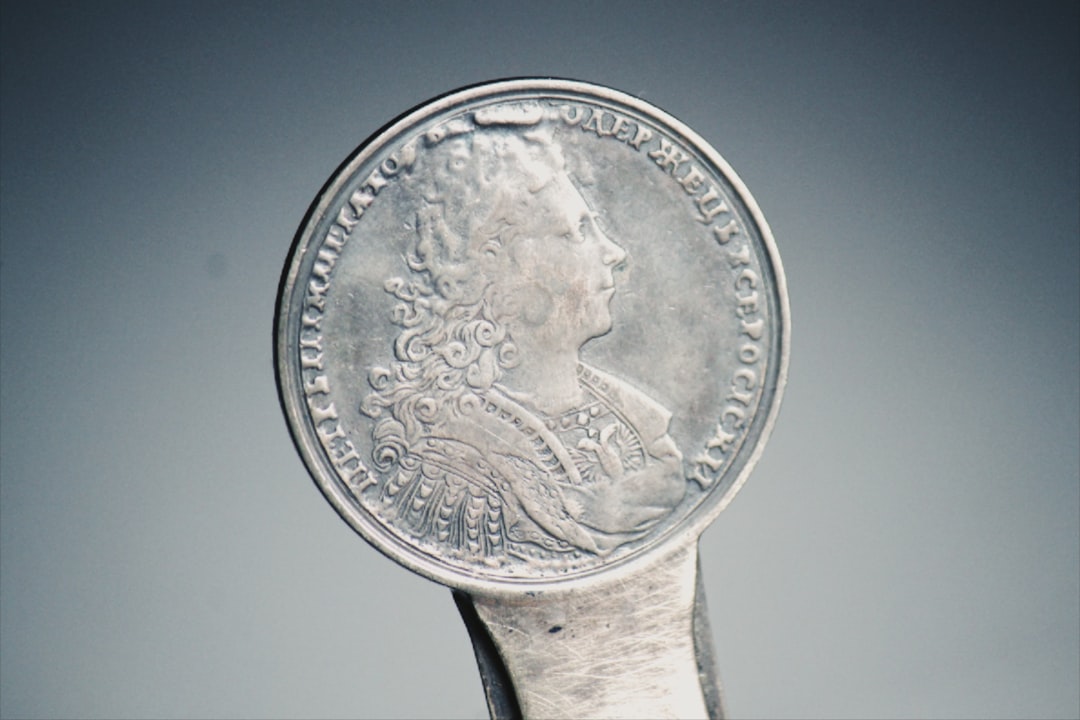
The silver spot price represents the current market price at which silver can be bought or sold for immediate delivery. This price is determined by various factors, including market demand, supply levels, and broader economic conditions. Silver, a precious metal, has been utilized for centuries not only as a form of currency but also in various industrial applications and as an investment vehicle.
The spot price is crucial for investors, traders, and industries that rely on silver, as it serves as a benchmark for transactions in the physical and futures markets. Understanding the intricacies of the silver spot price is essential for anyone involved in the silver market. The price can fluctuate significantly within short periods, influenced by a myriad of factors ranging from economic indicators to geopolitical events.
Investors often look to the spot price as a guide for making informed decisions regarding buying or selling silver. As such, a comprehensive understanding of the elements that drive these fluctuations is vital for effective market participation.
Key Takeaways
- Silver spot price is influenced by a combination of supply-demand dynamics and economic indicators.
- Geopolitical events and currency exchange rates can cause significant fluctuations in silver prices.
- Industrial and investment demand play crucial roles in determining silver’s market value.
- Speculation and investor behavior often amplify price volatility in the silver market.
- Understanding historical trends and employing strategic management can help mitigate risks for silver market participants.
Factors Influencing Silver Spot Price Fluctuations
Several key factors contribute to the volatility of silver spot prices. One of the primary influences is the balance between supply and demand. When demand for silver increases—whether for industrial use, jewelry, or investment purposes—the spot price tends to rise.
Conversely, an oversupply can lead to price declines. Additionally, changes in mining production levels and recycling rates can significantly impact the available supply of silver in the market. Another critical factor is macroeconomic conditions.
Economic indicators such as inflation rates, interest rates, and overall economic growth can sway investor sentiment and influence silver prices. For instance, during periods of high inflation, investors often flock to precious metals like silver as a hedge against currency devaluation. Similarly, changes in interest rates can affect the opportunity cost of holding non-yielding assets like silver, thereby impacting its attractiveness as an investment.
Supply and Demand Dynamics

The dynamics of supply and demand are fundamental to understanding silver’s market behavior. On the supply side, silver is extracted from both primary silver mines and as a byproduct of mining other metals such as gold and copper. The total global production of silver fluctuates annually based on mining output and technological advancements in extraction methods.
For instance, in 2022, global silver production was estimated at approximately 25,000 metric tons, with Mexico being the largest producer. On the demand side, silver’s versatility plays a significant role in its consumption. Industrial applications account for a substantial portion of silver demand, particularly in sectors such as electronics, solar energy, and medical devices.
In 2022, industrial demand for silver reached around 55% of total consumption. Additionally, investment demand has surged in recent years as more investors seek to diversify their portfolios with precious metals. The growing popularity of exchange-traded funds (ETFs) that track silver prices has also contributed to increased investment demand.
Economic Indicators and Market Sentiment
Economic indicators serve as critical barometers for assessing market sentiment regarding silver prices. Key indicators include Gross Domestic Product (GDP) growth rates, unemployment figures, and consumer confidence indices. A robust economy typically leads to increased industrial activity, thereby boosting demand for silver.
Conversely, economic downturns can dampen demand and lead to price declines. Market sentiment is often influenced by investor perceptions of economic stability and future growth prospects. For example, during times of uncertainty or recession fears, investors may gravitate towards safe-haven assets like silver, driving up its price.
Geopolitical Events and Their Impact
| Date | Silver Spot Price (per ounce) | Change (%) | Volume (in thousands) |
|---|---|---|---|
| 2024-06-20 | 25.30 | +0.45 | 1500 |
| 2024-06-19 | 25.18 | -0.20 | 1400 |
| 2024-06-18 | 25.23 | +0.10 | 1300 |
| 2024-06-17 | 25.20 | 0.00 | 1250 |
| 2024-06-16 | 25.20 | -0.15 | 1350 |
Geopolitical events can have profound effects on the silver market. Political instability, trade disputes, and military conflicts can create uncertainty in global markets, prompting investors to seek refuge in precious metals. For instance, during times of heightened geopolitical tensions—such as conflicts in the Middle East or trade wars—silver prices often experience upward pressure as investors flock to safe-haven assets.
Additionally, government policies and regulations can influence silver prices. Changes in tariffs on imported metals or mining regulations can affect supply chains and production costs. For example, if a major silver-producing country imposes export restrictions or increases mining taxes, it could lead to reduced supply in the global market and subsequently drive up prices.
Industrial and Investment Demand

Industrial demand for silver is a significant driver of its spot price fluctuations. Silver’s unique properties—such as high electrical conductivity and resistance to corrosion—make it indispensable in various industries. The electronics sector is one of the largest consumers of silver, utilizing it in components like circuit boards and connectors.
Furthermore, the renewable energy sector has seen increased demand for silver due to its use in photovoltaic cells for solar panels. Investment demand also plays a crucial role in shaping silver prices. Investors often turn to silver during periods of economic uncertainty or inflationary pressures as a hedge against currency devaluation.
The rise of digital platforms and ETFs has made it easier for retail investors to gain exposure to silver without needing to hold physical bullion. In 2022 alone, investment demand accounted for approximately 25% of total silver consumption.
Influence of Currency Exchange Rates
Currency exchange rates significantly impact the pricing dynamics of silver on the global market. Silver is typically priced in U.S. dollars; therefore, fluctuations in the dollar’s value can directly affect its spot price.
Conversely, a strong dollar can lead to decreased demand from international buyers, resulting in downward pressure on prices. Additionally, central bank policies regarding interest rates and monetary supply can influence currency values and subsequently impact silver prices.
For instance, if the Federal Reserve signals an intention to raise interest rates, it may strengthen the dollar and negatively affect silver prices.
Role of Speculation and Investor Behavior
Speculation plays a significant role in shaping the volatility of silver prices. Traders often engage in speculative activities based on anticipated price movements driven by various factors such as economic data releases or geopolitical developments. This speculative behavior can lead to rapid price fluctuations as traders react to news or trends.
Investor behavior also influences market dynamics significantly. Psychological factors such as fear and greed can drive buying or selling decisions among market participants. For example, during periods of rising prices, fear of missing out (FOMO) may prompt more investors to enter the market, further driving up prices.
Conversely, panic selling during downturns can exacerbate price declines.
Historical Trends and Patterns
Analyzing historical trends provides valuable insights into potential future movements in silver prices. Over the past few decades, silver has experienced significant price fluctuations influenced by various economic cycles and geopolitical events. For instance, during the 2008 financial crisis, silver prices surged as investors sought safe-haven assets amid widespread market turmoil.
Long-term trends also reveal patterns related to inflationary periods and economic recoveries. Historically, periods of high inflation have correlated with rising silver prices as investors look for protection against currency devaluation. Understanding these historical patterns can help market participants make informed decisions regarding their investments in silver.
Implications for Silver Market Participants
The implications of fluctuating silver prices are far-reaching for various market participants including investors, miners, and industrial users. For investors, understanding the factors that influence price movements is crucial for making informed decisions about when to buy or sell silver assets. Additionally, hedging strategies may be employed to mitigate risks associated with price volatility.
For miners and producers, fluctuations in spot prices directly impact profitability margins and operational decisions. When prices are high, mining operations may ramp up production; conversely, low prices may lead to cutbacks or even mine closures. Industrial users must also navigate these fluctuations carefully as they impact production costs and pricing strategies.
Strategies for Managing Silver Price Volatility
To effectively manage volatility in the silver market, participants can employ several strategies tailored to their specific needs and risk tolerance levels. One common approach is diversification—investors may choose to spread their investments across various asset classes to mitigate risks associated with price fluctuations in any single asset. Hedging strategies are also prevalent among industrial users who rely on silver for production purposes.
By utilizing futures contracts or options trading strategies, these participants can lock in prices for future purchases or sales of silver, thereby reducing exposure to adverse price movements. Additionally, staying informed about macroeconomic trends and geopolitical developments can help market participants anticipate potential price movements and adjust their strategies accordingly. In summary, understanding the complexities surrounding the silver spot price is essential for all market participants—from investors seeking safe-haven assets to industrial users relying on this precious metal for production purposes.
By analyzing factors such as supply and demand dynamics, economic indicators, geopolitical events, and investor behavior patterns, stakeholders can navigate this volatile market more effectively while implementing strategies that align with their financial goals.
The silver spot price is influenced by various economic factors, including market demand and geopolitical events. For those interested in understanding how holidays can impact trading patterns, you might find the article on federal holidays insightful. It discusses how these holidays can affect market activity and trading volumes, which in turn can influence precious metal prices. You can read more about it in this article: