Now Reading: GameStop Stock: What You Need to Know
-
01
GameStop Stock: What You Need to Know
GameStop Stock: What You Need to Know

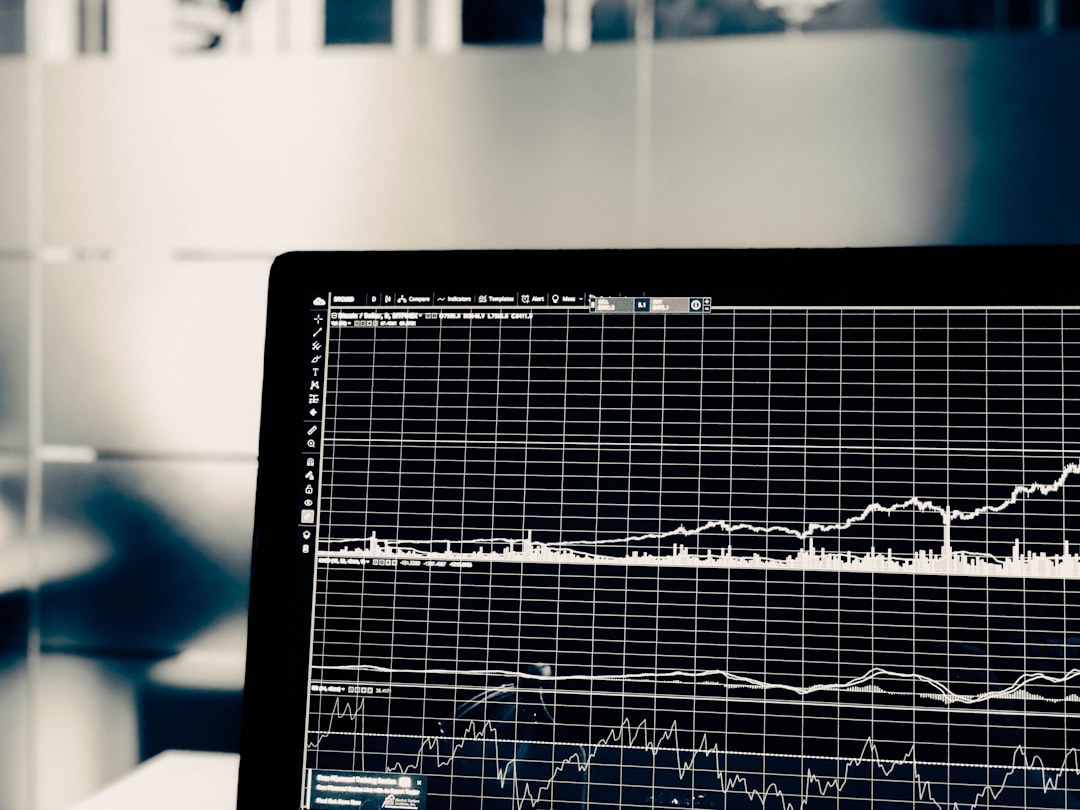
In early 2021, GameStop Corp. (GME) experienced a dramatic stock price increase from approximately $20 to $483 within several weeks. This event resulted from the intersection of social media coordination, retail investor activity, and short squeeze dynamics rather than conventional market fundamentals.
The price surge began in late January 2021 when retail investors on the Reddit forum r/WallStreetBets targeted GameStop due to its high short interest ratio. Institutional investors had borrowed and sold significant quantities of GameStop shares, betting that the stock price would decline. The coordinated buying pressure from retail investors forced short sellers to purchase shares to cover their positions, creating a feedback loop that drove prices higher.
This event highlighted several market dynamics: the influence of social media platforms on trading behavior, the collective power of retail investors when coordinated, and the risks associated with high short interest positions. The GameStop situation prompted regulatory discussions about market structure, trading practices, and the accessibility of financial markets to individual investors.
Key Takeaways
- GameStop’s stock surge was driven by a short squeeze fueled by retail investors coordinating on Reddit.
- Short selling by hedge funds played a central role in the stock’s volatility and rapid price increase.
- Social media platforms significantly amplified retail investor influence on market dynamics.
- The event prompted regulatory scrutiny due to increased market volatility and trading restrictions.
- The GameStop saga highlights risks and rewards of speculative investing and signals shifts in market power toward retail investors.
Understanding Short Selling and the Role it Played in GameStop’s Stock Surge
Short selling is a trading strategy that allows investors to profit from a decline in a stock’s price. In essence, a short seller borrows shares of a stock and sells them on the open market, hoping to repurchase them later at a lower price. The difference between the selling price and the repurchase price represents the profit.
However, if the stock price rises instead of falls, short sellers face potentially unlimited losses as they are forced to buy back shares at inflated prices. In the case of GameStop, hedge funds had heavily shorted the stock, betting against its future performance due to declining sales and the company’s struggles in an increasingly digital gaming environment. By January 2021, it was reported that short interest in GameStop exceeded 140% of its available shares, indicating that more shares were borrowed than existed in circulation.
This precarious position set the stage for a short squeeze—a situation where short sellers are compelled to buy back shares to cover their positions, further driving up the stock price.
The Influence of Reddit and Social Media on GameStop’s Stock Price
The role of social media, particularly Reddit, cannot be overstated in the context of the GameStop stock surge. The subreddit r/WallStreetBets became a virtual battleground for retail investors who shared insights, strategies, and memes related to GameStop. This online community fostered a sense of camaraderie among its members, who were united by a common goal: to challenge Wall Street’s dominance and expose perceived injustices in the financial system.
As discussions about GameStop gained traction on Reddit, more investors began to take notice. The viral nature of social media allowed information to spread rapidly, leading to an exponential increase in buying activity. The hashtag #GME became synonymous with the movement, and retail investors collectively drove up demand for GameStop shares.
This grassroots effort not only propelled the stock price but also highlighted the power of social media as a tool for mobilizing collective action in financial markets.
The Impact of Retail Investors on GameStop’s Stock Movement
Retail investors played a pivotal role in the GameStop saga, demonstrating their ability to influence stock prices significantly. Traditionally viewed as less sophisticated than institutional investors, retail traders leveraged technology and social media platforms to coordinate their buying efforts effectively. This newfound power challenged long-held assumptions about market dynamics and investor behavior.
The influx of retail investment into GameStop created a feedback loop that further fueled the stock’s ascent. As prices rose, more investors were drawn into the frenzy, creating a sense of urgency and fear of missing out (FOMO). This phenomenon was exacerbated by trading apps like Robinhood, which made it easier for individuals to buy and sell stocks with minimal barriers.
The sheer volume of retail trading activity contributed to heightened volatility in GameStop’s stock price, leading to dramatic fluctuations that captured headlines worldwide.
The Role of Hedge Funds and Institutional Investors in the GameStop Saga
| Metric | Value |
|---|---|
| Stock Symbol | GME |
| Company Name | GameStop Corp. |
| Market Cap | Approximately 12 Billion |
| Current Price | Varies (check real-time data) |
| 52-Week High | Approximately 483 |
| 52-Week Low | Approximately 12 |
| PE Ratio | Negative (due to losses) |
| Dividend Yield | 0% |
| Average Volume | 20 Million shares |
| Exchange | NYSE |
Hedge funds and institutional investors found themselves at the center of the GameStop controversy as they faced significant losses due to their short positions. Prominent hedge funds like Melvin Capital were particularly affected, requiring substantial capital infusions from other firms to stabilize their operations after incurring massive losses from the short squeeze. The situation raised questions about risk management practices within these institutions and their reliance on short selling as an investment strategy.
The GameStop episode also highlighted the potential consequences of excessive short selling. As hedge funds scrambled to cover their positions amid rising prices, they inadvertently contributed to further volatility in the market. This dynamic underscored the interconnectedness of institutional and retail investors and prompted discussions about regulatory oversight and market stability.
Regulatory Response and Market Volatility Surrounding GameStop Stock
In response to the unprecedented volatility surrounding GameStop’s stock, regulatory bodies such as the Securities and Exchange Commission (SEC) began investigating potential market manipulation and trading practices. The SEC’s inquiry aimed to determine whether any laws had been violated during the frenzy and whether additional regulations were necessary to protect investors and maintain market integrity. Moreover, trading platforms like Robinhood faced scrutiny for their decision to restrict trading on GameStop shares during peak volatility.
Critics argued that these actions disproportionately affected retail investors while favoring institutional players. The regulatory response highlighted the need for clearer guidelines regarding trading practices and transparency in financial markets.
Lessons Learned from the GameStop Stock Phenomenon
The GameStop saga serves as a case study for various lessons in investing and market behavior. One key takeaway is the power of collective action among retail investors; when united by a common cause, individual traders can exert significant influence over stock prices. Additionally, it underscores the importance of understanding market dynamics, including short selling and its potential risks.
Investors also learned about the impact of social media on financial markets. The rapid dissemination of information through platforms like Reddit can lead to swift changes in investor sentiment and behavior. As such, it is crucial for traders to remain vigilant and informed about market trends while exercising caution when participating in speculative trading.
The Future of GameStop Stock and Potential Long-Term Implications
Looking ahead, the future of GameStop’s stock remains uncertain. While some analysts believe that the company could pivot successfully toward e-commerce and digital gaming, others caution that its valuation may not be sustainable given its historical performance and industry challenges. The volatility experienced during the frenzy may have lasting effects on investor sentiment toward both GameStop and similar stocks.
Moreover, the events surrounding GameStop have prompted discussions about potential regulatory changes aimed at preventing similar occurrences in the future. As regulators assess market dynamics and investor behavior, it is likely that new rules will emerge to address issues related to short selling, trading restrictions, and transparency.
Risks and Rewards of Investing in GameStop Stock
Investing in GameStop stock presents both risks and rewards for potential investors. On one hand, those who entered during the frenzy experienced substantial gains; however, this volatility also poses significant risks for those who may have bought at inflated prices. The potential for rapid price fluctuations can lead to substantial losses if investors are not prepared for market corrections.
Additionally, investing in stocks like GameStop requires careful consideration of fundamental analysis versus speculative trading strategies. While some may view GME as a long-term investment opportunity based on potential growth prospects, others may see it as a speculative play driven by social media hype.
How GameStop’s Stock Surge Reflects Broader Market Trends
The GameStop phenomenon is indicative of broader trends within financial markets, particularly regarding retail investor participation and technological advancements in trading platforms. The rise of commission-free trading apps has democratized access to financial markets, allowing more individuals to engage in stock trading than ever before. Furthermore, the event highlights a shift toward greater transparency and accountability among institutional investors.
As retail investors become more informed and organized, they are likely to continue challenging traditional power structures within finance.
Expert Opinions and Analysis on GameStop Stock: What Investors Should Consider
Experts emphasize that while investing in stocks like GameStop can yield significant returns, it is essential for investors to conduct thorough research and understand their risk tolerance before entering such volatile markets. Analysts recommend diversifying portfolios to mitigate risks associated with speculative investments while remaining aware of market trends that could impact stock performance. Additionally, investors should consider both technical analysis—examining price movements—and fundamental analysis—assessing company performance—when making investment decisions.
Staying informed about regulatory developments is also crucial as changes could affect trading practices and market dynamics moving forward. In summary, the GameStop stock frenzy represents a watershed moment in financial markets characterized by unprecedented retail investor engagement driven by social media influence and complex trading strategies like short selling. As this phenomenon continues to unfold, it offers valuable lessons about market behavior, regulatory oversight, and investment strategies that will shape future trends in finance.
For those interested in the latest developments surrounding GME stock, you might find it useful to explore the current market trends and insights provided in the article about Amazon’s stock performance. You can read more about it here: Amazon Stock Overview. Understanding the dynamics of major players like Amazon can offer valuable context for evaluating GME’s position in the market.
FAQs
What is GME stock?
GME stock refers to the publicly traded shares of GameStop Corp., a retail company specializing in video games, consumer electronics, and gaming merchandise.
Where is GME stock traded?
GME stock is traded on the New York Stock Exchange (NYSE) under the ticker symbol “GME.”
What factors influence the price of GME stock?
The price of GME stock is influenced by company performance, market trends, investor sentiment, industry developments, and broader economic conditions.
Why did GME stock gain significant attention in early 2021?
GME stock gained significant attention due to a short squeeze initiated by retail investors on social media platforms, which caused a rapid increase in its stock price.
Is GME stock considered a volatile investment?
Yes, GME stock has experienced high volatility, especially during periods of intense trading activity and market speculation.
How can I buy GME stock?
You can buy GME stock through a brokerage account by placing an order via online trading platforms or through a financial advisor.
Does GameStop pay dividends on its stock?
As of now, GameStop does not regularly pay dividends to its shareholders.
Where can I find the latest news and updates about GME stock?
Latest news and updates about GME stock can be found on financial news websites, stock market apps, and official company press releases.
What should I consider before investing in GME stock?
Before investing, consider your risk tolerance, investment goals, the stock’s volatility, and conduct thorough research or consult a financial advisor.
Has GameStop undergone any recent business changes affecting its stock?
GameStop has been undergoing strategic changes, including shifts toward e-commerce and digital sales, which may impact its stock performance.