Now Reading: Uncovering the Legacy of Chernobyl
-
01
Uncovering the Legacy of Chernobyl
Uncovering the Legacy of Chernobyl
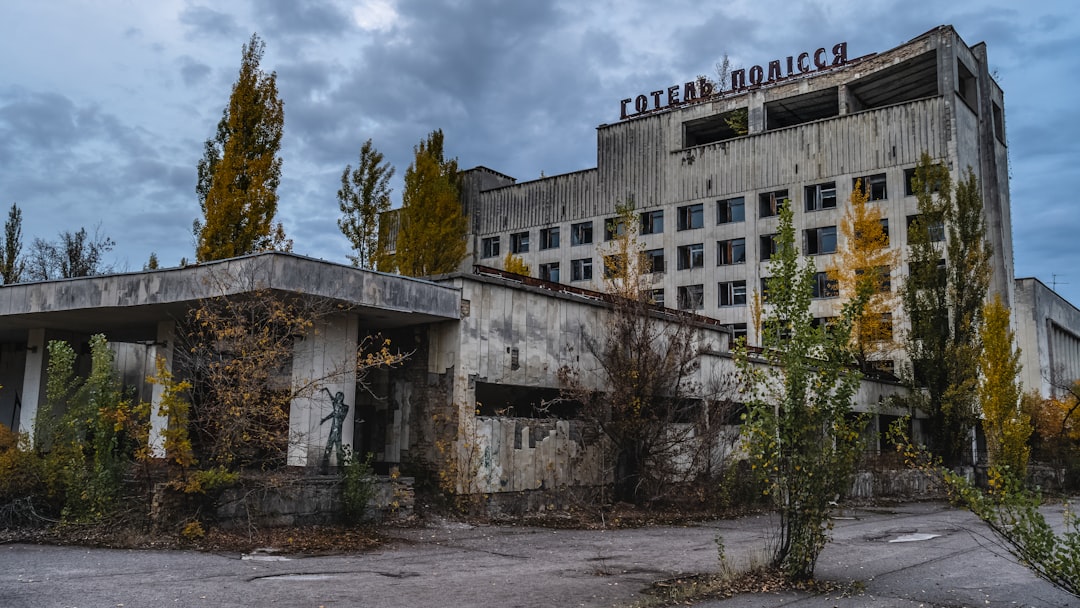
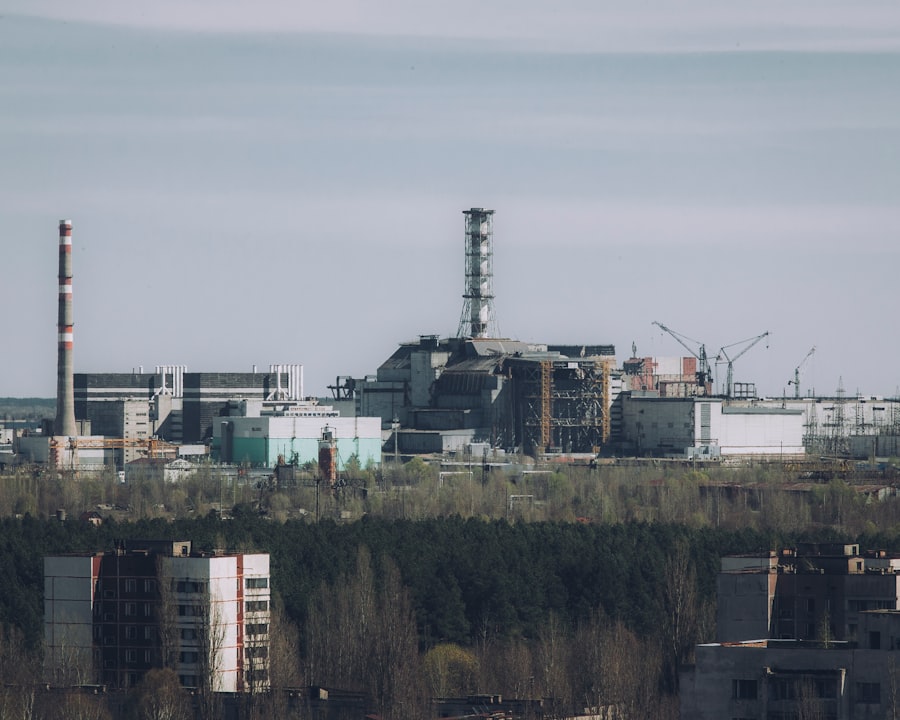
The Chernobyl disaster, which occurred on April 26, 1986, remains one of the most catastrophic nuclear accidents in history. Located near the town of Pripyat in the then-Soviet Union, the incident was precipitated by a flawed reactor design coupled with serious breaches of protocol during a safety test. The explosion at Reactor No. 4 released an unprecedented amount of radioactive material into the atmosphere, leading to widespread contamination across Europe. The event not only highlighted the potential dangers associated with nuclear energy but also raised critical questions about safety regulations and emergency preparedness. In the immediate aftermath, the Soviet government initially attempted to downplay the severity of the incident, leading to delayed evacuations and inadequate responses. It wasn’t until international pressure mounted that the true scale of the disaster became apparent. The Chernobyl disaster resulted in a significant release of radioactive isotopes, including iodine-131, cesium-137, and strontium-90, which posed severe health risks to both humans and the environment. The event has since become a focal point for discussions on nuclear safety and disaster management.
Key Takeaways
- The Chernobyl disaster caused immediate widespread devastation and long-term environmental contamination.
- The exclusion zone remains largely uninhabited but has become a unique habitat for wildlife adapting to radiation.
- Human health has suffered lasting effects, including increased cancer rates and other radiation-related illnesses.
- Extensive cleanup and containment efforts have been ongoing to mitigate further environmental and health risks.
- The disaster has profoundly influenced nuclear safety protocols and inspired cultural and artistic reflections worldwide.
The Immediate Aftermath of the Chernobyl Disaster
In the hours following the explosion, emergency responders faced an overwhelming challenge. Firefighters and plant workers rushed to extinguish the flames and contain the damage, often without adequate protective gear.
Within days, approximately 49 people died as a direct result of radiation exposure, while thousands more were affected by the fallout. The Soviet government initiated an evacuation of Pripyat approximately 36 hours after the explosion, relocating around 49,000 residents. However, this was just the beginning of a much larger evacuation effort that would ultimately displace over 100,000 people from surrounding areas.
The establishment of an exclusion zone around Chernobyl became necessary to prevent further exposure to radiation. This zone would later expand to encompass a radius of 30 kilometers, effectively sealing off the area from human habitation.
The Lasting Environmental Impact of Chernobyl
The environmental consequences of the Chernobyl disaster are profound and enduring. Radioactive isotopes released into the atmosphere settled on land and water bodies, leading to long-term contamination. Cesium-137 and strontium-90 have half-lives of approximately 30 years and 29 years, respectively, meaning their effects will persist for generations.
Soil and vegetation in the vicinity of Chernobyl absorbed these isotopes, creating hotspots of radiation that continue to pose risks to both human health and ecological systems. The contamination extended far beyond Ukraine’s borders, affecting large swathes of Europe. Countries such as Belarus and parts of Russia experienced significant fallout, leading to agricultural restrictions and health monitoring programs for affected populations.
The long-term ecological impact includes altered ecosystems where certain species have either thrived or declined due to radiation exposure. The complexity of these interactions underscores the need for ongoing research into the environmental ramifications of nuclear disasters.
The Human Toll of the Chernobyl Disaster
The human toll of the Chernobyl disaster is staggering and multifaceted. In addition to the immediate fatalities among first responders, thousands more have suffered from long-term health issues related to radiation exposure. Studies indicate that there has been a marked increase in thyroid cancer cases among those exposed as children or adolescents at the time of the accident.
The International Agency for Research on Cancer (IARC) estimates that thousands more cases of cancer may arise in the coming decades due to exposure. Psychological effects have also been significant, with many survivors experiencing anxiety, depression, and post-traumatic stress disorder (PTSD). The stigma associated with radiation exposure has led to social isolation for many individuals in affected communities.
Furthermore, the disruption of lives and livelihoods due to forced evacuations has had lasting economic consequences for those displaced by the disaster.
The Exclusion Zone: A Look Inside Chernobyl Today
| Metric | Value | Details |
|---|---|---|
| Location | Chernobyl, Ukraine | Site of the nuclear power plant disaster |
| Date of Accident | April 26, 1986 | Explosion in Reactor 4 of the Chernobyl Nuclear Power Plant |
| Reactor Type | RBMK-1000 | Graphite-moderated nuclear reactor |
| Immediate Deaths | 31 | Deaths due to acute radiation syndrome and explosion |
| Estimated Long-term Deaths | 4,000 – 90,000 | Estimated cancer deaths related to radiation exposure |
| Exclusion Zone Size | 2,600 km² | Area around the plant evacuated and restricted |
| Radioactive Isotopes Released | Cesium-137, Iodine-131, Strontium-90 | Main contaminants released into the environment |
| Containment Structure | Sarcophagus (1986), New Safe Confinement (2016) | Structures built to contain radiation from Reactor 4 |
| Current Status | Decommissioned, ongoing cleanup | Plant is no longer operational; site monitored for radiation |
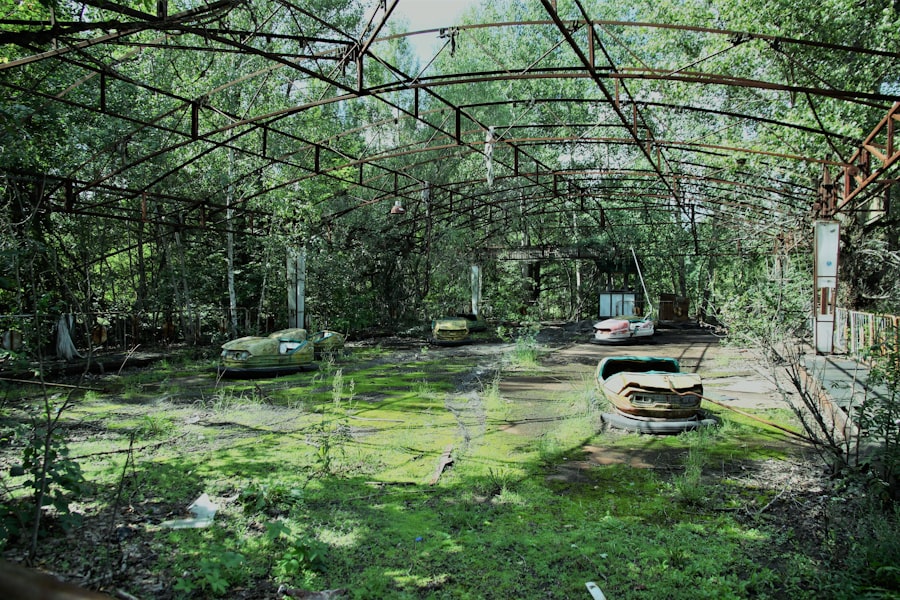
Today, the Chernobyl Exclusion Zone stands as a haunting reminder of the disaster’s legacy. Spanning approximately 2,600 square kilometers, this area is largely uninhabited but has become a site for scientific research and tourism. The abandoned town of Pripyat is particularly notable for its eerie atmosphere, with decaying buildings overtaken by nature.
Structures such as schools, hospitals, and amusement parks serve as poignant symbols of a community abruptly abandoned. Access to the Exclusion Zone is strictly regulated, with guided tours available for those interested in witnessing the remnants of this historical event. Researchers continue to study the area to better understand radiation’s long-term effects on both human health and ecosystems.
While some areas remain highly contaminated, others have shown signs of ecological recovery, prompting discussions about potential future uses for parts of the zone.
The Wildlife of Chernobyl: How Nature has Adapted
Interestingly, nature has demonstrated remarkable resilience in the wake of the Chernobyl disaster. Despite high levels of radiation, wildlife populations have thrived in certain areas within the Exclusion Zone. Species such as wolves, deer, and wild boar have been observed in increasing numbers, suggesting that human absence has allowed ecosystems to rebound.
Studies indicate that some animals exhibit adaptations to cope with radiation exposure, although research is ongoing to understand these phenomena fully. The presence of diverse flora and fauna within the Exclusion Zone has sparked interest among ecologists studying how ecosystems function under stress. While some species have adapted well, others have shown signs of genetic mutations or reproductive challenges due to radiation exposure.
This complex interplay between wildlife and environmental factors provides valuable insights into ecological resilience and adaptation.
The Long-Term Health Effects of Chernobyl
The long-term health effects resulting from the Chernobyl disaster continue to be a subject of extensive research and debate. While thyroid cancer remains one of the most documented outcomes among exposed populations, other potential health issues include cardiovascular diseases and psychological disorders. Epidemiological studies have sought to quantify these risks; however, establishing direct causation remains challenging due to confounding factors such as lifestyle and environmental influences.
Ongoing monitoring programs aim to track health outcomes among those affected by radiation exposure over time. Organizations like the Chernobyl Forum have been instrumental in assessing health impacts and providing recommendations for future research initiatives. As new data emerges, it becomes increasingly important to address both physical and mental health concerns among survivors and their descendants.
The Efforts to Contain and Clean Up Chernobyl
Efforts to contain and clean up Chernobyl have evolved significantly since the disaster occurred.
4 to contain radioactive materials and prevent further release into the environment.
However, this structure deteriorated over time, necessitating a more robust solution. In 2016, a new containment structure known as the New Safe Confinement was completed and placed over the original sarcophagus. This state-of-the-art facility is designed to securely isolate radioactive materials for at least 100 years while allowing for decommissioning work on the reactor itself.
Additionally, ongoing decontamination efforts focus on removing radioactive debris from surrounding areas and monitoring environmental conditions.
The Future of Chernobyl: What Lies Ahead
Looking ahead, the future of Chernobyl remains uncertain yet filled with potential for scientific discovery and ecological recovery. As research continues into radiation’s effects on both human health and ecosystems, there is hope that lessons learned from this disaster can inform nuclear safety protocols worldwide. The Exclusion Zone may also serve as a unique laboratory for studying environmental resilience in extreme conditions.
Moreover, discussions surrounding potential uses for parts of the Exclusion Zone are gaining traction. Some propose transforming sections into wildlife reserves or research centers focused on ecological restoration. Balancing public safety with opportunities for scientific exploration will be crucial as stakeholders navigate this complex landscape.
The Cultural and Artistic Response to Chernobyl
The cultural response to Chernobyl has been profound and multifaceted, inspiring artists, writers, filmmakers, and musicians alike. Works such as “Voices from Chernobyl” by Svetlana Alexievich provide haunting accounts from survivors while exploring themes of loss and resilience. Documentaries like “Chernobyl: The Lost Tapes” offer visual narratives that capture both personal stories and broader societal implications.
Artistic interpretations often reflect on themes of memory, trauma, and environmental degradation stemming from the disaster. These creative expressions serve not only as memorials but also as cautionary tales about humanity’s relationship with technology and nature.
Lessons Learned from Chernobyl: How the Disaster has Shaped Nuclear Safety
The Chernobyl disaster has had far-reaching implications for nuclear safety protocols worldwide. In its aftermath, international organizations such as the International Atomic Energy Agency (IAEA) implemented stricter safety regulations aimed at preventing similar incidents in the future. Enhanced training programs for nuclear plant operators emphasize risk assessment and emergency preparedness.
Furthermore, public awareness surrounding nuclear energy has shifted dramatically since Chernobyl. Increased scrutiny regarding transparency in nuclear operations has led to greater public engagement in discussions about energy policy and safety measures. Ultimately, Chernobyl serves as a stark reminder that vigilance is essential in managing complex technologies that carry inherent risks.
In summary, the Chernobyl disaster represents a pivotal moment in history that continues to resonate across various domains—environmental science, public health, cultural expression, and nuclear safety policy. As we reflect on its legacy, it is imperative that we remain committed to learning from past mistakes while fostering a safer future for generations to come.
While the Chernobyl disaster remains a significant event in nuclear history, it is essential to understand the broader implications of such disasters on society and the environment. For instance, the article on Memorial Day, which honors our heroes, serves as a reminder of the sacrifices made in the face of adversity, much like those affected by the Chernobyl incident. You can read more about this in the article Remembering Memorial Day 2023: Honoring Our Heroes.
FAQs
What is Chernobyl?
Chernobyl is the site of a catastrophic nuclear disaster that occurred on April 26, 1986, at the Chernobyl Nuclear Power Plant near the city of Pripyat in northern Ukraine, then part of the Soviet Union.
What caused the Chernobyl disaster?
The disaster was caused by a sudden and unexpected power surge during a safety test on Reactor 4, which led to explosions and a fire that released large quantities of radioactive particles into the atmosphere.
What were the immediate effects of the Chernobyl accident?
The explosion and fire caused the deaths of two plant workers on the night of the accident, and 28 emergency responders and plant operators died within weeks due to acute radiation sickness. Large areas were contaminated, leading to the evacuation of over 100,000 people.
How far did the radioactive contamination spread?
Radioactive contamination spread over much of Europe, with the highest levels found in Belarus, Ukraine, and Russia. Radioactive particles were carried by wind and weather patterns, affecting many countries.
What is the Chernobyl Exclusion Zone?
The Chernobyl Exclusion Zone is a 30-kilometer radius area around the nuclear plant that was evacuated and remains largely uninhabited due to high radiation levels. It serves as a restricted area for safety and environmental monitoring.
Is the Chernobyl site safe to visit today?
Certain parts of the Chernobyl Exclusion Zone are open to guided tours with strict safety protocols. Visitors can safely visit designated areas, but prolonged exposure and entry into highly contaminated zones are prohibited.
What long-term health effects have been linked to the Chernobyl disaster?
Long-term health effects include increased rates of thyroid cancer, particularly among those exposed as children, as well as other cancers and health issues related to radiation exposure. However, the full extent of health impacts is still studied.
What measures have been taken to contain the Chernobyl site?
A large steel structure called the New Safe Confinement was completed in 2016 to encase the damaged reactor and contain the release of radioactive materials. Ongoing monitoring and cleanup efforts continue to reduce environmental risks.
How has Chernobyl impacted nuclear safety worldwide?
The disaster led to significant changes in nuclear safety protocols, emergency preparedness, and international cooperation to prevent similar accidents. It raised global awareness about the risks of nuclear power.
Can wildlife live in the Chernobyl Exclusion Zone?
Yes, despite radiation, many species of wildlife have returned and thrive in the Exclusion Zone due to the absence of human activity, making it an unintended wildlife sanctuary.