Now Reading: Revolutionizing Energy: The Future of Power
-
01
Revolutionizing Energy: The Future of Power
Revolutionizing Energy: The Future of Power
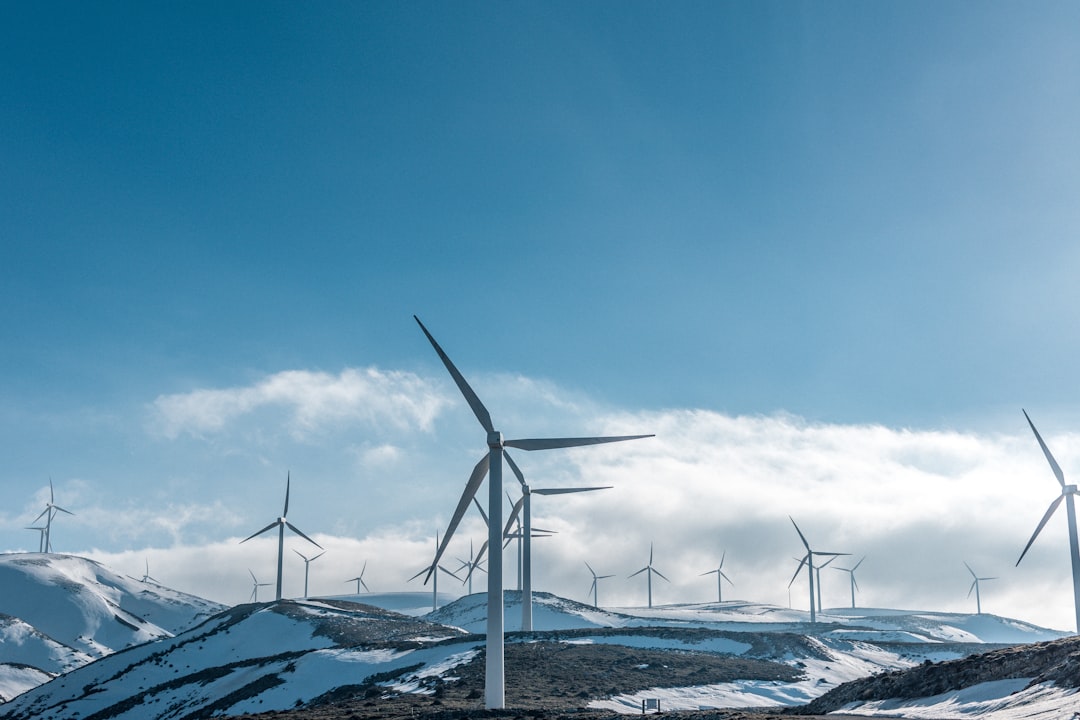
The global energy sector is experiencing a fundamental transformation characterized by the rapid expansion of renewable energy technologies. Solar, wind, hydroelectric, and geothermal power systems are increasingly replacing traditional fossil fuel-based generation methods that have historically dominated energy production. Data from the International Energy Agency indicates that renewable sources comprised approximately 29% of worldwide electricity generation in 2020, with projections showing continued substantial growth in market share over the next decade.
Several key factors are driving this transition to renewable energy systems. Technological improvements have significantly enhanced the efficiency and reliability of renewable energy equipment. Economic factors play a crucial role, as production costs for renewable technologies have declined substantially.
Solar photovoltaic system costs decreased by more than 80% between 2010 and 2020, improving economic competitiveness for residential, commercial, and utility-scale applications. Similarly, wind energy costs have fallen dramatically, with onshore wind installations now representing the lowest-cost option for new electricity generation capacity in numerous markets globally. Environmental considerations and climate policy objectives are additional drivers of renewable energy adoption.
As nations implement strategies to reduce greenhouse gas emissions and meet international climate commitments, renewable energy deployment has become a central component of sustainable development planning and energy security strategies.
Key Takeaways
- Renewable energy sources are rapidly growing, reshaping the global energy landscape.
- Advances in energy storage and smart grids enhance efficiency and reliability in power distribution.
- Artificial intelligence and blockchain technologies are transforming energy management and trading.
- Electric vehicles and microgrids contribute significantly to sustainable and decentralized energy systems.
- Policy, regulation, and collaboration are crucial to driving innovation and ensuring a successful energy transition.
Advancements in Energy Storage Technology
As renewable energy sources become more prevalent, the need for efficient energy storage solutions has never been more critical. Energy storage technology plays a pivotal role in addressing the intermittent nature of renewable energy generation. For example, solar and wind power production can fluctuate based on weather conditions and time of day, necessitating reliable storage systems to ensure a consistent energy supply.
Recent advancements in battery technology, particularly lithium-ion batteries, have significantly improved energy storage capabilities.
Flow batteries, for instance, offer longer discharge times and can be scaled up for larger applications.
Furthermore, solid-state batteries promise enhanced safety and energy density compared to traditional lithium-ion systems. These advancements not only enhance grid stability but also facilitate the integration of renewables into existing energy infrastructures. As energy storage technologies continue to evolve, they will play a crucial role in enabling a more resilient and sustainable energy future.
The Role of Artificial Intelligence in Energy Management

Artificial Intelligence (AI) is revolutionizing various sectors, and the energy industry is no exception. AI technologies are being employed to optimize energy management systems, enhance grid reliability, and improve demand forecasting. By analyzing vast amounts of data from smart meters, weather forecasts, and historical consumption patterns, AI algorithms can predict energy demand with remarkable accuracy.
This predictive capability allows utilities to manage resources more efficiently and reduce operational costs. Moreover, AI-driven solutions are instrumental in enhancing the performance of renewable energy systems. For instance, machine learning algorithms can optimize the operation of wind turbines by adjusting their angles based on real-time wind conditions.
Additionally, AI can facilitate predictive maintenance by identifying potential equipment failures before they occur, thereby minimizing downtime and maintenance costs. As AI continues to advance, its integration into energy management will lead to more efficient systems and a reduced carbon footprint.
The Impact of Electric Vehicles on the Energy Landscape
Electric vehicles (EVs) are rapidly gaining traction as a sustainable alternative to traditional gasoline-powered cars. The global EV market is projected to grow exponentially, with estimates suggesting that by 2040, electric vehicles could account for over 50% of new car sales worldwide. This shift not only has implications for transportation but also significantly impacts the energy landscape.
The widespread adoption of electric vehicles presents both challenges and opportunities for energy systems. On one hand, increased EV usage can lead to higher electricity demand, necessitating upgrades to grid infrastructure and energy generation capacity. On the other hand, EVs can serve as mobile energy storage units that contribute to grid stability.
Vehicle-to-grid (V2G) technology allows EVs to discharge stored energy back into the grid during peak demand periods, effectively acting as a distributed energy resource. This dual role of EVs as both consumers and providers of electricity underscores their potential to transform the energy ecosystem.
Smart Grids and Their Potential to Transform Energy Distribution
| Energy Source | Global Production (TWh) | Percentage of Total Energy | CO2 Emissions (kg per MWh) | Average Cost (per MWh) |
|---|---|---|---|---|
| Coal | 10,500 | 27% | 820 | 50 |
| Natural Gas | 7,200 | 19% | 490 | 40 |
| Hydropower | 4,300 | 11% | 4 | 30 |
| Wind | 2,800 | 7% | 12 | 35 |
| Solar | 1,900 | 5% | 45 | 40 |
| Nuclear | 2,600 | 7% | 12 | 60 |
| Biomass | 1,200 | 3% | 230 | 55 |
Smart grids represent a significant advancement in energy distribution technology, integrating digital communication and automation into traditional electrical grids. These intelligent systems enable real-time monitoring and management of electricity flow, enhancing efficiency and reliability. By utilizing advanced sensors and smart meters, utilities can gain insights into consumption patterns and grid performance, allowing for proactive maintenance and rapid response to outages.
The potential benefits of smart grids extend beyond operational efficiency. They facilitate the integration of distributed energy resources such as solar panels and wind turbines into the grid while enabling consumers to actively participate in energy management through demand response programs. By incentivizing users to reduce consumption during peak hours or shift usage to off-peak times, smart grids can help balance supply and demand effectively.
As smart grid technology continues to evolve, it will play a crucial role in creating a more resilient and sustainable energy future.
The Integration of Blockchain Technology in Energy Trading

Blockchain technology is gaining traction in various industries, including energy trading. This decentralized ledger system offers transparency, security, and efficiency in transactions between producers and consumers of electricity. By enabling peer-to-peer (P2P) trading platforms, blockchain allows individuals with renewable energy sources—such as solar panels—to sell excess electricity directly to their neighbors without intermediaries.
The integration of blockchain in energy trading has the potential to democratize access to renewable energy while reducing transaction costs. Smart contracts can automate transactions based on predefined conditions, ensuring that payments are executed seamlessly when energy is exchanged. Furthermore, blockchain enhances traceability in renewable energy certificates (RECs), allowing consumers to verify the source of their electricity and make informed choices about their energy consumption.
As this technology matures, it could reshape the dynamics of energy markets and promote greater adoption of renewables.
The Emergence of Microgrids and Their Benefits
Microgrids are localized energy systems that can operate independently or in conjunction with the main grid. They are designed to enhance resilience by providing reliable power during outages or emergencies while integrating renewable energy sources at a community level. Microgrids can be particularly beneficial in remote areas or regions prone to natural disasters where traditional grid infrastructure may be vulnerable.
The advantages of microgrids extend beyond reliability; they also promote sustainability by facilitating the use of local renewable resources such as solar or wind power. By generating electricity close to where it is consumed, microgrids reduce transmission losses and enhance overall efficiency. Additionally, they empower communities to take control of their energy production and consumption, fostering greater awareness of sustainability practices.
As microgrid technology continues to develop, it holds promise for creating more resilient and self-sufficient communities.
The Potential of Fusion Energy as a Game-Changer
Fusion energy has long been regarded as the “holy grail” of clean power generation due to its potential for providing virtually limitless energy with minimal environmental impact. Unlike fission-based nuclear power plants that split heavy atomic nuclei, fusion involves combining light atomic nuclei—such as hydrogen isotopes—to release vast amounts of energy. The primary advantage of fusion is that it produces no long-lived radioactive waste and carries a significantly lower risk of catastrophic failure.
Recent advancements in fusion research have reignited interest in this technology as a viable solution for meeting global energy demands sustainably. Projects like ITER (International Thermonuclear Experimental Reactor) aim to demonstrate the feasibility of fusion as a practical power source by achieving net-positive energy output through controlled fusion reactions. While commercial fusion power plants remain years away from realization, ongoing research holds promise for revolutionizing the global energy landscape by providing a clean and abundant source of electricity.
The Role of Energy Efficiency in Revolutionizing Power
Energy efficiency is a critical component in the quest for sustainable power generation and consumption. By optimizing how we use energy across various sectors—residential, commercial, industrial—we can significantly reduce overall demand while minimizing environmental impact. Implementing energy-efficient technologies such as LED lighting, high-efficiency appliances, and advanced HVAC systems can lead to substantial reductions in electricity consumption.
Moreover, improving building insulation and adopting smart technologies can enhance overall efficiency in residential and commercial spaces. According to the U.S. Department of Energy (DOE), implementing cost-effective efficiency measures could reduce U.S.
This reduction not only lowers utility bills for consumers but also decreases greenhouse gas emissions associated with electricity generation. As awareness grows regarding the importance of energy efficiency, it will play an increasingly vital role in shaping a sustainable future.
The Importance of Policy and Regulation in Shaping the Future of Energy
Effective policy frameworks and regulatory measures are essential for driving the transition toward sustainable energy systems. Governments play a crucial role in establishing incentives for renewable energy adoption through tax credits, subsidies, and feed-in tariffs that encourage investment in clean technologies. Additionally, regulations governing emissions standards and renewable portfolio standards help create a level playing field for clean energy sources.
International agreements such as the Paris Agreement further underscore the importance of collaborative efforts among nations to combat climate change through coordinated policy action. By setting ambitious targets for greenhouse gas reductions and promoting clean technology deployment globally, policymakers can facilitate a more rapid transition toward sustainable energy systems. As countries navigate complex regulatory landscapes, effective policies will be instrumental in shaping the future trajectory of global energy markets.
The Need for Collaboration and Innovation in Driving Energy Revolution
The transition toward sustainable energy systems requires collaboration among various stakeholders—including governments, private sector entities, research institutions, and civil society organizations—to drive innovation effectively. Public-private partnerships can accelerate research and development efforts while fostering knowledge sharing across sectors. Moreover, engaging communities in decision-making processes ensures that local needs are considered when implementing new technologies or policies related to energy production and consumption.
By fostering an inclusive approach that prioritizes collaboration over competition within the industry, stakeholders can collectively address challenges while maximizing opportunities for innovation. In conclusion, the future of energy lies at the intersection of technological advancements, policy frameworks, and collaborative efforts among diverse stakeholders. As we embrace renewable sources like solar and wind power while leveraging innovations such as AI-driven management systems or blockchain-enabled trading platforms—our collective actions will shape a more sustainable world for generations to come.
For those interested in the intersection of energy and market trends, a related article can be found at Current Chart for Amazon Stock Price Trends. This article provides insights into how energy prices can influence stock performance, particularly for major companies like Amazon that rely heavily on logistics and energy consumption.
FAQs
What is energy?
Energy is the capacity to do work or produce change. It exists in various forms such as kinetic, potential, thermal, electrical, chemical, and nuclear energy.
What are the main types of energy?
The main types of energy include mechanical energy, thermal energy, chemical energy, electrical energy, nuclear energy, and radiant energy.
How is energy measured?
Energy is commonly measured in joules (J) in the International System of Units (SI). Other units include calories, kilowatt-hours (kWh), and British thermal units (BTU).
What is renewable energy?
Renewable energy comes from natural sources that are constantly replenished, such as sunlight, wind, rain, tides, waves, and geothermal heat.
What is non-renewable energy?
Non-renewable energy is derived from sources that do not replenish quickly, such as fossil fuels like coal, oil, and natural gas, as well as nuclear fuels.
Why is energy important?
Energy is essential for powering homes, industries, transportation, and technology. It supports economic development and improves quality of life.
How can energy be conserved?
Energy can be conserved by using energy-efficient appliances, reducing waste, improving insulation, using public transportation, and adopting renewable energy sources.
What is the law of conservation of energy?
The law of conservation of energy states that energy cannot be created or destroyed, only transformed from one form to another.
What are the environmental impacts of energy use?
Energy production and consumption can lead to pollution, greenhouse gas emissions, habitat destruction, and resource depletion, especially when relying on fossil fuels.
What is energy efficiency?
Energy efficiency refers to using less energy to perform the same task or produce the same outcome, reducing energy waste and costs.