Now Reading: American Airlines’ New Airbus A321XLR: Next-Generation Travel
-
01
American Airlines’ New Airbus A321XLR: Next-Generation Travel
American Airlines’ New Airbus A321XLR: Next-Generation Travel
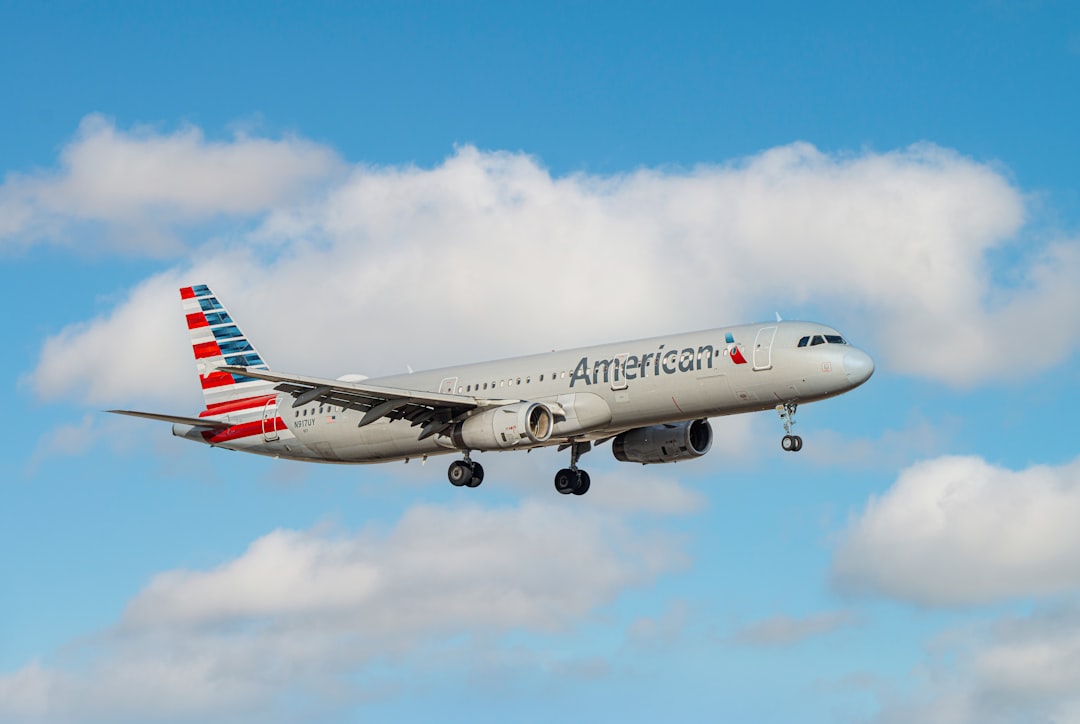
American Airlines has added the Airbus A321XLR to its fleet, marking an expansion of the carrier’s long-haul capabilities. The A321XLR (Extra Long Range) is part of Airbus’s A320 aircraft family and features extended range capabilities compared to earlier variants in the series. The aircraft is designed for transcontinental and transatlantic routes, offering airlines the ability to serve longer distances with a single-aisle aircraft.
The integration of the A321XLR represents American Airlines’ fleet modernization strategy and reflects broader industry trends toward operational efficiency. Airlines are increasingly adopting aircraft that can meet evolving regulatory requirements, including environmental standards, while maintaining economic viability. The A321XLR incorporates fuel-efficient technologies and design features that contribute to reduced fuel consumption per passenger compared to older aircraft models, supporting industry efforts to lower carbon emissions from commercial aviation.
Key Takeaways
- American Airlines introduces the Airbus A321XLR to enhance long-haul travel capabilities.
- The A321XLR offers improved fuel efficiency and reduced environmental impact.
- Passengers benefit from upgraded comfort and in-flight experience on these aircraft.
- The new plane enables American Airlines to expand routes and strengthen market competitiveness.
- This addition aligns with the airline’s future fleet strategy and evolving customer expectations.
Features and Benefits of the Airbus A321XLR
The Airbus A321XLR boasts a range of features that set it apart from traditional narrow-body aircraft. One of its most notable attributes is its extended range capability, allowing it to fly up to 4,700 nautical miles (approximately 8,700 kilometers). This extended range enables airlines like American Airlines to operate non-stop flights on routes that were previously unfeasible with narrow-body aircraft.
The A321XLR is equipped with new, fuel-efficient engines that significantly reduce fuel consumption, making it an economically viable option for long-haul travel. In addition to its impressive range, the A321XLR offers enhanced cabin comfort and modern amenities. The aircraft can accommodate up to 244 passengers in a single-class configuration or provide a more spacious experience in a two-class layout.
The cabin features larger overhead bins, improved lighting systems, and advanced in-flight entertainment options, ensuring that passengers enjoy a comfortable journey. Furthermore, the aircraft’s quieter engines contribute to a more pleasant flying experience, minimizing noise pollution both inside and outside the cabin.
Enhanced Passenger Experience
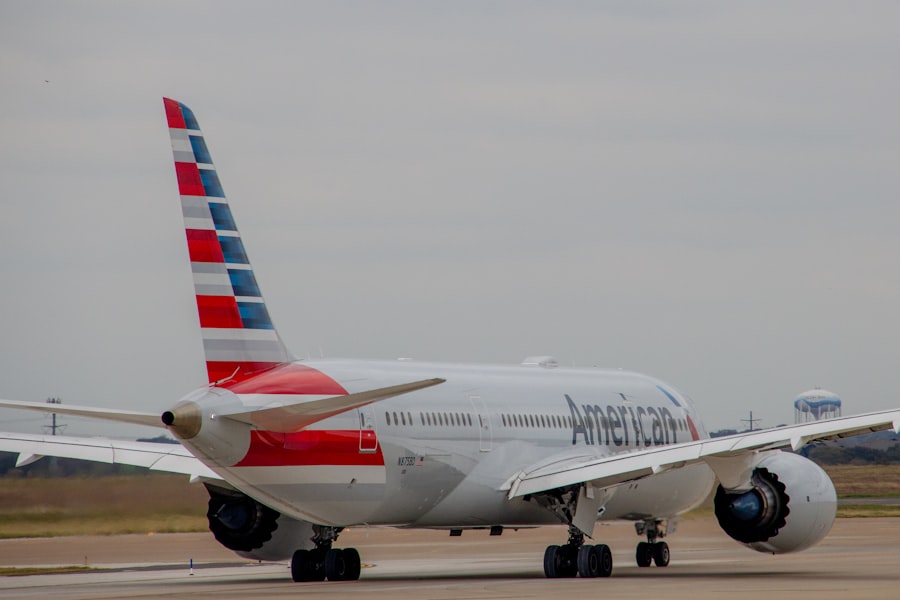
Passenger experience is at the forefront of American Airlines’ strategy with the introduction of the Airbus A321XLR. The aircraft’s cabin design prioritizes comfort and convenience, featuring ergonomically designed seats that provide ample legroom and support. The layout allows for easy movement within the cabin, enhancing accessibility for all passengers, including those with reduced mobility.
Additionally, the A321XLR is equipped with high-speed Wi-Fi connectivity, enabling travelers to stay connected throughout their journey. In-flight entertainment options have also been significantly upgraded on the A321XLR. Passengers can enjoy a wide selection of movies, TV shows, and music through personal screens or their own devices via streaming services.
The aircraft’s advanced soundproofing technology ensures that entertainment can be enjoyed without interference from engine noise. Moreover, the introduction of mood lighting enhances the overall ambiance of the cabin, creating a more relaxing environment during long flights.
Fuel Efficiency and Environmental Impact
One of the most pressing concerns in the aviation industry today is environmental sustainability. The Airbus A321XLR addresses this issue head-on with its innovative design and fuel-efficient technology. The aircraft is powered by Pratt & Whitney GTF engines, which are known for their reduced fuel consumption and lower emissions compared to older models.
This advancement not only helps airlines save on operational costs but also aligns with global efforts to minimize carbon footprints. The A321XLR’s ability to operate longer routes without requiring additional fuel stops contributes to its overall efficiency. By maximizing payload capacity while minimizing fuel burn per passenger, American Airlines can reduce its environmental impact significantly.
Furthermore, the aircraft’s lightweight materials and aerodynamic design enhance fuel efficiency, making it a more sustainable option for long-haul travel. As airlines face increasing pressure from regulators and consumers to adopt greener practices, the A321XLR positions American Airlines as a leader in environmental responsibility.
Potential Routes and Destinations
| Metric | Details |
|---|---|
| Aircraft Model | Airbus A321XLR |
| Operator | American Airlines |
| Seating Capacity | Approximately 180-200 passengers |
| Range | Approximately 4,700 nautical miles (8,700 km) |
| First Delivery to American Airlines | Expected in 2024 |
| Typical Use | Long thin-haul routes, transcontinental flights |
| Engine Type | CFM International LEAP-1A or Pratt & Whitney PW1100G |
| Fuel Efficiency | Improved by approximately 30% compared to previous generation aircraft |
With its extended range capabilities, the Airbus A321XLR opens up a plethora of potential routes for American Airlines. This aircraft can efficiently connect major cities across North America with destinations in Europe, South America, and beyond. For instance, routes such as New York City to Lisbon or Miami to Bogotá become viable options for non-stop service, catering to both leisure travelers and business professionals seeking direct connections.
The flexibility of the A321XLR also allows American Airlines to explore underserved markets that may not have previously been accessible with larger aircraft. By introducing non-stop flights to these destinations, the airline can tap into new customer bases and increase market share. Additionally, the ability to operate longer routes without compromising on passenger comfort positions American Airlines favorably against competitors who may still rely on older aircraft for similar services.
Competitive Advantage in the Market

The introduction of the Airbus A321XLR provides American Airlines with a significant competitive advantage in the ever-evolving aviation market. As airlines strive to differentiate themselves through superior service offerings and operational efficiency, the A321XLR’s unique features allow American Airlines to stand out among its peers. The combination of extended range capabilities and enhanced passenger experience positions the airline as a frontrunner in long-haul travel.
With lower fuel consumption and maintenance costs compared to older aircraft models, American Airlines can offer competitive pricing on fares while maintaining profitability. This strategic advantage enables the airline to attract price-sensitive travelers without sacrificing service quality or operational reliability.
Impact on American Airlines’ Fleet Strategy
The integration of the Airbus A321XLR into American Airlines’ fleet strategy marks a pivotal shift towards modernization and efficiency. As part of a broader initiative to refresh its fleet, American Airlines aims to phase out older aircraft models that are less fuel-efficient and more costly to operate. The addition of the A321XLR aligns with this goal by providing a contemporary solution that meets both operational needs and passenger expectations.
Furthermore, the versatility of the A321XLR allows American Airlines to optimize its route network effectively. By utilizing this aircraft on various domestic and international routes, the airline can adapt quickly to changing market demands while maximizing revenue potential. This strategic flexibility is essential in an industry characterized by fluctuating travel patterns and evolving consumer preferences.
Collaborations and Partnerships
American Airlines recognizes that collaboration is key to enhancing its operational capabilities and expanding its reach in the global market. The introduction of the Airbus A321XLR has prompted partnerships with various stakeholders in the aviation ecosystem, including airport authorities and technology providers. These collaborations aim to streamline operations and improve passenger experiences at every touchpoint.
For instance, partnerships with airport authorities may lead to improved infrastructure that accommodates the unique needs of the A321XLR, such as enhanced boarding processes or upgraded baggage handling systems. Additionally, collaborations with technology providers can enhance in-flight services by integrating advanced entertainment systems or connectivity solutions that cater to modern travelers’ expectations.
Future of Long-Haul Travel
The future of long-haul travel is poised for transformation as airlines like American Airlines embrace innovative aircraft such as the Airbus A321XLR.
The A321XLR represents a significant step towards achieving these goals by offering an efficient and environmentally friendly solution for long-distance journeys.
Moreover, advancements in aviation technology are likely to continue shaping the future of air travel. Innovations such as electric propulsion systems or alternative fuels may further enhance sustainability efforts within the industry. As airlines invest in research and development initiatives aimed at reducing their environmental impact, travelers can expect an increasingly eco-conscious approach to long-haul travel in the years ahead.
Customer Expectations and Reactions
As American Airlines prepares to roll out its Airbus A321XLR fleet, customer expectations are high regarding both service quality and operational efficiency. Passengers are increasingly seeking airlines that prioritize comfort, convenience, and sustainability in their travel experiences. Early reactions from industry experts and travelers alike indicate enthusiasm for the A321XLR’s potential to meet these demands.
Feedback from initial test flights has highlighted positive experiences related to cabin comfort and in-flight services. Passengers have expressed appreciation for the spacious seating arrangements and advanced entertainment options available on board. Additionally, travelers are eager to see how American Airlines leverages the A321XLR’s capabilities to expand its route offerings and enhance connectivity between key destinations.
The Promise of Next-Generation Travel
In conclusion, American Airlines’ introduction of the Airbus A321XLR signifies a bold step towards next-generation travel that prioritizes efficiency, sustainability, and passenger comfort. With its extended range capabilities and advanced features, this aircraft positions American Airlines as a leader in long-haul aviation while addressing critical environmental concerns within the industry. As airlines continue to adapt to changing consumer preferences and regulatory pressures, innovations like the A321XLR will play a crucial role in shaping the future of air travel.
The promise of next-generation travel lies not only in technological advancements but also in a commitment to providing exceptional service that meets evolving customer expectations. As American Airlines embraces this new era with the Airbus A321XLR at its helm, passengers can look forward to an enhanced flying experience that combines convenience with sustainability—ultimately redefining what it means to travel long distances in comfort and style.
American Airlines is set to enhance its fleet with the addition of the Airbus A321XLR, a long-range aircraft that promises to improve efficiency and passenger comfort on transcontinental routes. This strategic move aligns with the airline’s goal to modernize its operations and expand its network. For more insights into the future of the airline industry, you might find this article on what to expect from major companies in the coming years interesting, as it discusses trends that could impact various sectors, including aviation.
FAQs
What is the Airbus A321XLR?
The Airbus A321XLR (Extra Long Range) is a variant of the A321neo family designed to offer extended range capabilities, allowing airlines to operate longer routes with a single-aisle aircraft.
Why is American Airlines interested in the Airbus A321XLR?
American Airlines is interested in the A321XLR because it enables the airline to serve longer, thinner routes more efficiently, potentially opening new markets and improving operational flexibility with a fuel-efficient, single-aisle aircraft.
What is the range of the Airbus A321XLR?
The Airbus A321XLR has a maximum range of approximately 4,700 nautical miles (8,700 kilometers), which is significantly longer than previous A321neo variants.
How does the A321XLR differ from the standard A321neo?
The A321XLR features additional fuel tanks, a modified landing gear, and structural reinforcements to support its extended range, allowing it to fly longer distances than the standard A321neo.
When did American Airlines place orders for the A321XLR?
American Airlines announced orders for the Airbus A321XLR as part of its fleet modernization plans, with specific order dates varying based on their official announcements and delivery schedules.
What benefits does the A321XLR offer to American Airlines passengers?
Passengers benefit from the A321XLR’s modern cabin design, improved fuel efficiency leading to potentially lower fares, and the ability to access new direct routes that were previously not economically viable.
How does the A321XLR impact American Airlines’ fleet strategy?
The A321XLR allows American Airlines to replace older, less efficient aircraft on long, thin routes, reduce operating costs, and expand its network with more direct flights, enhancing overall competitiveness.
What is the seating capacity of the Airbus A321XLR?
The A321XLR typically seats between 180 to 220 passengers, depending on the airline’s chosen cabin configuration.
When is American Airlines expected to receive its first A321XLR aircraft?
Delivery timelines depend on Airbus production schedules and American Airlines’ specific order agreements, with initial deliveries generally expected in the mid-2020s.
Are there any environmental benefits associated with the A321XLR?
Yes, the A321XLR is more fuel-efficient than older aircraft models, resulting in lower carbon emissions per flight, which supports American Airlines’ sustainability goals.