Now Reading: Discovering the Rich Culture of Uzbekistan
-
01
Discovering the Rich Culture of Uzbekistan
Discovering the Rich Culture of Uzbekistan
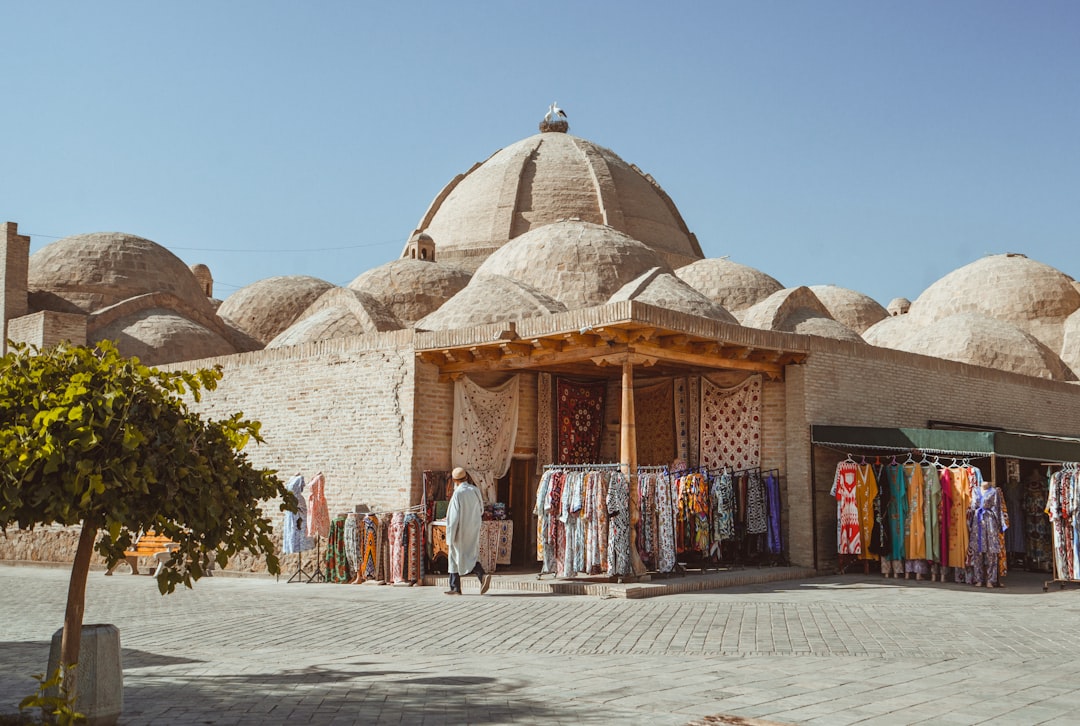
Uzbekistan, a landlocked country in Central Asia, is a vibrant tapestry of history, culture, and tradition. Bordered by Kazakhstan to the north, Kyrgyzstan to the northeast, Tajikistan to the southeast, Afghanistan to the south, and Turkmenistan to the southwest, Uzbekistan is strategically located along the ancient Silk Road. This historical trade route facilitated not only commerce but also cultural exchange, making Uzbekistan a melting pot of diverse influences.
The nation boasts a rich heritage that dates back thousands of years, with its cities serving as pivotal centers of learning and culture. The capital city, Tashkent, is a modern metropolis that harmoniously blends Soviet-era architecture with contemporary designs. However, it is the historical cities of Samarkand, Bukhara, and Khiva that draw visitors from around the globe.
These cities are renowned for their stunning Islamic architecture, intricate tile work, and bustling bazaars. Uzbekistan’s unique geographical position has fostered a rich cultural landscape that reflects the influences of Persian, Turkic, and Russian civilizations. As a result, the country offers an unparalleled experience for travelers seeking to explore its multifaceted identity.
Key Takeaways
- Uzbekistan boasts a rich historical heritage with iconic landmarks reflecting its Silk Road legacy.
- Traditional cuisine features flavorful dishes like plov, showcasing diverse culinary influences.
- Music, dance, and handicrafts play a vital role in preserving Uzbekistan’s cultural identity.
- Festivals and religious diversity highlight the country’s vibrant spiritual and communal life.
- Modern culture blends contemporary trends with deep-rooted traditions in language, fashion, and hospitality.
Historical and Cultural Landmarks
Uzbekistan is home to an array of historical and cultural landmarks that showcase its illustrious past. The Registan Square in Samarkand is perhaps the most iconic site, featuring three magnificent madrasahs adorned with intricate mosaics and towering minarets. The Ulugh Beg Madrasah, built in the 15th century, stands as a testament to the country’s commitment to education and scholarship during the Timurid era.
Visitors can marvel at the stunning architecture while absorbing the rich history that permeates the air. Bukhara, another jewel of Uzbekistan, boasts over 140 architectural monuments, including the Ark Fortress and the Bolo Haouz Mosque. The Ark Fortress served as a royal residence for centuries and offers a glimpse into the lives of Uzbek rulers.
The city’s historic center is a UNESCO World Heritage site, reflecting its significance as a center of trade and culture along the Silk Road. Khiva, with its well-preserved inner city known as Itchan Kala, transports visitors back in time with its narrow alleys and stunning blue-tiled structures. Each landmark tells a story of resilience and cultural evolution, making them essential stops for anyone exploring Uzbekistan.
Traditional Cuisine and Culinary Delights
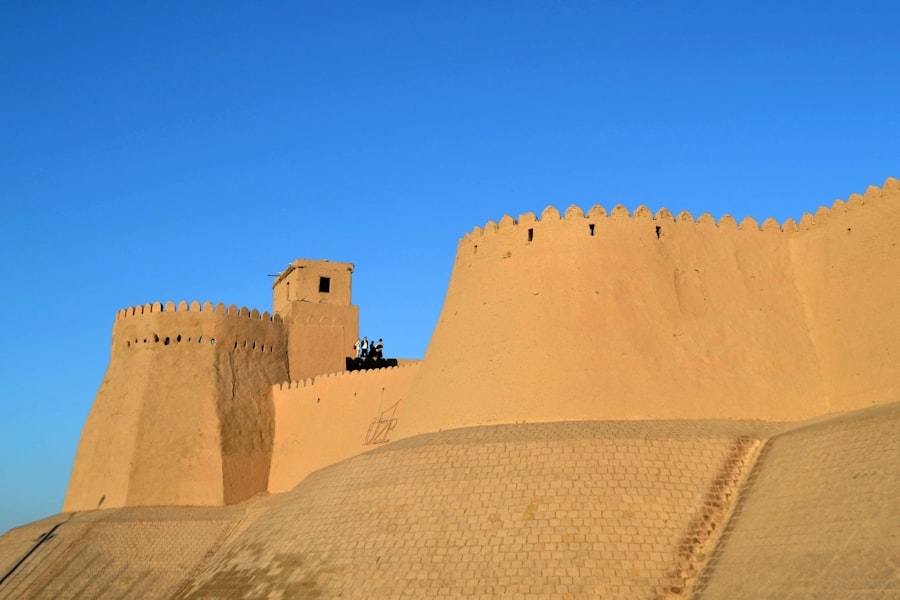
Uzbek cuisine is a delightful fusion of flavors and ingredients that reflect the country’s agricultural bounty and cultural diversity. Central to Uzbek culinary traditions is plov, a hearty rice dish typically made with lamb or beef, carrots, onions, and spices. Each region boasts its own variation of plov, showcasing local ingredients and cooking techniques.
This dish is often served during celebrations and gatherings, symbolizing hospitality and community. In addition to plov, Uzbekistan offers an array of traditional dishes such as manti (steamed dumplings filled with meat), lagman (noodle soup), and shashlik (grilled skewered meat). Bread, known as non, holds a special place in Uzbek culture and is often baked in tandoor ovens.
The country’s culinary landscape is further enriched by an abundance of fresh fruits and vegetables, including melons, pomegranates, and herbs. Dining in Uzbekistan is not merely about sustenance; it is an experience steeped in tradition and communal values.
Traditional Music and Dance
The musical heritage of Uzbekistan is as diverse as its cultural landscape. Traditional Uzbek music is characterized by its use of unique instruments such as the dutar (a two-stringed lute), the tanbur (a long-necked lute), and the doira (a frame drum). These instruments create melodies that evoke deep emotions and tell stories of love, nature, and history.
The art of maqom, a form of classical music that combines poetry and melody, holds a prestigious place in Uzbek culture and has been recognized by UNESCO as an Intangible Cultural Heritage. Dance is an integral part of Uzbek celebrations and rituals. Traditional dances often feature vibrant costumes and intricate movements that reflect regional styles.
The Lazgi dance from Khorezm is particularly famous for its energetic footwork and expressive gestures. Performances are often accompanied by live music, creating an immersive experience that captivates audiences. Through music and dance, Uzbeks express their identity and preserve their cultural heritage for future generations.
Handicrafts and Artisanal Traditions
| Metric | Value | Year |
|---|---|---|
| Population | 36.5 million | 2023 |
| Capital | Tashkent | – |
| GDP (Nominal) | 80 billion | 2023 |
| GDP per Capita | 2,200 | 2023 |
| Official Language | Uzbek | – |
| Area | 448,978 km² | – |
| Life Expectancy | 73 years | 2023 |
| Literacy Rate | 99.3% | 2023 |
| Currency | Uzbekistani Som | – |
Uzbekistan’s rich artisanal traditions are evident in its handicrafts, which are celebrated for their craftsmanship and intricate designs. The art of silk weaving is particularly noteworthy; cities like Margilan are renowned for producing exquisite ikat fabrics that feature vibrant patterns. The process involves dyeing threads before weaving them into stunning textiles that are used for clothing and home decor.
Ceramics also play a significant role in Uzbekistan’s artisanal landscape. The city of Rishtan is famous for its blue-and-white pottery adorned with intricate floral motifs. Artisans employ traditional techniques passed down through generations to create functional yet beautiful pieces.
Additionally, wood carving and metalwork are prevalent in various regions, showcasing the skills of local craftsmen. These handicrafts not only serve as functional items but also embody the cultural identity of Uzbekistan.
Festivals and Celebrations
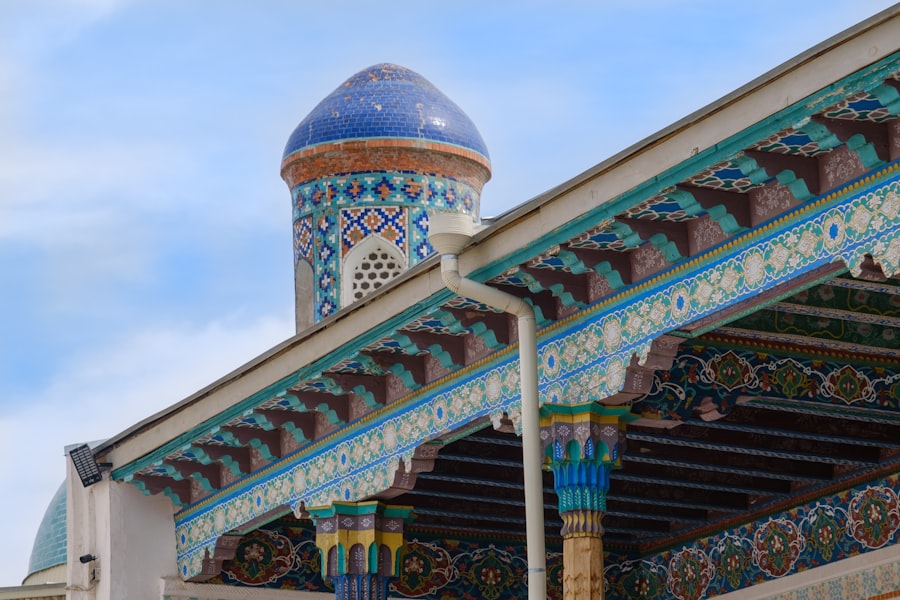
Uzbekistan’s calendar is filled with vibrant festivals that celebrate its rich cultural heritage. Navruz, the Persian New Year celebrated on March 21st, marks the arrival of spring and symbolizes renewal. This festival is characterized by communal feasts, traditional music performances, and various cultural activities.
Families come together to prepare special dishes such as sumalak (a sweet dish made from wheat sprouts) while engaging in festivities that promote unity and joy. Another significant celebration is Independence Day on September 1st, which commemorates Uzbekistan’s independence from the Soviet Union in 1991.
Local communities organize events that showcase traditional music, dance performances, and exhibitions highlighting Uzbekistan’s achievements since independence. These festivals not only foster national pride but also serve as opportunities for cultural exchange among diverse communities.
Religious Diversity and Spiritual Heritage
Uzbekistan’s spiritual landscape is characterized by religious diversity, with Islam being the predominant faith practiced by approximately 90% of the population. The country has a rich Islamic heritage reflected in its stunning mosques and madrasahs that dot the landscape. Notable sites include the Bibi-Khanym Mosque in Samarkand and the Kalyan Minaret in Bukhara, both exemplifying exquisite Islamic architecture.
In addition to Islam, Uzbekistan is home to various religious minorities, including Christians and Jews. The Jewish community has a long history in Uzbekistan, contributing to the country’s cultural fabric. Synagogues can be found in cities like Tashkent and Samarkand, serving as reminders of this community’s enduring presence.
The coexistence of different faiths highlights Uzbekistan’s commitment to tolerance and respect for diverse spiritual beliefs.
Traditional Clothing and Fashion
Traditional Uzbek clothing reflects the country’s rich cultural heritage and craftsmanship. Men typically wear a chapan (a long coat) over loose-fitting trousers, while women don colorful dresses adorned with intricate embroidery known as kurta or atlas dresses made from silk fabric. The use of vibrant colors and patterns symbolizes joy and celebration in Uzbek culture.
Headwear also plays an important role in traditional attire; men often wear a doppa (a square skullcap), while women may adorn their heads with scarves or elaborate headdresses during special occasions. These garments are not only functional but also serve as expressions of identity and pride in one’s heritage. In contemporary fashion scenes, designers are increasingly incorporating traditional elements into modern styles, bridging the gap between past and present.
Language and Literature
Uzbekistan’s official language is Uzbek, a Turkic language that has evolved over centuries through various influences including Persian and Russian. The language plays a crucial role in shaping national identity and fostering communication among diverse ethnic groups within the country. Efforts have been made to promote Uzbek language education in schools while preserving its rich literary heritage.
His works continue to inspire contemporary writers who explore themes of love, nature, and social justice through poetry and prose. Literary festivals held throughout the year celebrate both classical literature and modern works, encouraging new voices to emerge within Uzbekistan’s vibrant literary scene.
Hospitality and Etiquette
Hospitality is deeply ingrained in Uzbek culture; guests are treated with utmost respect and generosity. When visiting an Uzbek home, it is customary to greet hosts warmly with phrases such as “Assalomu alaykum” (peace be upon you). Guests are often offered tea accompanied by sweets or dried fruits as a gesture of welcome.
Dining etiquette holds significant importance; it is polite to wait for the host to begin eating before partaking in meals. Sharing food from communal dishes symbolizes unity among family members or friends gathered around the table. Additionally, it is customary to express gratitude after meals by saying “Rahmat” (thank you).
Understanding these social norms enhances interactions with locals while fostering meaningful connections during visits.
Modern Influences and Contemporary Culture
In recent years, Uzbekistan has experienced significant modernization while striving to preserve its cultural heritage. Urban centers like Tashkent have witnessed rapid development with new infrastructure projects transforming cityscapes into modern hubs of commerce and innovation. However, efforts are being made to maintain traditional values amidst globalization.
Contemporary art scenes have emerged across Uzbekistan as artists explore themes related to identity, history, and social issues through various mediums such as painting, sculpture, photography, and performance art. Film festivals showcasing local cinema have gained popularity among younger generations eager to express their creativity through storytelling on screen. Uzbekistan stands at a crossroads where tradition meets modernity—a dynamic interplay that shapes its evolving identity while honoring its rich past.
In summary, Uzbekistan offers a captivating blend of history, culture, cuisine, music, art, spirituality, fashion, language, hospitality practices—all woven together into an intricate tapestry reflecting resilience over time amidst changing landscapes both locally & globally!
Uzbekistan, a country rich in history and culture, has been gaining attention for its unique traditions and vibrant festivals. One interesting aspect of celebrating holidays in different cultures can be found in the article about holiday celebrations, which highlights the timeless nature of festive traditions. You can read more about this in the article titled Snoopy’s Christmas: A Timeless Holiday Celebration.
FAQs
What is Uzbekistan?
Uzbekistan is a landlocked country located in Central Asia. It is known for its rich history, cultural heritage, and significant role along the ancient Silk Road.
What is the capital of Uzbekistan?
The capital city of Uzbekistan is Tashkent, which is also the largest city in the country.
What languages are spoken in Uzbekistan?
The official language of Uzbekistan is Uzbek. Russian is also widely spoken, especially in urban areas and for business purposes.
What is the population of Uzbekistan?
As of recent estimates, Uzbekistan has a population of approximately 35 million people.
What is the currency of Uzbekistan?
The currency used in Uzbekistan is the Uzbekistani som (UZS).
What is the climate like in Uzbekistan?
Uzbekistan has a continental climate, characterized by hot summers and cold winters, with low precipitation throughout the year.
What are some major tourist attractions in Uzbekistan?
Popular tourist destinations include the historic cities of Samarkand, Bukhara, and Khiva, known for their ancient architecture, mosques, madrasahs, and Silk Road heritage.
Is Uzbekistan safe for travelers?
Uzbekistan is generally considered safe for tourists, with low crime rates. However, travelers should always exercise standard precautions and stay informed about local conditions.
What is the main religion in Uzbekistan?
The predominant religion in Uzbekistan is Islam, primarily Sunni Islam, with a significant cultural influence on the country.
How can one travel to Uzbekistan?
Uzbekistan is accessible by air through Tashkent International Airport, and it also shares land borders with several Central Asian countries, allowing for overland travel.