Now Reading: FDA Recalled Blood Pressure Medication: What You Need to Know
-
01
FDA Recalled Blood Pressure Medication: What You Need to Know
FDA Recalled Blood Pressure Medication: What You Need to Know

The U.S. Food and Drug Administration (FDA) regulates the safety and efficacy of medications distributed in the United States. Antihypertensive medications, used to treat high blood pressure, are among the drugs subject to FDA oversight.
High blood pressure affects approximately 45% of American adults, making these medications essential for public health. The FDA has issued recalls for certain blood pressure medications due to safety concerns.
These recalls are classified into three categories: Class I (reasonable probability of serious adverse health consequences), Class II (remote probability of adverse health consequences), and Class III (unlikely to cause adverse health consequences). Patients taking recalled blood pressure medications may face health risks depending on the specific issue identified. The FDA recall process involves manufacturer notification, public announcements, and removal of affected products from distribution channels.
Healthcare providers and patients can verify medication recall status through the FDA’s online recall database or by contacting pharmacists. When a prescribed medication is recalled, patients should consult their healthcare provider before discontinuing use, as untreated hypertension poses significant cardiovascular risks. Alternative medications within the same or different antihypertensive drug classes are typically available.
Regular blood pressure monitoring remains important for all patients with hypertension, regardless of medication changes.
Key Takeaways
- Several blood pressure medications have been recalled by the FDA due to safety concerns.
- Recalled medications may pose serious health risks and side effects to patients.
- Patients should verify if their medication is affected by checking FDA resources or consulting healthcare providers.
- Alternative blood pressure treatments are available and should be discussed with a doctor.
- Regular monitoring and awareness of medication safety are crucial for managing blood pressure effectively.
List of FDA Recalled Blood Pressure Medications
The FDA has issued recalls for several blood pressure medications over the years, primarily due to concerns regarding their safety profiles. Some notable examples include: 1. **Valsartan**: This angiotensin II receptor blocker (ARB) was recalled due to contamination with N-nitrosodimethylamine (NDMA), a probable human carcinogen.
The recall affected numerous manufacturers and formulations. 2. **Losartan**: Similar to valsartan, losartan was also recalled for NDMA contamination.
The FDA has identified multiple batches that posed potential risks to patients. 3. **Irbesartan**: This medication faced recalls due to the presence of N-nitrosodiethylamine (NDEA), another carcinogenic substance.
Patients using irbesartan were advised to consult their healthcare providers. 4. **Amlodipine**: Certain formulations of amlodipine were recalled due to labeling errors that could lead to incorrect dosing.
5. **Hydrochlorothiazide**: Some batches were recalled due to contamination with harmful substances, leading to potential adverse health effects. These recalls highlight the importance of vigilance when it comes to medication safety.
Patients should remain informed about the status of their prescriptions and be proactive in seeking information regarding any potential recalls.
Potential Risks and Side Effects of Recalled Medications
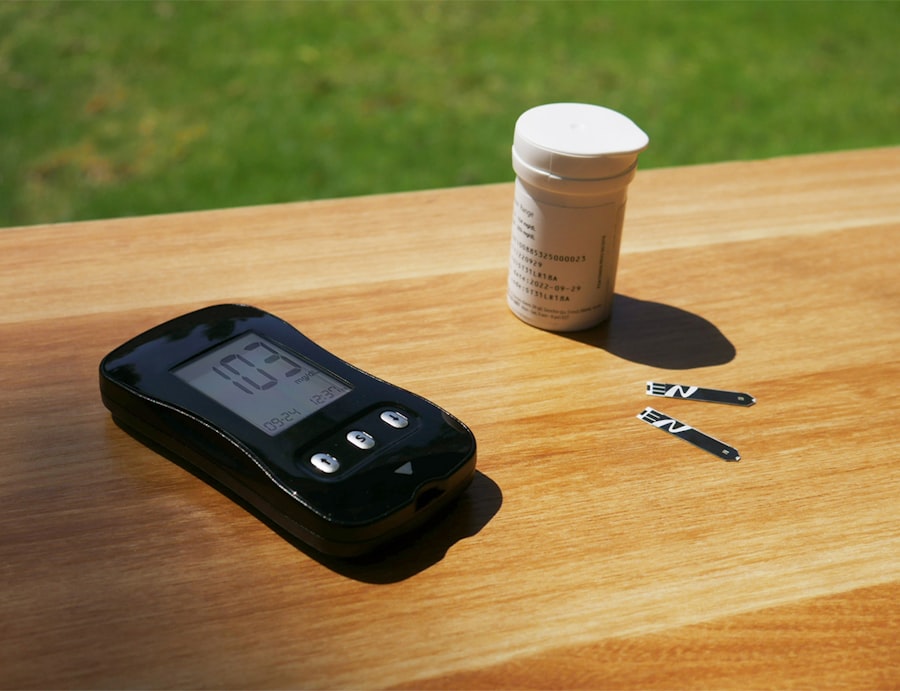
The risks associated with taking recalled blood pressure medications can be severe and multifaceted. For instance, exposure to carcinogenic substances like NDMA and NDEA can increase the risk of developing certain types of cancer over time. Long-term ingestion of these contaminants may lead to cellular mutations and subsequent tumor formation, posing a significant threat to patient health.
In addition to cancer risks, patients may experience other side effects related to the improper formulation or contamination of their medications. Common side effects of blood pressure medications include dizziness, fatigue, and gastrointestinal disturbances. However, when these drugs are compromised, patients may face exacerbated symptoms or new adverse reactions that could complicate their existing health conditions.
Moreover, the psychological impact of being informed about a medication recall can lead to increased anxiety and stress among patients. Concerns about potential health risks can create a sense of uncertainty regarding treatment efficacy and safety, which may further complicate adherence to prescribed regimens.
How to Check if Your Medication is Affected by the Recall
To determine whether your blood pressure medication has been recalled, patients should take several proactive steps. First and foremost, consult the official FDA website, which maintains an up-to-date list of all recalled medications along with detailed information about each recall’s nature and reason. The FDA’s Drug Recalls page provides a comprehensive database that can be searched by drug name or manufacturer.
Additionally, patients should review their medication packaging for any recall notices or alerts from their pharmacy. Many pharmacies will notify customers directly if they have dispensed a recalled medication. It is also advisable to contact your healthcare provider or pharmacist for guidance; they can provide personalized advice based on your specific medication regimen and health status.
Lastly, consider signing up for alerts from reputable health organizations or the FDA itself. These notifications can keep you informed about any new recalls or safety warnings that may affect your treatment plan.
What to Do if Your Medication is Recalled
| Medication Name | Recall Date | Reason for Recall | Batch/Lot Numbers | Manufacturer | Risk Level |
|---|---|---|---|---|---|
| Valsartan | July 2018 | Presence of N-Nitrosodimethylamine (NDMA), a probable carcinogen | Multiple lots including 12345, 67890 | Zhejiang Huahai Pharmaceutical | High |
| Losartan | March 2019 | Contamination with N-Nitrosodiethylamine (NDEA) | Lot 54321, 98765 | Various manufacturers | Moderate |
| Amlodipine/Olmesartan | September 2020 | Unapproved manufacturing process leading to impurities | Lot 11223, 44556 | Teva Pharmaceuticals | Moderate |
| Irbesartan | January 2021 | Detection of nitrosamine impurities | Lot 77889, 99001 | Various manufacturers | High |
If you discover that your blood pressure medication has been recalled, it is crucial to take immediate action. First, do not stop taking your medication abruptly without consulting your healthcare provider; doing so could lead to dangerous spikes in blood pressure or other complications. Instead, reach out to your doctor or pharmacist for guidance on how to proceed safely.
Your healthcare provider may recommend switching to an alternative medication or adjusting your treatment plan based on your individual health needs. They can also provide information on how to safely dispose of any recalled medications you may have at home. In some cases, manufacturers may offer replacement medications or refunds for affected products.
It is essential to follow any instructions provided by the manufacturer regarding returning or disposing of recalled medications properly.
Alternative Blood Pressure Medication Options

When faced with a recall, it is vital for patients to explore alternative blood pressure medications that can effectively manage hypertension without compromising safety. Some commonly prescribed alternatives include: 1. **ACE Inhibitors**: Medications such as lisinopril and enalapril work by inhibiting the angiotensin-converting enzyme (ACE), leading to vasodilation and reduced blood pressure.
2. **Calcium Channel Blockers**: Drugs like diltiazem and verapamil help relax blood vessels by blocking calcium entry into cells, effectively lowering blood pressure. 3.
**Beta-Blockers**: Medications such as metoprolol and atenolol reduce heart rate and cardiac output, contributing to lower blood pressure levels. 4. **Diuretics**: Thiazide diuretics like chlorthalidone help eliminate excess fluid from the body, reducing blood volume and subsequently lowering blood pressure.
5. **Angiotensin Receptor Neprilysin Inhibitors (ARNIs)**: A newer class of medications that combines an ARB with a neprilysin inhibitor (e.g.
It is essential for patients to work closely with their healthcare providers when considering alternative options, as individual responses to medications can vary significantly.
Importance of Regular Blood Pressure Monitoring
Regular monitoring of blood pressure is crucial for individuals diagnosed with hypertension or those at risk for developing high blood pressure. Consistent tracking allows patients and healthcare providers to assess treatment efficacy and make necessary adjustments promptly. Home blood pressure monitors are widely available and provide a convenient way for patients to keep track of their readings between doctor visits.
Maintaining a log of these measurements can help identify patterns or fluctuations that may require further investigation or intervention. Additionally, regular check-ups with healthcare providers are essential for comprehensive management of hypertension. These visits allow for routine assessments of cardiovascular health, medication effectiveness, and potential side effects associated with prescribed treatments.
Steps to Take to Ensure Medication Safety
To ensure medication safety and minimize the risk of adverse effects from recalls or contamination, patients should adopt several best practices: 1. **Stay Informed**: Regularly check for updates on medication recalls through reliable sources such as the FDA website or healthcare providers. 2. **Read Labels Carefully**: Always review medication packaging for any warnings or recall notices before use. 3. **Communicate with Healthcare Providers**: Maintain open lines of communication with doctors and pharmacists regarding any concerns about medications or potential side effects. 4. **Store Medications Properly**: Keep medications in a cool, dry place away from direct sunlight and moisture to preserve their integrity. 5. **Dispose of Medications Safely**: Follow local guidelines for disposing of expired or recalled medications properly; many pharmacies offer take-back programs for safe disposal.
FDA Regulations and Oversight of Medication Recalls
The FDA’s regulatory framework is designed to ensure that medications meet stringent safety standards before they reach consumers. When a safety issue arises, the agency works closely with manufacturers to assess the situation and determine whether a recall is necessary. Recalls can be classified into three categories based on severity: 1.
**Class I Recall**: This involves products that pose a significant risk of serious adverse health consequences or death.
2. **Class II Recall**: This category includes products that may cause temporary or medically reversible adverse effects but are not likely to cause serious harm.
3. **Class III Recall**: This involves products that are unlikely to cause any adverse health consequences but violate FDA regulations.
The FDA’s oversight ensures that manufacturers are held accountable for maintaining quality control throughout the production process, thereby safeguarding public health.
Patient Rights and Legal Options in Response to Recalled Medications
Patients have rights when it comes to medication safety and efficacy. If you have been adversely affected by a recalled medication, it is essential to understand your legal options: 1. **Consult Legal Counsel**: If you believe you have suffered harm due to a recalled medication, consider seeking legal advice from an attorney specializing in pharmaceutical litigation.
2. **Document Everything**: Keep detailed records of your medical history related to the recalled medication, including prescriptions, dosages, side effects experienced, and any communications with healthcare providers. 3.
**File Complaints**: Patients can report adverse effects related to recalled medications through the FDA’s MedWatch program, which helps track safety issues and improve regulatory oversight. 4. **Seek Compensation**: Depending on the circumstances surrounding your case, you may be entitled to compensation for medical expenses, lost wages, or pain and suffering resulting from the use of a recalled product.
Conclusion and Final Thoughts on FDA Recalled Blood Pressure Medication
In conclusion, awareness of FDA-recalled blood pressure medications is vital for ensuring patient safety and effective management of hypertension. By staying informed about potential recalls, understanding alternative treatment options, and maintaining regular communication with healthcare providers, patients can navigate these challenges more effectively. The importance of regular monitoring cannot be overstated; it empowers individuals to take control of their health while minimizing risks associated with compromised medications.
As we continue to rely on regulatory bodies like the FDA for oversight, it remains crucial for patients to advocate for their health rights and seek appropriate legal recourse when necessary. In summary, vigilance in monitoring medication safety is essential in today’s healthcare landscape—an informed patient is an empowered patient capable of making sound decisions regarding their treatment options.
In light of the recent FDA recall of certain blood pressure medications, it’s crucial for patients to stay informed about their health and medication safety. For those looking for guidance on managing their time effectively during the holiday season, you might find this article on federal paid holidays helpful, as it provides insights into time off that can be beneficial for scheduling doctor visits or consultations regarding medication changes.
FAQs
What does it mean when the FDA recalls a blood pressure medication?
When the FDA recalls a blood pressure medication, it means that the agency has identified a safety concern, contamination, labeling error, or manufacturing defect that could potentially harm patients. The recall is an official action to remove the affected medication from the market to protect public health.
Why are blood pressure medications recalled by the FDA?
Blood pressure medications may be recalled due to various reasons including contamination with harmful substances, incorrect dosage, presence of impurities, manufacturing defects, or labeling errors that could lead to misuse or adverse effects.
How can I find out if my blood pressure medication has been recalled?
You can check the FDA’s official website or subscribe to FDA recall alerts. Additionally, your pharmacist or healthcare provider can inform you if a medication you are taking has been recalled.
What should I do if my blood pressure medication is recalled?
If your medication is recalled, stop using it immediately and contact your healthcare provider for guidance. They may prescribe an alternative medication or provide instructions on how to safely return or dispose of the recalled product.
Are all batches of a blood pressure medication recalled or only specific lots?
Recalls can be specific to certain lots or batches of a medication rather than the entire product line. The FDA recall notice will specify which lots are affected.
Is it safe to continue taking my blood pressure medication if it has not been recalled?
Yes, if your medication has not been recalled and was obtained from a reputable source, it is generally safe to continue taking it as prescribed. Always consult your healthcare provider if you have concerns.
How does the FDA communicate recalls to the public?
The FDA communicates recalls through press releases, updates on their official website, email alerts, and sometimes through social media channels. Healthcare providers and pharmacies are also notified to inform patients.
Can recalled blood pressure medications cause health problems?
Yes, depending on the reason for the recall, the medication could cause adverse health effects such as ineffective blood pressure control, exposure to harmful contaminants, or unexpected side effects.
Are recalled blood pressure medications covered by insurance if replaced?
Typically, insurance plans cover replacement medications prescribed due to a recall, but coverage can vary. It is advisable to check with your insurance provider for specific details.
How often does the FDA recall blood pressure medications?
The frequency of recalls varies and depends on manufacturing quality, regulatory inspections, and reports of adverse events. Recalls are not routine but occur as needed to ensure patient safety.