Now Reading: San Ramon Shaken by Earthquake
-
01
San Ramon Shaken by Earthquake
San Ramon Shaken by Earthquake
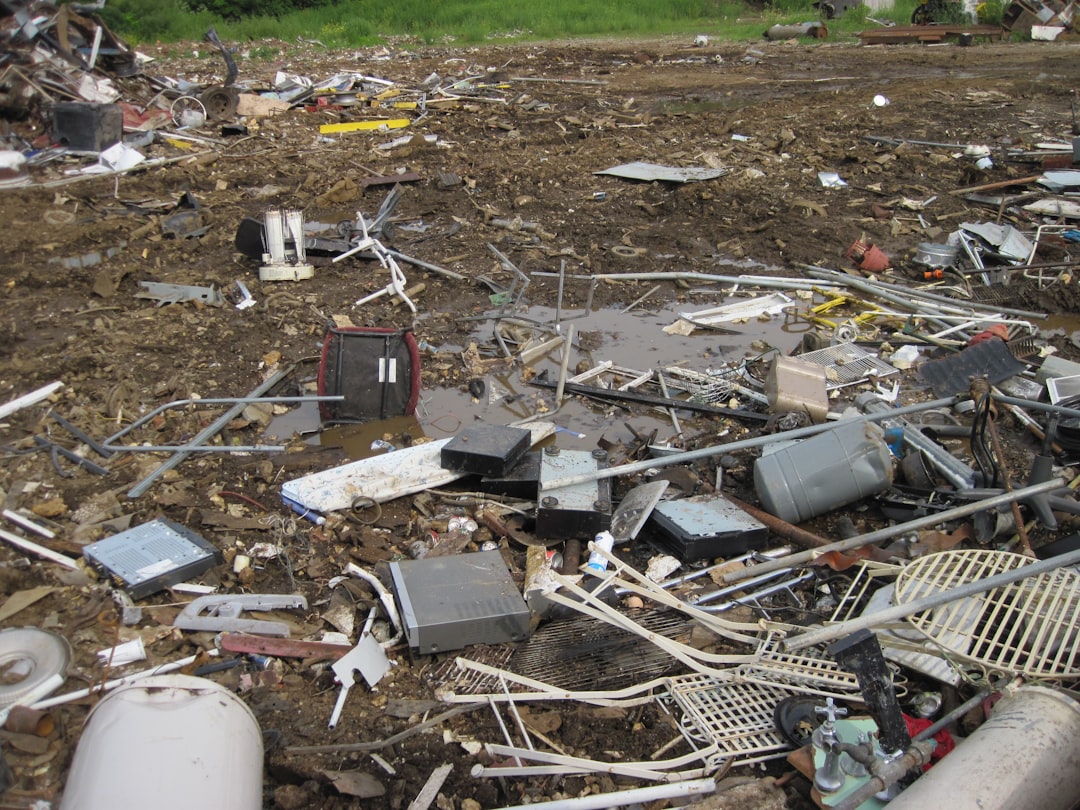
On a fateful day, the city of San Ramon experienced a seismic event that reverberated through its streets and homes, leaving an indelible mark on the community. The earthquake, registering a magnitude of 6.5 on the Richter scale, struck at approximately 3:15 PM, catching many residents off guard.
The immediate impact was profound, with reports of structural damage to both residential and commercial properties. Many homes suffered cracked foundations, shattered windows, and in some cases, complete structural failure. The local infrastructure, including roads and bridges, also faced significant challenges, complicating emergency response efforts.
In the aftermath, the emotional toll on residents was palpable. Panic ensued as families sought safety, and the sound of sirens filled the air as first responders rushed to assess the situation. Schools were evacuated, and public spaces became makeshift shelters for those who had lost their homes.
The earthquake not only disrupted daily life but also instilled a sense of vulnerability among the population. The psychological impact of such a disaster can linger long after the physical damage has been addressed, leading to increased anxiety and stress levels within the community.
Key Takeaways
- San Ramon experienced significant damage and community disruption due to the earthquake.
- Local authorities and volunteers quickly mobilized relief and recovery efforts.
- Residents showed strong solidarity, providing emotional and practical support to each other.
- Emphasis on safety measures and preparedness has increased to mitigate future risks.
- Understanding the earthquake’s science and historical context informs better rebuilding and future planning.
Local Response and Relief Efforts
In the wake of the earthquake, local authorities mobilized swiftly to address the immediate needs of affected residents. Emergency response teams were deployed to assess damage and provide medical assistance to those injured during the quake. The San Ramon Fire Department, alongside local law enforcement agencies, worked tirelessly to ensure public safety and coordinate rescue operations.
Community centers were transformed into relief hubs, offering food, water, and shelter to displaced individuals. Non-profit organizations and volunteer groups also played a crucial role in the relief efforts. They organized donation drives to collect essential supplies such as clothing, hygiene products, and non-perishable food items.
Local businesses contributed by providing meals and resources to those in need. The outpouring of support from neighboring communities highlighted the resilience and solidarity that often emerges in times of crisis. This collective effort not only addressed immediate needs but also fostered a sense of hope among residents as they began to navigate the recovery process.
Damage Assessment and Recovery
Following the initial response phase, a comprehensive damage assessment was conducted to evaluate the extent of destruction across San Ramon. Structural engineers and city officials collaborated to inspect buildings, bridges, and critical infrastructure. Preliminary reports indicated that over 1,200 structures sustained varying degrees of damage, with approximately 200 deemed uninhabitable.
The economic impact was significant, with estimates suggesting that recovery costs could exceed $50 million. Recovery efforts commenced with prioritizing the most severely affected areas. Temporary housing solutions were established for displaced families while long-term recovery plans were developed.
The city initiated a grant program to assist homeowners in repairing their properties, ensuring that financial barriers would not hinder rebuilding efforts. Additionally, mental health services were made available to support residents grappling with trauma and anxiety stemming from the earthquake experience.
Community Support and Solidarity
| Metric | Description | Example Data | Measurement Frequency |
|---|---|---|---|
| Volunteer Participation Rate | Percentage of community members actively volunteering in local initiatives | 45% | Annual |
| Community Event Attendance | Average number of attendees at community support events | 150 people per event | Monthly |
| Mutual Aid Group Membership | Number of individuals registered in mutual aid or support groups | 320 members | Quarterly |
| Neighbor-to-Neighbor Assistance | Instances of informal help provided between neighbors (e.g., errands, childcare) | 75 instances per month | Monthly |
| Community Fundraising Participation | Percentage of community members contributing to local fundraising efforts | 60% | Annual |
| Support Hotline Usage | Number of calls or contacts made to community support hotlines | 200 calls per month | Monthly |
| Social Media Engagement | Interactions (likes, shares, comments) on community support posts | 1,200 engagements per month | Monthly |
The earthquake served as a catalyst for community solidarity in San Ramon. Neighbors came together to support one another, sharing resources and offering assistance in the recovery process. Local churches and community organizations organized outreach programs to connect those in need with volunteers willing to help with clean-up efforts and rebuilding projects.
This spirit of collaboration fostered a renewed sense of belonging among residents. Social media platforms became vital tools for communication and coordination during this time. Residents utilized these channels to share information about available resources, volunteer opportunities, and emotional support groups.
The collective resilience demonstrated by the community underscored the importance of social networks in times of crisis. As individuals rallied together, they not only addressed immediate needs but also laid the groundwork for long-term recovery initiatives.
Safety Precautions and Preparedness
In light of the earthquake’s impact, local authorities emphasized the importance of safety precautions and preparedness measures for future seismic events. Educational campaigns were launched to inform residents about earthquake safety protocols, including “Drop, Cover, and Hold On” techniques during tremors. Community workshops were organized to teach families how to create emergency kits containing essential supplies such as water, food, flashlights, and first-aid items.
Schools also played a pivotal role in promoting preparedness among students. Drills were conducted regularly to familiarize children with evacuation procedures and safety measures during an earthquake. Additionally, local government agencies collaborated with emergency management organizations to develop comprehensive disaster response plans that included evacuation routes and communication strategies for disseminating information during emergencies.
Understanding the Science Behind the Earthquake
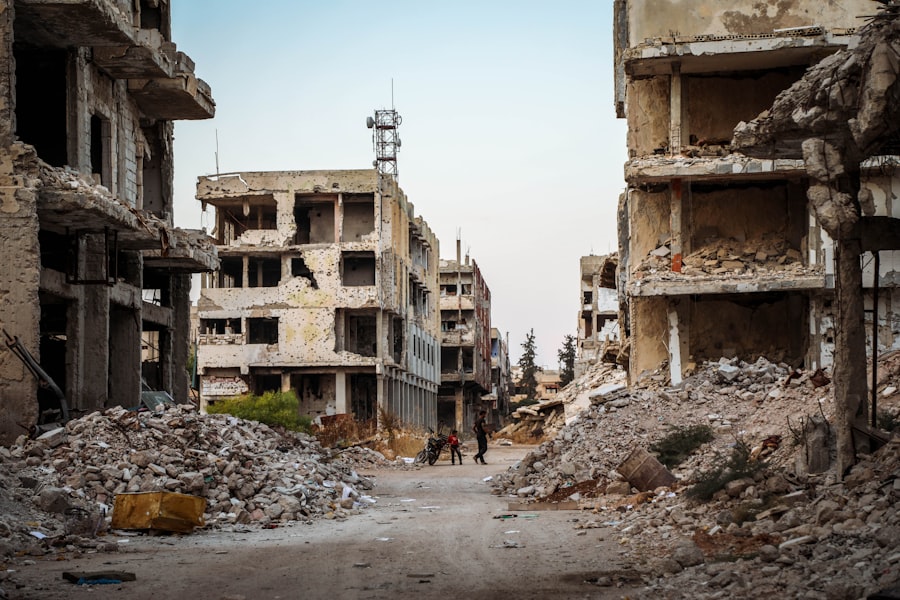
To comprehend the earthquake’s impact on San Ramon fully, it is essential to understand the geological factors contributing to seismic activity in the region. San Ramon is situated near several fault lines, including the Hayward Fault Zone, which is known for its potential to generate significant earthquakes. The movement of tectonic plates beneath the Earth’s surface creates stress along these fault lines, leading to sudden releases of energy in the form of seismic waves.
Seismologists utilize advanced technology to monitor seismic activity and assess potential risks associated with fault lines in California. By analyzing historical data and conducting geological surveys, researchers can better predict future seismic events and inform communities about preparedness measures. Understanding these scientific principles is crucial for residents as they navigate the challenges posed by living in an earthquake-prone area.
Historical Earthquake Activity in San Ramon
San Ramon’s history is marked by several notable seismic events that have shaped its development over time. The region has experienced minor tremors regularly; however, significant earthquakes have occurred intermittently throughout its history. Notably, the 1989 Loma Prieta earthquake had far-reaching effects on communities across Northern California, including San Ramon.
Historical records indicate that major earthquakes have prompted changes in building codes and land-use policies aimed at enhancing structural resilience. These lessons learned from past events have informed current preparedness strategies and recovery efforts following recent seismic activity. By examining historical patterns of earthquake activity, residents can gain insight into potential risks and take proactive measures to safeguard their homes and families.
Rebuilding and Reconstruction Efforts
As recovery efforts progressed, attention turned toward rebuilding and reconstruction initiatives aimed at restoring San Ramon to its pre-earthquake state while enhancing resilience against future seismic events. City planners collaborated with architects and engineers to develop reconstruction plans that adhered to updated building codes designed to withstand earthquakes more effectively. Financial assistance programs were established to support homeowners in rebuilding their properties with improved structural integrity.
Additionally, community input was solicited during planning meetings to ensure that reconstruction efforts aligned with residents’ needs and preferences. This collaborative approach not only facilitated a smoother rebuilding process but also fostered a sense of ownership among community members as they participated in shaping their city’s future.
Emotional and Psychological Impact on Residents
The emotional aftermath of an earthquake can be profound and long-lasting for affected individuals and families. Many residents experienced heightened anxiety levels following the seismic event, grappling with feelings of vulnerability and uncertainty about their safety. Reports of post-traumatic stress disorder (PTSD) symptoms emerged among those who had directly experienced the quake or witnessed its destructive effects.
To address these psychological challenges, mental health professionals offered counseling services tailored specifically for earthquake survivors. Support groups were established to provide safe spaces for individuals to share their experiences and coping strategies. Community workshops focused on resilience-building techniques aimed at helping residents navigate their emotional responses while fostering a sense of hope for recovery.
Lessons Learned and Future Preparedness
The recent earthquake served as a stark reminder of the importance of preparedness in mitigating risks associated with seismic events. Lessons learned from this experience prompted local authorities to reevaluate existing emergency response plans and enhance community engagement in disaster preparedness initiatives. Regular drills and educational campaigns became integral components of ongoing efforts to equip residents with knowledge about safety protocols.
Furthermore, collaboration between government agencies, non-profit organizations, and community members became essential in fostering a culture of preparedness within San Ramon. By sharing resources and expertise, stakeholders could develop comprehensive strategies that addressed both immediate needs during emergencies and long-term resilience-building efforts.
Resources and Support for Affected Residents
In response to the challenges faced by residents following the earthquake, various resources were made available to support recovery efforts. Local government agencies established hotlines for residents seeking information about assistance programs related to housing repairs, mental health services, and financial aid options. Non-profit organizations also played a vital role in providing resources such as food banks, counseling services, and legal assistance for those navigating insurance claims related to property damage.
In summary, the earthquake’s impact on San Ramon was profound, affecting both physical infrastructure and emotional well-being within the community. Local response efforts showcased resilience through collaboration among various stakeholders while emphasizing preparedness for future seismic events.
As residents navigate recovery processes together, they embody a spirit of solidarity that will undoubtedly shape their collective future in this earthquake-prone region.
In the context of earthquake preparedness and safety, it’s essential to stay informed about various related topics. For instance, you might find it interesting to read about the significance of federal holidays and how they can impact community awareness and readiness, as discussed in this article on federal holidays in March. Understanding the role of community events can help foster a culture of preparedness in areas prone to seismic activity, such as San Ramon.
FAQs
What causes earthquakes in the San Ramon area?
Earthquakes in the San Ramon area are primarily caused by the movement of tectonic plates along fault lines, particularly the nearby Hayward and Calaveras faults, which are part of the larger San Andreas Fault system.
How often do earthquakes occur in San Ramon?
San Ramon experiences small earthquakes frequently, but significant or damaging earthquakes are less common. The region is seismically active due to its proximity to major fault lines, so minor tremors can occur several times a year.
What magnitude of earthquakes can San Ramon expect?
San Ramon can experience earthquakes ranging from minor tremors (magnitude 2-3) to potentially larger events exceeding magnitude 6.0, depending on the activity along nearby faults.
Is San Ramon prepared for a major earthquake?
San Ramon has implemented various preparedness measures, including building codes designed to withstand seismic activity, emergency response plans, and public education programs to help residents prepare for earthquakes.
What should residents do during an earthquake in San Ramon?
During an earthquake, residents should drop to the ground, take cover under sturdy furniture or against an interior wall, and hold on until shaking stops. It is important to stay indoors away from windows and exterior walls.
Are there early warning systems for earthquakes in San Ramon?
Yes, San Ramon benefits from California’s earthquake early warning system, ShakeAlert, which can provide seconds to minutes of warning before shaking arrives, allowing people to take protective actions.
How can residents prepare for earthquakes in San Ramon?
Residents can prepare by securing heavy furniture, creating an emergency kit with food, water, and supplies, developing a family communication plan, and staying informed about local emergency procedures.
What should I do after an earthquake in San Ramon?
After an earthquake, check yourself and others for injuries, be prepared for aftershocks, inspect your home for damage, avoid using elevators, and follow instructions from local authorities and emergency services.