Now Reading: Understanding LED Light Therapy: Mechanism, Colors, Benefits and Risks
-
01
Understanding LED Light Therapy: Mechanism, Colors, Benefits and Risks
Understanding LED Light Therapy: Mechanism, Colors, Benefits and Risks

LED Light Therapy harnesses specific wavelengths of light to enhance skin health and stimulate healing. This therapy activates the body’s natural processes, aiding in collagen production and improving blood circulation. Different colors of light serve various purposes: red light deeply penetrates for inflammation reduction; blue light effectively tackles acne by killing harmful bacteria; green light soothes pigmentation issues, while yellow enhances elasticity and circulation. Infrared targets deeper layers for pain relief in muscles and joints. Despite its many benefits like skin rejuvenation and wound healing, risks such as temporary redness or sensitivity do exist, so consulting a healthcare provider before treatment is wise.
What is LED Light Therapy?
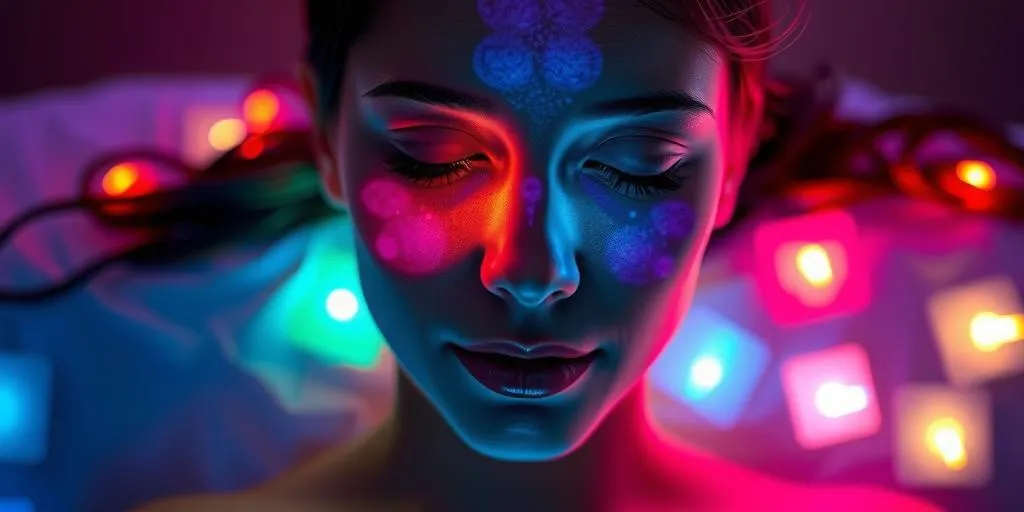
LED Light Therapy, or Light Emitting Diode Therapy, is a non-invasive treatment that uses specific wavelengths of light to address various skin and health issues. This therapy harnesses the power of light to penetrate the skin at different depths, activating the body’s natural healing processes. By stimulating cellular activity, LED therapy promotes collagen production, enhances circulation, and can significantly improve skin appearance and health. For instance, it is often used in dermatology clinics to treat acne, reduce signs of aging, and enhance overall skin texture. The therapy is generally painless and can be performed in a clinical setting or at home with handheld devices.
How LED Light Therapy Works
LED (Light Emitting Diode) Therapy operates by using specific wavelengths of light to penetrate the skin, which stimulates cellular activity. This process activates the body’s natural healing mechanisms, promoting collagen production and improving blood circulation. Each wavelength has a unique effect based on its penetration depth.
For instance, red light, which falls between 600-650 nm, can reach deeper layers of the skin and is known for its ability to stimulate collagen production, reduce inflammation, and promote healing. In contrast, blue light, at 405-420 nm, is particularly effective in treating acne by targeting the bacteria responsible for breakouts and decreasing oil production in the skin.
Similarly, green light (520-550 nm) is beneficial for addressing pigmentation issues, reducing redness, and evening out skin tone. Yellow light (590-620 nm) enhances skin elasticity and improves overall texture while boosting blood circulation. Infrared light (850-900 nm) penetrates even deeper into the skin, aiding in muscle recovery and alleviating pain related to joints and muscles.
Overall, the different colors of LED light therapy provide targeted benefits, making it a versatile treatment option for various skin concerns and pain relief.
Different Colors of LED Light and Their Effects
LED light therapy utilizes various colors of light to target specific skin concerns and promote healing. Each color has unique properties and effects on the skin. Red light, with a wavelength of 600-650 nm, penetrates deeply and stimulates collagen production, making it effective for reducing fine lines and promoting healing. Blue light, ranging from 405-420 nm, is particularly beneficial for acne treatment as it kills acne-causing bacteria and helps reduce excess oil production. Green light, at 520-550 nm, targets pigmentation issues, calming the skin while helping to reduce redness and even out skin tone. Yellow light, between 590-620 nm, enhances skin elasticity and improves overall texture by boosting circulation. Infrared light, which ranges from 850-900 nm, penetrates even deeper, aiding in muscle recovery and providing pain relief for joints and muscles. Understanding these color-specific effects allows individuals to choose the right therapy for their specific skin needs.
| Color | Wavelength (nm) | Effects |
|---|---|---|
| Red Light | 600-650 nm | Stimulates collagen production, reduces inflammation, promotes healing |
| Blue Light | 405-420 nm | Effective for acne treatment, kills acne-causing bacteria, reduces oil production |
| Green Light | 520-550 nm | Targets pigmentation issues, reduces redness, soothes skin |
| Yellow Light | 590-620 nm | Improves skin elasticity, reduces redness, enhances blood circulation |
| Infrared Light | 850-900 nm | Promotes muscle recovery, reduces pain, used for joint pain relief |
Benefits of LED Light Therapy

LED Light Therapy offers a range of benefits that cater to various skin concerns and overall wellness. One of the primary advantages is skin rejuvenation, where it improves skin tone and texture while reducing fine lines and wrinkles. For those dealing with wounds, this therapy can accelerate the healing of cuts, scars, and other skin injuries, making it a valuable option for post-surgery recovery or acne scarring.
Pain relief is another significant benefit, as LED therapy can alleviate chronic pain and inflammation, providing comfort for conditions like arthritis or muscle soreness. Moreover, blue light therapy is particularly effective for acne treatment, targeting the bacteria responsible for breakouts and helping to clear the skin effectively.
Improved circulation is another perk, as the light therapy enhances blood flow, promoting overall skin health and vitality. For instance, someone with rosacea may find that their skin appears calmer and less red after treatment, thanks to the circulation benefits. In summary, LED Light Therapy is a versatile treatment that can address multiple issues, from cosmetic concerns to pain management.
- Improves skin tone and texture
- Reduces signs of aging, such as fine lines and wrinkles
- Treats acne by reducing inflammation and bacteria
- Promotes wound healing and tissue repair
- Enhances collagen production for firmer skin
- Helps with pain relief and muscle recovery
- Reduces hyperpigmentation and uneven skin tone
Potential Risks of LED Light Therapy
LED Light Therapy is generally safe, but there are some potential risks to consider. One common issue is skin sensitivity; after treatment, some individuals may experience temporary redness or irritation. This is often mild and resolves quickly, but it can be uncomfortable for some. Additionally, the bright LED lights can be harmful to the eyes, making protective eyewear essential during sessions to prevent any damage.
Not everyone is a suitable candidate for LED therapy. People with certain skin conditions, such as photosensitivity disorders or those taking medications that increase sensitivity to light, should avoid this treatment. It’s also important to note that overusing LED therapy can lead to skin irritation or other adverse effects. For example, using high-intensity light too frequently might disrupt the skin barrier, leading to dryness or breakouts. Always consult with a healthcare provider to determine if LED Light Therapy is appropriate for your specific skin type and health conditions.
Who Should Avoid LED Light Therapy?
LED Light Therapy may not be suitable for everyone. Individuals with certain skin conditions such as eczema, psoriasis, or those with active infections should avoid this treatment, as it may exacerbate their conditions. Additionally, people with light sensitivity or those taking medications that increase sensitivity to light should consult with a healthcare provider before proceeding. Pregnant women and individuals with a history of seizures triggered by light should also avoid LED therapy. Lastly, if someone has recently undergone skin treatments like chemical peels or laser therapy, they should wait until their skin has fully healed before considering LED Light Therapy.
How to Use LED Light Therapy Safely
To use LED light therapy safely, start by choosing the right device. Home-use LED masks or handheld devices should be FDA-cleared for safety and effectiveness. Always follow the manufacturer’s instructions regarding the duration and frequency of use. Typically, sessions last between 10 to 30 minutes, several times a week. Ensure your skin is clean and free of any products before treatment to maximize the light’s effectiveness. If using blue light for acne, it’s advisable to use it on targeted areas rather than the whole face to prevent excessive dryness. Protect your eyes by wearing goggles specifically designed for light therapy, as bright lights can be harmful. If you experience any discomfort or unusual reactions, discontinue use and consult a healthcare professional. Lastly, keep in mind that patience is key; results may take several weeks of consistent treatments.
Frequently Asked Questions
1. How does LED light therapy work on my skin?
LED light therapy uses different colors of light to penetrate your skin at various depths. This stimulation helps to promote healing, reduce inflammation, and boost collagen production.
2. What are the different colors of LED light and what are their benefits?
Different colors of LED light have unique effects: red light helps with anti-aging and skin repair, blue light targets acne by killing bacteria, green light helps to reduce pigmentation issues, and yellow light improves overall skin tone.
3. Is LED light therapy safe for all skin types?
Yes, LED light therapy is generally safe for all skin types. It’s non-invasive and does not cause burns or damage, making it a gentle option for treating various skin concerns.
4. What are the possible side effects of LED light therapy?
Side effects are rare, but some people might experience mild redness or temporary sensitivity after treatment. These typically go away quickly and are not serious.
5. How often should I have LED light therapy sessions for best results?
For best results, it’s usually recommended to have LED light therapy sessions 2 to 3 times a week, depending on your skin’s needs and the specific treatment goal.
TL;DR LED Light Therapy uses specific wavelengths of light to enhance skin health and alleviate pain. Different colors target various issues: red for collagen production, blue for acne treatment, green for pigmentation, yellow for skin elasticity, and infrared for muscle recovery. Benefits include skin rejuvenation, wound healing, pain relief, and improved circulation. However, risks include skin sensitivity, eye harm, unsuitability for some individuals, and potential skin irritation from overuse. Consult a healthcare provider before starting treatment.