Now Reading: Top LED Face Masks You Need in 2025
-
01
Top LED Face Masks You Need in 2025
Top LED Face Masks You Need in 2025

LED face masks have become a revolutionary part of skincare, employing light-emitting diodes to tackle issues like acne, wrinkles, and pigmentation. They draw attention for being both non-invasive and effective. Several types exist: red light masks help with anti-aging by boosting collagen; blue light targets acne-causing bacteria; green light reduces pigmentation; and yellow/amber works on skin elasticity while calming redness. By 2025, we anticipate more customizable options that can connect to apps for tailored routines. Brands like Dr. Dennis Gross Skincare, Foreo UFO 2, and CurrentBody Skin are already leading the charge in this growing market focused on sustainability and user compatibility.
What Are LED Face Masks?
LED face masks are innovative skincare devices that utilize light-emitting diodes (LEDs) to address a variety of skin issues. These masks have surged in popularity due to their non-invasive nature and proven effectiveness in treating conditions such as acne, wrinkles, and pigmentation problems. By emitting specific wavelengths of light, each type of LED mask targets different skin concerns. For instance, red light masks are best known for their anti-aging properties, as they promote collagen production and help reduce fine lines and wrinkles. On the other hand, blue light masks focus on combating acne by targeting the bacteria responsible for breakouts. Other options include green light masks, which work to even out skin tone by reducing pigmentation, and yellow or amber light masks, which improve skin elasticity and reduce redness. As we look ahead to 2025, we can expect advancements in LED face masks, including increased customization for various skin types, integration with smart technology for personalized skincare routines, and a stronger emphasis on sustainability in materials and packaging.
Different Types of LED Masks
LED face masks come in a variety of types, each designed to address specific skin concerns. Red light masks are primarily used for anti-aging purposes; they stimulate collagen production, which helps reduce fine lines and wrinkles. On the other hand, blue light masks are effective for acne treatment, targeting the bacteria that cause breakouts. For those dealing with pigmentation issues, green light masks aim to even out skin tone and reduce dark spots. Yellow or amber light masks focus on improving skin elasticity and reducing redness, making them ideal for sensitive skin. As the technology evolves, we can expect more specialized masks tailored to unique skincare needs.
| Type | Purpose |
|---|---|
| Red Light Masks | Anti-aging, collagen stimulation, reducing fine lines and wrinkles |
| Blue Light Masks | Treating acne by targeting bacteria |
| Green Light Masks | Reducing pigmentation, evening skin tone |
| Yellow/Amber Light Masks | Improving skin elasticity, reducing redness |
Trends to Watch for in 2025
As we look ahead to 2025, several key trends are set to shape the world of LED face masks. One of the most significant shifts will be the increased customization options available to users. Future masks are expected to offer personalized settings tailored to individual skin types and concerns, allowing users to target specific issues more effectively.
Additionally, the integration of smart technology will likely revolutionize how we use these masks. By connecting to mobile apps, users can track their skincare progress, receive personalized advice, and adjust their treatment plans based on real-time feedback. This tech-savvy approach will make skincare more interactive and engaging.
Sustainability is also anticipated to play a major role in the development of LED face masks. Brands are expected to prioritize eco-friendly materials and packaging, aligning with the growing consumer demand for sustainable beauty products. This shift not only benefits the environment but also appeals to conscious consumers looking to make responsible choices.
Overall, the LED face mask market is poised for exciting advancements that will enhance user experience and effectiveness.
Top Brands for LED Face Masks
When it comes to LED face masks, several brands stand out for their innovative designs and effective technology. Dr. Dennis Gross Skincare is a leader in this space, offering advanced masks that target a variety of skin concerns, from fine lines to uneven texture. Their masks are known for combining multiple light therapies, providing a comprehensive skincare solution.
Another popular option is the Foreo UFO 2, a unique device that combines LED therapy with a fast facial treatment. This gadget not only uses light but also incorporates other skincare techniques, making it a favorite for those who want a quick yet effective routine.
CurrentBody Skin is also making waves with their clinically-backed LED mask. This brand focuses on user-friendly designs that deliver visible results, appealing to those new to LED therapy.
As the market evolves, expect these brands to enhance their offerings, potentially integrating smart technology for personalized skincare experiences and customization based on individual skin needs.
Choosing the Right LED Mask for Your Skin
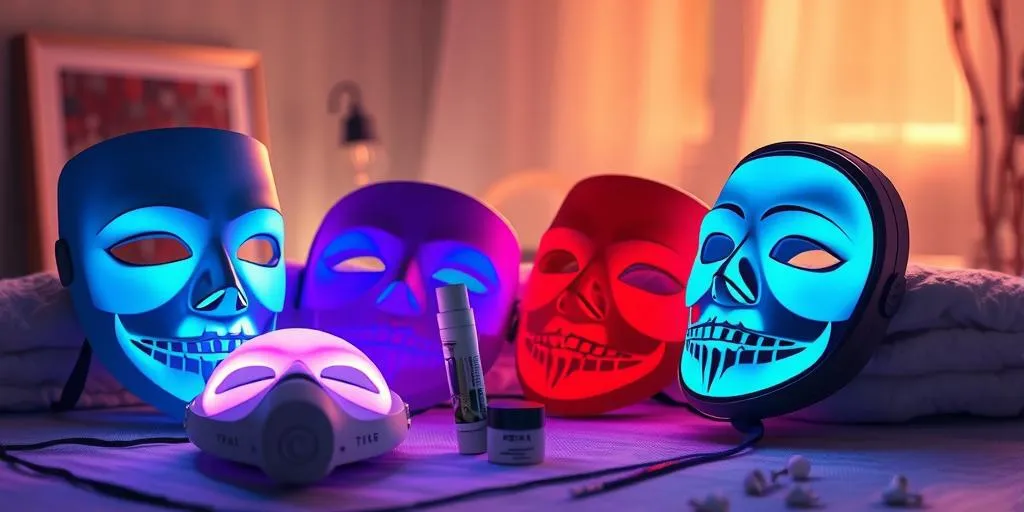
When selecting an LED face mask, it’s crucial to consider your specific skin type and concerns. For instance, if you struggle with acne, a blue light mask is an excellent choice as it targets acne-causing bacteria. On the other hand, if your primary concern is aging, red light masks are ideal because they stimulate collagen production and reduce the appearance of fine lines and wrinkles.
Additionally, many users find it helpful to look for masks that offer customizable settings. This feature allows you to adjust the light type and intensity according to your skin’s needs. For example, a mask that combines red and yellow light can improve skin elasticity while reducing redness, making it versatile for various concerns.
You should also pay attention to the recommended session length and frequency of use. Most masks suggest wearing them for 10 to 30 minutes several times a week. Following these guidelines can enhance the effectiveness of your treatments.
Furthermore, consider the brand’s reputation and the technology used in the mask. Brands like Dr. Dennis Gross Skincare and Foreo are known for their high-quality products backed by clinical studies. By choosing a reputable brand, you can ensure that you are investing in a mask that delivers results.
- Consider your skin type (oily, dry, sensitive)
- Look for specific wavelengths (red, blue, or green) for targeted treatment
- Check for adjustable settings to customize your experience
- Ensure the mask fits comfortably on your face
- Read reviews for effectiveness and comfort
- Look for FDA clearance or dermatological testing
- Consider the duration of use and how it fits into your skincare routine
How to Use LED Face Masks Effectively
To get the most out of your LED face mask, start by cleansing your face to remove any dirt, oil, or makeup. This prepares your skin to absorb the light more effectively. Next, choose the appropriate light setting based on your skin concerns. For instance, if you’re targeting acne, opt for the blue light mode. If anti-aging is your goal, the red light setting is ideal.
When using the mask, ensure it fits comfortably on your face, covering all areas you wish to treat. The recommended session length is typically between 10 to 30 minutes, and you should use the mask several times a week for optimal results. Some masks come with timers to help you keep track of your session length.
After your session, follow up with your regular skincare routine, such as applying serums or moisturizers, as these can enhance the effects of the LED treatment. It’s also essential to consider your skin type; those with sensitive skin may need to start with shorter sessions to gauge their skin’s reaction. Always consult the user manual for specific instructions related to your mask.
Future Innovations in LED Face Mask Technology
The future of LED face masks is set to be transformative, with several innovations on the horizon. One significant trend is the increased customization of masks. Imagine a mask that can be tailored to your specific skin type and concerns, allowing for a more personalized skincare experience. Users will likely be able to adjust settings based on their individual needs, whether it’s targeting wrinkles, acne, or pigmentation issues.
Integration with smart technology is another exciting development. Future LED masks may connect to mobile applications, enabling users to track their skin’s progress over time. These apps could provide personalized recommendations and reminders for use, enhancing the overall effectiveness of the treatment.
Sustainability is also becoming a priority in skincare. Many brands are expected to focus on eco-friendly materials and packaging, responding to the growing consumer demand for products that are kind to the planet. This shift could lead to the creation of LED masks that not only benefit the skin but are also environmentally responsible.
Examples of brands that might lead these innovations include Dr. Dennis Gross Skincare, known for its advanced technology, and CurrentBody Skin, which has already established itself with clinically backed products. As these advancements unfold, LED face masks will likely become an even more integral part of everyday skincare routines.
Frequently Asked Questions
1. How do LED face masks work for your skin?
LED face masks use different colors of light to target skin issues. Each color helps with things like wrinkles, acne, or redness by boosting cell activity and healing.
2. Are LED face masks safe for everyone to use?
Most people can use LED face masks safely, but those with certain skin conditions or sensitivities should talk to their doctor first.
3. How often should you use an LED face mask for best results?
For the best results, it’s usually recommended to use the LED face mask two to three times a week, but you should follow the instructions for your specific mask.
4. Can LED face masks help with acne?
Yes, certain colors of light, especially blue light, can help kill the bacteria that cause acne and reduce inflammation.
5. What should you do to prepare your skin before using an LED face mask?
Before using an LED face mask, it’s a good idea to cleanse your skin thoroughly to remove any makeup or dirt, so the light can penetrate your skin better.
TL;DR LED face masks are skincare devices using light therapy to treat various skin issues. Key types include red (anti-aging), blue (acne), green (pigmentation), and yellow/amber (elasticity). In 2025, expect more customization, smart technology integration, and eco-friendly options from leading brands like Dr. Dennis Gross Skincare and Foreo. Choose a mask based on your skin type and follow recommended usage for best results.