Now Reading: Tretinoin (topical application)
-
01
Tretinoin (topical application)
Tretinoin (topical application)

Tretinoin, known as all-trans retinoic acid, is a topical retinoid widely used in dermatology. It works by promoting skin cell turnover and normalizing the shedding process while modulating gene expression and boosting collagen production. This makes it effective for treating acne vulgaris, reducing fine wrinkles, and improving skin texture due to photoaging. Typically applied once daily in the evening on clean skin, patients should start with lower concentrations to avoid irritation. While Tretinoin offers many benefits like reducing blemishes and enhancing tone, common side effects such as redness and dryness may occur. Precautions are advised for those with hypersensitivity or during pregnancy.
What is Tretinoin?
Tretinoin, also known as all-trans retinoic acid, is a topical retinoid primarily used in dermatology. It is derived from vitamin A and is recognized for its effectiveness in treating various skin conditions. Tretinoin is commonly prescribed to help manage acne vulgaris, reduce the appearance of fine wrinkles, and address issues related to photoaging, such as hyperpigmentation and uneven skin texture. Its formulation allows it to penetrate the skin effectively, making it a popular choice for both dermatologists and patients seeking to improve their skin health.
How Tretinoin Works on the Skin
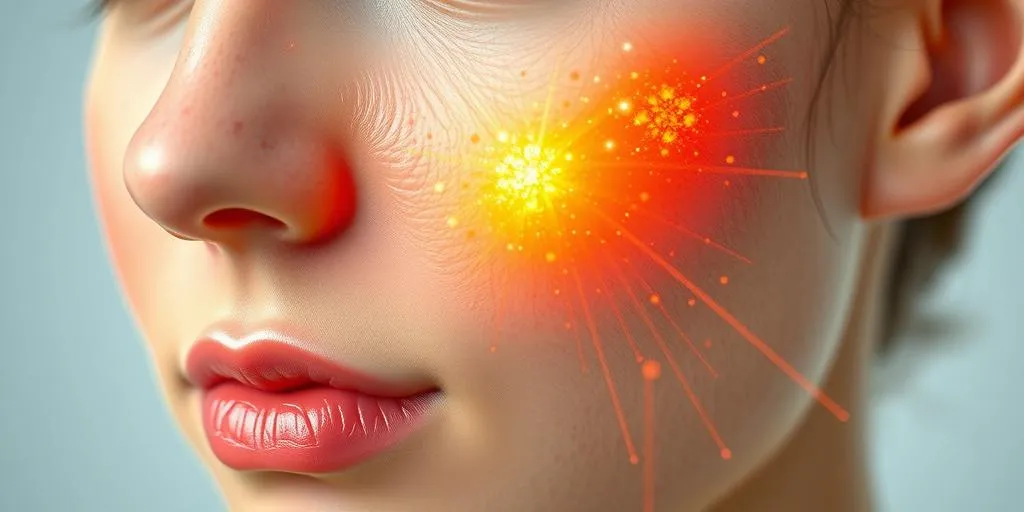
Tretinoin, a form of vitamin A, works primarily by promoting cell turnover in the skin. This means it helps skin cells shed more quickly, allowing new, healthy cells to come to the surface. By normalizing the shedding of dead skin cells, Tretinoin can prevent clogged pores, which is essential in treating acne. Additionally, Tretinoin influences gene expression related to skin health, enhancing the production of collagen, a protein crucial for maintaining skin elasticity and firmness. This collagen boost contributes to reducing fine lines and improving overall skin texture.
Moreover, Tretinoin has anti-inflammatory properties, which are beneficial in managing acne and can also help in reducing redness and irritation associated with skin conditions. For example, in acne treatment, Tretinoin not only helps clear existing breakouts but also prevents future ones by keeping pores clear. Its multifaceted action makes it effective not just for acne but also for addressing signs of aging and hyperpigmentation, making it a versatile tool in dermatology.
Conditions Treated with Tretinoin
Tretinoin is primarily used to treat acne vulgaris, a common skin condition characterized by pimples, blackheads, and cysts. By increasing cell turnover, it helps to prevent clogged pores and reduce the number of acne lesions. Additionally, tretinoin is effective in reducing the appearance of fine wrinkles and hyperpigmentation, making it a popular choice for those seeking anti-aging benefits. It also aids in managing photoaging, which refers to skin damage caused by sun exposure. This includes improvements in skin texture and tone, leading to a more youthful appearance. In some cases, dermatologists may prescribe tretinoin for other conditions like keratosis pilaris or certain types of skin discoloration. Its versatility in addressing various skin concerns underscores its importance in dermatological treatments.
| Condition | Description |
|---|---|
| Acne Vulgaris | Common skin condition characterized by the presence of pimples and cysts. |
| Hyperpigmentation | Dark spots and uneven skin tone often caused by sun damage or inflammation. |
| Fine Wrinkles | Small lines that appear on the skin, commonly associated with aging. |
| Photoaging | Skin changes due to prolonged sun exposure, including wrinkles and discoloration. |
| Skin Texture Improvement | Enhancement of overall skin smoothness and appearance. |
How to Use Tretinoin Effectively
To use Tretinoin effectively, start by applying it once daily in the evening after cleansing your face. Ensure your skin is completely dry before application, as wet skin can increase irritation. A pea-sized amount is usually sufficient for the entire face; gently spread it evenly over your skin, avoiding sensitive areas such as the eyes and corners of the mouth. It’s advisable to begin with a lower concentration of Tretinoin, gradually increasing as your skin builds tolerance. This helps minimize side effects like redness, peeling, and dryness.
Incorporating Tretinoin into your skincare routine can require some adjustments. For example, if you are using other active ingredients like alpha hydroxy acids (AHAs) or beta hydroxy acids (BHAs), consider alternating their use to prevent excessive irritation. Also, always apply a broad-spectrum sunscreen during the day since Tretinoin can make your skin more sensitive to sunlight. Consistency is key; results may take several weeks to appear, so patience and adherence to your regimen are essential for achieving the best outcomes.
Advantages of Using Tretinoin
Tretinoin offers several significant benefits that make it a popular choice in dermatology. One of the primary advantages is its effectiveness in treating acne. By promoting cell turnover, Tretinoin helps to prevent clogged pores and reduces the formation of acne lesions, leading to clearer skin over time. Additionally, Tretinoin is known for its ability to improve skin texture and tone. Regular use can smooth out rough patches and enhance overall skin appearance, which is particularly beneficial for individuals with uneven skin pigmentation or post-acne scars.
Another advantage of Tretinoin is its role in anti-aging. It stimulates collagen production, which helps to reduce the appearance of fine lines and wrinkles. Many users report a more youthful complexion and increased skin firmness after consistent application. Furthermore, Tretinoin’s anti-inflammatory properties make it effective in managing conditions such as rosacea, providing relief from redness and irritation.
The long-term benefits of Tretinoin are also noteworthy. Studies have shown that regular use can lead to sustained improvements in skin quality, making it a worthwhile investment in one’s skincare routine. Overall, Tretinoin stands out as a versatile treatment option that addresses multiple skin concerns, from acne to aging, making it a cornerstone in dermatological care.
- Encourages collagen production
- Reduces fine lines and wrinkles
- Improves skin texture
- Fades hyperpigmentation and dark spots
- Helps unclog pores and reduce acne
- Enhances overall skin radiance
- Speeds up cell turnover for fresher skin
Possible Side Effects of Tretinoin
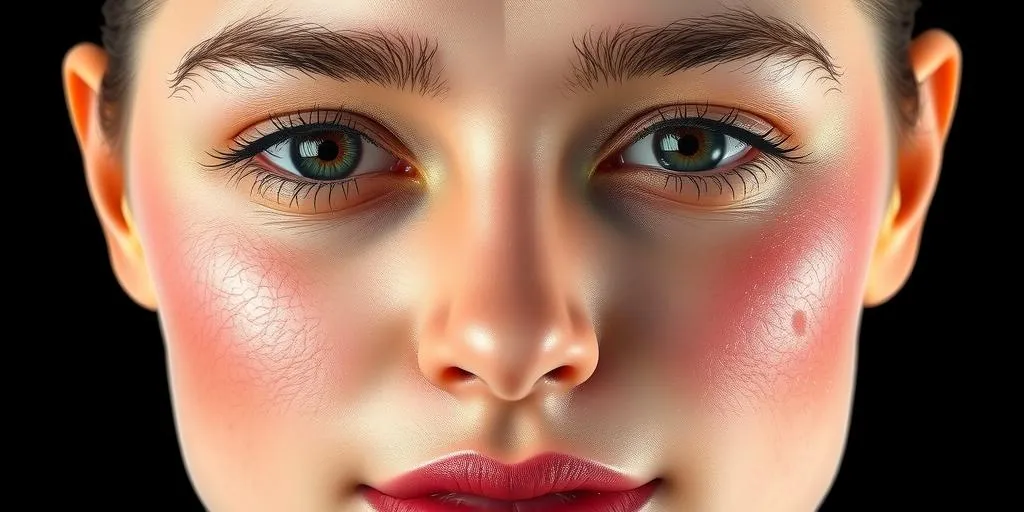
Tretinoin, while effective for treating various skin conditions, can lead to several side effects that users should be aware of. The most common side effects include skin irritation, redness, and peeling. Many users experience dryness, particularly during the initial weeks of treatment, as the skin adapts to the increased cell turnover. This can result in a feeling of tightness or flaking skin, which may be uncomfortable.
In addition to these common effects, tretinoin can make the skin more sensitive to sunlight, increasing the risk of sunburn. Therefore, it is crucial for users to apply a broad-spectrum sunscreen daily and limit sun exposure. Some individuals may experience allergic reactions, which can manifest as severe redness, swelling, or itching. If these symptoms occur, it is important to discontinue use and consult a healthcare provider.
Tretinoin can also exacerbate existing skin conditions, such as eczema, requiring caution for those with sensitive skin. When starting treatment, it is advisable to begin with a lower concentration of tretinoin to minimize these side effects, gradually increasing as the skin tolerates the medication. Understanding these potential side effects is essential for patients to manage their skincare routine effectively.
Who Should Avoid Tretinoin?
Certain individuals should avoid using Tretinoin to prevent adverse effects. Those with known hypersensitivity to Tretinoin or any of its components are at risk of allergic reactions, and should not use it. Pregnant women must also avoid Tretinoin due to its potential teratogenic effects, which can cause serious birth defects. Furthermore, individuals with eczema or other chronic skin conditions should use Tretinoin cautiously, as it may exacerbate their symptoms. Additionally, if someone is currently using other topical medications, particularly those that could irritate the skin, they should consult a healthcare provider before starting Tretinoin to avoid any harmful interactions.
Precautions When Using Tretinoin
When using Tretinoin, it is crucial to take certain precautions to ensure safe and effective treatment. Individuals with sensitive skin conditions, such as eczema or rosacea, should approach Tretinoin with caution, as it may exacerbate irritation. It’s advisable to consult a dermatologist before starting treatment if you have such conditions. Additionally, Tretinoin can interact with other topical medications. For instance, using it concurrently with products containing alpha hydroxy acids (AHAs) or beta hydroxy acids (BHAs) may increase the risk of irritation. Patients should discuss their entire skincare regimen with their healthcare provider to avoid potential complications.
Moreover, because Tretinoin can make the skin more sensitive to sunlight, it is essential to apply sunscreen daily and wear protective clothing when outdoors. This is particularly important during the initial stages of treatment when the skin may be more prone to burning. Pregnant women should avoid Tretinoin due to its potential teratogenic effects. Lastly, always start with a lower concentration of Tretinoin to assess tolerance, gradually increasing as advised by a healthcare professional.
Educating Patients on Tretinoin Use
Educating patients about the use of Tretinoin is crucial for maximizing its benefits while minimizing potential side effects. Patients should be informed that Tretinoin is a powerful topical retinoid that can significantly improve conditions like acne and signs of aging. It’s essential to explain that results may take time; often, visible improvements in skin texture and reduction in acne lesions can take several weeks to manifest.
Patients should be guided on the importance of consistent application, ideally once daily in the evening on clean, dry skin. Starting with a lower concentration can help reduce initial irritation, which is a common side effect. It is also vital to educate them on the importance of using sunscreen during the day, as Tretinoin can increase photosensitivity.
Furthermore, discussing skincare routines is important. Patients should avoid harsh cleansers or exfoliants that can exacerbate irritation. Encouraging them to listen to their skin and adjust their routine as needed can foster a better experience with the treatment.
Lastly, patients should feel comfortable discussing any concerns or side effects they experience, as open communication can lead to adjustments in their treatment plan for better outcomes.
Future of Tretinoin in Dermatology
The future of Tretinoin in dermatology looks promising with ongoing research and advancements in formulation. One area of interest is the development of new delivery systems that can enhance its efficacy while reducing side effects. For instance, encapsulating Tretinoin in liposomes or nanospheres may improve skin penetration and stability, potentially allowing for more effective treatment with lower concentrations. Moreover, combination therapies are gaining traction. Using Tretinoin alongside other agents like hyaluronic acid or antioxidants could synergistically improve skin hydration and enhance overall results.
Another exciting avenue is the exploration of Tretinoin’s role in treating other skin conditions beyond acne and aging. Preliminary studies suggest its potential in managing conditions like rosacea and psoriasis, indicating that its benefits may extend further than currently recognized. Additionally, the incorporation of Tretinoin in cosmetic formulations is on the rise, with products aimed at improving skin texture and tone becoming increasingly popular among consumers.
As dermatology continues to evolve, personalized medicine will play a significant role. Tailoring Tretinoin treatments based on individual skin types and specific concerns could lead to more effective outcomes. The integration of artificial intelligence in dermatology may assist in predicting responses to Tretinoin by analyzing patient data, leading to customized treatment plans.
Overall, the future of Tretinoin is set to expand its reach and enhance its effectiveness, solidifying its position as a staple in dermatological care.
Frequently Asked Questions
1. What is tretinoin and how does it work on the skin?
Tretinoin is a form of vitamin A that helps to improve skin texture and reduce acne. It works by speeding up cell turnover, helping to unclog pores and fade dark spots.
2. How should I apply tretinoin for the best results?
Apply a small amount of tretinoin to clean, dry skin, usually at night. Start with a pea-sized amount and gently spread it over the affected areas.
3. What are the common side effects of using tretinoin?
Common side effects include redness, dryness, and peeling of the skin. These usually lessen as your skin gets used to the treatment.
4. Can I use tretinoin with other skincare products?
Yes, but be cautious. Avoid using strong exfoliants or products with alcohol when using tretinoin, as they can increase irritation.
5. How long does it take to see results from tretinoin?
You may start to see improvements in your skin within 4 to 6 weeks, but it can take several months for full results.
TL;DR Tretinoin, a topical retinoid, is primarily used in dermatology to treat acne, reduce wrinkles, and manage photoaging. It enhances skin cell turnover, promotes collagen production, and has anti-inflammatory effects. Typically applied once daily, starting with a lower concentration is recommended to minimize irritation. Common side effects include skin redness and peeling, and it should be avoided during pregnancy. Patient education is crucial for adherence and understanding the delayed results. Tretinoin continues to be a key treatment in dermatology, with ongoing research into its broader applications.