Now Reading: Rising Cases of Respiratory Infections Reported in China
-
01
Rising Cases of Respiratory Infections Reported in China
Rising Cases of Respiratory Infections Reported in China
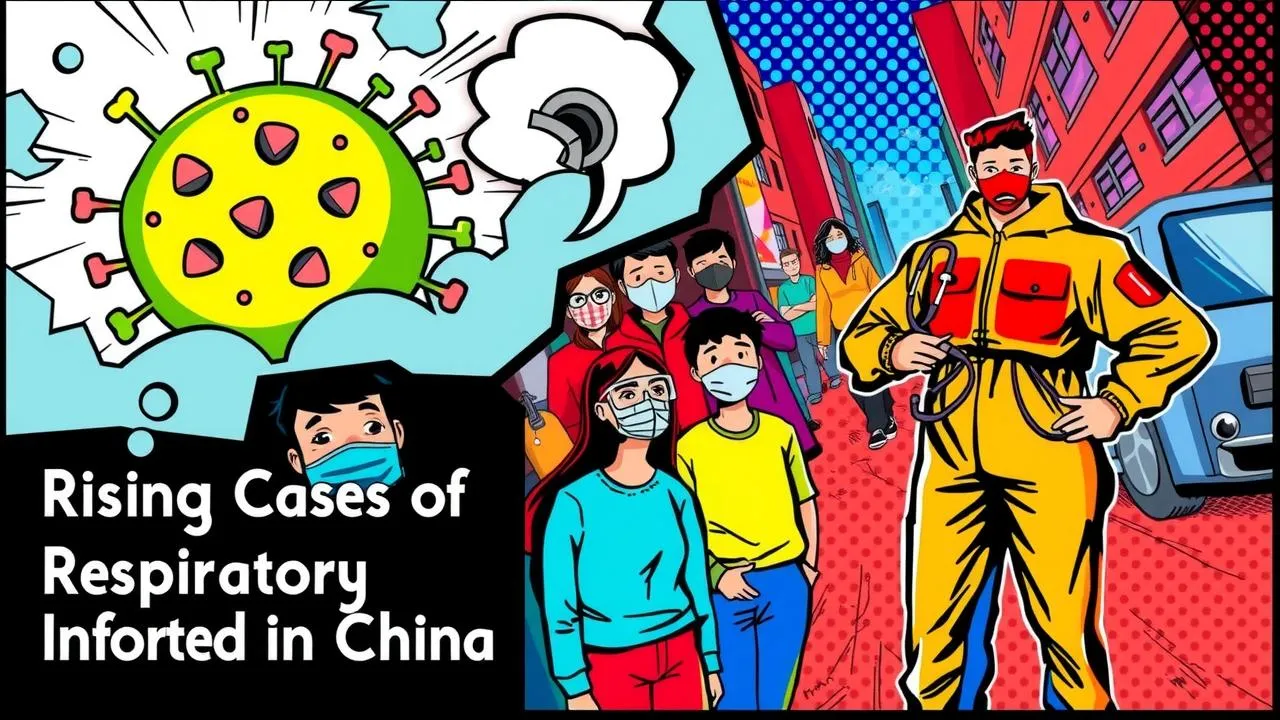
China is witnessing a concerning rise in respiratory infections, which include illnesses like influenza, pneumonia, and COVID-19. This uptick in cases during the fall of 2023 can be attributed to seasonal changes and increased indoor gatherings, alongside the lingering impacts of the pandemic. Health authorities are enhancing monitoring systems and launching public campaigns to promote vaccinations for preventable diseases. With many seasonal viruses resurfacing as COVID-19 precautions ease, demand for testing and treatment is stretching healthcare resources thin. Ongoing public education about symptoms and hygiene practices remains crucial for managing these rising infections effectively moving forward.
1. Overview of Respiratory Infections
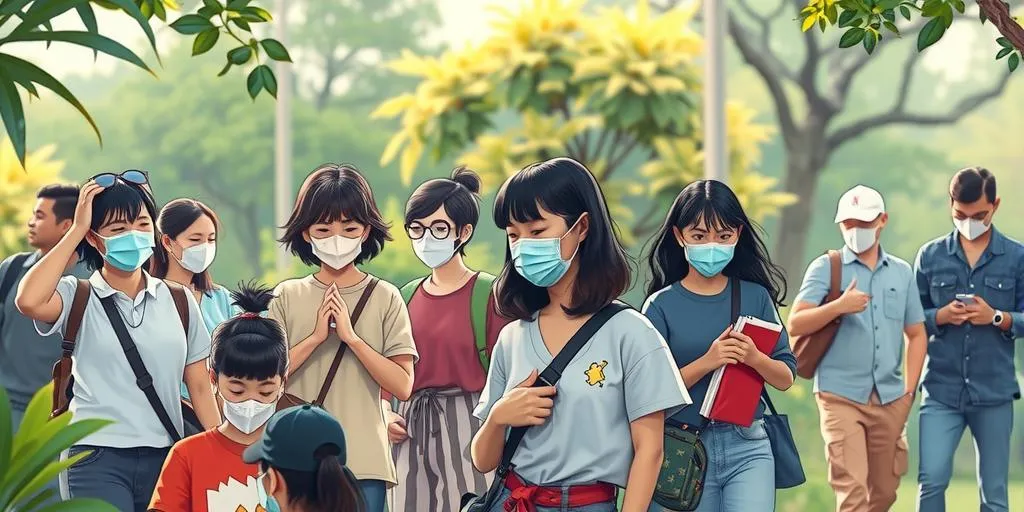
Respiratory infections are illnesses that affect the respiratory tract, which includes the nose, throat, and lungs. Common types of respiratory infections are influenza, pneumonia, and COVID-19. These infections can be caused by various pathogens like viruses, bacteria, or fungi. They are particularly common in areas where people are in close contact with one another, making densely populated regions more susceptible to outbreaks. Symptoms often include coughing, sneezing, difficulty breathing, and fever, which can lead to serious complications, especially in vulnerable populations such as the elderly and those with pre-existing health conditions. The seasonal nature of many respiratory infections means that they tend to peak during specific times of the year, often during colder months when people gather indoors more frequently.
2. Current Situation in China (October 2023)
As of October 2023, China is facing a significant rise in respiratory infections across various provinces. This surge can be attributed to several factors, including the seasonal transition into fall when respiratory illnesses typically peak. Increased indoor gatherings during this time also contribute to the spread of infections, as people are more likely to come into close contact with one another. Moreover, the lingering effects of the COVID-19 pandemic have altered the landscape of respiratory diseases, with some seasonal viruses making a comeback as restrictions are lifted. Health authorities are responding by enhancing monitoring systems to track infection rates and implementing public health campaigns to promote vaccination against influenza and COVID-19. The increased demand for testing and treatment for COVID-19 is putting additional pressure on healthcare resources, as hospitals and clinics work to manage the dual challenges of COVID-19 and other respiratory illnesses. Public health advisories are focusing on hygiene practices and the importance of vaccinations, aiming to curb the rising cases and protect the population.
| Province | Reported Cases | Percentage Increase | Contributing Factors |
|---|---|---|---|
| Beijing | 1500 | 25% | Seasonal changes, indoor gatherings |
| Shanghai | 1200 | 30% | Increased respiratory illnesses, COVID-19 effects |
| Guangdong | 900 | 20% | Density of population, climate change |
| Hubei | 700 | 15% | Post-lockdown gatherings, variation in temperature |
| Sichuan | 850 | 22% | School openings, flu season onset |
3. Health System Response to Rising Infections
Chinese health authorities have initiated a robust response to the rising cases of respiratory infections. They have enhanced their monitoring and reporting systems to closely track the spread of these illnesses across provinces. This includes real-time data collection to identify hotspots and allocate resources effectively. In response to the increasing threat, public health campaigns have been launched to promote vaccinations for influenza and other preventable respiratory diseases. For instance, local clinics are organizing vaccination drives, particularly targeting vulnerable populations such as the elderly and those with pre-existing health conditions.
Furthermore, the health system is responding to the increased demand for COVID-19 testing and treatment options, which has put pressure on healthcare facilities. To ease the burden, authorities are expanding testing facilities and providing training for healthcare workers to manage respiratory infections efficiently. Public health advisories encourage citizens to maintain hygiene practices, such as regular handwashing and wearing masks in crowded places, to curb transmission. Education efforts are also being ramped up to ensure that people recognize the symptoms of respiratory infections and seek medical help promptly. This comprehensive approach aims to mitigate the impact of rising respiratory infections and protect public health.
4. Impact of COVID-19 on Respiratory Illnesses

The COVID-19 pandemic has significantly changed the landscape of respiratory infections. As public health measures like social distancing and mask mandates have been relaxed, some seasonal viruses, such as influenza, have started to re-emerge. This resurgence is particularly notable in areas where these measures previously minimized the spread of such infections. Additionally, the ongoing presence of COVID-19 continues to affect healthcare systems, with increased demand for testing and treatment resources. Hospitals and clinics are experiencing strain as they manage both COVID-19 cases and other respiratory illnesses, which can lead to longer wait times and potentially impact patient outcomes. For instance, in the fall of 2023, many healthcare facilities reported challenges in balancing the care for COVID-19 patients and those suffering from other respiratory conditions, such as pneumonia and bronchitis. This dual burden emphasizes the need for health systems to adapt and prepare for the evolving nature of respiratory infections in a post-pandemic world.
5. Preventive Measures Against Respiratory Infections
Preventive measures play a crucial role in reducing the spread of respiratory infections in China. The government is actively promoting vaccination against influenza and COVID-19, which are essential tools in preventing severe illness. Citizens are encouraged to get vaccinated annually, particularly before the flu season and as new COVID-19 variants emerge.
In addition to vaccinations, public health advisories emphasize the importance of good hygiene practices. Regular handwashing with soap and water, or using hand sanitizer when soap is unavailable, can significantly reduce the transmission of viruses and bacteria. Wearing masks in crowded places, especially during the peak of respiratory infection season, is also recommended to lower the risk of infection.
Social distancing measures are encouraged during outbreaks, and individuals are advised to avoid close contact with sick individuals. Ensuring good ventilation in indoor spaces can also help reduce the concentration of pathogens in the air. For example, opening windows and using air purifiers can make a difference, particularly in homes and workplaces.
Public health campaigns are crucial in educating the population about recognizing the symptoms of respiratory infections, such as cough, fever, and difficulty breathing. This awareness can lead to timely medical attention, which is vital for managing symptoms and preventing further transmission.
Overall, a combination of vaccination, hygiene practices, and public awareness is essential in combating the rising cases of respiratory infections in China.
- Wash hands frequently with soap and water
- Use hand sanitizer when soap is not available
- Avoid close contact with individuals who are sick
- Wear masks in crowded or enclosed spaces
- Practice good respiratory hygiene, such as covering mouth and nose when coughing or sneezing
- Ensure proper ventilation in indoor spaces
- Get vaccinated against preventable respiratory diseases
6. Public Awareness and Education Initiatives
Public awareness is crucial in addressing the rising cases of respiratory infections in China. Campaigns are being launched to educate citizens about the signs and symptoms of these infections, emphasizing the importance of recognizing early warning signs. For instance, information on how to identify symptoms such as a persistent cough, fever, or difficulty breathing is being disseminated through various media channels.
Moreover, education initiatives stress the importance of timely medical consultations. Citizens are encouraged to seek medical attention promptly if they experience symptoms, which can lead to better outcomes and reduce the spread of infections.
Vaccination plays a key role in prevention, and public health campaigns are actively promoting vaccination against influenza and COVID-19. Schools, workplaces, and community centers are being targeted with information sessions to ensure that individuals understand the benefits of staying up to date with their vaccinations.
Additionally, the campaigns focus on preventive practices such as regular handwashing, maintaining good respiratory hygiene, and wearing masks in crowded places. By enhancing community knowledge and encouraging responsible health behaviors, these initiatives aim to empower individuals to take proactive steps in protecting their health and the health of others.
7. Ongoing Research and Monitoring Efforts
Research institutions and public health agencies in China are actively monitoring the rise in respiratory infections. They are studying infection trends to identify patterns that help in developing effective intervention strategies. For instance, data collection includes tracking the incidence of infections across different provinces and age groups. Continuous surveillance is vital for early detection of outbreaks, allowing for swift public health responses. Researchers are also investigating the impact of seasonal changes on infection rates, which can aid in predicting future surges. Collaboration with universities and global health organizations enhances the depth of research, ensuring that findings are shared and utilized effectively. This ongoing research not only supports immediate public health needs but also contributes to long-term strategies for managing respiratory infections.
8. International Collaboration on Health Issues
International collaboration plays a crucial role in addressing the rising cases of respiratory infections in China. The country actively works with global health organizations like the World Health Organization (WHO) to share data and best practices for controlling these infections. This cooperation allows for a more comprehensive understanding of the epidemiology of respiratory diseases, which can lead to more effective public health strategies. For instance, during outbreaks, shared data can help identify trends and inform timely interventions across borders.
Additionally, international partnerships facilitate research on vaccines and treatments, crucial for managing respiratory infections. Collaborative efforts can also improve preparedness for future pandemic threats. By learning from each other’s experiences, countries can enhance their response strategies and mitigate the impact of respiratory infections on public health. This collective approach ultimately aims to improve health outcomes not just in China but globally, emphasizing the interconnectedness of health security.
9. Future Outlook for Respiratory Infections
Experts predict that respiratory infections will continue to fluctuate seasonally, with potential spikes during colder months. The interplay of various factors, such as climate change and urbanization, could influence infection patterns in the coming years. For example, increased indoor gatherings during the winter may heighten the spread of viruses like influenza and RSV. Ongoing vigilance will be essential, and public health strategies must adapt to emerging trends. This includes maintaining robust vaccination programs and enhancing public health messaging. To better prepare for future surges, health authorities will need to rely on data-driven approaches to monitor infections and allocate resources effectively.
Frequently Asked Questions
1. What are respiratory infections and how do they spread?
Respiratory infections are illnesses that affect the airways and lungs, like colds or flu. They spread through tiny droplets when someone coughs or sneezes, or by touching contaminated surfaces.
2. Why are respiratory infections on the rise in China right now?
The rise in respiratory infections in China could be due to various factors, such as changes in weather, increased social interactions, or the presence of new viruses.
3. What are the common symptoms of respiratory infections?
Common symptoms include coughing, sneezing, sore throat, runny nose, fever, and difficulty breathing. Some cases can be more severe, especially in vulnerable populations.
4. How can I protect myself from respiratory infections?
To protect yourself, wash your hands frequently, avoid close contact with sick individuals, wear a mask in crowded places, and get vaccinated if possible.
5. What should I do if I think I have a respiratory infection?
If you think you have a respiratory infection, it’s best to rest, drink plenty of fluids, and consult a healthcare provider, especially if symptoms worsen or if you have pre-existing health issues.
TL;DR China is experiencing a rise in respiratory infections as of October 2023, influenced by seasonal changes and the impact of COVID-19. Health authorities are enhancing monitoring and promoting vaccinations, while public awareness campaigns are informing citizens about prevention and the importance of seeking medical attention. Ongoing research and international collaboration aim to manage future outbreaks effectively.