Now Reading: CDC’s Role in Addressing Virus In China
-
01
CDC’s Role in Addressing Virus In China
CDC’s Role in Addressing Virus In China
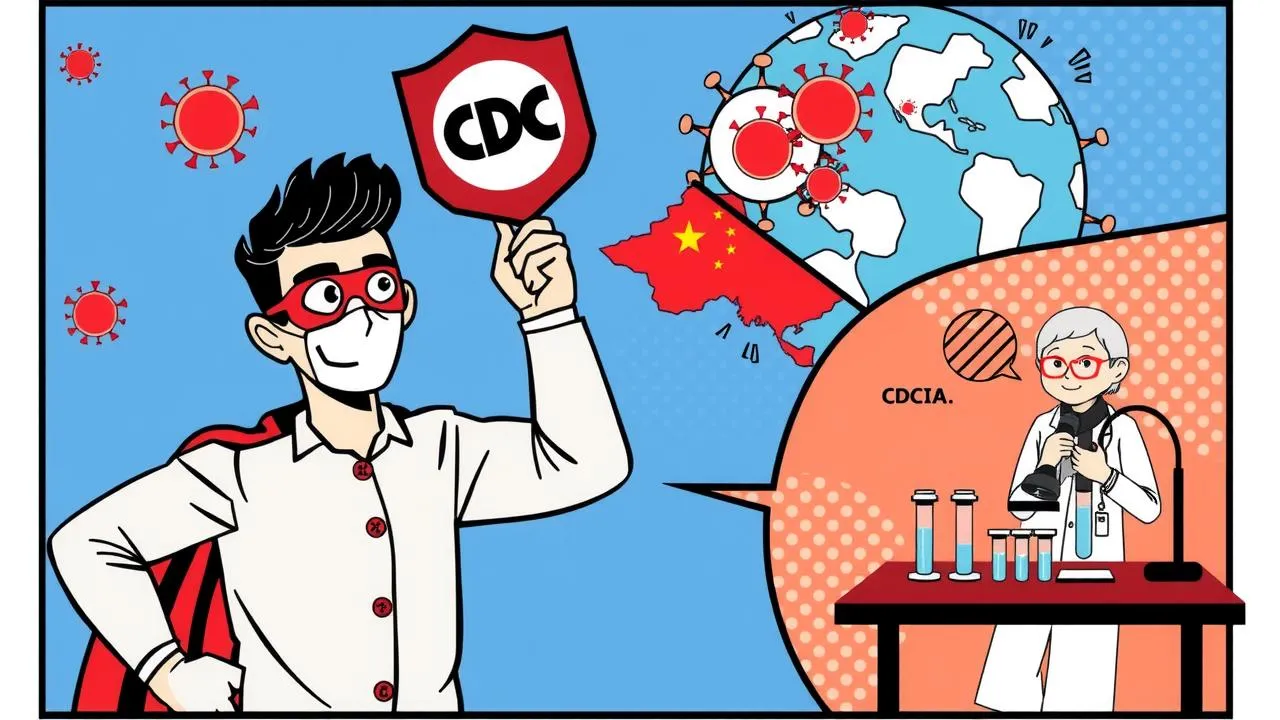
The CDC plays a vital role in addressing viruses in China through various global health security initiatives. By collaborating with international partners like the World Health Organization (WHO), the CDC strengthens local health systems and improves virus detection. They have set up surveillance systems to monitor emerging infectious diseases and support Chinese authorities in enhancing their response capabilities. Additionally, the CDC engages in research partnerships to study viral transmission, offering training for healthcare professionals to better manage outbreaks. Their efforts also include vaccine development, public health communication, and emergency preparedness planning to effectively tackle potential viral threats and improve overall health security.
Global Health Security Initiatives

The CDC plays a vital role in global health security, focusing on viral outbreaks in various countries, including China. By collaborating with international organizations like the World Health Organization (WHO), the CDC strengthens health systems and enhances disease detection and response capabilities. Through the establishment of surveillance systems, the CDC monitors emerging infectious diseases in China, collecting and analyzing data that aids in early detection and effective response. This support extends to local health authorities, helping them improve their surveillance and response capacities.
In addition to surveillance, the CDC engages in research partnerships with Chinese health institutions to study viral pathogens and their transmission dynamics. This collaborative research is crucial for understanding the epidemiology of viruses, which informs public health policies and preventive measures. The CDC also focuses on capacity building by providing training and resources to health professionals in China, ensuring they are equipped to manage and control viral outbreaks effectively.
The CDC’s involvement in specific outbreaks, such as H7N9 avian influenza and COVID-19, demonstrates its commitment to addressing health crises. During the COVID-19 pandemic, the CDC worked closely with Chinese authorities to share information and best practices, enhancing the overall response to the outbreak. Furthermore, the CDC supports vaccine development and equitable distribution efforts, ensuring that vulnerable populations have access to necessary vaccines.
Public health communication is another critical aspect of the CDC’s initiatives. By using digital platforms and traditional media, the CDC disseminates information about viral threats and preventive measures to the Chinese public. This effort helps educate people on health risks and the importance of vaccination.
Monitoring and evaluation of health programs are integral to refining strategies that address viral outbreaks. The CDC conducts evaluations to assess the effectiveness of various interventions, ensuring resources are allocated effectively. Additionally, the CDC collaborates with Chinese officials to develop emergency preparedness plans, focusing on scenario planning and coordination among health agencies.
Through these comprehensive global health security initiatives, the CDC demonstrates its dedication to combating viral outbreaks and promoting health security both in China and worldwide.
Surveillance and Response Systems

The CDC has implemented robust surveillance systems to effectively monitor emerging infectious diseases in China. This involves the systematic collection and analysis of data regarding viral outbreaks, which is essential for early detection and timely responses. For example, during the H7N9 avian influenza outbreak, these surveillance efforts were crucial in identifying and tracking the spread of the virus. The CDC collaborates closely with local health authorities in China, enhancing their capabilities to manage and respond to infectious diseases. This partnership extends to training initiatives that empower health professionals with the knowledge and skills necessary to control outbreaks efficiently. Furthermore, the CDC’s ongoing evaluation of health programs ensures that strategies remain effective, allowing for rapid adjustments in response to new challenges. By fostering strong surveillance and response systems, the CDC plays a vital role in mitigating the impact of viral threats in China.
Collaborative Research Efforts

The CDC actively engages in collaborative research initiatives with health institutions in China to better understand viral pathogens and their transmission. This partnership is vital for studying the dynamics of emerging viruses, which can inform strategies for prevention and control. For instance, during the H7N9 avian influenza outbreak, research collaborations helped in identifying the virus’s genetic characteristics and potential transmission routes, leading to more effective public health responses. Moreover, by sharing knowledge and resources, both the CDC and Chinese researchers can enhance their understanding of viral epidemiology, ultimately contributing to improved public health policies and practices in the region. These collaborative efforts also include joint studies on vaccine efficacy and the development of new diagnostic tools that are essential for rapid response to future outbreaks.
Capacity Building for Health Professionals
The CDC plays a vital role in enhancing the skills and knowledge of health professionals in China. By providing targeted training programs and resources, the CDC helps healthcare workers improve their abilities to manage viral outbreaks effectively. For instance, they organize workshops that cover essential topics such as outbreak investigation, laboratory techniques, and disease prevention strategies. In addition to hands-on training, the CDC develops comprehensive training materials that local health authorities can use to further educate their staff. This capacity building is crucial in ensuring that health professionals are equipped to respond swiftly and efficiently to emerging viral threats, ultimately contributing to stronger public health systems in China.
Response to Specific Viral Outbreaks
The CDC has played a pivotal role in addressing specific viral outbreaks in China, particularly during significant events like the H7N9 avian influenza and the COVID-19 pandemic. In the case of H7N9, the CDC worked closely with Chinese health authorities to monitor the virus’s spread and develop strategies to mitigate its impact on public health. This involved sharing critical information about the virus’s transmission and the best practices for controlling outbreaks. During the COVID-19 pandemic, the CDC intensified its collaboration with Chinese officials, providing expertise on testing protocols, contact tracing, and public health measures. They helped disseminate information on how to manage the outbreak effectively, aiming to reduce infection rates and save lives. These collaborative efforts highlight the importance of international cooperation in tackling viral threats that can have widespread consequences.
Vaccine Development and Distribution
The CDC plays a vital role in supporting vaccine development and ensuring their distribution in China, especially during outbreaks of infectious diseases. Their initiatives focus on fostering collaboration between American and Chinese researchers to accelerate the development of effective vaccines. For instance, during the COVID-19 pandemic, the CDC worked to facilitate partnerships that aimed to create vaccines tailored to combat the virus effectively within the Chinese population. Furthermore, the CDC emphasizes equitable access to vaccines, particularly for vulnerable groups who may be disproportionately affected by viral outbreaks. This involves not just facilitating the logistics of vaccine distribution but also working with local health authorities to ensure that vaccination campaigns reach those most in need. By providing guidance on best practices for immunization and supporting public health campaigns, the CDC helps to enhance the overall vaccination efforts in China, contributing to the global fight against infectious diseases.
| Initiative | Description | Impact |
|---|---|---|
| Support for Vaccine Development | The CDC supports initiatives for developing vaccines against viruses affecting China. | Facilitates rapid development of effective vaccines. |
| Equitable Distribution | Efforts to ensure vaccines are accessible to vulnerable populations in China. | Increases vaccination rates and protects at-risk groups. |
| Collaborative Efforts | Working with local health authorities and international partners for vaccine rollout. | Enhances the effectiveness of vaccination campaigns. |
Public Health Communication Strategies
The CDC employs various public health communication strategies to effectively inform the Chinese public about viral threats and preventive measures. Utilizing both digital platforms and traditional media, the CDC disseminates critical information on health risks and available vaccines. For instance, during the COVID-19 pandemic, the CDC collaborated with local health authorities to launch awareness campaigns, emphasizing mask-wearing, social distancing, and vaccination. These campaigns targeted diverse audiences, ensuring that messages reached urban and rural populations alike. Moreover, the CDC leverages social media to engage younger demographics, presenting information in engaging formats such as infographics and videos. By promoting clarity and accessibility, these communication efforts aim to foster public trust and encourage proactive health behaviors among the population.
- Developing clear, consistent messaging
- Using multiple communication channels (social media, press releases, public service announcements)
- Engaging with local communities for tailored messaging
- Training spokespeople for media interactions
- Providing updates in multiple languages
- Creating informative educational materials (brochures, infographics)
- Utilizing data visualization to convey health statistics
Monitoring and Evaluation of Health Programs
The CDC plays a vital role in monitoring and evaluating health programs aimed at controlling viral outbreaks in China. By conducting thorough assessments of various public health interventions, the CDC ensures that these strategies are effective and meet their intended goals. For instance, after the outbreak of H7N9 avian influenza, the CDC evaluated the response measures implemented by local health authorities. This evaluation involved analyzing data on infection rates, public awareness campaigns, and healthcare access to determine what worked well and what needed improvement.
These evaluations are crucial for refining strategies and optimizing the allocation of resources. When the COVID-19 pandemic hit, the CDC’s monitoring efforts helped identify gaps in surveillance and response, enabling timely adjustments to public health protocols. By continuously assessing the effectiveness of their programs, the CDC supports the development of best practices that can be shared with health officials in China and other countries facing similar challenges. This ongoing commitment to evaluation and improvement is essential for enhancing overall health security and ensuring that communities are better prepared for future outbreaks.
Emergency Preparedness Plans
The CDC collaborates with Chinese health officials to create emergency preparedness plans aimed at effectively responding to potential viral outbreaks. These plans involve careful scenario planning, where possible outbreaks are simulated to identify gaps in response strategies. For example, during the early stages of the COVID-19 pandemic, the CDC worked with local authorities to assess readiness levels and allocate necessary resources such as testing kits and personal protective equipment. The coordination among various health agencies is crucial, ensuring that all parties are informed and can act swiftly in the event of an outbreak. This comprehensive approach helps to minimize the impact of viruses and safeguard public health.
International Collaboration Against Viral Threats
The CDC’s international collaboration is key in combating viral threats, particularly those emerging from China. By working alongside the World Health Organization and local health authorities, the CDC helps to enhance disease detection and response systems. For instance, during the COVID-19 pandemic, the CDC shared critical information with Chinese health officials to improve response efforts. Collaborations extend to research partnerships aimed at understanding viral transmission, which informs preventive measures and public health policies. Training programs for healthcare workers in China further bolster the country’s ability to manage outbreaks. This multi-faceted approach not only aids in immediate responses but also builds long-term capacity to tackle future viral threats.
Frequently Asked Questions
1. What is the CDC and what do they do about viruses?
The CDC, or Centers for Disease Control and Prevention, is a U.S. government agency that helps protect public health by responding to outbreaks and spreading information about viruses.
2. How does the CDC track viruses in China?
The CDC tracks viruses in China by collaborating with international health organizations, reviewing reports, and using data from labs and hospitals to monitor the situation.
3. What actions has the CDC taken regarding viruses from China?
The CDC has taken actions like issuing travel advisories, screening travelers at airports, and sharing information with local health departments to prepare for and respond to potential outbreaks.
4. Can the CDC influence virus response in China?
While the CDC cannot directly control how China responds to viruses, they can offer guidance and support through partnerships and share scientific research to help manage the situation.
5. How can I find updates from the CDC about viruses?
You can find updates on the CDC’s official website or follow their social media channels, where they post the latest information on viruses and public health.
TL;DR The CDC plays a vital role in addressing viral outbreaks in China through global health security initiatives, surveillance systems, collaborative research, capacity building for health professionals, and response to specific outbreaks like H7N9 and COVID-19. They support vaccine development and equitable distribution, engage in public health communication, monitor and evaluate health programs, and enhance emergency preparedness. The CDC’s efforts emphasize international collaboration to combat global viral threats.