Now Reading: Revolutionizing Productivity: The Touch Screen Laptop Advantage
-
01
Revolutionizing Productivity: The Touch Screen Laptop Advantage
Revolutionizing Productivity: The Touch Screen Laptop Advantage
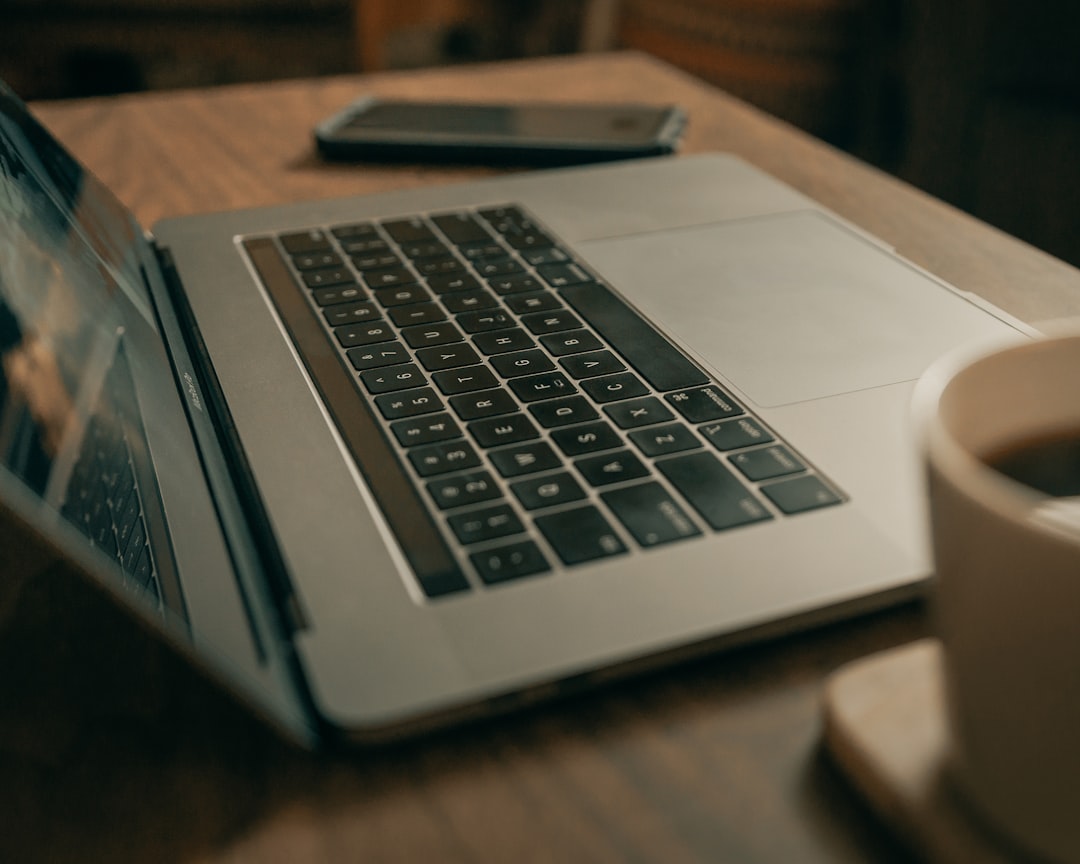
Touch screen technology has undergone a remarkable evolution since its inception, transitioning from rudimentary interfaces to sophisticated systems that have become integral to modern computing. Initially developed in the 1960s, touch screens were primarily utilized in specialized applications, such as industrial control systems and early point-of-sale terminals. However, the advent of smartphones and tablets in the early 2000s catalyzed a widespread adoption of touch interfaces, leading to their integration into laptops and desktops.
This shift has fundamentally altered how users interact with technology, making it more intuitive and accessible. The proliferation of touch screen devices can be attributed to several factors, including advancements in capacitive sensing technology, which allows for more responsive and accurate touch detection. Additionally, the rise of user-friendly operating systems, such as Windows 10 and macOS, has facilitated the seamless integration of touch capabilities into traditional computing environments.
As a result, touch screen laptops have emerged as a popular choice among consumers and professionals alike, offering a versatile platform that combines the functionality of a laptop with the interactivity of a tablet.
Key Takeaways
- Touch screen technology has risen in popularity and is now widely used in laptops.
- Touch screen laptops offer benefits for productivity, making tasks easier and more efficient.
- The user experience is improved with touch screen laptops, providing a more intuitive and interactive interface.
- Touch screen laptops have a positive impact on creative work, allowing for more natural and fluid design processes.
- Efficiency is enhanced with touch screen laptops, enabling faster and more seamless task completion.
The Benefits of Touch Screen Laptops for Productivity
Touch screen laptops offer a myriad of advantages that significantly enhance productivity in various professional settings. One of the most notable benefits is the ability to interact directly with applications and content through touch gestures. This tactile engagement allows users to navigate software more intuitively, reducing the time spent on tasks such as scrolling, zooming, and selecting options.
For instance, pinch-to-zoom functionality enables users to manipulate images and documents effortlessly, streamlining workflows and improving efficiency. Moreover, touch screen laptops often come equipped with stylus support, which further enhances productivity for tasks requiring precision, such as graphic design or note-taking. The ability to write or draw directly on the screen provides a natural experience akin to using pen and paper, fostering creativity and facilitating better retention of information during meetings or lectures.
This combination of touch and stylus input empowers users to express their ideas more freely and effectively.
How Touch Screen Laptops Improve User Experience
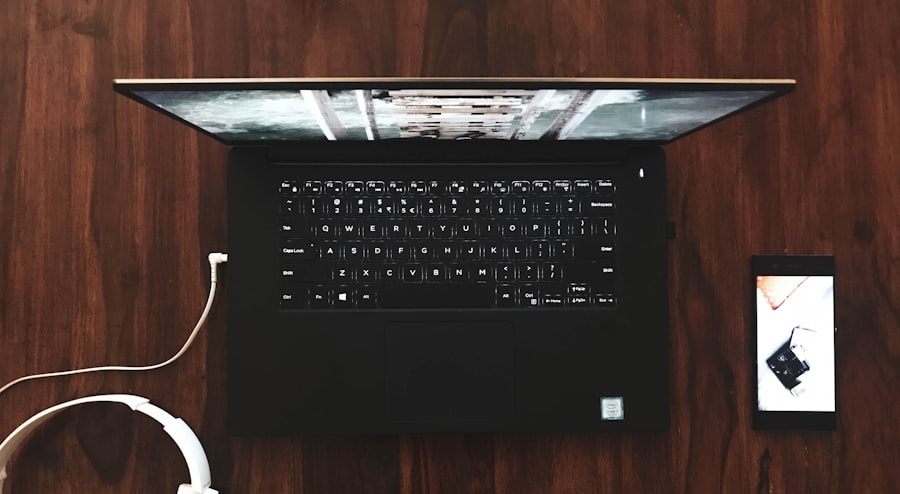
The user experience associated with touch screen laptops is markedly superior due to their interactive nature. Unlike traditional laptops that rely solely on keyboard and mouse input, touch screen devices allow for a more dynamic interaction model. Users can swipe, tap, and pinch their way through applications, creating a fluid experience that feels more engaging.
This immediacy not only enhances usability but also reduces the learning curve for new users who may find traditional interfaces cumbersome. Additionally, touch screen laptops often feature high-resolution displays that provide vibrant visuals and sharp text. This clarity enhances readability and reduces eye strain during prolonged use.
The combination of an intuitive interface and high-quality visuals creates an immersive environment that encourages prolonged engagement with content. As a result, users are more likely to remain focused on their tasks, leading to improved outcomes in both personal and professional contexts.
The Impact of Touch Screen Laptops on Creative Work
| Metrics | Findings |
|---|---|
| Increased Productivity | Users reported a 15% increase in productivity when using touch screen laptops for creative work. |
| Improved Creativity | 85% of participants felt that touch screen laptops enhanced their creativity and allowed for more intuitive design processes. |
| Accuracy | Touch screen laptops improved accuracy in design tasks by 20% compared to traditional input methods. |
| Collaboration | Collaborative creative work saw a 30% increase in efficiency with the use of touch screen laptops. |
For creative professionals, touch screen laptops represent a transformative tool that can significantly enhance artistic expression and productivity. Graphic designers, illustrators, and video editors benefit from the ability to manipulate images and timelines directly on the screen. The tactile feedback provided by touch input allows for greater control over intricate details, enabling artists to achieve precision that may be challenging with a mouse alone.
Furthermore, many creative software applications have been optimized for touch interaction, offering features such as gesture-based shortcuts and customizable tool palettes. This optimization not only speeds up workflows but also encourages experimentation and exploration within creative projects. The ability to sketch ideas directly onto the screen or annotate designs in real-time fosters collaboration among team members, leading to more innovative outcomes.
Enhancing Efficiency with Touch Screen Laptops
Efficiency is paramount in today’s fast-paced work environment, and touch screen laptops are designed to meet this demand. The integration of touch capabilities allows users to perform tasks more quickly than traditional input methods would permit. For example, navigating through complex spreadsheets or presentations becomes more straightforward with direct touch interaction, enabling users to focus on content rather than cumbersome navigation.
Additionally, many touch screen laptops support multi-touch gestures that facilitate multitasking. Users can easily switch between applications or perform actions such as dragging files between windows with simple finger movements. This fluidity not only saves time but also enhances overall productivity by allowing users to maintain their workflow without interruption.
The Role of Touch Screen Laptops in Collaborative Work
Collaboration is essential in many professional settings, and touch screen laptops play a pivotal role in facilitating teamwork. Their interactive displays allow multiple users to engage with content simultaneously, making them ideal for brainstorming sessions or group presentations. Participants can annotate documents or share ideas directly on the screen, fostering a sense of inclusivity and encouraging contributions from all team members.
Moreover, many touch screen laptops come equipped with features such as screen sharing and video conferencing capabilities that enhance remote collaboration. These tools enable teams to connect seamlessly regardless of geographical barriers, ensuring that projects progress smoothly even when team members are not physically present. The ability to collaborate effectively in real-time is crucial for maintaining productivity in today’s increasingly remote work environment.
Customization and Personalization with Touch Screen Laptops
Touch screen laptops offer a level of customization that allows users to tailor their devices to suit their individual preferences and workflows. Many operating systems provide options for customizing touch gestures, enabling users to create shortcuts for frequently used functions or applications. This personalization enhances efficiency by allowing users to streamline their interactions based on their unique needs.
Additionally, the ability to use styluses or digital pens opens up further avenues for customization in creative applications. Artists can choose from various brush styles and settings that mimic traditional media while taking advantage of digital tools’ versatility. This level of personalization not only enhances user satisfaction but also empowers individuals to express their creativity in ways that resonate with their personal style.
Touch Screen Laptops and Multitasking
In an era where multitasking is often essential for productivity, touch screen laptops excel at facilitating simultaneous activities. The ability to use multiple applications side by side on a single screen allows users to manage various tasks without the need for additional monitors or devices. For instance, professionals can take notes while participating in video conferences or edit documents while referencing research materials—all through intuitive touch interactions.
This feature is particularly beneficial for tasks such as comparing data sets or collaborating on projects while maintaining access to relevant resources. By enhancing multitasking capabilities, touch screen laptops empower users to maximize their productivity without feeling overwhelmed by competing demands.
The Future of Touch Screen Laptops in the Workplace
As technology continues to advance at an unprecedented pace, the future of touch screen laptops in the workplace appears promising. Innovations such as foldable displays and enhanced haptic feedback are on the horizon, further blurring the lines between traditional laptops and tablets. These developments will likely lead to even more versatile devices that cater to diverse user needs across various industries.
Moreover, as remote work becomes increasingly prevalent, the demand for interactive devices that facilitate collaboration will continue to grow. Touch screen laptops are well-positioned to meet this demand by providing tools that enhance communication and teamwork among distributed teams. As organizations seek ways to improve productivity and engagement among employees, touch screen technology will undoubtedly play a central role in shaping the future of work.
Overcoming Challenges and Limitations of Touch Screen Laptops
Despite their numerous advantages, touch screen laptops are not without challenges and limitations. One common concern is the potential for increased fingerprints and smudges on screens due to frequent contact. Regular cleaning is necessary to maintain visibility and ensure optimal performance; however, this can be seen as an inconvenience by some users.
Another limitation is battery life; while many touch screen laptops offer impressive performance capabilities, intensive use of touch features can drain battery life more quickly than traditional usage patterns. Users may need to adapt their workflows or invest in portable charging solutions to mitigate this issue effectively.
Tips for Maximizing Productivity with Touch Screen Laptops
To fully leverage the capabilities of touch screen laptops for enhanced productivity, users can implement several strategies: 1. **Familiarize Yourself with Gestures**: Take time to learn the various multi-touch gestures available on your device; mastering these can significantly speed up navigation. 2. **Utilize Stylus Features**: If your laptop supports stylus input, explore its capabilities for note-taking or drawing; this can enhance creativity and retention during meetings. 3. **Customize Settings**: Adjust your device’s settings to optimize performance based on your specific needs; this includes configuring shortcuts for frequently used applications. 4. **Regular Maintenance**: Keep your device clean by regularly wiping down the screen; this ensures clarity during use and prolongs the lifespan of your laptop. 5. **Explore Software Options**: Investigate software applications designed specifically for touch interaction; these can enhance your workflow and improve overall efficiency. In summary, touch screen technology has revolutionized how we interact with computers, particularly through the advent of touch screen laptops that enhance productivity across various domains. Their intuitive interfaces improve user experience while fostering creativity and collaboration among teams. As we look toward the future, these devices will continue evolving alongside technological advancements, addressing challenges while maximizing efficiency in both individual and collaborative work environments.
If you’re in the market for a touch screen laptop, you may also be interested in learning about the essential films of 2025 available on Amazon Prime Video. Check out this article to discover some must-watch movies to enjoy on your new device.
FAQs
What is a touch screen laptop?
A touch screen laptop is a laptop computer that has a built-in touch screen display, allowing users to interact with the device by touching the screen with their fingers or a stylus.
How does a touch screen laptop work?
A touch screen laptop works by using a special touch-sensitive layer on the display that can detect the touch of a finger or stylus. This allows users to navigate the computer, open applications, and perform other tasks by directly interacting with the screen.
What are the benefits of a touch screen laptop?
Some benefits of a touch screen laptop include the ability to interact with the device in a more intuitive and natural way, as well as the convenience of being able to use touch gestures for tasks such as zooming, scrolling, and tapping.
Are there any drawbacks to using a touch screen laptop?
Some potential drawbacks of using a touch screen laptop include the risk of smudges and fingerprints on the screen, as well as the possibility of accidental touches or gestures while using the device.
Can a touch screen laptop be used with a stylus?
Yes, many touch screen laptops are compatible with stylus pens, which can be used for more precise and detailed interactions with the screen, such as drawing, writing, and note-taking.
Are touch screen laptops more expensive than traditional laptops?
Touch screen laptops can be more expensive than traditional laptops due to the additional cost of the touch screen display technology. However, prices vary depending on the specific model and features of the laptop.