Now Reading: Apple: A Leading Innovator in Technology
-
01
Apple: A Leading Innovator in Technology
Apple: A Leading Innovator in Technology
Apple Inc. was founded on April 1, 1976, by Steve Jobs, Steve Wozniak, and Ronald Wayne in Cupertino, California. The company initially focused on developing and selling personal computers, with its first product being the Apple I, a single-board computer designed and hand-built by Wozniak.
The Apple II, released in 1977, marked a significant turning point for the company, as it became one of the first highly successful mass-produced microcomputer products. This early success laid the groundwork for Apple’s future innovations and established its reputation as a pioneer in the tech industry. Throughout the 1980s and 1990s, Apple faced numerous challenges, including intense competition from IBM-compatible PCs and internal management struggles.
The introduction of the Macintosh in 1984 was a pivotal moment, showcasing a graphical user interface that revolutionized how users interacted with computers. However, despite its innovative approach, the Macintosh struggled to gain market share against its competitors. It wasn’t until the return of Steve Jobs in 1997 that Apple began to regain its footing, leading to a series of groundbreaking products that would redefine the technology landscape.
Key Takeaways
- Apple Inc. was founded in 1976 by Steve Jobs, Steve Wozniak, and Ronald Wayne, and has since become one of the most valuable companies in the world.
- Apple’s revolutionary products include the Macintosh, iPod, iPhone, and iPad, which have transformed the way we interact with technology.
- Apple’s impact on the tech industry can be seen in its innovative approach to design, user experience, and ecosystem integration.
- Apple’s design philosophy is characterized by simplicity, elegance, and attention to detail, setting the standard for modern product design.
- Apple is committed to sustainability, with initiatives to reduce its environmental impact and use of renewable energy in its operations.
Apple’s product lineup has consistently pushed the boundaries of technology and design. The iPod, launched in 2001, transformed the music industry by allowing users to carry thousands of songs in their pockets. This portable media player not only changed how music was consumed but also paved the way for the iTunes Store, which revolutionized digital music distribution.
The iPhone, introduced in 2007, further solidified Apple’s position as a leader in innovation. Combining a phone, an iPod, and an internet communicator into one device, the iPhone set new standards for smartphones and has since become one of the best-selling consumer electronics products in history.
The introduction of macOS and iOS has created a seamless ecosystem that enhances user experience across devices. The App Store, launched in 2008, has empowered developers to create millions of applications that cater to diverse needs, further solidifying Apple’s dominance in the tech industry. Each product release is met with anticipation and excitement, showcasing Apple’s ability to captivate consumers with innovative technology.
Apple’s Impact on the Tech Industry
Apple’s influence on the technology sector is profound and far-reaching. The company’s commitment to innovation has set benchmarks for competitors and has driven advancements across various domains. For instance, Apple’s emphasis on user-friendly interfaces has prompted other tech companies to prioritize design and usability in their products.
This shift has led to a more consumer-centric approach within the industry, where user experience is paramount. Moreover, Apple’s business model has inspired countless startups and established companies alike. The integration of hardware and software within a cohesive ecosystem has become a standard practice in tech development.
This approach not only enhances product functionality but also fosters brand loyalty among consumers. As a result, many companies have adopted similar strategies to create their own ecosystems, further illustrating Apple’s lasting impact on the industry.
Apple’s Design Philosophy
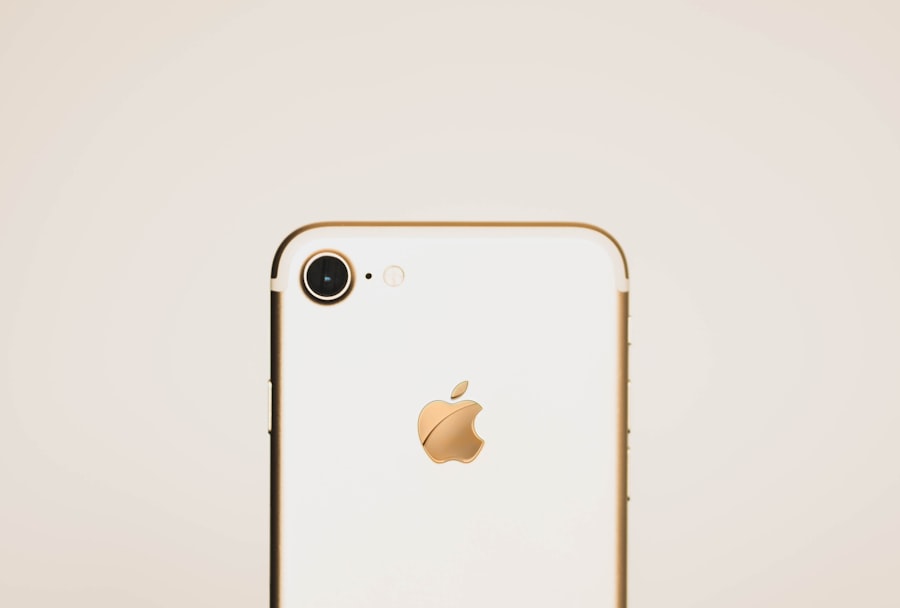
At the core of Apple’s success lies its unwavering commitment to design excellence. The company’s design philosophy emphasizes simplicity, elegance, and functionality. Apple’s products are characterized by clean lines, intuitive interfaces, and a focus on user experience.
This design ethos is evident in every aspect of their products, from hardware to software. The late Steve Jobs famously stated that design is not just what it looks like; it’s how it works. This principle is reflected in Apple’s meticulous attention to detail and relentless pursuit of perfection.
The collaboration between designers and engineers at Apple ensures that every product not only meets aesthetic standards but also functions seamlessly. This holistic approach to design has set Apple apart from its competitors and has become a hallmark of its brand identity.
Apple’s Commitment to Sustainability
| Initiative | Metrics |
|---|---|
| Renewable Energy | 100% of Apple’s operations powered by renewable energy |
| Product Recycling | Apple has recycled 48,000 metric tons of electronic waste in 2018 |
| Supplier Responsibility | 95% of Apple’s supply chain employees work within a 60-hour work week |
| Carbon Footprint | Apple reduced its carbon footprint by 35% since 2015 |
In recent years, Apple has made significant strides toward sustainability and environmental responsibility. The company recognizes its role in addressing climate change and has implemented various initiatives to reduce its carbon footprint. Apple aims to become carbon neutral across its entire supply chain by 2030, a bold commitment that underscores its dedication to environmental stewardship.
Apple’s sustainability efforts extend beyond carbon neutrality; the company is also focused on using recycled materials in its products. For instance, the latest iPhones incorporate recycled aluminum and rare earth elements, reducing the need for virgin materials. Additionally, Apple has invested in renewable energy projects worldwide to power its facilities with clean energy sources.
These initiatives not only benefit the environment but also resonate with consumers who increasingly prioritize sustainability in their purchasing decisions.
Apple’s Influence on Consumer Behavior
Apple’s innovative products have significantly influenced consumer behavior and expectations within the tech market. The company’s ability to create desire through marketing and product launches has transformed how consumers perceive technology. The anticipation surrounding new product releases often leads to long lines outside Apple stores, demonstrating the brand’s strong emotional connection with its customers.
Furthermore, Apple’s focus on creating an ecosystem encourages brand loyalty among consumers. Once individuals invest in Apple products, they are more likely to continue purchasing within the ecosystem due to compatibility and seamless integration across devices. This phenomenon has led to a dedicated customer base that eagerly awaits new releases and updates, reinforcing Apple’s position as a leader in consumer technology.
Apple’s Success in Marketing and Branding
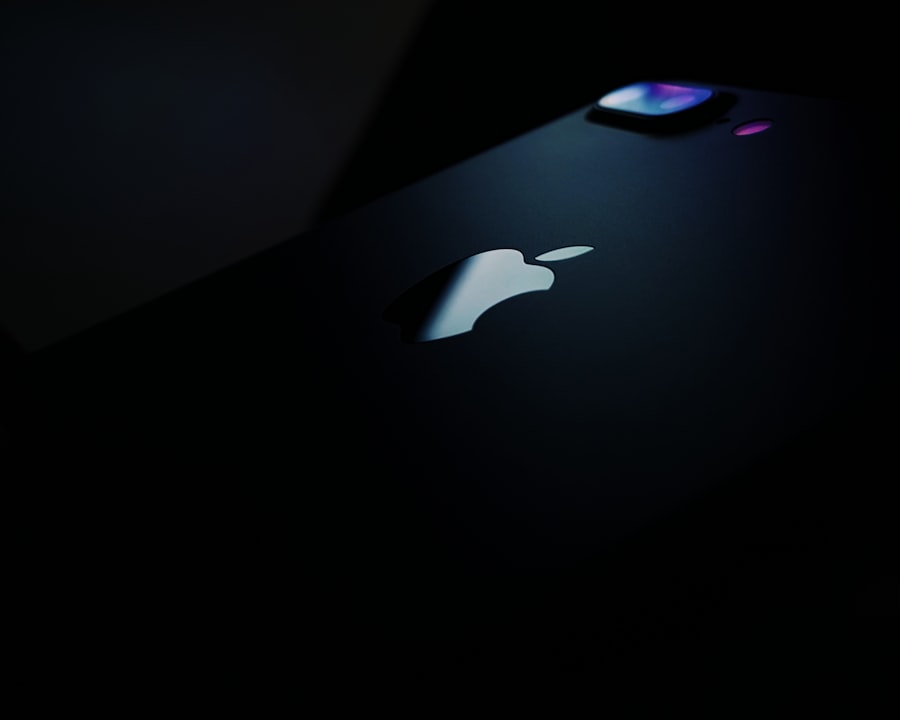
Apple’s marketing strategies have played a crucial role in establishing its brand identity and driving sales. The company employs a minimalist approach to advertising that emphasizes product features while maintaining an air of exclusivity. Iconic campaigns such as “Think Different” have positioned Apple as a brand synonymous with innovation and creativity.
The launch events held by Apple are meticulously crafted spectacles that generate immense media coverage and consumer excitement. These events not only showcase new products but also reinforce Apple’s brand narrative as a leader in technology. By creating a sense of community among its users and fostering an emotional connection with its audience, Apple has successfully built a brand that transcends mere consumer electronics.
Apple’s Leadership in Research and Development
Apple’s commitment to research and development (R&D) is evident in its substantial investments aimed at fostering innovation. The company allocates billions of dollars annually toward R&D initiatives, focusing on emerging technologies such as artificial intelligence (AI), augmented reality (AR), and machine learning (ML). This dedication ensures that Apple remains at the forefront of technological advancements.
Additionally, Apple’s foray into health technology with features like heart rate monitoring and fitness tracking demonstrates its commitment to enhancing user well-being through technology. By prioritizing R&D, Apple continues to push boundaries and redefine what is possible within the tech industry.
Apple’s Contribution to the Global Economy
Apple’s impact extends beyond technology; it plays a significant role in the global economy as well. As one of the largest companies in the world by market capitalization, Apple contributes substantially to job creation and economic growth. The company employs hundreds of thousands of individuals directly while supporting millions more through its supply chain and retail partners.
Moreover, Apple’s influence on various industries—such as telecommunications, entertainment, and software development—has created new markets and opportunities for businesses worldwide. The App Store alone has generated billions of dollars for developers globally, fostering entrepreneurship and innovation across diverse sectors. As a result, Apple’s presence in the global economy is both profound and multifaceted.
Apple’s Vision for the Future of Technology
Looking ahead, Apple envisions a future where technology seamlessly integrates into everyday life while enhancing user experiences. The company is actively exploring advancements in areas such as augmented reality (AR) and artificial intelligence (AI), aiming to create immersive experiences that redefine how individuals interact with technology. Apple’s commitment to privacy and security will continue to be a cornerstone of its vision for the future.
As concerns about data privacy grow among consumers, Apple positions itself as a champion of user rights by implementing robust security measures across its devices and services. This focus on privacy will likely shape future product development as Apple seeks to maintain consumer trust while innovating.
Apple’s Challenges and Controversies
Despite its remarkable success, Apple faces several challenges and controversies that could impact its future trajectory. One significant issue is regulatory scrutiny regarding antitrust practices within its App Store ecosystem. Critics argue that Apple’s control over app distribution stifles competition and limits developers’ opportunities for success.
Additionally, labor practices within Apple’s supply chain have come under fire due to reports of poor working conditions at manufacturing facilities overseas. Addressing these concerns is crucial for maintaining brand reputation and consumer trust moving forward. As Apple navigates these challenges, it must balance innovation with ethical considerations to ensure sustainable growth.
In summary, Apple Inc.’s journey from a small startup to a global technology leader is marked by innovation, design excellence, and a commitment to sustainability. Its revolutionary products have reshaped consumer behavior while influencing industry standards across various sectors. As Apple continues to lead in research and development while addressing challenges related to regulation and labor practices, its vision for the future remains focused on enhancing user experiences through cutting-edge technology while prioritizing ethical considerations.
If you are interested in learning more about the federal holiday schedule for 2022, you may want to check out this article. Understanding the national observances and holidays can help you plan your year accordingly. Additionally, if you are looking for entertainment options, you may want to read about discovering Amazon Prime Video and the best picks for 2025 in this article. These articles can provide valuable insights into different aspects of our daily lives and help us make informed decisions.
FAQs
What is Apple Inc.?
Apple Inc. is a multinational technology company that designs, manufactures, and markets consumer electronics, computer software, and online services. It is best known for its hardware products such as the iPhone, iPad, Mac computers, and Apple Watch, as well as its software platforms like iOS, macOS, watchOS, and tvOS.
When was Apple Inc. founded?
Apple Inc. was founded on April 1, 1976, by Steve Jobs, Steve Wozniak, and Ronald Wayne. The company was initially focused on developing and selling personal computers.
Where is Apple Inc. headquartered?
Apple Inc. is headquartered in Cupertino, California, at its iconic Apple Park campus, often referred to as the “spaceship” due to its unique circular design.
What are some of Apple’s most popular products?
Some of Apple’s most popular products include the iPhone, iPad, Mac computers, Apple Watch, and AirPods. The company also offers a range of software and services such as the App Store, iCloud, Apple Music, and Apple Pay.
What is Apple’s market share and financial performance?
As of 2021, Apple Inc. has a significant market share in the global smartphone, tablet, and smartwatch markets. It is also one of the world’s most valuable companies, with a consistently high level of revenue and profit. Apple’s financial performance is closely watched by investors and analysts due to its impact on the broader technology industry.
What is Apple’s approach to sustainability and corporate responsibility?
Apple has made significant commitments to environmental sustainability and corporate responsibility. The company has pledged to power all of its operations with 100% renewable energy, reduce its carbon footprint, and improve the working conditions in its supply chain. Apple also focuses on product recycling and has introduced initiatives to minimize its environmental impact.