Now Reading: The Future of the Apple Industry: Trends and Challenges
-
01
The Future of the Apple Industry: Trends and Challenges
The Future of the Apple Industry: Trends and Challenges
The apple industry is a significant sector within global agriculture, characterized by its extensive cultivation, diverse varieties, and substantial economic impact. Apples, scientifically known as Malus domestica, are among the most widely consumed fruits worldwide, with a rich history that dates back thousands of years. This fruit is not only a staple in many diets but also plays a crucial role in various culinary applications, from fresh consumption to processed products like cider, applesauce, and baked goods.
The apple industry encompasses a wide range of activities, including cultivation, harvesting, distribution, and marketing, making it a complex and multifaceted sector. In recent years, the apple industry has experienced notable transformations driven by changing consumer preferences, technological advancements, and environmental challenges. As the demand for healthy and convenient food options continues to rise, apple producers are adapting their practices to meet these evolving needs.
The industry is also facing pressures related to sustainability and climate change, prompting stakeholders to explore innovative solutions that balance productivity with environmental stewardship. Understanding the dynamics of the apple industry is essential for stakeholders, including farmers, distributors, retailers, and consumers alike.
Key Takeaways
- The apple industry is a significant player in the global fruit market, with a wide variety of apple types and products.
- Current trends in the apple industry include a focus on organic and locally sourced apples, as well as an increase in demand for apple-based products like juices and snacks.
- Technological advancements and innovations in the apple industry have led to improved farming techniques, storage methods, and pest control measures.
- Environmental challenges and sustainability are key concerns for the apple industry, with efforts being made to reduce water usage, minimize waste, and adopt eco-friendly packaging.
- Global market expansion and competition in the apple industry have led to increased trade and investment opportunities, as well as the need for strategic marketing and branding efforts.
Current Trends in the Apple Industry
The apple industry is currently witnessing several trends that are reshaping its landscape. One prominent trend is the increasing consumer preference for organic and sustainably grown apples. As health-conscious consumers become more aware of the benefits of organic produce, the demand for apples cultivated without synthetic pesticides and fertilizers has surged.
This shift has prompted many growers to transition to organic farming practices, which not only cater to consumer preferences but also promote biodiversity and soil health.
With the growing popularity of convenience foods, manufacturers are innovating by creating a variety of apple-based products such as dried apples, apple chips, and ready-to-eat apple slices.
These products appeal to busy consumers seeking nutritious snacks that require minimal preparation. Additionally, the craft beverage industry has embraced apples, leading to an increase in hard cider production and apple-based spirits. This diversification of products is helping to expand market opportunities for apple growers and processors.
Technological Advancements and Innovations
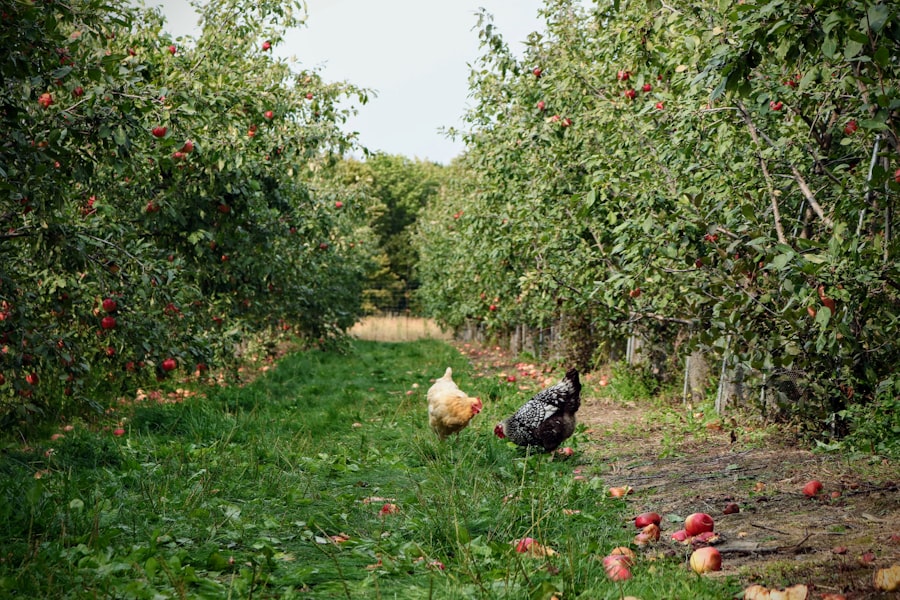
Technological advancements are playing a pivotal role in enhancing productivity and efficiency within the apple industry. Precision agriculture techniques, such as drone technology and satellite imagery, are being utilized to monitor crop health and optimize resource allocation. These tools enable farmers to make data-driven decisions regarding irrigation, fertilization, and pest management, ultimately leading to improved yields and reduced environmental impact.
Moreover, advancements in breeding techniques have led to the development of new apple varieties that are more resistant to diseases and pests. Genetic modification and traditional breeding methods have produced cultivars with enhanced flavor profiles, longer shelf life, and improved nutritional content. For instance, the introduction of genetically modified apples that resist browning has garnered attention for their potential to reduce food waste and enhance consumer appeal.
Environmental Challenges and Sustainability
| Environmental Challenge | Sustainability Metric |
|---|---|
| Climate Change | Carbon Emissions Reduction |
| Deforestation | Forest Cover Restoration |
| Pollution | Air and Water Quality Improvement |
| Loss of Biodiversity | Habitat Protection and Restoration |
The apple industry faces several environmental challenges that necessitate a commitment to sustainability. Climate change poses a significant threat to apple production, as shifting weather patterns can lead to unpredictable growing conditions. Extreme temperatures, droughts, and increased pest pressure can adversely affect crop yields and quality.
To mitigate these risks, growers are adopting sustainable practices such as integrated pest management (IPM) and regenerative agriculture techniques that prioritize soil health and biodiversity. Water scarcity is another pressing issue impacting apple cultivation. As water resources become increasingly limited in many regions, efficient irrigation practices are essential for maintaining productivity.
Drip irrigation systems and rainwater harvesting techniques are being implemented to optimize water usage while minimizing waste. Additionally, many growers are exploring organic farming methods that reduce reliance on chemical inputs and promote ecological balance.
Global Market Expansion and Competition
The global apple market is characterized by intense competition among producers from various regions. Countries such as China, the United States, India, and Poland dominate apple production, each contributing significantly to global supply. As international trade continues to expand, producers must navigate complex market dynamics influenced by tariffs, trade agreements, and changing consumer preferences.
Emerging markets in Asia and Africa present new opportunities for growth within the apple industry. As disposable incomes rise in these regions, consumers are increasingly seeking high-quality fruits like apples. To capitalize on this trend, producers are exploring export opportunities while adapting their marketing strategies to resonate with local consumers.
However, competition from other fruits and agricultural products remains a challenge that requires continuous innovation and differentiation.
Consumer Preferences and Demands
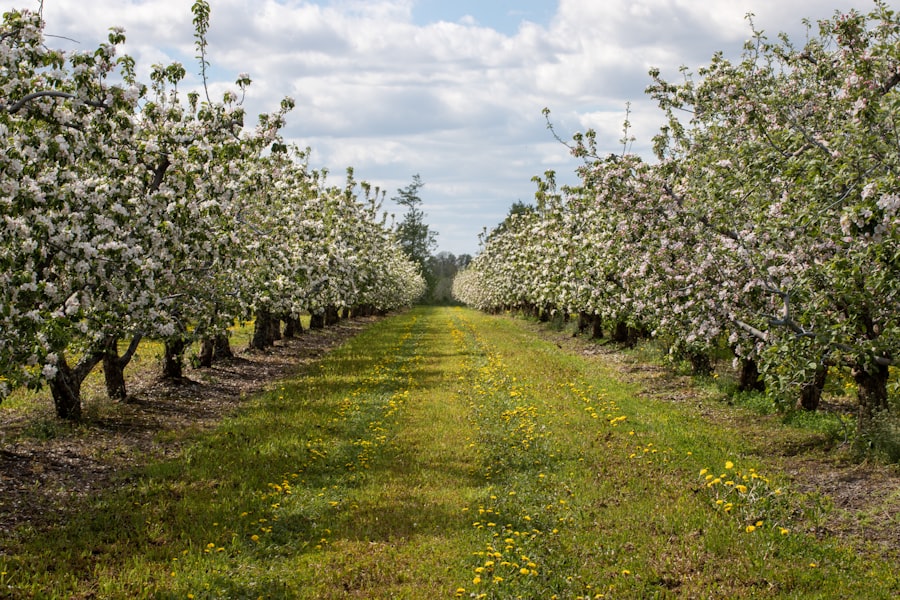
Consumer preferences play a crucial role in shaping the direction of the apple industry. Health-conscious consumers are increasingly seeking fruits that offer nutritional benefits beyond basic sustenance. Apples are often marketed for their high fiber content, antioxidants, and vitamins, making them an attractive choice for those looking to improve their overall health.
Additionally, convenience is a key factor influencing consumer purchasing decisions. Pre-packaged apple slices and ready-to-eat snacks have gained popularity among busy individuals seeking nutritious options without the hassle of preparation. As a result, producers are focusing on developing innovative packaging solutions that enhance product freshness while appealing to on-the-go lifestyles.
Supply Chain and Logistics
The supply chain for apples is intricate and involves multiple stakeholders from farm to table. Efficient logistics are essential for ensuring that apples reach consumers in optimal condition while minimizing spoilage during transportation. Cold chain management is critical in maintaining the quality of apples throughout the supply chain.
Advanced refrigeration technologies are employed to regulate temperature and humidity levels during storage and transit. Furthermore, direct-to-consumer sales channels have gained traction in recent years due to the rise of e-commerce platforms. Farmers’ markets and online grocery services allow consumers to purchase fresh apples directly from producers, bypassing traditional retail channels.
This shift not only enhances transparency but also fosters stronger connections between consumers and growers.
Government Regulations and Policies
Government regulations play a significant role in shaping the apple industry by establishing standards for food safety, quality control, and environmental protection. Regulatory bodies oversee pesticide usage, ensuring that growers adhere to safety guidelines that protect both consumers and agricultural workers. Compliance with these regulations is essential for maintaining market access and consumer trust.
Additionally, policies promoting sustainable agricultural practices are gaining traction globally. Governments are increasingly incentivizing farmers to adopt environmentally friendly practices through grants and subsidies aimed at reducing chemical inputs and promoting biodiversity. These initiatives not only support the long-term viability of the apple industry but also contribute to broader efforts addressing climate change.
Labor and Workforce Issues
Labor availability remains a critical concern within the apple industry, particularly during peak harvest seasons when demand for seasonal workers surges.
To address these challenges, some producers are investing in automation technologies that reduce reliance on manual labor while improving efficiency.
Mechanized harvesting equipment is being developed to streamline the picking process while minimizing damage to fruit quality. Additionally, efforts to improve working conditions and wages for agricultural workers are gaining momentum as stakeholders recognize the importance of a fair labor force in sustaining the industry.
Economic and Financial Considerations
The economic landscape of the apple industry is influenced by various factors including production costs, market prices, and global trade dynamics. Fluctuations in input costs such as labor, fertilizers, and transportation can significantly impact profit margins for growers. Additionally, market prices for apples can vary based on supply-demand dynamics influenced by seasonal variations and competition from other fruits.
Financial considerations also extend to investment in technology and infrastructure improvements aimed at enhancing productivity. Growers must weigh the costs associated with adopting new technologies against potential returns on investment while navigating market uncertainties. Access to financing options such as loans or grants can play a crucial role in enabling producers to implement necessary changes.
The Outlook for the Apple Industry
The outlook for the apple industry remains promising despite facing numerous challenges related to environmental sustainability, labor availability, and market competition. As consumer preferences continue to evolve towards healthier options and sustainable practices gain traction, producers who adapt their strategies will likely thrive in this dynamic landscape. Technological innovations will play a pivotal role in shaping the future of apple cultivation by enhancing productivity while minimizing environmental impact.
Furthermore, expanding global markets present opportunities for growth as emerging economies increasingly embrace apples as a staple fruit. In summary, the apple industry stands at a crossroads where tradition meets innovation. By embracing sustainable practices, leveraging technology advancements, and responding proactively to consumer demands, stakeholders can ensure a resilient future for this vital sector of agriculture.
If you are interested in the apple industry, you may also want to check out this article on the magic of the Christmas market. This article explores the festive atmosphere and unique gifts that can be found at Christmas markets, which could potentially include apple-related products or treats. It’s always interesting to see how different industries intersect during the holiday season.
FAQs
What is the apple industry?
The apple industry refers to the cultivation, production, and distribution of apples for consumption and various commercial uses.
Where is the apple industry located?
The apple industry is located in various regions around the world, with major production centers in countries such as China, the United States, India, Poland, and Italy.
What are the main varieties of apples grown in the industry?
Some of the main varieties of apples grown in the industry include Gala, Fuji, Granny Smith, Honeycrisp, and Red Delicious, among others.
What are the main uses of apples in the industry?
Apples are used for fresh consumption, as well as for processing into products such as apple juice, applesauce, apple cider, and various other apple-based products.
What are the challenges faced by the apple industry?
Challenges faced by the apple industry include weather-related risks, pest and disease management, labor shortages, market competition, and fluctuating consumer demand.
What are the economic impacts of the apple industry?
The apple industry contributes significantly to the economies of producing regions, providing employment opportunities and generating revenue through domestic and international trade.