Now Reading: Apple Inc: A Pioneering Company
-
01
Apple Inc: A Pioneering Company
Apple Inc: A Pioneering Company
Apple Inc. was founded in 1976, a pivotal moment in the history of technology that would eventually reshape the landscape of personal computing. The company emerged from a garage in Cupertino, California, where three visionary individuals—Steve Jobs, Steve Wozniak, and Ronald Wayne—collaborated to create a product that would revolutionize the way people interacted with technology.
Their first product, the Apple I, was a simple yet groundbreaking personal computer that featured a single circuit board and required users to provide their own keyboard and monitor. This initial offering laid the groundwork for what would become one of the most influential companies in the world. In its formative years, Apple faced numerous challenges, including financial instability and fierce competition from established players in the tech industry.
However, the company’s innovative spirit and commitment to quality allowed it to persevere. By 1977, Apple had introduced the Apple II, which featured color graphics and an open architecture that encouraged third-party software development. This model quickly gained popularity among consumers and businesses alike, establishing Apple as a formidable contender in the burgeoning personal computer market.
Key Takeaways
- Apple Inc. was founded in 1976 by Steve Jobs, Steve Wozniak, and Ronald Wayne in Cupertino, California.
- The Macintosh, introduced in 1984, revolutionized the personal computer industry with its user-friendly interface and graphical display.
- Apple’s innovative products and services, such as the iPod, iTunes, and App Store, have transformed the way people consume media and use technology.
- The launch of the iPhone in 2007 marked a turning point for Apple, propelling the company to become a leader in the smartphone market.
- Apple has expanded into services and entertainment, offering products like Apple Music, Apple TV+, and Apple Arcade to diversify its revenue streams.
Steve Jobs, one of the co-founders of Apple Inc., played a crucial role in shaping the company’s vision and direction. His passion for technology and design was evident from an early age, and he was known for his relentless pursuit of perfection. Jobs’ unique ability to blend technology with aesthetics set Apple apart from its competitors.
He believed that computers should not only be functional but also beautiful and user-friendly. This philosophy became a cornerstone of Apple’s identity. Jobs’ partnership with Steve Wozniak was instrumental in the early success of Apple.
While Wozniak focused on engineering and technical innovation, Jobs excelled in marketing and product vision. Their complementary skills allowed Apple to create products that were not only technologically advanced but also appealing to consumers. The duo’s dynamic collaboration laid the foundation for Apple’s future innovations and established a culture of creativity and excellence within the company.
The Rise of the Macintosh
The introduction of the Macintosh in 1984 marked a significant turning point for Apple Inc. This revolutionary personal computer was one of the first to feature a graphical user interface (GUI), making it accessible to a broader audience.
This user-centric approach set a new standard for personal computing and distinguished Apple from its competitors. The launch of the Macintosh was accompanied by one of the most iconic advertising campaigns in history—the “1984” Super Bowl commercial directed by Ridley Scott. This advertisement positioned Apple as a challenger to the status quo, portraying the Macintosh as a tool for empowerment and creativity.
Despite initial sales struggles, the Macintosh eventually gained traction among creative professionals, educators, and early adopters, solidifying Apple’s reputation as an innovator in the tech industry.
Apple’s Innovative Products and Services
Throughout its history, Apple has consistently introduced groundbreaking products that have redefined entire industries. The iPod, launched in 2001, revolutionized the way people consumed music, paving the way for digital downloads and streaming services. With its sleek design and user-friendly interface, the iPod quickly became a cultural phenomenon, leading to the establishment of the iTunes Store—a platform that transformed music distribution. In 2010, Apple entered the smartphone market with the launch of the iPhone, which combined a phone, an iPod, and an internet communicator into one device. The iPhone’s intuitive touchscreen interface and robust app ecosystem set new standards for mobile technology.
Following this success, Apple expanded its product line to include the iPad, which further blurred the lines between personal computing and mobile devices. Each new product release has been met with anticipation and excitement, showcasing Apple’s ability to innovate continuously.
Apple’s Impact on the Tech Industry
| Metrics | Data |
|---|---|
| Market Capitalization | 2.4 trillion |
| Revenue | 365.7 billion |
| Number of Employees | 147,000 |
| Number of Products | Dozens of hardware and software products |
| Research and Development Spending | 20 billion |
Apple’s influence on the technology sector is profound and far-reaching. The company’s commitment to design excellence and user experience has inspired countless competitors to elevate their own products. Apple’s introduction of the App Store in 2008 created an entirely new economy for app developers, leading to an explosion of mobile applications that have transformed how people communicate, work, and entertain themselves.
Moreover, Apple’s focus on privacy and security has set industry standards that other companies have sought to emulate. The company’s commitment to protecting user data has resonated with consumers who are increasingly concerned about their digital privacy. As a result, Apple has positioned itself as a leader in advocating for user rights in an era where data breaches and privacy violations are prevalent.
Apple’s Design and Marketing Strategies
Apple’s design philosophy is rooted in simplicity and elegance. The company believes that great design should be unobtrusive yet impactful, allowing users to focus on their tasks without distraction. This approach is evident in every aspect of Apple’s products—from hardware design to software interfaces.
The seamless integration of form and function has become synonymous with the Apple brand. In terms of marketing strategies, Apple has mastered the art of creating anticipation around product launches. The company employs a combination of secrecy and hype to generate excitement among consumers and media alike.
Keynote presentations led by executives like Steve Jobs became legendary events that showcased new products while reinforcing Apple’s brand identity as an innovator. This marketing prowess has contributed significantly to Apple’s ability to maintain a loyal customer base.
Apple’s Retail and Online Presence
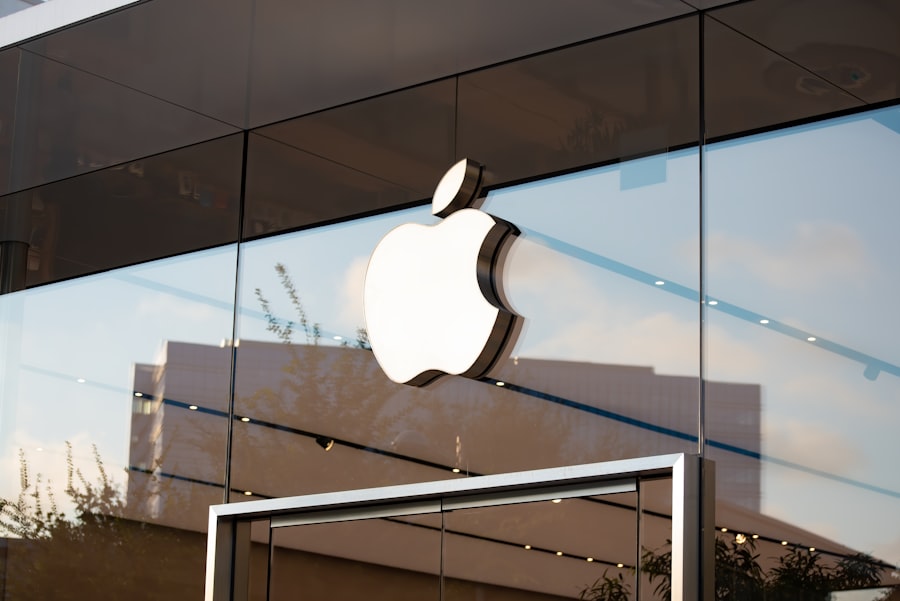
Apple’s retail strategy has played a crucial role in its success. The company operates over 500 retail stores worldwide, each designed to provide an immersive experience for customers. These stores feature knowledgeable staff who offer personalized assistance, allowing customers to explore products hands-on before making a purchase.
The layout encourages interaction with devices, fostering a sense of community among Apple enthusiasts. In addition to its physical presence, Apple’s online store has become a vital component of its sales strategy. The website offers a seamless shopping experience with detailed product information, customer reviews, and easy navigation.
Apple’s online ecosystem extends beyond sales; it includes services like Apple Music, iCloud, and Apple TV+, which enhance customer engagement and loyalty.
The Success of the iPhone
The iPhone’s launch in 2007 marked a watershed moment not only for Apple but also for the entire mobile industry. With its revolutionary touchscreen interface and powerful capabilities, the iPhone redefined what a smartphone could be. It combined communication, entertainment, productivity, and connectivity into one device that appealed to a broad audience.
The iPhone’s success can be attributed to several factors: its sleek design, user-friendly interface, robust app ecosystem, and continuous innovation through regular updates. Each new iteration introduced features that enhanced user experience—such as improved cameras, facial recognition technology, and augmented reality capabilities—keeping consumers engaged and eager for upgrades.
Apple’s Expansion into Services and Entertainment
In recent years, Apple has strategically expanded its focus beyond hardware into services and entertainment sectors. The launch of Apple Music in 2015 marked its entry into music streaming, allowing users access to millions of songs while competing with established platforms like Spotify. This move demonstrated Apple’s commitment to diversifying its revenue streams while enhancing customer loyalty.
Furthermore, Apple TV+ launched in 2019 as part of its push into original content production. By investing heavily in high-quality programming featuring renowned creators and actors, Apple aims to compete with established streaming giants like Netflix and Amazon Prime Video. This expansion into services reflects Apple’s understanding of changing consumer preferences toward subscription-based models.
Apple’s Commitment to Sustainability and Social Responsibility
Apple has made significant strides toward sustainability and social responsibility over recent years. The company is committed to reducing its carbon footprint by transitioning to renewable energy sources across its global operations. As of 2021, all of Apple’s facilities worldwide are powered by 100% renewable energy—a remarkable achievement that sets an example for other corporations.
Additionally, Apple prioritizes ethical sourcing of materials used in its products. The company actively works to ensure that minerals are sourced responsibly while promoting recycling initiatives through programs like Apple Trade In. By encouraging customers to recycle old devices responsibly, Apple aims to minimize electronic waste while fostering a circular economy.
Looking ahead, Apple Inc.’s future appears promising as it continues to innovate across various sectors while maintaining its core values of design excellence and user experience. With advancements in artificial intelligence (AI) and machine learning (ML), Apple is poised to enhance its products further by integrating intelligent features that anticipate user needs.
This potential expansion could redefine how users interact with digital content while solidifying Apple’s position as a leader in technological innovation. In summary, Apple Inc.’s journey from its humble beginnings in a garage to becoming one of the most valuable companies globally is marked by innovation, design excellence, and strategic marketing prowess. With a commitment to sustainability and social responsibility alongside continuous advancements in technology, Apple’s future remains bright as it continues shaping industries for years to come.
If you are interested in learning more about technology companies like Apple Inc, you may want to check out this article that discusses the latest news and updates on various celebrities. This article provides a different perspective on the entertainment industry compared to the business-focused presentation on Apple Inc. It’s always interesting to explore different topics and broaden your knowledge base.
FAQs
What is Apple Inc.?
Apple Inc. is a multinational technology company that designs, manufactures, and markets consumer electronics, computer software, and online services. It is best known for its hardware products such as the iPhone, iPad, Mac computers, and Apple Watch, as well as its software platforms like iOS and macOS.
When was Apple Inc. founded?
Apple Inc. was founded on April 1, 1976, by Steve Jobs, Steve Wozniak, and Ronald Wayne. The company was initially focused on developing and selling personal computers.
What are some of Apple Inc.’s most popular products?
Some of Apple Inc.’s most popular products include the iPhone, iPad, Mac computers, Apple Watch, and AirPods. The company also offers a range of software products and services such as iOS, macOS, iCloud, and the App Store.
Where is Apple Inc. headquartered?
Apple Inc. is headquartered in Cupertino, California, at its Apple Park campus. The company’s corporate address is 1 Apple Park Way, Cupertino, CA 95014.
What is Apple Inc.’s market capitalization?
As of 2026, Apple Inc.’s market capitalization is [market cap]. This makes it one of the most valuable publicly traded companies in the world.
How many employees does Apple Inc. have?
As of 2026, Apple Inc. has approximately [number] employees worldwide. The company has a diverse workforce that spans various functions including design, engineering, retail, marketing, and operations.