Now Reading: Streamlined Apple Inc Login for Seamless Access
-
01
Streamlined Apple Inc Login for Seamless Access
Streamlined Apple Inc Login for Seamless Access

In today’s digital landscape, the significance of streamlined login processes cannot be overstated. As users increasingly engage with multiple online platforms, the demand for efficient and user-friendly authentication methods has surged. A seamless login experience not only enhances user satisfaction but also fosters trust and loyalty towards a brand.
When users encounter cumbersome login procedures, they are more likely to abandon their attempts, leading to potential loss of revenue and engagement for businesses. Moreover, streamlined login processes contribute to improved security. By minimizing the number of steps required to access an account, organizations can reduce the likelihood of user error, such as forgetting passwords or entering incorrect information.
This is particularly crucial in an era where cyber threats are rampant, and data breaches can have devastating consequences. Therefore, investing in efficient login systems is essential for both user experience and organizational integrity.
Key Takeaways
- Streamlined login processes are important for user convenience and security
- Apple Inc has made efforts to streamline its login process for users
- The benefits of streamlined Apple Inc login include faster access to services and improved user experience
- Setting up a streamlined Apple Inc login involves using Apple ID and password
- Two-factor authentication can be used with Apple Inc login for added security
Apple Inc’s Efforts to Streamline Login
Apple Inc has consistently prioritized user experience in its product design, and its approach to streamlining login processes is no exception. The company has developed a range of innovative solutions aimed at simplifying authentication while maintaining robust security measures. One of the most notable advancements is the introduction of Apple ID, which serves as a single sign-on solution for various Apple services, including iCloud, App Store, and Apple Music.
Additionally, Apple has integrated biometric authentication methods such as Face ID and Touch ID into its devices. These technologies allow users to log in quickly and securely without the need for complex passwords. By leveraging advanced facial recognition and fingerprint scanning, Apple has significantly reduced the friction associated with traditional login methods.
This commitment to innovation reflects Apple’s understanding of the importance of a streamlined login process in enhancing user engagement and satisfaction.
Benefits of Streamlined Apple Inc Login

The advantages of a streamlined login process for Apple users are manifold. Firstly, it enhances convenience by allowing users to access their accounts swiftly without navigating through multiple screens or entering lengthy passwords. This ease of access encourages users to engage more frequently with Apple services, ultimately leading to increased usage and customer retention.
Secondly, streamlined login processes bolster security. By utilizing biometric authentication methods, Apple minimizes the risk of unauthorized access to user accounts. Biometric data is unique to each individual and is significantly harder to replicate than traditional passwords.
Furthermore, Apple’s commitment to privacy ensures that user data is encrypted and stored securely, providing an additional layer of protection against potential breaches.
How to Set Up a Streamlined Apple Inc Login
| Steps | Details |
|---|---|
| Step 1 | Go to the Apple Inc website |
| Step 2 | Click on the “Sign In” button |
| Step 3 | Enter your Apple ID and password |
| Step 4 | Set up two-factor authentication for added security |
| Step 5 | Review and update your account settings |
Setting up a streamlined login with Apple Inc is a straightforward process that can be completed in just a few steps. To begin, users must create an Apple ID if they do not already have one. This can be done by visiting the Apple ID website or through any Apple device.
Users will need to provide basic information such as their name, email address, and a secure password. Once the Apple ID is established, users can enable biometric authentication features like Face ID or Touch ID on compatible devices. This can be done through the device’s settings under “Face ID & Passcode” or “Touch ID & Passcode.” Users should follow the prompts to register their facial features or fingerprints, ensuring that they can log in effortlessly in the future.
Using Two-Factor Authentication for Added Security
To further enhance security during the login process, Apple Inc offers two-factor authentication (2FA).
Typically, this involves receiving a verification code via SMS or through an authenticator app on a trusted device.
Enabling 2FA is highly recommended for all Apple users, as it significantly reduces the risk of unauthorized access. Even if a malicious actor obtains a user’s password, they would still require the second factor to gain entry into the account. To activate 2FA, users can navigate to their Apple ID settings and follow the prompts to enable this feature.
Troubleshooting Common Issues with Apple Inc Login
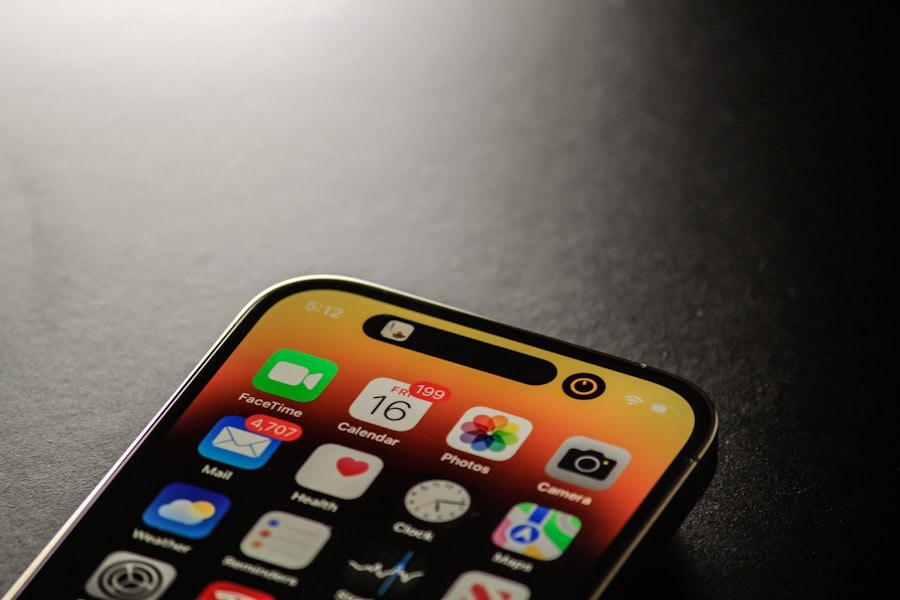
Despite the streamlined nature of Apple Inc’s login processes, users may occasionally encounter issues that hinder access to their accounts. Common problems include forgotten passwords, difficulties with biometric authentication, or issues related to two-factor authentication codes not being received. In cases where users forget their passwords, Apple provides a straightforward recovery process through the “Forgot Password?” link on the login page.
Users will be guided through steps to reset their password using their registered email address or security questions. For biometric authentication issues, users should ensure that their device’s sensors are clean and functioning properly. If problems persist, they may need to revert to traditional password entry temporarily.
Integrating Apple Inc Login with Other Platforms
Apple Inc has made significant strides in integrating its login system with third-party platforms through its “Sign in with Apple” feature. This functionality allows users to log into various apps and websites using their Apple ID without creating separate accounts for each service. This not only simplifies the login process but also enhances privacy by allowing users to choose whether or not to share their email addresses with third-party developers.
By leveraging this integration, users can enjoy a more cohesive digital experience while maintaining control over their personal information. Developers benefit from increased user engagement as well; streamlined login processes reduce barriers to entry for new users who may be hesitant to create multiple accounts across different platforms.
Streamlined Apple Inc Login for Business Use
For businesses utilizing Apple products and services, streamlined login processes can significantly enhance productivity and collaboration among employees. By implementing Apple ID for business accounts, organizations can simplify access to essential tools such as iCloud Drive, Pages, Numbers, and Keynote. Moreover, businesses can leverage Apple’s enterprise solutions like Mobile Device Management (MDM) to manage employee devices effectively.
MDM allows organizations to enforce security policies, deploy applications remotely, and streamline user onboarding processes. By ensuring that employees have quick and secure access to necessary resources, businesses can foster a more efficient work environment.
Ensuring Privacy and Data Security with Apple Inc Login
Apple Inc places a strong emphasis on user privacy and data security within its login processes. The company employs end-to-end encryption for sensitive data transmitted during authentication, ensuring that user information remains confidential and protected from potential breaches. Additionally, Apple’s commitment to transparency means that users are informed about how their data is used and stored.
The company does not sell user data to third parties or use it for targeted advertising without explicit consent. This dedication to privacy not only builds trust among users but also sets a standard for other tech companies in the industry.
Future Developments in Streamlined Apple Inc Login
As technology continues to evolve, so too will the methods by which users authenticate themselves online. Apple Inc is likely to explore further advancements in biometric authentication technologies, potentially incorporating new methods such as voice recognition or advanced behavioral biometrics that analyze user patterns for added security. Furthermore, as artificial intelligence (AI) becomes more integrated into everyday technology, it may play a role in enhancing login processes by predicting user behavior and adapting security measures accordingly.
These developments will aim not only to streamline access but also to fortify security against emerging threats in the digital landscape.
User Feedback and Satisfaction with Streamlined Apple Inc Login
User feedback regarding Apple’s streamlined login processes has generally been positive. Many users appreciate the convenience offered by features like Face ID and Touch ID, which allow for quick access without compromising security. The integration of “Sign in with Apple” has also received acclaim for its simplicity and privacy-focused approach.
However, some users have expressed concerns regarding occasional technical glitches or difficulties with two-factor authentication setup.
In summary, streamlined login processes are essential in today’s digital world for enhancing user experience and security.
Apple Inc has made significant strides in this area through innovations like Apple ID and biometric authentication methods. The benefits include increased convenience and improved data protection while ensuring privacy remains a priority. As technology advances, future developments will likely continue to enhance these processes further while addressing user feedback effectively.
If you are interested in learning more about technology companies like Apple Inc, you may want to check out this article on The Definitive Guide to the Amazon Influencer Program for Remote Workers. This article provides valuable insights into how remote workers can leverage the Amazon Influencer Program to earn income online. It’s a great read for anyone looking to explore new opportunities in the digital space.
FAQs
What is Apple Inc. login?
Apple Inc. login is the process of accessing an Apple account, which allows users to access various Apple services such as iCloud, iTunes, App Store, and more.
What can I access with an Apple Inc. login?
With an Apple Inc. login, users can access their iCloud storage, purchase and download apps from the App Store, buy music and movies from iTunes, and manage their Apple devices and subscriptions.
How do I create an Apple Inc. login?
To create an Apple Inc. login, users can go to the Apple website or use the Apple ID account page and follow the prompts to create a new account. Users will need to provide their name, email address, and create a password.
Can I use my Apple Inc. login on multiple devices?
Yes, users can use their Apple Inc. login on multiple devices such as iPhones, iPads, Mac computers, and more. This allows for seamless access to Apple services across different devices.
What should I do if I forget my Apple Inc. login password?
If a user forgets their Apple Inc. login password, they can use the “Forgot Apple ID or password” option on the login page to reset their password. This typically involves verifying the user’s identity through email or security questions.