Now Reading: Apple Inc: Revolutionizing Technology Apple Inc. is a multinational technology company known for its innovative products and services, including the iPhone, iPad, Mac, and Apple Watch. Established in 1976 by Steve Jobs, Steve Wozniak, and Ronald Wayne, Apple has since become one of the world’s most valuable and recognizable brands. With a focus on design, user experience, and cutting-edge technology, Apple continues to shape the future of the tech industry.
-
01
Apple Inc: Revolutionizing Technology Apple Inc. is a multinational technology company known for its innovative products and services, including the iPhone, iPad, Mac, and Apple Watch. Established in 1976 by Steve Jobs, Steve Wozniak, and Ronald Wayne, Apple has since become one of the world’s most valuable and recognizable brands. With a focus on design, user experience, and cutting-edge technology, Apple continues to shape the future of the tech industry.
Apple Inc: Revolutionizing Technology Apple Inc. is a multinational technology company known for its innovative products and services, including the iPhone, iPad, Mac, and Apple Watch. Established in 1976 by Steve Jobs, Steve Wozniak, and Ronald Wayne, Apple has since become one of the world’s most valuable and recognizable brands. With a focus on design, user experience, and cutting-edge technology, Apple continues to shape the future of the tech industry.

Apple Inc. began its journey in a modest garage in Cupertino, California, in 1976. Founded by Steve Jobs, Steve Wozniak, and Ronald Wayne, the company initially aimed to create personal computers that were accessible to the average consumer.
The Apple I, their first product, was a simple circuit board that required users to add their own keyboard and monitor. Despite its rudimentary nature, the Apple I laid the groundwork for a revolution in computing. The trio’s vision was not merely to sell computers but to democratize technology, making it user-friendly and appealing to a broader audience.
As the company evolved, it introduced the Apple II in 1977, which became one of the first highly successful mass-produced microcomputer products. This innovation marked a significant turning point for Apple, as it captured the attention of both consumers and investors. The company went public in 1980, raising over $100 million and establishing itself as a formidable player in the burgeoning tech industry.
The early days of Apple were characterized by a relentless pursuit of innovation and a commitment to quality, setting the stage for its future as a tech giant.
Key Takeaways
- Apple Inc started as a garage startup and grew into a tech giant, revolutionizing the industry.
- Steve Jobs played a pivotal role in shaping Apple’s success with his visionary leadership and innovative ideas.
- Apple’s revolutionary products have had a significant impact on the tech industry, setting new standards for design and functionality.
- The design philosophy of Apple focuses on the seamless integration of form and function, creating aesthetically pleasing and user-friendly products.
- Apple’s ecosystem is designed to work together seamlessly, offering a range of products and services that enhance user experience and loyalty.
Steve Jobs: The Visionary Leader Behind Apple’s Success
Steve Jobs was not just a co-founder of Apple; he was its driving force and visionary leader. His unique ability to blend technology with artistry transformed the way products were designed and marketed. Jobs had an uncanny knack for anticipating consumer needs and desires, often before they were even articulated.
His insistence on perfection and attention to detail became hallmarks of Apple’s product development process. Under his leadership, Apple launched groundbreaking products that redefined entire industries. Jobs’ return to Apple in 1997 marked a pivotal moment for the company.
After a period of stagnation and financial struggles, he revitalized the brand with a focus on innovation and simplicity. The introduction of the iMac in 1998 showcased his design philosophy—combining aesthetics with functionality. Jobs’ charisma and passion for technology inspired his team and captivated consumers, creating a loyal following that would become synonymous with the Apple brand.
The Impact of Apple’s Revolutionary Products on the Tech Industry
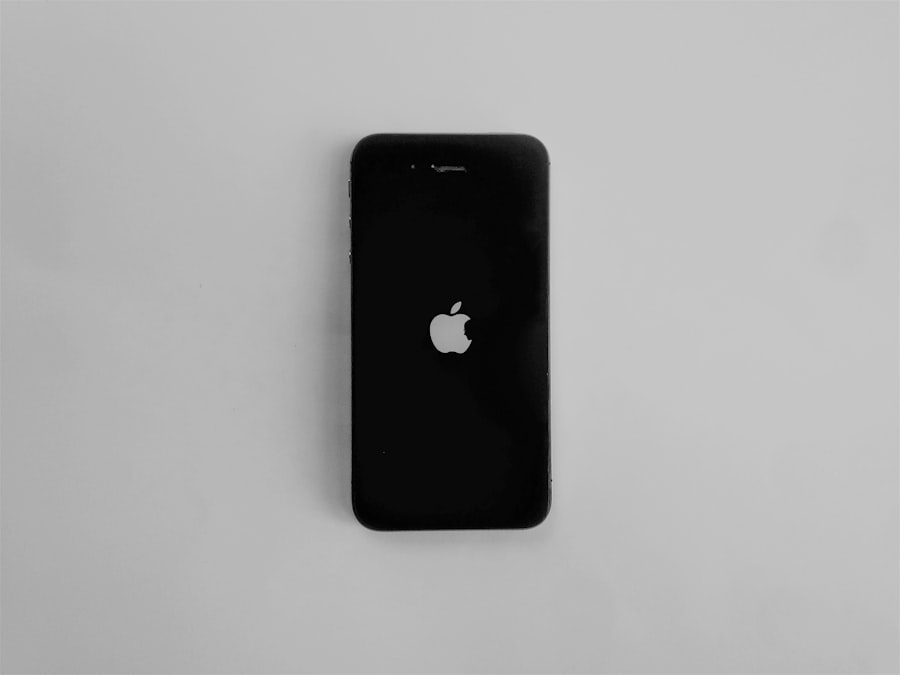
Apple’s influence on the tech industry is profound and far-reaching. The introduction of the Macintosh in 1984 revolutionized personal computing with its graphical user interface (GUI), making computers more accessible to non-technical users. This innovation set a new standard for user experience, prompting competitors to rethink their approaches to software design.
The iPod, launched in 2001, transformed the music industry by popularizing digital music consumption and paving the way for the iTunes Store, which changed how music was distributed. The launch of the iPhone in 2007 marked another seismic shift in technology.
The App Store, introduced shortly after, created an entirely new ecosystem for developers and consumers alike, leading to an explosion of mobile applications that have become integral to daily life. Apple’s products have consistently pushed boundaries, inspiring innovation across various sectors and compelling competitors to adapt or risk obsolescence.
The Design Philosophy of Apple: How Form Meets Function
| Design Philosophy of Apple | Form Meets Function |
|---|---|
| 1 | Focus on Simplicity |
| 2 | Attention to Detail |
| 3 | Seamless Integration of Hardware and Software |
| 4 | Emphasis on User Experience |
| 5 | Timeless Design |
Apple’s design philosophy is rooted in the belief that form should complement function. This principle is evident in every product the company creates, from hardware to software. The minimalist aesthetic that characterizes Apple’s devices is not merely for visual appeal; it enhances usability by reducing clutter and focusing on essential features.
Each product is meticulously crafted to ensure that it is not only beautiful but also intuitive and easy to use. The integration of design and technology is exemplified in products like the MacBook and iPhone, where sleek lines and premium materials are combined with cutting-edge technology. Apple’s commitment to user experience extends beyond physical design; it encompasses software interfaces that prioritize simplicity and efficiency.
This holistic approach has set Apple apart from competitors, establishing it as a leader in both design and functionality.
Apple’s Ecosystem: How Products and Services Work Together Seamlessly
One of Apple’s most significant achievements is the creation of a cohesive ecosystem that allows its products and services to work together seamlessly. This interconnectedness enhances user experience by enabling features like Handoff, AirDrop, and Continuity, which allow users to transition effortlessly between devices. For instance, a user can start an email on their iPhone and finish it on their Mac without any interruptions.
The ecosystem extends beyond hardware; services like iCloud, Apple Music, and Apple Pay further integrate users into the Apple experience. This synergy not only fosters customer loyalty but also encourages users to invest in multiple Apple products, creating a self-reinforcing cycle of engagement. By prioritizing interoperability among its offerings, Apple has cultivated a loyal customer base that appreciates the convenience and efficiency of its ecosystem.
The Cult of Apple: Understanding the Brand’s Loyal Fanbase

Apple has cultivated a unique brand identity that transcends mere consumerism; it has developed a cult-like following among its users. This phenomenon can be attributed to several factors, including innovative marketing strategies, product quality, and a strong community ethos. Apple’s marketing campaigns often emphasize lifestyle rather than just product features, positioning its devices as essential tools for creativity and self-expression.
The sense of belonging among Apple users is palpable at events like product launches or Apple Store openings, where fans eagerly await new releases as if they were attending a concert. This emotional connection fosters brand loyalty that is rare in today’s market. Apple’s ability to create an aspirational image around its products has transformed customers into brand advocates who passionately promote the company within their social circles.
Apple’s Commitment to Sustainability and Ethical Practices
In recent years, Apple has made significant strides toward sustainability and ethical practices within its operations. The company has committed to becoming carbon neutral across its entire supply chain by 2030, an ambitious goal that reflects its dedication to environmental responsibility. Initiatives such as using recycled materials in product manufacturing and investing in renewable energy sources demonstrate Apple’s proactive approach to mitigating its environmental impact.
Moreover, Apple has taken steps to ensure ethical labor practices within its supply chain. The company conducts regular audits of its suppliers to ensure compliance with labor laws and standards. By promoting transparency and accountability, Apple aims to foster a culture of ethical responsibility throughout its operations.
These efforts not only enhance Apple’s reputation but also set a benchmark for other companies in the tech industry.
The Evolution of the iPhone: How Apple Continues to Redefine the Smartphone
The iPhone has undergone remarkable evolution since its debut in 2007, consistently setting new standards for smartphones worldwide. Each iteration introduces innovative features that enhance user experience while maintaining Apple’s commitment to design excellence. From the introduction of Retina displays to advancements in camera technology, each new model pushes the boundaries of what a smartphone can achieve.
Apple’s focus on privacy and security has also become a defining characteristic of the iPhone experience. Features like Face ID and end-to-end encryption for iMessages underscore Apple’s commitment to protecting user data in an increasingly digital world. As competition intensifies within the smartphone market, Apple’s ability to innovate while prioritizing user privacy will be crucial in maintaining its leadership position.
Apple’s Influence on Music, Entertainment, and Digital Content
Apple’s impact on music and entertainment cannot be overstated. The launch of iTunes revolutionized how music was purchased and consumed, shifting from physical media to digital downloads. This transition not only changed consumer behavior but also reshaped the entire music industry landscape, forcing record labels to adapt to new distribution models.
With the introduction of Apple Music in 2015, Apple further solidified its position as a key player in digital content consumption. The service offers users access to millions of songs while integrating seamlessly with their existing libraries. Additionally, Apple’s foray into original content production through Apple TV+ demonstrates its commitment to diversifying its entertainment offerings and competing with established streaming giants.
The Future of Apple: Predictions and Speculations for the Next Decade
As we look toward the future, several trends suggest how Apple may continue to evolve over the next decade. One area poised for growth is augmented reality (AR), with rumors circulating about upcoming AR glasses that could redefine how users interact with digital content in their physical environments. Additionally, advancements in artificial intelligence (AI) may lead to more personalized user experiences across Apple’s ecosystem.
Furthermore, as global concerns about privacy intensify, Apple’s emphasis on security will likely become even more pronounced. The company may introduce new features designed to enhance user control over personal data while maintaining transparency about data usage practices. As technology continues to advance at an unprecedented pace, Apple’s ability to adapt while staying true to its core values will be critical for sustained success.
Despite its many successes, Apple faces numerous challenges and controversies that could impact its future trajectory. Legal battles over antitrust issues have emerged as regulators scrutinize Apple’s App Store practices and market dominance.
Additionally, concerns regarding labor practices within Apple’s supply chain persist despite efforts toward improvement. Reports of poor working conditions at some supplier factories have raised ethical questions about the company’s commitment to social responsibility. Navigating these complexities will require transparency and proactive measures from Apple as it seeks to maintain its reputation as an industry leader.
In summary, Apple Inc.’s journey from a garage startup to a tech giant is marked by visionary leadership, innovative products, and a commitment to design excellence. Its ecosystem fosters seamless integration among devices while cultivating a loyal fanbase that transcends traditional consumerism. As Apple continues to evolve amidst challenges and controversies, its focus on sustainability and ethical practices will be crucial for maintaining its position at the forefront of technology innovation in the coming years.
Apple Inc. has a rich company background that has contributed to its success in the tech industry. One interesting related article to explore is about famous celebrities who use Apple products in their daily lives. This article highlights how Apple’s products have become a staple among the rich and famous, showcasing the widespread popularity and influence of the brand. You can read more about it here.
FAQs
What is the company background of Apple Inc.?
Apple Inc. is a multinational technology company that was founded on April 1, 1976, by Steve Jobs, Steve Wozniak, and Ronald Wayne. The company is headquartered in Cupertino, California, and is known for designing, manufacturing, and selling consumer electronics, computer software, and online services.
What are some of Apple Inc.’s most popular products?
Some of Apple Inc.’s most popular products include the iPhone, iPad, Mac computers, Apple Watch, and AirPods. The company also offers a range of software and services such as iOS, macOS, iCloud, and Apple Music.
What is Apple Inc.’s mission and vision?
Apple Inc.’s mission is to design the best products and provide a seamless user experience. The company’s vision is to create a world where people can easily access technology and use it to improve their lives.
How has Apple Inc. grown over the years?
Since its founding, Apple Inc. has grown to become one of the largest and most valuable companies in the world. The company has expanded its product line, entered new markets, and established a strong global presence.
What are some key milestones in Apple Inc.’s history?
Some key milestones in Apple Inc.’s history include the launch of the Macintosh computer in 1984, the introduction of the iPod in 2001, the release of the iPhone in 2007, and the unveiling of the iPad in 2010. These products have had a significant impact on the technology industry and have contributed to Apple Inc.’s success.