Now Reading: Understanding General Auto Insurance
-
01
Understanding General Auto Insurance
Understanding General Auto Insurance

Auto insurance is a contractual agreement between an individual and an insurance company that provides financial protection against physical damage and bodily injury resulting from traffic collisions and other incidents involving vehicles. This form of insurance is essential for vehicle owners, as it not only safeguards their financial interests but also ensures compliance with legal requirements in many jurisdictions. The primary purpose of auto insurance is to mitigate the financial burden that can arise from accidents, theft, or damage to vehicles, thereby promoting responsible driving behavior and enhancing road safety.
In essence, auto insurance serves as a safety net, offering peace of mind to drivers by covering various risks associated with vehicle ownership. It encompasses a range of coverage options tailored to meet the diverse needs of policyholders. By paying a premium, individuals can secure protection against potential liabilities, ensuring that they are not left financially vulnerable in the event of an unforeseen incident.
Understanding the intricacies of auto insurance is crucial for making informed decisions regarding coverage options and policy selection.
Key Takeaways
- Auto insurance is a contract between you and the insurance company that protects you against financial loss in case of an accident or theft.
- Types of auto insurance coverage include liability, comprehensive, collision, uninsured/underinsured motorist, personal injury protection (PIP), and medical payments coverage.
- Liability coverage pays for the other party’s injuries and damages if you are at fault in an accident.
- Comprehensive and collision coverage protect your own vehicle against damage from accidents, theft, vandalism, and natural disasters.
- Uninsured and underinsured motorist coverage provides protection if you are involved in an accident with a driver who has insufficient or no insurance.
Types of Auto Insurance Coverage
Auto insurance comprises several types of coverage, each designed to address specific risks associated with vehicle ownership. The most common types include liability coverage, collision coverage, comprehensive coverage, uninsured/underinsured motorist coverage, and personal injury protection (PIP). Each type serves a distinct purpose and can be customized based on individual needs and preferences.
1. **Liability Coverage**: This is often mandated by law and protects the policyholder against claims resulting from injuries or damages caused to others in an accident. It typically includes bodily injury liability and property damage liability.
2. **Collision Coverage**: This type covers damages to the policyholder’s vehicle resulting from a collision with another vehicle or object, regardless of fault. It is particularly beneficial for those with newer or more valuable cars.
3. **Comprehensive Coverage**: Unlike collision coverage, comprehensive insurance protects against non-collision-related incidents such as theft, vandalism, natural disasters, and animal strikes. This coverage is essential for safeguarding against a wide array of potential risks.
4. **Uninsured/Underinsured Motorist Coverage**: This coverage protects drivers in the event they are involved in an accident with a driver who lacks sufficient insurance or is entirely uninsured. It ensures that policyholders are not left without recourse for damages incurred.
5. **Personal Injury Protection (PIP)**: PIP covers medical expenses and lost wages for the policyholder and passengers, regardless of fault in an accident. This type of coverage is particularly valuable in states with no-fault insurance laws.
Understanding Liability Coverage

Liability coverage is a fundamental component of auto insurance that protects drivers from financial loss due to legal claims arising from accidents they cause. It is typically divided into two main categories: bodily injury liability and property damage liability. Bodily injury liability covers medical expenses, lost wages, and pain and suffering for individuals injured in an accident caused by the policyholder.
Property damage liability, on the other hand, covers the costs associated with repairing or replacing another person’s property that has been damaged in an accident. The minimum required limits for liability coverage vary by state, but it is advisable for drivers to consider higher limits to ensure adequate protection against potential lawsuits. In the event of a serious accident, medical bills and property damage costs can quickly escalate into substantial amounts, potentially exceeding the minimum coverage limits.
Therefore, selecting appropriate liability limits is crucial for safeguarding one’s financial future.
Comprehensive and Collision Coverage Explained
| Coverage Type | Explanation |
|---|---|
| Comprehensive Coverage | Provides coverage for damage to your vehicle that is not caused by a collision, such as theft, vandalism, fire, or natural disasters. |
| Collision Coverage | Provides coverage for damage to your vehicle that is caused by a collision with another vehicle or object. |
| Cost | The cost of comprehensive and collision coverage can vary based on factors such as the value of your vehicle, your driving record, and your deductible. |
| Claims Process | When filing a claim for comprehensive or collision coverage, you will typically need to provide documentation of the damage and may need to pay a deductible before coverage kicks in. |
Comprehensive and collision coverage are two essential components of auto insurance that provide protection against different types of risks. Collision coverage specifically addresses damages incurred by the policyholder’s vehicle as a result of a collision with another vehicle or object. This type of coverage is particularly important for individuals who own newer or high-value vehicles, as repair costs can be significant.
Comprehensive coverage, in contrast, protects against non-collision-related incidents that may result in damage to the vehicle. This includes theft, vandalism, fire, natural disasters, and animal collisions. For instance, if a tree falls on a parked car during a storm or if a vehicle is stolen from a driveway, comprehensive coverage would cover the repair or replacement costs.
Both types of coverage typically require the policyholder to pay a deductible before the insurance company covers the remaining costs. The deductible amount can vary based on the policyholder’s preferences and financial situation. Understanding the differences between these two types of coverage is essential for selecting an auto insurance policy that adequately meets individual needs.
Uninsured and Underinsured Motorist Coverage
Uninsured and underinsured motorist coverage (UM/UIM) is designed to protect drivers in situations where they are involved in an accident with another driver who either lacks insurance or does not have sufficient coverage to pay for damages. This type of coverage is particularly important given that a significant percentage of drivers on the road may be uninsured or underinsured.
Underinsured motorist coverage comes into play when the at-fault driver has insurance but their policy limits are insufficient to cover the full extent of damages incurred by the victim. Having UM/UIM coverage can provide peace of mind for drivers, ensuring that they are not left financially vulnerable due to another driver’s lack of adequate insurance. It is advisable for individuals to consider adding this type of coverage to their auto insurance policy for enhanced protection.
Personal Injury Protection (PIP) and Medical Payments Coverage
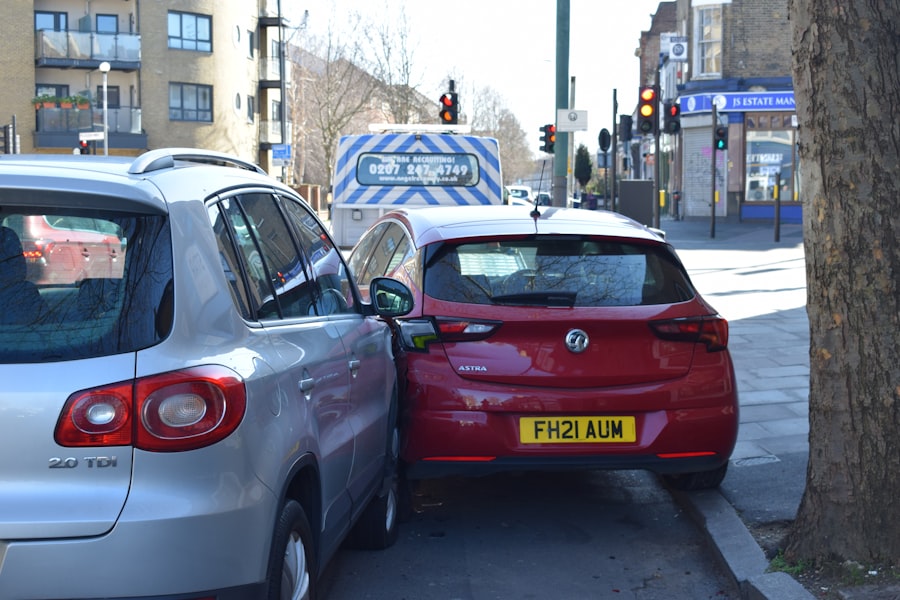
Personal Injury Protection (PIP) and medical payments coverage are two types of auto insurance that focus on covering medical expenses resulting from automobile accidents. PIP is often referred to as “no-fault” insurance because it provides benefits regardless of who is at fault in an accident. This means that both the policyholder and their passengers can receive medical treatment without having to establish fault.
PIP typically covers a range of expenses, including hospital bills, rehabilitation costs, lost wages due to injury, and even funeral expenses in the event of a fatal accident. The specific benefits provided by PIP can vary by state and policy but generally offer comprehensive support for those injured in an accident. Medical payments coverage (MedPay), while similar to PIP, is more limited in scope.
It primarily covers medical expenses for the policyholder and passengers regardless of fault but does not include lost wages or other non-medical expenses. MedPay can be beneficial for those who want additional medical expense coverage without opting for full PIP benefits.
Factors Affecting Auto Insurance Rates
Several factors influence auto insurance rates, making it essential for consumers to understand how these elements impact their premiums. Insurance companies assess risk based on various criteria when determining rates: 1. **Driving Record**: A clean driving history with no accidents or traffic violations typically results in lower premiums.
Conversely, a history of accidents or infractions can lead to higher rates due to perceived risk. 2. **Vehicle Type**: The make and model of a vehicle significantly affect insurance rates.
High-performance cars or luxury vehicles often come with higher premiums due to increased repair costs and theft rates. 3. **Location**: Where a driver lives plays a crucial role in determining rates.
Urban areas with higher traffic congestion and crime rates may lead to increased premiums compared to rural locations. 4. **Age and Gender**: Younger drivers tend to face higher premiums due to their lack of experience on the road.
Additionally, statistical data shows that male drivers are often charged higher rates than female drivers. 5. **Credit Score**: Many insurers consider credit scores when calculating premiums, as studies have shown a correlation between credit history and the likelihood of filing claims.
Understanding these factors can empower consumers to make informed decisions when shopping for auto insurance and potentially lower their premiums through proactive measures.
How to Choose the Right Auto Insurance Policy
Selecting the right auto insurance policy requires careful consideration of individual needs and circumstances. Here are several steps to guide consumers through this process: 1.
2. **Compare Quotes**: Obtain quotes from multiple insurance providers to compare premiums and coverage options. Online comparison tools can simplify this process by providing side-by-side comparisons.
3. **Review Policy Limits**: Ensure that selected policies offer adequate limits for liability coverage based on personal assets and potential risks associated with driving. 4.
**Consider Discounts**: Inquire about available discounts such as safe driver discounts, multi-policy discounts (bundling home and auto), or discounts for completing defensive driving courses. 5. **Read Reviews**: Research customer reviews and ratings for different insurers to gauge their reputation regarding claims handling and customer service.
By following these steps, consumers can make informed choices that align with their unique needs while ensuring they have adequate protection on the road.
Deductibles and Limits in Auto Insurance
Deductibles and limits are critical components of auto insurance policies that directly impact out-of-pocket expenses during claims processing. A deductible is the amount a policyholder must pay before their insurance kicks in for covered losses. For example, if a driver has a $500 deductible on their collision coverage and incurs $2,000 in damages from an accident, they would pay $500 out-of-pocket while their insurer covers the remaining $1,500.
Choosing an appropriate deductible amount requires careful consideration; higher deductibles often result in lower premiums but may lead to increased out-of-pocket costs during claims. Conversely, lower deductibles may provide more immediate financial relief but come with higher premiums. Limits refer to the maximum amount an insurer will pay for covered losses under a specific type of coverage.
For instance, if a policy has a liability limit of $100,000 for bodily injury per person and $300,000 per accident, this means that if an accident results in injuries exceeding these amounts, the policyholder may be personally responsible for any excess costs. Understanding deductibles and limits is essential for ensuring adequate financial protection while balancing premium affordability.
Making a Claim with Your Auto Insurance
Filing a claim with auto insurance can be a straightforward process if approached methodically. Here are key steps involved in making a claim: 1. **Report the Incident**: Notify your insurance company as soon as possible after an accident or incident occurs.
Most insurers have 24/7 claims reporting services available via phone or online platforms. 2. **Gather Information**: Collect all relevant information related to the incident, including police reports (if applicable), photographs of damages or injuries, witness statements, and any other documentation that supports your claim.
3. **Complete Claim Forms**: Fill out any required claim forms provided by your insurer accurately and thoroughly. Ensure all details are correct to avoid delays in processing.
4. **Follow Up**: Stay in contact with your claims adjuster throughout the process to address any questions or additional information requests promptly. 5.
**Review Settlement Offers**: Once your claim has been assessed, review any settlement offers carefully before accepting them. Ensure that they adequately cover your damages before proceeding. By following these steps diligently, policyholders can navigate the claims process more effectively while minimizing stress during challenging situations.
Tips for Saving Money on Auto Insurance
Reducing auto insurance costs is achievable through various strategies that can lead to significant savings over time: 1. **Shop Around**: Regularly compare quotes from different insurers to find competitive rates that suit your needs. 2. **Bundle Policies**: Consider bundling auto insurance with other types of insurance (e.g., home or renters) from the same provider to qualify for multi-policy discounts. 3. **Maintain a Clean Driving Record**: Safe driving habits can lead to lower premiums over time as insurers reward responsible behavior with discounts. 4. **Increase Deductibles**: Opting for higher deductibles can lower monthly premiums; however, ensure you have sufficient funds set aside for potential out-of-pocket expenses during claims. 5. **Take Advantage of Discounts**: Inquire about available discounts such as good student discounts for young drivers or discounts for completing defensive driving courses. 6. **Review Coverage Regularly**: Periodically reassess your coverage needs based on changes in circumstances (e.g., vehicle value or driving habits) to ensure you are not overpaying for unnecessary coverage. By implementing these strategies, consumers can effectively manage their auto insurance costs while maintaining adequate protection on the road. In summary, understanding auto insurance involves recognizing its various components—such as liability coverage, comprehensive options, and personal injury protection—while considering factors like deductibles and limits when selecting policies. By being proactive in comparing quotes and exploring discounts, individuals can secure optimal coverage tailored to their unique needs while minimizing costs associated with vehicle ownership.
If you’re looking to save money on your general auto insurance, you may want to consider exploring different ways to increase your income. One option to consider is joining the Amazon Affiliate Program, which can help you unlock your earning potential. To learn more about this program and how it can benefit you financially, check out this article.
FAQs
What is general auto insurance?
General auto insurance refers to a type of insurance policy that provides coverage for vehicles against damages, theft, and liability. It is a mandatory requirement for vehicle owners in most states and is designed to protect both the driver and the vehicle in the event of an accident or other unforeseen circumstances.
What does general auto insurance typically cover?
General auto insurance typically covers damages to the insured vehicle, liability for bodily injury or property damage caused to others, medical expenses for the insured and passengers, and in some cases, coverage for uninsured or underinsured motorists. The specific coverage may vary depending on the policy and insurance provider.
How does general auto insurance work?
When a driver purchases a general auto insurance policy, they pay a premium to the insurance company in exchange for coverage. In the event of an accident or other covered incident, the insured can file a claim with the insurance company to receive compensation for the damages or losses incurred, up to the limits of the policy.
What factors can affect the cost of general auto insurance?
The cost of general auto insurance can be influenced by various factors, including the driver’s age, driving record, location, type of vehicle, coverage limits, and deductible. Additionally, insurance companies may also consider factors such as credit history and previous insurance claims when determining the premium for a policy.
Are there different types of general auto insurance coverage?
Yes, there are different types of general auto insurance coverage, including liability coverage, collision coverage, comprehensive coverage, personal injury protection (PIP), and uninsured/underinsured motorist coverage. Drivers can choose the types of coverage that best suit their needs and budget when purchasing a policy.