Now Reading: Understanding General Auto Insurance Coverage
-
01
Understanding General Auto Insurance Coverage
Understanding General Auto Insurance Coverage

Auto insurance coverage is a critical component of responsible vehicle ownership, providing financial protection against various risks associated with driving. In an era where road traffic accidents are prevalent, understanding the nuances of auto insurance is essential for safeguarding oneself and others on the road. Auto insurance not only protects the insured vehicle but also covers liabilities that may arise from accidents, theft, or damage.
The complexity of auto insurance can be daunting, but a comprehensive understanding of its components can empower consumers to make informed decisions. The primary purpose of auto insurance is to mitigate financial losses resulting from unforeseen events. In many jurisdictions, having a minimum level of coverage is mandated by law, ensuring that all drivers contribute to a system that protects public safety.
However, the types of coverage available can vary significantly, and selecting the right policy requires careful consideration of individual needs, driving habits, and financial circumstances. This article delves into the various types of auto insurance coverage, elucidating their importance and helping consumers navigate their options effectively.
Key Takeaways
- Auto insurance coverage is essential for protecting yourself and your vehicle in case of accidents or damage.
- Liability coverage is required in most states and covers the costs of damage or injury you cause to others in an accident.
- Collision coverage helps pay for repairs to your own vehicle after an accident, regardless of fault.
- Comprehensive coverage protects against non-collision incidents such as theft, vandalism, or natural disasters.
- Understanding deductibles and the factors affecting auto insurance coverage can help you make informed decisions when choosing the right coverage for your needs.
Types of Auto Insurance Coverage
Auto insurance encompasses several types of coverage, each designed to address specific risks associated with vehicle ownership and operation. Understanding these categories is crucial for selecting a policy that aligns with personal needs and legal requirements.
Each type serves a distinct purpose and offers varying levels of protection. Liability coverage is often mandated by law and serves as the foundation of most auto insurance policies. Collision coverage protects against damages to your vehicle resulting from an accident, while comprehensive coverage addresses non-collision-related incidents such as theft or natural disasters.
Uninsured/underinsured motorist coverage provides protection in scenarios where the at-fault party lacks sufficient insurance. Personal injury protection (PIP) and medical payments coverage focus on medical expenses incurred due to an accident. Understanding these categories allows consumers to tailor their policies to their unique circumstances.
Liability Coverage

Liability coverage is a fundamental aspect of auto insurance that protects policyholders from financial responsibility for damages or injuries they may cause to others in an accident. This type of coverage typically includes two components: bodily injury liability and property damage liability. Bodily injury liability covers medical expenses, lost wages, and pain and suffering for individuals injured in an accident caused by the insured driver.
Property damage liability, on the other hand, covers the costs associated with repairing or replacing another person’s property damaged in the accident. The minimum required limits for liability coverage vary by state, but it is advisable to opt for higher limits to ensure adequate protection. Inadequate liability coverage can lead to significant out-of-pocket expenses if an accident results in severe injuries or extensive property damage.
Additionally, many insurers offer umbrella policies that provide additional liability protection beyond standard limits, which can be beneficial for individuals with substantial assets to protect.
Collision Coverage
| Year | Number of Collisions | Cost of Repairs |
|---|---|---|
| 2018 | 2500 | 500,000 |
| 2019 | 2800 | 550,000 |
| 2020 | 3000 | 600,000 |
Collision coverage is designed to cover damages to your vehicle resulting from a collision with another vehicle or object, regardless of fault. This type of insurance is particularly valuable for those who own newer or more expensive vehicles, as repair costs can be substantial. Collision coverage typically pays for repairs or replacement of the insured vehicle up to its actual cash value (ACV), minus any deductible specified in the policy.
When considering collision coverage, it is essential to evaluate the deductible amount—this is the portion of the claim that the policyholder must pay out-of-pocket before the insurance kicks in. Higher deductibles often result in lower premium costs but can lead to significant expenses in the event of an accident. Conversely, lower deductibles increase premiums but provide more immediate financial relief after a collision.
Ultimately, the decision regarding collision coverage should reflect individual financial situations and risk tolerance.
Comprehensive Coverage
Comprehensive coverage offers protection against a wide range of non-collision-related incidents that can result in damage or loss of a vehicle. This includes events such as theft, vandalism, natural disasters (e.g., floods, hurricanes), fire, and animal collisions. Unlike collision coverage, which only applies in accidents involving other vehicles or objects, comprehensive coverage addresses risks that are often beyond a driver’s control.
For vehicle owners residing in areas prone to severe weather or high crime rates, comprehensive coverage can be particularly beneficial. Similar to collision coverage, comprehensive policies typically include a deductible that must be met before the insurer pays for damages. Evaluating the value of the vehicle and potential risks can help determine whether comprehensive coverage is a worthwhile investment.
Uninsured/Underinsured Motorist Coverage
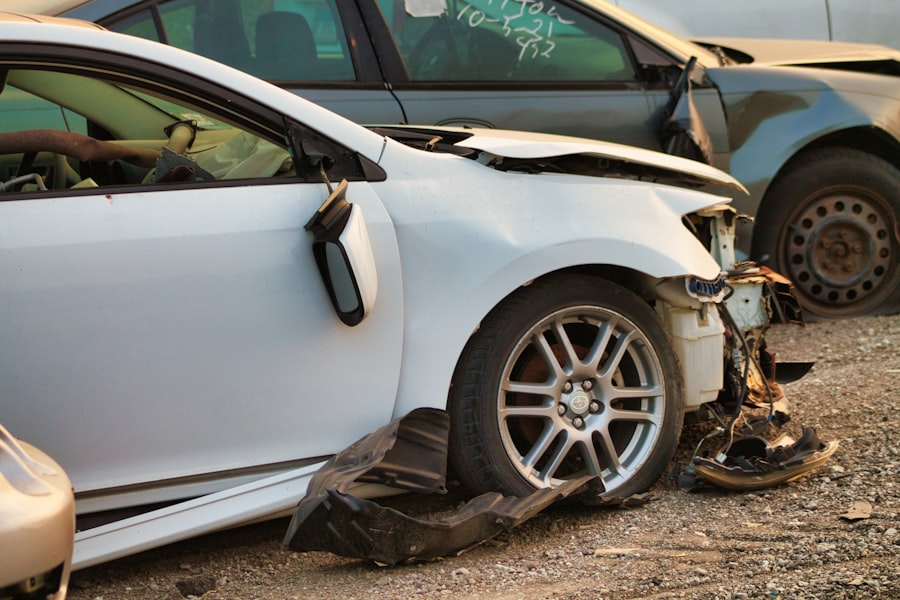
Uninsured/underinsured motorist (UM/UIM) coverage provides essential protection for drivers involved in accidents with individuals who lack adequate insurance or are completely uninsured. This type of coverage ensures that policyholders are not left financially vulnerable due to another driver’s negligence or lack of responsibility. UM/UIM coverage typically extends to bodily injury claims and may also cover property damage depending on state regulations.
In many states, uninsured motorist coverage is mandatory; however, underinsured motorist coverage may be optional. Given that a significant percentage of drivers operate vehicles without sufficient insurance, having UM/UIM coverage can be a crucial safeguard against unexpected financial burdens resulting from accidents caused by others. It is advisable for drivers to assess their state’s requirements and consider adding this type of coverage for enhanced peace of mind.
Personal Injury Protection (PIP) Coverage
Personal injury protection (PIP) coverage is designed to cover medical expenses and other related costs incurred by the insured driver and passengers following an accident, regardless of fault. PIP typically includes expenses such as hospital bills, rehabilitation costs, lost wages due to injury, and even funeral expenses in the event of a fatal accident. This type of coverage is particularly beneficial in no-fault states where drivers are required to seek compensation from their own insurance providers rather than pursuing claims against at-fault parties.
PIP coverage can significantly alleviate financial stress during recovery from an accident by providing immediate access to funds for medical treatment and related expenses. However, it is essential for policyholders to understand their state’s specific PIP requirements and limits, as these can vary widely. Additionally, some policies may offer optional benefits such as home care services or childcare expenses while recovering from injuries.
Medical Payments Coverage
Medical payments coverage (MedPay) is another form of insurance that provides financial assistance for medical expenses incurred by the insured driver and passengers following an accident. Unlike PIP, which may cover a broader range of expenses including lost wages and rehabilitation costs, MedPay specifically focuses on medical bills resulting from injuries sustained in an accident. MedPay can be particularly advantageous for individuals who may not have health insurance or those seeking additional support for medical expenses after an accident.
This type of coverage typically has lower limits than PIP but can still provide valuable assistance in covering immediate medical costs such as emergency room visits, surgeries, and follow-up care. Understanding the differences between MedPay and PIP can help consumers make informed decisions about their auto insurance policies.
Understanding Deductibles
Deductibles play a crucial role in determining how much policyholders will pay out-of-pocket before their insurance kicks in for claims related to collision or comprehensive coverage. A deductible is essentially a predetermined amount that must be paid by the insured before the insurer covers any remaining costs associated with a claim. For instance, if a driver has a $500 deductible and incurs $2,000 in damages from an accident, they would be responsible for paying $500 while the insurer covers the remaining $1,500.
Choosing an appropriate deductible amount requires careful consideration of individual financial circumstances and risk tolerance. Higher deductibles often result in lower premium costs but can lead to significant expenses if an accident occurs. Conversely, lower deductibles increase premiums but provide more immediate financial relief after a claim.
Striking a balance between premium affordability and potential out-of-pocket costs is essential for effective financial planning.
Factors Affecting Auto Insurance Coverage
Several factors influence auto insurance premiums and coverage options available to consumers. These factors include driving history, age, location, type of vehicle, credit score, and annual mileage driven. For instance, drivers with clean records typically enjoy lower premiums compared to those with multiple accidents or traffic violations on their records.
Additionally, younger drivers often face higher rates due to their lack of experience behind the wheel. Geographic location also plays a significant role in determining premiums; urban areas with higher traffic congestion and crime rates generally result in increased costs compared to rural settings. The make and model of the vehicle can impact premiums as well; luxury cars or those with high repair costs often come with higher rates due to increased risk factors associated with theft or damage.
Understanding these variables can help consumers make informed choices when selecting auto insurance policies.
Conclusion and Tips for Choosing the Right Coverage
In conclusion, navigating the complexities of auto insurance requires careful consideration of various factors including individual needs, driving habits, and financial circumstances. Understanding the different types of coverage—liability, collision, comprehensive, uninsured/underinsured motorist, personal injury protection (PIP), and medical payments—enables consumers to tailor their policies effectively. When selecting auto insurance coverage, it is advisable to assess personal risk factors such as driving history and geographic location while considering budget constraints.
Comparing quotes from multiple insurers can also yield significant savings while ensuring adequate protection levels are maintained.
Ultimately, being well-informed about auto insurance options empowers individuals to make sound decisions that protect themselves financially while promoting safety on the roads.
If you’re looking for ways to save money on your general auto insurance, you may want to consider investing in Amazon stock. According to a recent article on Boogger, Should You Invest in Amazon Stock?, the tech giant has been a solid performer in the stock market and could provide a good return on investment. By making smart financial decisions like investing in Amazon stock, you can potentially free up more funds to put towards your auto insurance premiums.
FAQs
What is general auto insurance?
General auto insurance refers to a type of insurance policy that provides coverage for vehicles against damages, theft, and liability. It is a mandatory requirement for vehicle owners in most states and is designed to protect both the driver and the vehicle in the event of an accident or other unforeseen circumstances.
What does general auto insurance typically cover?
General auto insurance typically covers damages to the insured vehicle, liability for bodily injury or property damage caused to others, medical expenses for the insured and passengers, and in some cases, coverage for uninsured or underinsured motorists. The specific coverage may vary depending on the policy and insurance provider.
How does general auto insurance work?
When a driver purchases a general auto insurance policy, they pay a premium to the insurance company in exchange for coverage. In the event of an accident or other covered incident, the insured can file a claim with the insurance company to receive compensation for the damages or losses incurred, up to the limits of the policy.
What factors can affect the cost of general auto insurance?
The cost of general auto insurance can be influenced by various factors, including the driver’s age, driving record, location, type of vehicle, coverage limits, and deductible. Additionally, insurance companies may also consider factors such as credit history and previous insurance claims when determining the premium for a policy.
Are there different types of general auto insurance coverage?
Yes, there are different types of general auto insurance coverage, including liability coverage, collision coverage, comprehensive coverage, personal injury protection (PIP), and uninsured/underinsured motorist coverage. Drivers can choose the types of coverage that best suit their needs and budget when purchasing a policy.