
Now Reading: Right Brain People
-
01
Right Brain People
Right Brain People

Right Brain People, Unlocking Creativity: The Unique Strengths of Right-Brain Thinkers
In a world that often prioritizes logic and analytical thinking, the unique strengths of right-brain thinkers deserve a spotlight all their own. Celebrated for their imaginative and intuitive approaches, these individuals harness the power of creativity in ways that can transform ideas into reality. Right Brain People
From artists and musicians to innovative problem-solvers and visionary entrepreneurs, right-brain thinkers thrive on making connections that others may overlook, crafting solutions that are as inspired as they are effective. In this blog post, we will delve into the fascinating characteristics that define right-brain thinkers, exploring how their distinct perspectives not only enrich their own lives but also contribute to the broader tapestry of human creativity. Join us as we unlock the secrets of the right-brain mindset and discover how embracing these unique strengths can lead to personal growth and groundbreaking innovation.
Understanding Right-Brain vs. Left-Brain Thinking
To fully appreciate the unique strengths of right-brain thinkers, it’s essential to grasp the fundamental distinctions between right-brain and left-brain thinking. The left hemisphere of the brain has long been associated with logic, analytical reasoning, and structured thought processes. Those who predominantly engage in left-brain thinking tend to excel in tasks that require organization, critical analysis, and detailed planning—qualities that are invaluable in fields such as mathematics, science, and law.
In contrast, the right hemisphere is often linked to creativity, intuition, and holistic thinking. Right-brain thinkers possess an innate ability to see the big picture, think outside the box, and approach problems from unconventional angles. They thrive in environments that allow for artistic expression, spontaneous ideas, and emotional connections. Whether it’s a painter crafting a masterpiece, a writer weaving compelling narratives, or a marketer devising a captivating campaign, right-brain thinkers harness their imaginative faculties to innovate and inspire.
Understanding this dichotomy is key not only to recognizing the strengths of right-brain thinkers but also to fostering an environment where creativity can flourish. By appreciating the distinct contributions of both hemispheres, we can create collaborative spaces where logical reasoning and creative thinking coexist harmoniously. This balance can lead to groundbreaking ideas and solutions that push boundaries and redefine possibilities. Ultimately, embracing the strengths of right-brain thinking can unlock a wealth of creativity, making it a vital asset in today’s fast-paced and ever-evolving world.
Defining Creativity: What Does It Mean?
Creativity is often seen as a nebulous concept, eluding precise definition while permeating every aspect of our lives, from art and music to problem-solving and innovation. At its core, creativity involves the ability to generate original ideas, approach challenges from novel perspectives, and connect disparate concepts in ways that lead to fresh insights. It is not solely about artistic expression; rather, it encompasses a broader spectrum of cognitive processes that enable individuals to think outside the conventional frameworks and explore uncharted territories of thought.
For right-brain thinkers, creativity is often characterized by intuition, imagination, and emotional depth. These individuals possess a unique ability to see the world through a lens of possibility, allowing them to embrace ambiguity and uncertainty as tools for exploration. They thrive in environments that encourage free thought and experimentation, unshackled by rigid rules or predefined outcomes. This fluidity in thinking enables them to draw upon their rich emotional experiences, fostering an innate sense of empathy that can lead to profound, impactful creations.
Moreover, creativity is not a finite resource; it can be cultivated and nurtured. For right-brain thinkers, this means embracing playfulness, allowing themselves the freedom to fail, and recognizing that each misstep can be a stepping stone to greater innovation. It thrives on collaboration, drawing inspiration from diverse perspectives and experiences, and is often sparked by the interplay of ideas in dynamic environments. Ultimately, defining creativity is about recognizing it as a powerful force that not only enriches our personal lives but also propels society forward, challenging the status quo and igniting change in ways we may never have imagined. Right Brain People
Characteristics of Right-Brain Thinkers
Right-brain thinkers are often characterized by their vibrant and imaginative approach to life, setting them apart in a world that frequently prioritizes logic and linear thinking. One of the most prominent traits of these creative minds is their strong ability to visualize concepts and ideas. They often excel in seeing the ‘big picture,’ allowing them to draw connections between seemingly unrelated elements and generate innovative solutions.
Additionally, right-brain thinkers are known for their intuitive nature. They tend to rely on gut feelings and emotions when making decisions, which can lead to groundbreaking ideas and artistic expressions. This intuition is often accompanied by a heightened sense of empathy, allowing them to connect with others on a deeper level. They are adept at understanding feelings and perspectives, making them exceptional collaborators and communicators in team settings.
Moreover, these individuals often possess a unique sense of playfulness and curiosity. They approach challenges with a sense of adventure, unafraid to experiment and explore new possibilities. This willingness to take risks fosters a dynamic environment where creativity can flourish. Their open-mindedness encourages them to challenge the status quo, leading to fresh and unconventional ideas.
Right-brain thinkers also tend to be more comfortable with ambiguity. While many may shy away from uncertainty, these creative souls embrace it, viewing it as an opportunity for exploration rather than a barrier. This ability to thrive in ambiguity often results in innovative breakthroughs that can transform industries and inspire others.
Lastly, the artistic inclinations of right-brain thinkers manifest in their love for aesthetics and beauty. They appreciate the visual and sensory aspects of the world around them, often infusing their work and personal lives with color, design, and creativity. This aesthetic sensibility not only enriches their own experience but also enhances the experiences of those around them, making the world a more vibrant place. Right Brain People
In summary, the characteristics of right-brain thinkers—visualization, intuition, empathy, playfulness, comfort with ambiguity, and an appreciation for aesthetics—combine to create a unique set of strengths that can drive innovation and inspire creativity in various fields. Embracing these traits can unlock potential not only for right-brain thinkers themselves but for anyone willing to cultivate a more creative mindset.

The Role of Emotions in Creative Thinking
Emotions play a pivotal role in the creative thinking process, especially for right-brain thinkers, who often rely on intuitive and emotional responses to fuel their creativity. Unlike the logical, analytical approach associated with left-brain thinking, right-brain thinkers harness their feelings as a powerful source of inspiration. This emotional depth allows them to view the world through a different lens, tapping into personal experiences, memories, and sensations that enrich their creative output.
For right-brain thinkers, emotions are not just a backdrop but an integral part of the creative canvas. Whether it’s the joy of a cherished memory or the melancholy of a bittersweet moment, these feelings can evoke imagery, concepts, and ideas that resonate on a deeper level. This emotional connection can lead to innovative solutions and artistic expressions that might otherwise go unexplored.
Consider how many renowned artists, writers, and musicians draw from their emotional landscapes to create works that touch the hearts of others. The passionate strokes of a painter’s brush or the poignant lyrics of a song often stem from a raw, emotional experience. Right-brain thinkers excel at translating these feelings into tangible forms of expression, allowing their audiences to connect with the underlying emotions embedded in their work.
Moreover, emotions can stimulate divergent thinking—the ability to generate multiple ideas or solutions to a problem. When right-brain thinkers embrace their emotional responses, they can break free from conventional thought patterns, allowing their creativity to flourish in unexpected directions. This can lead to innovative ideas that challenge the norm and push the boundaries of conventional thinking. Right Brain People
In a world that often prioritizes rationality and data-driven decision-making, recognizing the importance of emotions in creativity is essential. Embracing the unique strengths of right-brain thinkers not only enhances individual creativity but also fosters collaboration and innovation across diverse fields, ultimately unlocking a wealth of new ideas and possibilities.
How Right-Brain Thinkers Approach Problem-Solving (Right Brain People)
Right-brain thinkers possess a distinct approach to problem-solving that sets them apart from their left-brain counterparts. Embracing a more holistic and intuitive methodology, these individuals often view challenges through a lens of creativity and imagination. While traditional problem-solving may rely heavily on logical reasoning and structured analysis, right-brain thinkers tend to prioritize emotional resonance and big-picture thinking.
When faced with a problem, a right-brain thinker might first take a step back to explore the broader context. They excel at identifying patterns and connections that others may overlook, allowing them to see solutions that are not immediately obvious. This ability to think outside the box is often fueled by an innate curiosity and a willingness to explore unconventional ideas. Instead of confining themselves to established protocols, they embrace experimentation and trial-and-error as vital components of the problem-solving process.
Moreover, right-brain thinkers often utilize visualization techniques to conceptualize their ideas. By creating mental images or sketches of potential solutions, they can better assess the feasibility and impact of their ideas. This imaginative approach not only aids in clarity but also fosters a deeper emotional connection to the solutions they propose. They understand that the best solutions often resonate on a personal level, not just an operational one.
Collaboration is another hallmark of the right-brain problem-solving approach. These thinkers thrive in environments that encourage brainstorming and collective creativity. By engaging with diverse perspectives, they can synthesize a variety of ideas into innovative solutions. This collaborative spirit is rooted in their belief that the best answers often emerge from the interplay of different viewpoints. Right Brain People
In summary, the problem-solving techniques of right-brain thinkers are characterized by creativity, intuition, and collaboration. Their unique ability to connect disparate ideas and visualize solutions makes them invaluable in any team setting. By embracing their imaginative strengths, right-brain thinkers unlock a world of possibilities, turning challenges into opportunities for innovation and growth.
The Importance of Intuition in the Creative Process
Intuition plays a pivotal role in the creative process, serving as a guiding force that helps right-brain thinkers navigate uncharted territories of imagination and inspiration. Unlike the linear, analytical thought processes often associated with left-brain thinkers, intuition allows creative individuals to draw upon a deeper, almost instinctual understanding of their work. This innate ability to perceive connections, foresee outcomes, and tap into emotions is what sets right-brain thinkers apart in their creative endeavors.
When faced with a blank canvas or an empty page, right-brain thinkers often rely on their intuition to guide their choices. This might manifest as a sudden flash of inspiration or an inexplicable urge to explore a particular theme or medium. It’s this willingness to embrace the unknown and trust their gut feelings that often leads to groundbreaking ideas and innovative solutions. For example, a painter might instinctively choose bold colors to convey a specific mood, while a writer might find themselves drawn to a unique narrative structure that feels right, even if it defies conventional storytelling norms.
Moreover, intuition allows right-brain thinkers to connect with their audience on a visceral level. By tapping into their own emotions and experiences, they create work that resonates deeply with others. This connection often transcends logic, allowing audiences to engage with art, music, or literature in a way that feels personal and meaningful. The intuitive process not only enriches the creator’s experience but also fosters an emotional bond with those who encounter their work. Right Brain People
However, intuition is not merely a fleeting whim; it can be cultivated through practice and self-reflection. Right-brain thinkers can enhance their intuitive skills by engaging in activities that promote mindfulness and creativity, such as meditation, journaling, or free-form sketching. By creating a space for their thoughts and feelings to flow freely, they can strengthen their intuition and refine their creative instincts. Right Brain People
In conclusion, intuition is an essential ingredient in the creative process for right-brain thinkers. It empowers them to embrace unpredictability, make profound connections, and ultimately unlock their fullest creative potential. By honoring and nurturing this intuitive aspect of their creativity, they can continue to push boundaries and explore new realms of artistic expression.

Case Studies: Successful Right-Brain Thinkers in Various Fields (Right Brain People)
When exploring the landscape of creativity, it’s impossible to overlook the remarkable contributions of right-brain thinkers across diverse fields. These individuals have harnessed their intuition, innovation, and emotional insight to carve out exceptional paths in their respective industries. Here, we delve into inspiring case studies that highlight the unique strengths of right-brain thinkers and their impact on art, business, science, and beyond. Right Brain People
Pablo Picasso – The Revolutionary Artist
Pablo Picasso, one of the most influential artists of the 20th century, exemplifies the power of right-brain thinking in the world of visual arts. His ability to see beyond traditional perspectives allowed him to pioneer movements like Cubism, breaking down forms and reassembling them into something entirely new. Picasso’s innovative techniques and emotional expression continue to inspire artists today, demonstrating how right-brain creativity can redefine boundaries and perceptions within the art world.
Steve Jobs – The Visionary Entrepreneur
In technology, Steve Jobs stands out as a quintessential right-brain thinker. His visionary approach to design and user experience transformed the tech landscape. Jobs believed that technology should not only function well but also resonate with users on an emotional level. This philosophy led to the creation of iconic products like the iPhone and MacBook, which not only excelled in functionality but also in aesthetic appeal. His holistic view of product development showcases how right-brain thinkers can drive innovation by integrating creativity with practical application.
Maya Angelou – The Poetic Storyteller
Maya Angelou, an acclaimed poet, memoirist, and civil rights activist, harnessed her right-brain strengths to convey powerful messages through her writing. Her ability to weave personal experiences with universal themes of resilience and hope has left an indelible mark on literature and society. Angelou’s unique storytelling style, rich with imagery and emotion, underscores the importance of intuition and empathy in connecting with audiences, illustrating how right-brain creativity can foster understanding and inspire change.
Richard Branson – The Adventurous Innovator
Richard Branson, founder of the Virgin Group, embodies the spirit of a right-brain thinker in the business world. Known for his adventurous approach to entrepreneurship, Branson has built a diverse empire that includes music, airlines, and space travel. His willingness to take risks and think outside the box has resulted in groundbreaking ventures that challenge the status quo. Branson’s success story highlights how embracing creativity and intuition can lead to unprecedented opportunities and growth. Right Brain People
Albert Einstein – The Creative Scientist
Albert Einstein, often celebrated for his groundbreaking contributions to physics, also exemplifies the strengths of right-brain thinking in science. His ability to visualize complex concepts and embrace imaginative thought processes allowed him to develop revolutionary theories, such as relativity. Einstein’s emphasis on creativity in scientific inquiry serves as a reminder that innovation often arises from the interplay of logic and imagination, showcasing the vital role of right-brain thinkers in advancing human knowledge.
These case studies illustrate that right-brain thinkers possess an extraordinary capacity to innovate, inspire, and transform their fields. By embracing intuition, emotional intelligence, and creative problem-solving, they challenge conventional wisdom and pave the way for new possibilities. Whether in art, business, or science, the unique strengths of right-brain thinkers continue to shape our world, reminding us of the boundless potential of creativity. Right Brain People
Techniques to Foster Right-Brain Creativity
Fostering right-brain creativity requires a blend of techniques that engage the imagination, encourage free-thinking, and create an environment ripe for inspiration. Here are some effective methods to unlock the creative potential within you:
- Mind Mapping: This technique allows you to visually organize thoughts and ideas. Start with a central concept in the middle of a blank page, then branch out with related ideas and concepts. The visual nature of mind mapping stimulates the right hemisphere, helping to generate new connections and insights.
- Doodling and Sketching: You don’t have to be an artist to benefit from doodling. Allowing your hand to move freely across the page can unleash ideas that are often trapped in the confines of structured thinking. Keep a sketchbook handy, and let your imagination flow without the pressure of perfection.
- Change Your Environment: Sometimes, a shift in your surroundings can spark creativity. Try working in a different space—be it a cozy café, a park, or even a different room in your home. The new sights, sounds, and smells can stimulate your senses and inspire fresh ideas.
- Engage in Play: Playfulness is at the heart of creativity. Engage in activities that allow you to explore without constraints, such as improvisational games, role-playing, or even playful challenges. These activities encourage a playful mindset, enabling innovative thinking.
- Set Aside Time for Daydreaming: In our fast-paced world, we often overlook the power of daydreaming. Allowing your mind to wander can lead to unexpected insights and creative breakthroughs. Schedule regular moments of quiet reflection or simply let your thoughts drift during a leisurely walk.
- Use Creative Prompts: Creative prompts, such as writing exercises or visual challenges, can provide the initial spark you need to jump-start your imagination. These prompts can range from “What if…?” scenarios to random word generators that challenge you to create a story or concept around them.
- Collaborative Brainstorming: Two (or more) minds are often better than one. Gather a group of like-minded individuals, and engage in collaborative brainstorming sessions. The diverse perspectives and ideas that emerge can lead to innovative solutions and inspire you in unexpected ways.
By incorporating these techniques into your routine, you can cultivate an environment where right-brain creativity thrives. Embrace the unique strengths of your imaginative mind, and watch as your creative potential unfolds in remarkable ways.
Overcoming Common Challenges for Right-Brain Thinkers
Right-brain thinkers are often celebrated for their creative prowess and innovative approaches, but like any strength, this unique way of thinking comes with its own set of challenges. Understanding and overcoming these hurdles can lead to greater success and fulfillment in both personal and professional realms.
One of the most common challenges faced by right-brain thinkers is a struggle with organization and structure. While their minds are brimming with imaginative ideas, they may find it difficult to translate those visions into actionable plans. To counteract this, right-brain thinkers can benefit from techniques such as mind mapping or brainstorming sessions that allow them to visually organize their thoughts. Utilizing tools like project management software or simple to-do lists can help turn their creative concepts into concrete steps, ensuring that none of their brilliant ideas fall through the cracks. Right Brain People
Another hurdle is the tendency towards distraction. With a strong inclination towards exploration and spontaneity, right-brain thinkers can easily become sidetracked, making it difficult to focus on tasks that require sustained attention. Setting specific time blocks for focused work, while allowing for breaks that satisfy their need for variety, can help mitigate this challenge. Incorporating techniques such as the Pomodoro Technique—working in short bursts followed by brief breaks—can enhance concentration while keeping the creative juices flowing. Right Brain People
Additionally, right-brain thinkers may occasionally struggle with self-doubt or the fear of judgment. Their work is often deeply personal, and the vulnerability that comes with sharing creative expressions can be daunting. Building a supportive network of fellow creatives or seeking mentorship can provide encouragement and constructive feedback, helping to bolster confidence and resilience. Engaging in self-reflection through journaling or meditation can also facilitate a deeper understanding of their unique perspectives, further empowering them to embrace their creativity without fear.
By acknowledging and addressing these common challenges, right-brain thinkers can unlock their full potential. Harnessing their creative strengths while implementing strategies to overcome obstacles enables them to thrive, bringing innovation and fresh perspectives to a world that craves originality. Right Brain People
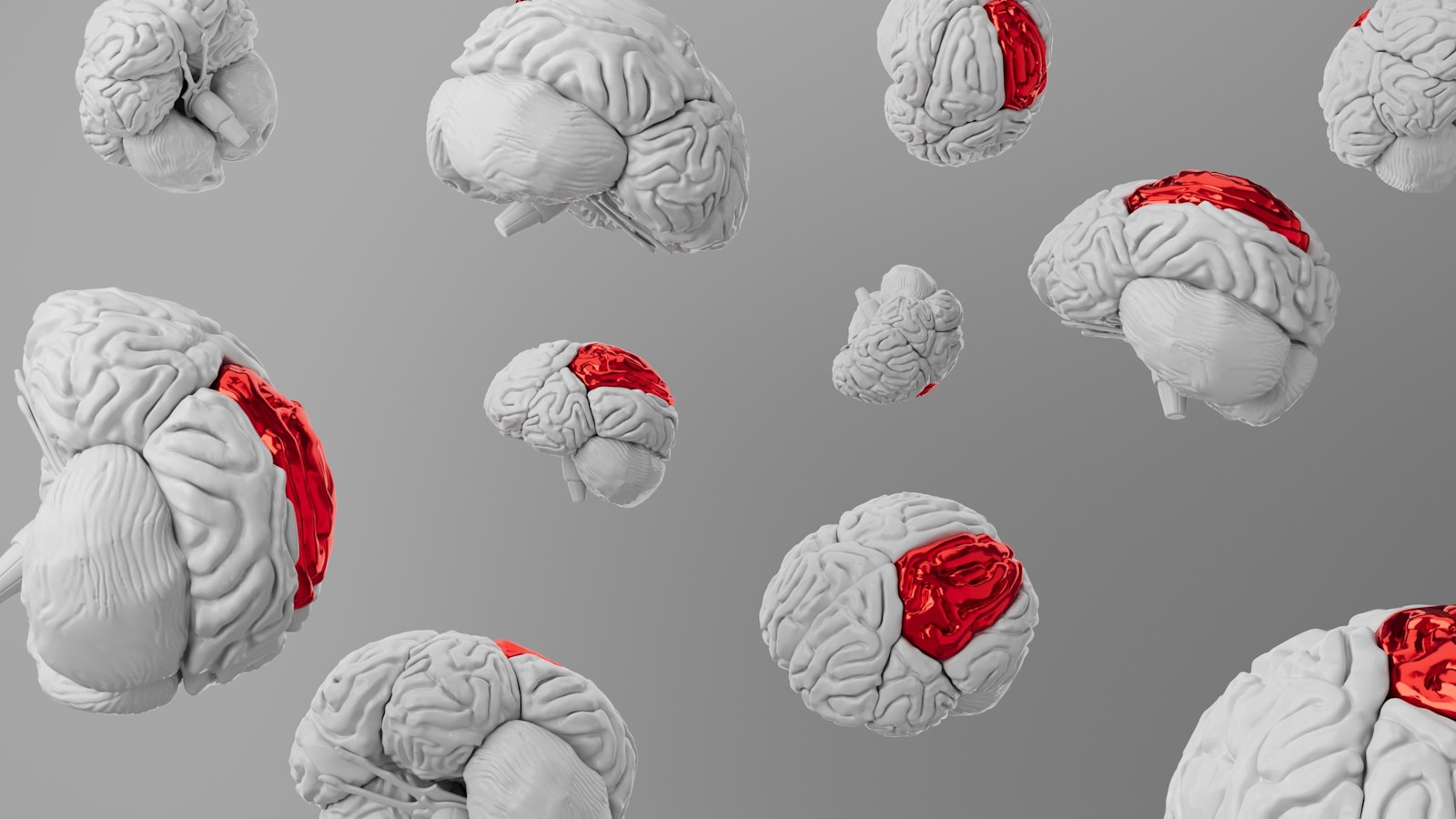
Integrating Right-Brain and Left-Brain Strengths
In the dynamic landscape of problem-solving and innovation, the integration of right-brain and left-brain strengths can create a powerful synergy that enhances creativity and productivity. Right-brain thinkers, often characterized by their intuitive, holistic, and imaginative approaches, can bring a fresh perspective to challenges that require out-of-the-box solutions. Conversely, left-brain thinkers excel in logical reasoning, analytical thinking, and structured organization—qualities that are essential for implementing ideas effectively.
To harness the full potential of both hemispheres, it’s crucial to foster an environment that encourages collaboration. For example, consider a brainstorming session where right-brain thinkers are tasked with generating wild and creative ideas without constraints, while left-brain thinkers focus on sorting, categorizing, and refining those ideas into actionable plans. This collaborative approach not only allows for a rich pool of creative concepts but also ensures that they are rooted in practicality and feasibility. Right Brain People
Moreover, in day-to-day operations, businesses can benefit from this integration by encouraging cross-disciplinary teams. By pairing creative individuals with analytical minds, companies can create a culture of innovation that values both creativity and critical thinking. Workshops that blend creative brainstorming with structured planning can lead to breakthroughs that might not emerge in isolation.
Additionally, individuals can develop their own cognitive flexibility by engaging in activities that stimulate both sides of the brain. For instance, someone might explore creative pursuits like painting or writing while also dedicating time to logical challenges such as puzzles or coding. This balance not only enhances personal growth but also fosters a more holistic way of thinking, ultimately leading to innovative solutions that are both imaginative and executable.
By recognizing the unique strengths of right-brain thinkers and actively integrating them with left-brain capabilities, we can unlock a new realm of creativity that drives success in various fields. Embracing this duality not only enriches our problem-solving toolkit but also paves the way for groundbreaking ideas that can transform industries and inspire future generations.
The Role of Environment in Unlocking Creativity, Right Brain People
The environment in which we create plays a pivotal role in unlocking the latent creativity that resides within right-brain thinkers. Unlike their left-brain counterparts, who may thrive in structured and orderly settings, right-brain thinkers often flourish in spaces that inspire spontaneity and evoke imagination. These individuals are naturally attuned to their surroundings, drawing inspiration from colors, textures, and sounds that might go unnoticed by others. Right Brain People
Creating a conducive environment for creativity can involve several elements. For starters, consider the physical layout of your workspace. Open spaces filled with natural light can spark innovative thoughts, while cozy nooks adorned with personal artifacts may foster introspection and creativity. Incorporating plants or artwork can further enhance this ambiance, as nature and aesthetics stimulate the senses and promote a sense of calmness.
Additionally, the atmosphere should encourage fluidity and flexibility. Implementing areas for collaboration, such as communal tables or brainstorming zones, can facilitate the exchange of ideas and ignite creative discussions. On the flip side, having quiet corners where one can retreat for reflection and solitary thought can also be beneficial for right-brain thinkers who may need time to process their ideas internally. Right Brain People
Furthermore, consider the sensory elements of your environment. Soft music or ambient sounds can create a backdrop that fosters creativity, while disruptive noise can stifle it. Aromas, too, play a crucial role; scents like citrus or peppermint have been shown to boost alertness and creativity.
Ultimately, the goal is to curate an environment that resonates with the unique sensibilities of right-brain thinkers. By thoughtfully designing spaces that embrace their need for inspiration, freedom, and sensory engagement, we can unlock their creative potential and pave the way for innovative ideas to flourish. Right Brain People
Practical Exercises to Enhance Creative Thinking
Cultivating creativity is much like nurturing a garden; it requires intention, care, and the right tools to flourish. For right-brain thinkers, who naturally gravitate toward imaginative and intuitive approaches, practical exercises can help unlock even greater creative potential. Here are several activities designed to enhance your creative thinking:
- Mind Mapping: Begin with a central idea and allow your thoughts to branch out freely. Use colors, images, and symbols to visually represent connections. This exercise encourages associative thinking and can lead to unexpected insights.
- Free Writing: Set a timer for 10-15 minutes and write without stopping. Don’t worry about grammar, spelling, or coherence – just let your thoughts flow. This stream-of-consciousness technique can unearth hidden ideas and help you break free from mental blocks.
- Daily Doodles: Keep a sketchbook handy and make it a habit to doodle every day. Let your pen roam freely across the page, creating shapes, patterns, or characters. This playful approach can stimulate your imagination and encourage new ways of thinking.
- Role-Playing: Step into someone else’s shoes – whether it’s a character from a book, a historical figure, or even a friend. By exploring different perspectives, you can gain fresh insights and inspire innovative solutions to problems.
- Nature Walks: Spend time outdoors, soaking in the sights and sounds of nature. Allow your mind to wander as you observe your surroundings. Nature has a unique way of sparking creativity, and the tranquility can help clear mental clutter.
- Collaborative Brainstorming: Gather a group of like-minded individuals and engage in a brainstorming session. Encourage wild ideas and build upon each other’s thoughts. The synergy of collaborative energy can lead to breakthroughs you might not achieve alone.
- Limitations as Catalysts: Try setting constraints around a project, such as using only certain materials or adhering to a strict timeline. These limitations can push you to think outside the box and develop inventive solutions.
By integrating these practical exercises into your routine, you can sharpen your creative thinking skills and unlock the full potential of your right-brain abilities. Remember, creativity thrives on experimentation, so embrace the process and enjoy the journey of discovery! Right Brain People
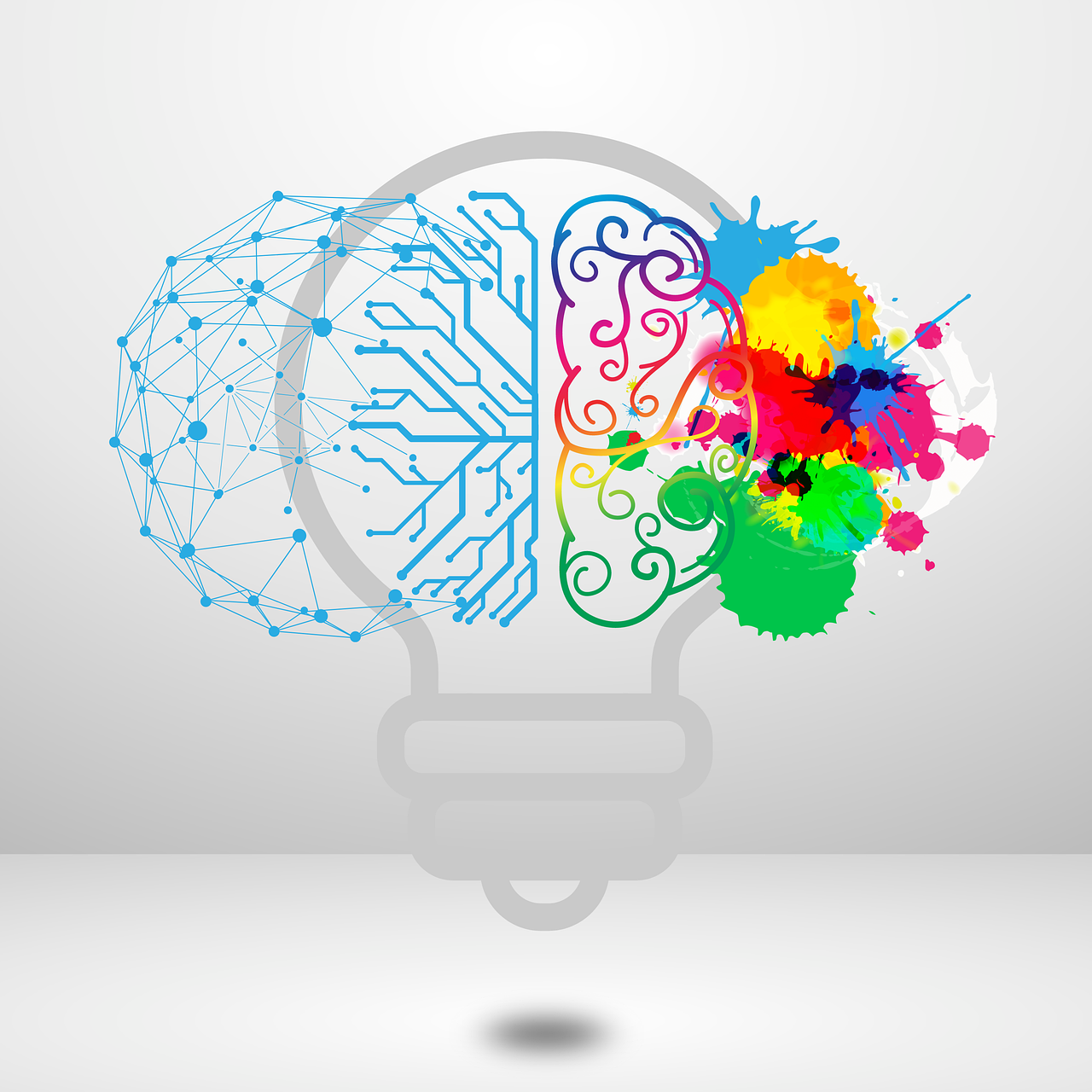
Celebrating Divergent Thinking: Embracing Unconventional Ideas
Divergent thinking is the heartbeat of creativity, and right-brain thinkers thrive in this vibrant space where unconventional ideas blossom. Unlike traditional linear thinking, which often seeks one correct answer, divergent thinking encourages a multitude of possibilities. It’s a playful exploration of ideas that invites experimentation and embraces the unexpected.
Right Brain People. Consider the way an artist may approach a blank canvas: rather than adhering to established techniques or conventional perspectives, they might splash colors, shape forms, or even incorporate elements of surprise—like unexpected textures or mixed media. This willingness to deviate from the norm not only fuels artistic expression but can also lead to groundbreaking solutions in various fields, from technology to marketing.
Right-brain thinkers often see connections where others see chaos. They possess an innate ability to synthesize diverse concepts, weaving them into a cohesive narrative that is both innovative and engaging. This skill is particularly valuable in brainstorming sessions, where the goal is to generate a plethora of ideas without immediate judgment or critique. By creating an environment that celebrates divergent thinking, organizations can unlock creativity that leads to fresh perspectives and unique products. Right Brain People
Embracing unconventional ideas means fostering a culture that values curiosity and experimentation. Encourage team members to share outlandish concepts during meetings and reward those who dare to think differently. Remember, some of the world’s greatest inventions and artistic masterpieces began as seemingly ludicrous thoughts.
By nurturing this spirit of divergence, we not only honor the unique strengths of right-brain thinkers but also pave the way for innovation that can transform industries and enrich our lives. So go ahead—celebrate those unconventional ideas, for they just might hold the key to unlocking your next big breakthrough!
How to Support Right Brain People in Collaborative Settings
Supporting right-brain thinkers in collaborative settings requires a nuanced understanding of their unique strengths and creative processes. These individuals, often characterized by their intuitive thinking, emotional depth, and imaginative capabilities, thrive in environments that embrace flexibility and encourage diverse forms of expression. As they embark on creative endeavors, here are several effective strategies to ensure their talents are recognized and nurtured within team dynamics.
- Foster an Open and Inclusive Atmosphere: Create a collaborative space where all team members feel valued and heard. Encourage brainstorming sessions that allow right-brain thinkers to share their innovative ideas without fear of critique. Establishing a safe environment can spark the kind of creative synergy that leads to groundbreaking solutions.
- Embrace Diverse Thinking Styles: Right-brain thinkers often approach problems from unconventional angles. Encourage team members to share their unique perspectives and acknowledge the value of different thinking styles. This could involve integrating activities that celebrate creativity, such as mind mapping or visual storytelling, which cater to the strengths of right-brain thinkers.
- Provide Flexibility in Work Processes: Structure can sometimes stifle creativity, so allow for flexible workflows that adapt to the needs of right-brain thinkers. This might mean permitting non-linear project timelines or allowing team members to choose their preferred methods for completing tasks. Flexibility can inspire new ideas and innovative approaches that benefit the entire team.
- Incorporate Visual Elements: Right-brain thinkers often respond well to visual stimuli. Consider using diagrams, sketches, or mood boards during collaborative sessions to communicate ideas more effectively. Visual aids can help bridge the gap between abstract concepts and concrete plans, making it easier for all team members to engage with the creative process.
- Celebrate Creative Wins: Recognize and celebrate the contributions of right-brain thinkers within the team. Acknowledgment not only boosts morale but also reinforces the importance of creativity in achieving collective goals. By showcasing innovative ideas or successful projects that stem from right-brain thinking, you can inspire further creativity and collaboration.
By implementing these strategies, teams can create an environment that not only supports but actively champions the unique strengths of right-brain thinkers. In doing so, organizations can unlock a wealth of creativity that leads to innovative solutions and a more dynamic, engaging workplace.
Conclusion: Harnessing the Power of Right-Brain Creativity (Right Brain People)
In conclusion, harnessing the power of right-brain creativity is not just about tapping into artistic expression or imaginative ideas; it’s about recognizing the profound impact that this mode of thinking can have on problem-solving, innovation, and personal development. Right-brain thinkers possess a unique ability to see the world through a lens of intuition and holistic understanding, allowing them to connect disparate ideas and generate solutions that may elude more linear thinkers. Right Brain People
As we move into an increasingly complex and fast-paced world, the value of creativity cannot be overstated. Organizations and individuals alike can benefit from leveraging the strengths of right-brain thinkers to foster a culture of creativity that encourages experimentation, embraces ambiguity, and celebrates unconventional approaches.
To truly unlock this potential, it’s essential to create environments that nurture and support creative thinking. This could involve brainstorming sessions that prioritize free-flowing ideas, workshops that encourage artistic exploration, or simply Right Brain Peopleallowing time for daydreaming and reflection. By doing so, we not only enhance our own creative capacities but also improve collaboration and communication across diverse teams.
Ultimately, the journey of harnessing right-brain creativity is an invitation to embrace curiosity, explore the unknown, and redefine possibilities. So, let us celebrate the unique strengths of right-brain thinkers and commit to cultivating a world where creativity thrives, leading us to innovative solutions and deeper connections. Remember, in a world that often prioritizes the conventional, it is the creative mind that can truly change the game. Right Brain People
In conclusion, embracing the unique strengths of right-brain thinkers can profoundly enhance our approach to creativity and problem-solving. By tapping into their ability to think outside the box, visualize concepts, and connect seemingly unrelated ideas, we can cultivate a more dynamic and innovative environment in both personal and professional realms. The insights shared in this post serve as a reminder of the value of diverse thinking styles and the importance of fostering an atmosphere where creativity can thrive.
So, whether you identify as a right-brain thinker or simply wish to incorporate their strengths into your own life, remember that creativity is not just a talent—it’s a powerful tool that can unlock endless possibilities. Embrace your creative journey and let your imagination soar! Right Brain People
Understanding the Save Act: A Game Changer for Financial Literacy and Savings


