Now Reading: Understanding Different Cardiovascular Diseases
-
01
Understanding Different Cardiovascular Diseases
Understanding Different Cardiovascular Diseases
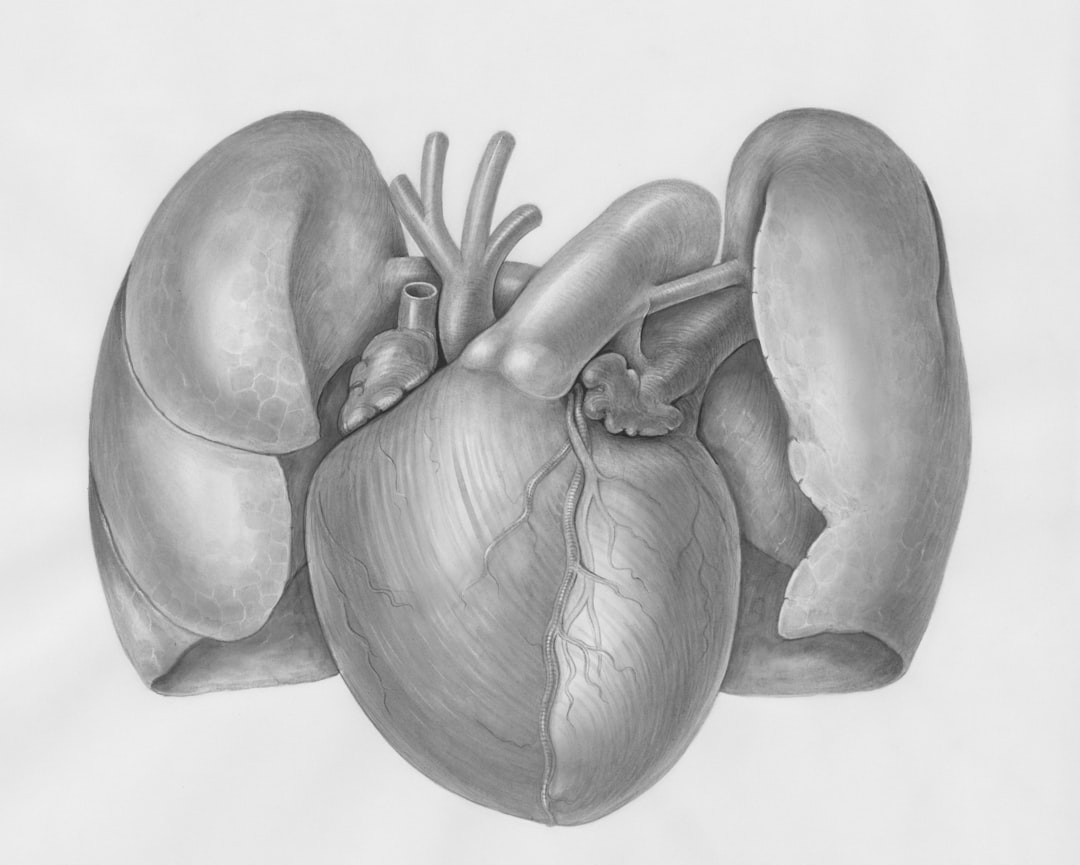
Cardiovascular diseases (CVDs) encompass a broad spectrum of disorders affecting the heart and blood vessels, representing a leading cause of morbidity and mortality worldwide. According to the World Health Organization, CVDs account for approximately 32% of all global deaths, underscoring the critical need for awareness, prevention, and effective management strategies. The term “cardiovascular disease” includes conditions such as coronary artery disease, heart failure, arrhythmias, and cerebrovascular diseases, which can significantly impair quality of life and lead to severe health complications.
The pathophysiology of cardiovascular diseases is complex, often involving a combination of genetic predispositions, lifestyle choices, and environmental factors. Atherosclerosis, characterized by the buildup of plaque in arterial walls, is a common underlying mechanism that can lead to ischemic heart disease and stroke. Understanding the multifaceted nature of CVDs is essential for developing targeted interventions and improving patient outcomes.
Key Takeaways
- Cardiovascular diseases are the leading cause of death globally, affecting the heart and blood vessels.
- Common risk factors for cardiovascular diseases include high blood pressure, high cholesterol, smoking, diabetes, and obesity.
- A heart attack occurs when blood flow to the heart is blocked, leading to damage or death of heart muscle tissue.
- Coronary artery disease, arrhythmia, and heart failure are common types of heart disease with different causes and symptoms.
- Symptoms of cardiovascular diseases include chest pain, shortness of breath, fatigue, and dizziness, and early diagnosis and screening are crucial for effective treatment.
Common Risk Factors for Cardiovascular Diseases
Several risk factors contribute to the development of cardiovascular diseases, many of which are modifiable through lifestyle changes and medical interventions. Key risk factors include hypertension, hyperlipidemia, diabetes mellitus, obesity, smoking, and physical inactivity. Each of these factors plays a significant role in the pathogenesis of CVDs by promoting endothelial dysfunction, inflammation, and arterial stiffness.
1. **Hypertension**: Elevated blood pressure is a major risk factor for heart disease and stroke. It can lead to left ventricular hypertrophy and increase the workload on the heart.
2.
**Hyperlipidemia**: High levels of low-density lipoprotein (LDL) cholesterol contribute to plaque formation in arteries, increasing the risk of coronary artery disease.
3. **Diabetes Mellitus**: Individuals with diabetes are at a higher risk for cardiovascular events due to associated metabolic abnormalities that promote atherosclerosis.
4. **Obesity**: Excess body weight is linked to hypertension, dyslipidemia, and insulin resistance, all of which elevate cardiovascular risk.
5.
**Smoking**: Tobacco use damages blood vessels and promotes clot formation, significantly increasing the likelihood of heart attacks and strokes.
6. **Physical Inactivity**: Sedentary lifestyles contribute to obesity and metabolic syndrome, further exacerbating cardiovascular risk.
Understanding Heart Attack and its Causes
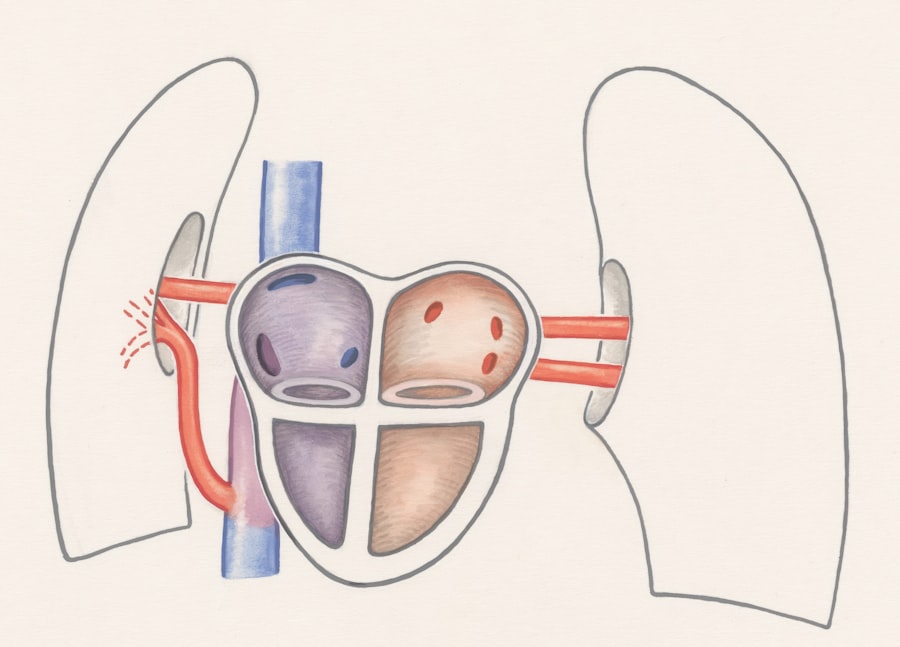
A heart attack, or myocardial infarction (MI), occurs when blood flow to a portion of the heart muscle is obstructed, typically due to a blood clot that forms on a ruptured atherosclerotic plaque. This interruption in blood supply leads to ischemia and subsequent necrosis of cardiac tissue if not promptly addressed. The severity of an MI can vary based on the extent of blockage and the duration of ischemia.
Several factors can precipitate a heart attack, including intense physical exertion, emotional stress, or the presence of pre-existing coronary artery disease. Risk factors such as hypertension, hyperlipidemia, and diabetes significantly increase the likelihood of plaque rupture and thrombus formation. Additionally, lifestyle choices such as smoking and poor dietary habits can exacerbate these underlying conditions.
Types of Heart Disease: Coronary Artery Disease, Arrhythmia, and Heart Failure
| Heart Disease Type | Description |
|---|---|
| Coronary Artery Disease | Buildup of plaque in the arteries, leading to reduced blood flow to the heart. |
| Arrhythmia | Irregular heart rhythm, which can be too fast, too slow, or erratic. |
| Heart Failure | Heart is unable to pump enough blood to meet the body’s needs. |
Coronary artery disease (CAD) is the most prevalent form of heart disease, characterized by the narrowing or blockage of coronary arteries due to atherosclerosis. This condition can lead to angina pectoris (chest pain) and myocardial infarction if left untreated. CAD is often managed through lifestyle modifications, pharmacotherapy, and surgical interventions such as angioplasty or coronary artery bypass grafting (CABG).
Arrhythmias refer to abnormal heart rhythms that can disrupt normal cardiac function. These may manifest as bradycardia (slow heart rate), tachycardia (fast heart rate), or irregular rhythms such as atrial fibrillation. While some arrhythmias are benign, others can lead to serious complications like stroke or sudden cardiac arrest.
Treatment options range from lifestyle changes and medications to invasive procedures like catheter ablation. Heart failure is a chronic condition where the heart’s ability to pump blood effectively is compromised. This can result from various etiologies, including CAD, hypertension, or valvular heart disease.
Symptoms often include dyspnea (shortness of breath), fatigue, and fluid retention. Management typically involves diuretics, ACE inhibitors, beta-blockers, and lifestyle modifications aimed at improving cardiac function and quality of life.
Symptoms and Warning Signs of Cardiovascular Diseases
Recognizing the symptoms and warning signs of cardiovascular diseases is crucial for early intervention and improved outcomes. Common manifestations include: 1. **Chest Pain or Discomfort**: Often described as pressure or squeezing in the chest; it may radiate to the arms, neck, jaw, or back.
2.
**Shortness of Breath**: This may occur at rest or during physical activity and can be indicative of heart failure or ischemic heart disease.
3. **Fatigue**: Unexplained fatigue or weakness can signal underlying cardiovascular issues, particularly in women.
4. **Palpitations**: An awareness of irregular heartbeats may suggest arrhythmias or other cardiac conditions.
5.
**Swelling**: Edema in the legs or abdomen can indicate heart failure or fluid overload. It is essential for individuals experiencing these symptoms to seek medical attention promptly to facilitate timely diagnosis and treatment.
Diagnosis and Screening for Cardiovascular Diseases
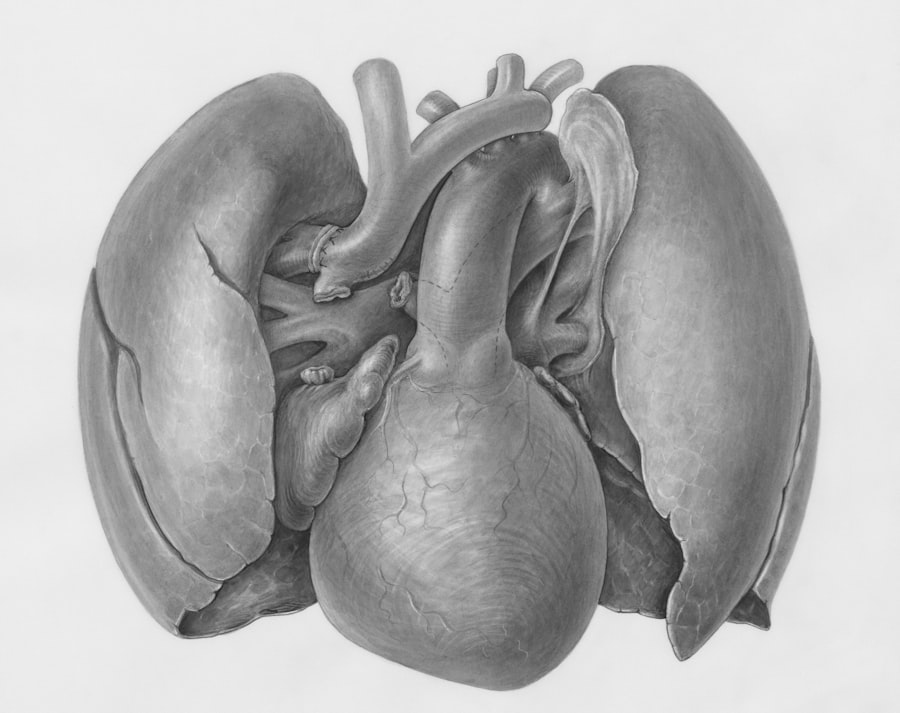
The diagnosis of cardiovascular diseases involves a comprehensive evaluation that includes a detailed medical history, physical examination, and various diagnostic tests. Common screening methods include: 1. **Electrocardiogram (ECG)**: This test records the electrical activity of the heart and can identify arrhythmias or signs of ischemia.
**Echocardiogram**: An ultrasound examination that provides images of the heart’s structure and function, helping assess cardiac output and valve function.
3. **Stress Testing**: Evaluates how the heart performs under physical stress; it can reveal exercise-induced ischemia.
4. **Coronary Angiography**: A specialized imaging technique that visualizes coronary arteries using contrast dye; it is often performed during catheterization procedures.
5.
**Blood Tests**: Biomarkers such as troponin levels can indicate myocardial injury; lipid profiles assess cholesterol levels. Early detection through regular screening is vital for individuals at high risk for cardiovascular diseases.
Treatment Options for Cardiovascular Diseases
Treatment strategies for cardiovascular diseases are tailored to individual patient needs based on the specific condition and severity. Pharmacological interventions play a pivotal role in managing CVDs: 1. **Antiplatelet Agents**: Aspirin or clopidogrel are commonly prescribed to reduce thrombus formation in patients with CAD.
2.
**Statins**: These lipid-lowering medications help manage hyperlipidemia by reducing LDL cholesterol levels and stabilizing plaques.
3. **Beta-Blockers**: Used to lower heart rate and blood pressure; they are beneficial in managing angina and preventing arrhythmias.
4. **ACE Inhibitors**: These agents help relax blood vessels and reduce blood pressure; they are particularly useful in heart failure management.
5.
**Anticoagulants**: Medications like warfarin or direct oral anticoagulants are prescribed for patients with atrial fibrillation to prevent stroke. In addition to pharmacotherapy, interventional procedures such as angioplasty with stent placement or surgical options like CABG may be necessary for patients with significant coronary artery blockages.
Lifestyle Changes to Manage and Prevent Cardiovascular Diseases
Implementing lifestyle modifications is crucial for both managing existing cardiovascular conditions and preventing their onset. Key changes include: 1. **Dietary Adjustments**: Adopting a heart-healthy diet rich in fruits, vegetables, whole grains, lean proteins, and healthy fats can significantly lower cardiovascular risk factors.
2.
3. **Weight Management**: Achieving and maintaining a healthy body weight reduces strain on the heart and lowers blood pressure.
4. **Smoking Cessation**: Quitting smoking dramatically decreases cardiovascular risk; support programs and pharmacotherapy can aid in cessation efforts.
5.
**Stress Management**: Techniques such as mindfulness meditation, yoga, or counseling can help mitigate stress-related cardiovascular risks.
Understanding Stroke and its Connection to Cardiovascular Health
Stroke is a cerebrovascular event that occurs when blood flow to the brain is interrupted due to either ischemia (ischemic stroke) or hemorrhage (hemorrhagic stroke). The connection between stroke and cardiovascular health is profound; many risk factors for CVDs also predispose individuals to stroke. Ischemic strokes are often caused by embolism from carotid artery disease or thrombosis from atrial fibrillation.
Hemorrhagic strokes may result from uncontrolled hypertension or aneurysms. Recognizing stroke symptoms—such as sudden numbness or weakness on one side of the body, confusion, difficulty speaking, or severe headache—is critical for prompt treatment.
Managing High Blood Pressure and its Impact on Cardiovascular Health
Hypertension is often referred to as the “silent killer” due to its asymptomatic nature until significant damage has occurred. It poses a substantial risk for developing various cardiovascular diseases by promoting left ventricular hypertrophy, increasing arterial stiffness, and contributing to atherosclerosis. Management strategies include lifestyle modifications such as dietary changes (DASH diet), regular exercise, weight loss, limiting alcohol intake, and smoking cessation.
Pharmacological treatment may involve diuretics, ACE inhibitors, calcium channel blockers, or beta-blockers tailored to individual patient profiles.
Research and Advances in Cardiovascular Disease Treatment
Ongoing research in cardiovascular medicine aims to enhance understanding of disease mechanisms while developing innovative treatment modalities. Recent advances include: 1. **Gene Therapy**: Investigational approaches targeting genetic mutations associated with familial hypercholesterolemia show promise in lowering cholesterol levels.
2.
**Biomarker Discovery**: Identifying novel biomarkers for early detection of CVDs could revolutionize screening protocols.
3. **Regenerative Medicine**: Stem cell therapy is being explored for its potential to repair damaged cardiac tissue following myocardial infarction.
4. **Wearable Technology**: Devices that monitor heart rate variability and rhythm provide real-time data for early detection of arrhythmias.
These advancements hold great potential for improving patient outcomes through personalized medicine approaches. In summary, cardiovascular diseases represent a significant global health challenge characterized by various conditions affecting the heart and vascular system. Understanding risk factors, symptoms, diagnosis methods, treatment options, lifestyle modifications, and ongoing research efforts is essential for effective management and prevention strategies aimed at reducing morbidity and mortality associated with these diseases.
By prioritizing cardiovascular health through education and proactive measures, individuals can significantly enhance their quality of life while mitigating risks associated with CVDs.
Cardiovascular diseases are a leading cause of death worldwide, with conditions such as heart disease and stroke affecting millions of people each year. One related article that delves into the importance of maintaining heart health is this comprehensive guide to health insurance in 2025. This article discusses the various ways in which individuals can access healthcare services to prevent and manage cardiovascular diseases, highlighting the significance of having adequate health insurance coverage for such conditions. By staying informed and taking proactive steps to protect our heart health, we can reduce the risk of developing these life-threatening illnesses.
FAQs
What are the different types of cardiovascular diseases?
There are several types of cardiovascular diseases, including coronary artery disease, heart failure, arrhythmias, heart valve disease, and peripheral artery disease.
What are the risk factors for developing cardiovascular diseases?
Risk factors for cardiovascular diseases include high blood pressure, high cholesterol, smoking, diabetes, obesity, and a sedentary lifestyle.
What are the symptoms of cardiovascular diseases?
Symptoms of cardiovascular diseases can vary depending on the specific condition, but common symptoms include chest pain or discomfort, shortness of breath, fatigue, dizziness, and swelling in the legs or abdomen.
How are cardiovascular diseases diagnosed?
Cardiovascular diseases can be diagnosed through a combination of physical exams, medical history, blood tests, imaging tests (such as echocardiograms or angiograms), and cardiac catheterization.
What are the treatment options for cardiovascular diseases?
Treatment for cardiovascular diseases may include lifestyle changes (such as diet and exercise), medications, medical procedures (such as angioplasty or bypass surgery), and cardiac rehabilitation.
Can cardiovascular diseases be prevented?
Many cardiovascular diseases can be prevented by maintaining a healthy lifestyle, including regular exercise, a balanced diet, not smoking, and managing risk factors such as high blood pressure and cholesterol. Regular check-ups with a healthcare provider are also important for early detection and prevention.