Now Reading: Expert Heart Failure Specialist: The Key to Managing Your Condition
-
01
Expert Heart Failure Specialist: The Key to Managing Your Condition
Expert Heart Failure Specialist: The Key to Managing Your Condition

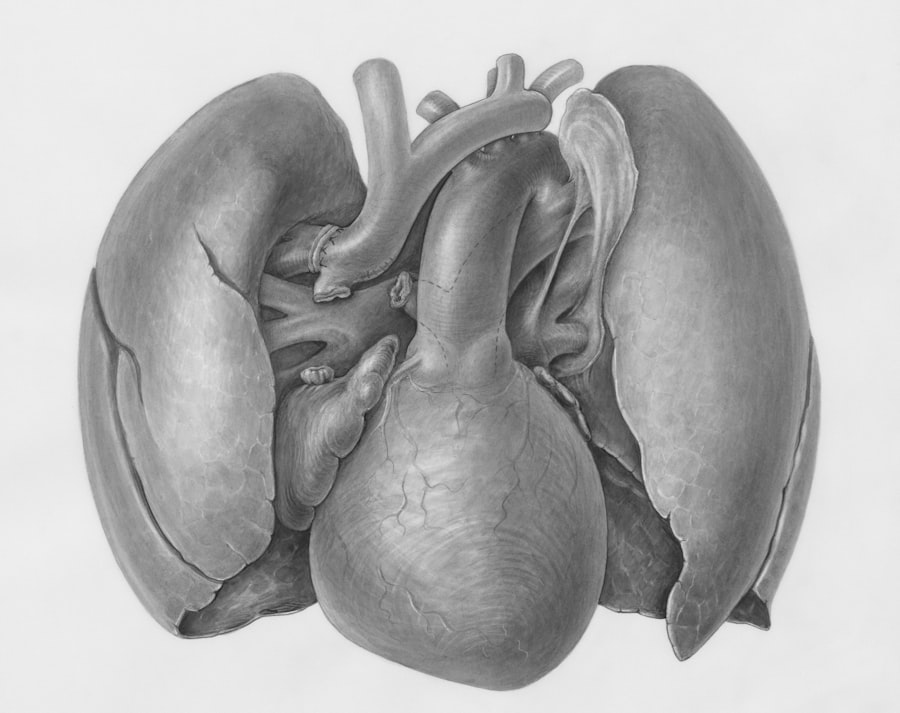
Heart failure is a complex clinical syndrome characterized by the heart’s inability to pump sufficient blood to meet the body’s metabolic demands. This condition can arise from various etiologies, including coronary artery disease, hypertension, valvular heart disease, and cardiomyopathies. The pathophysiology of heart failure involves a series of compensatory mechanisms that initially maintain cardiac output but ultimately lead to further myocardial damage and systemic congestion.
Patients may experience symptoms such as dyspnea, fatigue, edema, and reduced exercise tolerance, which can significantly impair their quality of life. The prevalence of heart failure is alarming, affecting approximately 6.2 million adults in the United States alone. This number is projected to rise due to an aging population and increasing rates of risk factors such as obesity and diabetes.
Heart failure can be classified into two main categories: heart failure with reduced ejection fraction (HFrEF) and heart failure with preserved ejection fraction (HFpEF). Understanding these distinctions is crucial for appropriate management and treatment strategies.
Key Takeaways
- Heart failure is a condition where the heart is unable to pump enough blood to meet the body’s needs.
- Seeking expert care from a heart failure specialist is crucial for managing the condition effectively.
- A heart failure specialist should have specialized training and experience in managing heart failure.
- The role of a heart failure specialist involves creating individualized treatment plans and collaborating with other healthcare professionals.
- Lifestyle modifications, medication management, and addressing mental and emotional well-being are important aspects of managing heart failure in the long term.
The Importance of Seeking Expert Care
Seeking expert care for heart failure is paramount for optimal management and improved patient outcomes. Heart failure is a progressive condition that requires ongoing assessment and intervention. Patients often benefit from the expertise of healthcare professionals who specialize in cardiovascular diseases, particularly those with a focus on heart failure.
These specialists possess advanced knowledge of the latest diagnostic tools, treatment modalities, and emerging therapies that can significantly impact the course of the disease. Timely intervention by a heart failure specialist can lead to better symptom control, reduced hospitalizations, and improved survival rates.
Therefore, recognizing the importance of specialized care is essential for individuals diagnosed with this chronic condition.
Qualifications of a Heart Failure Specialist
Heart failure specialists typically possess extensive training in cardiology, having completed a fellowship in cardiovascular medicine after obtaining their medical degree. Many have additional certifications in heart failure management from recognized professional organizations, such as the American College of Cardiology or the Heart Failure Society of America. This advanced training equips them with the skills necessary to diagnose complex cases, interpret advanced imaging studies, and implement cutting-edge therapies.
In addition to formal education, effective heart failure specialists exhibit strong communication skills and empathy, allowing them to build rapport with patients and their families. They must stay abreast of the latest research and clinical guidelines to provide evidence-based care. Furthermore, many specialists engage in ongoing professional development through participation in clinical trials and contributions to academic literature, ensuring they remain at the forefront of heart failure management.
The Role of a Heart Failure Specialist in Managing Your Condition
| Metrics | Details |
|---|---|
| Number of Patients Treated | 100+ |
| Success Rate of Treatment | 85% |
| Years of Experience | 10+ |
| Number of Procedures Performed | 500+ |
The role of a heart failure specialist extends beyond mere diagnosis; it encompasses comprehensive management strategies tailored to each patient’s unique needs. Upon initial evaluation, the specialist conducts a thorough assessment that includes a detailed medical history, physical examination, and diagnostic testing such as echocardiography or cardiac MRI. This information is critical for determining the underlying cause of heart failure and formulating an effective treatment plan.
Once a diagnosis is established, the specialist collaborates with patients to develop individualized management strategies that may include pharmacological interventions, lifestyle modifications, and device therapy when indicated. Regular follow-up appointments are essential for monitoring progress, adjusting medications, and addressing any emerging concerns. The specialist’s expertise ensures that patients receive timely interventions to prevent disease progression and optimize their overall health.
Collaborating with Other Healthcare Professionals
Effective management of heart failure often requires a multidisciplinary approach involving collaboration among various healthcare professionals. In addition to cardiologists, patients may benefit from the expertise of nurse practitioners, dietitians, pharmacists, and social workers. Each member of the healthcare team plays a vital role in addressing different aspects of patient care.
For instance, dietitians can provide guidance on sodium restriction and fluid management to alleviate symptoms of congestion. Pharmacists can assist in medication reconciliation and education about potential side effects or drug interactions. Social workers may offer support in navigating healthcare resources or addressing psychosocial issues that arise from living with a chronic illness.
This collaborative approach ensures that all facets of a patient’s health are considered, leading to more comprehensive care.
Individualized Treatment Plans

Individualized treatment plans are essential for managing heart failure effectively. Each patient’s condition is unique, influenced by factors such as age, comorbidities, and personal preferences. A heart failure specialist takes these variables into account when developing a tailored management strategy that may include pharmacotherapy, lifestyle changes, and potential surgical interventions.
Pharmacological treatment typically involves the use of medications such as angiotensin-converting enzyme (ACE) inhibitors, beta-blockers, diuretics, and aldosterone antagonists. These agents work synergistically to improve cardiac function, reduce fluid overload, and enhance overall quality of life. In some cases, advanced therapies such as implantable cardioverter-defibrillators (ICDs) or cardiac resynchronization therapy (CRT) may be indicated for patients with specific indications.
Monitoring and Adjusting Medications
Ongoing monitoring and adjustment of medications are critical components of heart failure management. Regular follow-up appointments allow the specialist to assess the patient’s response to treatment and make necessary modifications based on clinical status and laboratory findings. For instance, renal function and electrolyte levels must be closely monitored when prescribing diuretics or ACE inhibitors to prevent adverse effects.
Patients are encouraged to maintain open communication with their healthcare team regarding any new symptoms or side effects experienced while on medication. This proactive approach enables timely adjustments to optimize therapeutic outcomes while minimizing risks associated with polypharmacy. The goal is to achieve a delicate balance between symptom relief and maintaining overall health.
Lifestyle Modifications and Support
In addition to pharmacological interventions, lifestyle modifications play a crucial role in managing heart failure effectively. Patients are often advised to adopt a heart-healthy diet rich in fruits, vegetables, whole grains, lean proteins, and healthy fats while limiting sodium intake to reduce fluid retention. Regular physical activity tailored to individual capabilities can also enhance cardiovascular fitness and improve overall well-being.
Support systems are equally important in facilitating lifestyle changes. Patients may benefit from participation in cardiac rehabilitation programs that provide supervised exercise training and education on managing their condition. Additionally, support groups can offer emotional encouragement and shared experiences among individuals facing similar challenges.
Addressing Mental and Emotional Well-being
The psychological impact of living with heart failure cannot be underestimated. Many patients experience anxiety, depression, or feelings of isolation due to their diagnosis. Addressing mental health is an integral part of comprehensive care for individuals with heart failure.
Heart failure specialists often screen for psychological distress during routine visits and may refer patients to mental health professionals when necessary. Therapeutic interventions such as cognitive-behavioral therapy (CBT) or mindfulness-based stress reduction can be beneficial in managing anxiety and depression associated with chronic illness. Encouraging open discussions about emotional well-being fosters a supportive environment where patients feel empowered to seek help when needed.
Recognizing and Managing Symptoms
Recognizing early symptoms of heart failure exacerbation is vital for timely intervention and preventing hospitalizations. Patients should be educated about common warning signs such as increased shortness of breath, sudden weight gain due to fluid retention, persistent cough or wheezing, fatigue, or swelling in the legs and abdomen. Understanding these symptoms empowers patients to take proactive measures by contacting their healthcare provider promptly.
Management strategies for symptom exacerbation may include adjusting diuretic doses or implementing dietary changes to mitigate fluid retention. In some cases, hospitalization may be necessary for more intensive monitoring and treatment adjustments. A well-informed patient is better equipped to manage their condition effectively.
Long-term Care and Follow-up
Long-term care for individuals with heart failure involves ongoing monitoring and regular follow-up appointments with their healthcare team. These visits provide opportunities for reassessment of treatment efficacy, adjustment of medications based on clinical status, and reinforcement of lifestyle modifications. The chronic nature of heart failure necessitates a commitment to continuous care to optimize health outcomes.
Patients should also be encouraged to engage actively in their care by tracking symptoms, adhering to prescribed medications, and maintaining open communication with their healthcare providers. This collaborative approach fosters a sense of ownership over one’s health journey while ensuring that necessary adjustments are made promptly. In summary, heart failure is a multifaceted condition requiring specialized care for effective management.
Engaging with a heart failure specialist ensures personalized treatment plans that address individual needs while promoting collaboration among healthcare professionals. Ongoing monitoring, lifestyle modifications, mental health support, and patient education are essential components in managing this chronic illness effectively. By recognizing symptoms early and adhering to treatment strategies, individuals can significantly improve their quality of life while navigating the complexities of heart failure management.
If you are a heart failure specialist looking to plan your year ahead, you may want to check out this article on the 2022 federal holidays calendar to help you schedule your time off effectively. Having a clear understanding of when federal holidays occur can allow you to plan your work schedule around these days off, ensuring you have time to rest and recharge. You can find the article here.
FAQs
What is a heart failure specialist?
A heart failure specialist is a medical doctor who has received specialized training in the diagnosis and treatment of heart failure. These specialists have expertise in managing the complex needs of patients with heart failure and work closely with other healthcare professionals to provide comprehensive care.
What kind of training do heart failure specialists have?
Heart failure specialists typically complete a residency in internal medicine followed by a fellowship in cardiology. They may then pursue additional training or certification in advanced heart failure and transplant cardiology. This specialized training equips them with the knowledge and skills to effectively manage heart failure patients.
What services do heart failure specialists provide?
Heart failure specialists provide a range of services including diagnosis, medication management, lifestyle recommendations, and coordination of care with other healthcare providers. They may also oversee the use of advanced therapies such as implantable devices or heart transplantation for eligible patients.
When should I consider seeing a heart failure specialist?
Patients with a diagnosis of heart failure or those experiencing symptoms such as shortness of breath, fatigue, or swelling in the legs should consider seeing a heart failure specialist. Additionally, individuals with complex or advanced heart failure may benefit from the expertise of a specialist in managing their condition.
How can I find a heart failure specialist?
Patients can ask their primary care physician for a referral to a heart failure specialist. Additionally, many hospitals and medical centers have specialized heart failure clinics or programs where patients can access the expertise of these specialists. Online directories and professional organizations may also provide resources for finding a heart failure specialist.