Now Reading: Optimizing Cardiovascular Health at Our Clinic
-
01
Optimizing Cardiovascular Health at Our Clinic
Optimizing Cardiovascular Health at Our Clinic
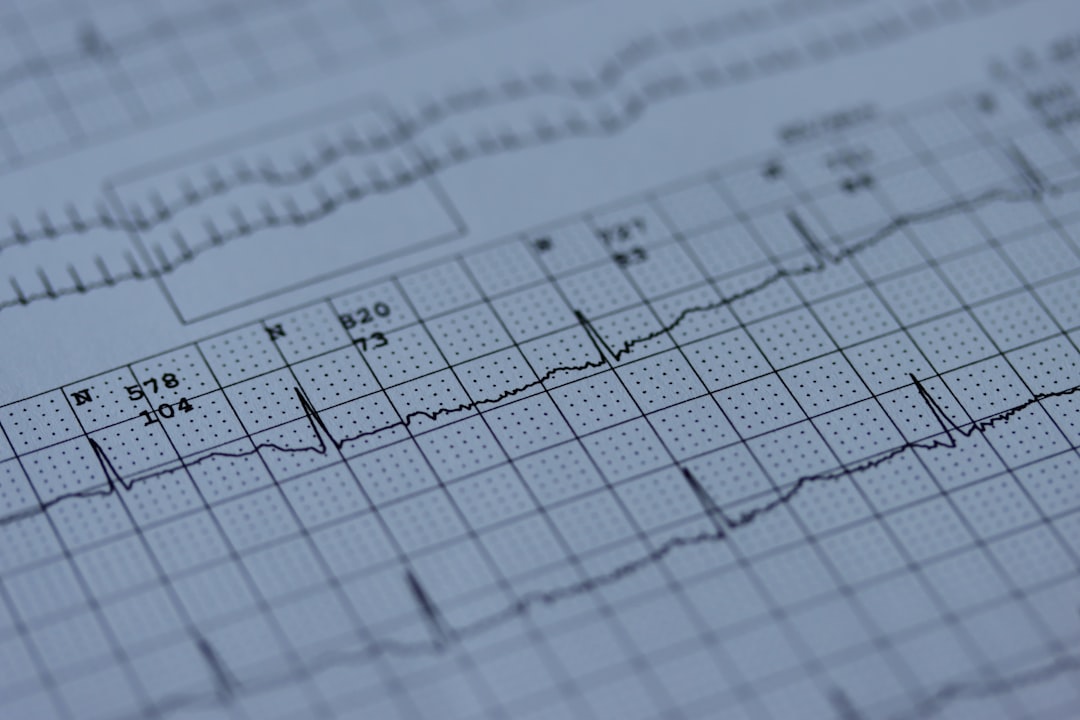
Cardiovascular health encompasses the well-being of the heart and blood vessels, which are crucial for maintaining overall health.
A well-functioning cardiovascular system is vital for sustaining life, as it ensures that all organs receive adequate blood supply.
Cardiovascular diseases (CVDs) are a group of disorders affecting the heart and blood vessels, including coronary artery disease, hypertension, heart failure, and arrhythmias. These conditions can lead to severe complications, including myocardial infarction (heart attack) and stroke. Understanding the risk factors associated with cardiovascular health is essential for prevention and management.
Common risk factors include hypertension, hyperlipidemia (high cholesterol), diabetes mellitus, obesity, sedentary lifestyle, smoking, and excessive alcohol consumption. Genetic predisposition also plays a significant role in an individual’s susceptibility to cardiovascular diseases. By recognizing these factors, individuals can take proactive steps to mitigate their risks and enhance their cardiovascular health.
Key Takeaways
- Understanding cardiovascular health is crucial for preventing heart disease and maintaining overall well-being.
- Regular check-ups are important for early detection and prevention of cardiovascular issues.
- Lifestyle changes, including a healthy diet and regular exercise, play a key role in maintaining cardiovascular health.
- Nutrition and diet are essential for a healthy heart, including reducing intake of saturated fats and increasing consumption of fruits and vegetables.
- Exercise and physical activity are recommended for maintaining cardiovascular health and overall well-being.
Importance of Regular Check-ups
Regular check-ups are a cornerstone of maintaining cardiovascular health. These appointments allow healthcare providers to monitor vital signs, assess risk factors, and conduct necessary screenings. Early detection of potential issues can lead to timely interventions, significantly reducing the risk of severe complications.
For instance, routine blood pressure measurements can identify hypertension before it leads to more serious conditions such as heart disease or stroke. Moreover, regular check-ups facilitate open communication between patients and healthcare providers. This dialogue is crucial for discussing lifestyle changes, medication adherence, and any emerging symptoms that may indicate cardiovascular problems.
Patients are encouraged to schedule annual physical examinations and more frequent visits if they have existing risk factors or a family history of cardiovascular disease. By prioritizing these check-ups, individuals can take charge of their cardiovascular health and make informed decisions regarding their well-being.
Lifestyle Changes for Cardiovascular Health
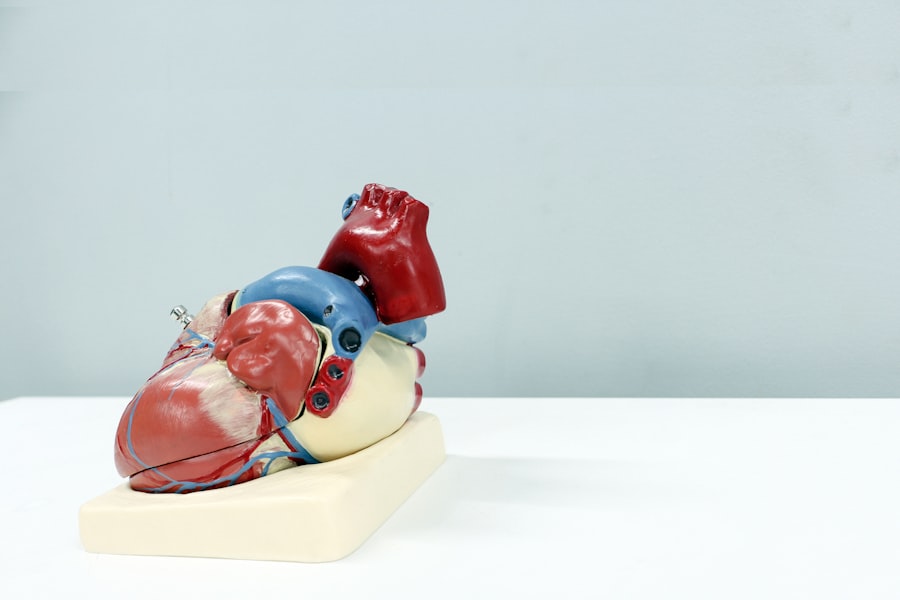
Implementing lifestyle changes is one of the most effective strategies for improving cardiovascular health. These modifications can significantly reduce the risk of developing heart disease and enhance overall well-being. Key lifestyle changes include adopting a balanced diet, engaging in regular physical activity, managing stress levels, and avoiding harmful habits such as smoking.
One of the most impactful changes individuals can make is to incorporate more physical activity into their daily routines. The American Heart Association recommends at least 150 minutes of moderate-intensity aerobic exercise or 75 minutes of vigorous-intensity exercise each week. Additionally, incorporating strength training exercises at least twice a week can further enhance cardiovascular fitness.
These activities not only improve heart health but also contribute to weight management and overall physical fitness.
Nutrition and Diet for a Healthy Heart
| Metrics | Recommendation |
|---|---|
| Calories | 2000-2500 per day for men, 1600-2000 per day for women |
| Saturated Fat | Less than 7% of total daily calories |
| Sodium | Less than 2300 mg per day |
| Fiber | 25-30 grams per day |
| Fruits and Vegetables | 5-9 servings per day |
| Fish | At least 2 servings per week |
Nutrition plays a pivotal role in maintaining cardiovascular health. A heart-healthy diet emphasizes whole foods rich in nutrients while minimizing processed foods high in saturated fats, trans fats, sodium, and added sugars. The Mediterranean diet is often recommended for its numerous benefits; it includes an abundance of fruits, vegetables, whole grains, lean proteins (such as fish and poultry), healthy fats (like olive oil), and nuts.
Key dietary components that support cardiovascular health include omega-3 fatty acids found in fatty fish (such as salmon and mackerel), fiber-rich foods (like oats, beans, and legumes), and antioxidants present in fruits and vegetables. These nutrients help lower cholesterol levels, reduce inflammation, and improve overall heart function. Additionally, monitoring sodium intake is crucial for managing blood pressure; individuals should aim for less than 2,300 mg of sodium per day.
Exercise and Physical Activity Recommendations
Physical activity is essential for maintaining cardiovascular health and preventing heart disease. Engaging in regular exercise strengthens the heart muscle, improves circulation, and helps regulate blood pressure and cholesterol levels.
Incorporating a variety of activities can enhance adherence to an exercise regimen. Aerobic exercises such as walking, jogging, cycling, swimming, or dancing can be enjoyable while providing significant cardiovascular benefits. Strength training exercises should also be included at least twice a week to build muscle mass and improve metabolic function.
Furthermore, incorporating flexibility and balance exercises can enhance overall physical fitness and reduce the risk of injury.
Stress Management and Mental Health
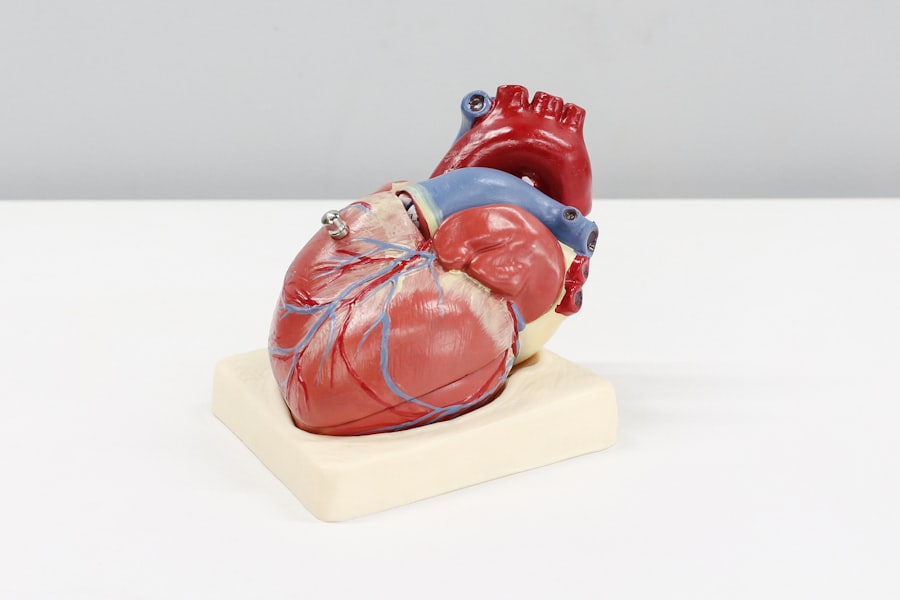
Chronic stress has been linked to an increased risk of cardiovascular disease due to its impact on blood pressure and heart rate. Effective stress management techniques are essential for maintaining both mental health and cardiovascular well-being. Mindfulness practices such as meditation, yoga, and deep-breathing exercises can help individuals manage stress levels effectively.
Additionally, engaging in hobbies or activities that bring joy can serve as a natural stress reliever. Social support from friends and family also plays a crucial role in mental health; maintaining strong relationships can provide emotional support during challenging times. Seeking professional help from a therapist or counselor may be beneficial for those struggling with chronic stress or anxiety.
Smoking Cessation Support
Smoking is one of the leading modifiable risk factors for cardiovascular disease. The harmful chemicals in tobacco smoke contribute to the development of atherosclerosis (hardening of the arteries), increasing the risk of heart attack and stroke. Quitting smoking can significantly improve cardiovascular health; within just one year of cessation, the risk of coronary heart disease drops by 50%.
Support systems are available for individuals seeking to quit smoking. Nicotine replacement therapies (NRTs) such as patches, gum, lozenges, inhalers, or nasal sprays can help alleviate withdrawal symptoms while gradually reducing nicotine dependence. Behavioral therapies that focus on changing habits and coping strategies are also effective in supporting smoking cessation efforts.
Combining pharmacological interventions with behavioral support increases the likelihood of successfully quitting.
Medication Management for Cardiovascular Health
For individuals with existing cardiovascular conditions or those at high risk, medication management is crucial in preventing complications. Common medications prescribed include antihypertensives (to lower blood pressure), statins (to manage cholesterol levels), antiplatelet agents (to prevent blood clots), and beta-blockers (to reduce heart workload). Each medication serves a specific purpose in managing cardiovascular health.
Statins are particularly noteworthy; they work by inhibiting HMG-CoA reductase, an enzyme involved in cholesterol synthesis in the liver. This results in lower levels of low-density lipoprotein (LDL) cholesterol while increasing high-density lipoprotein (HDL) cholesterol levels. Regular monitoring of lipid profiles is essential to assess the effectiveness of statin therapy and make necessary adjustments.
Monitoring and Managing Blood Pressure
Hypertension is often referred to as the “silent killer” due to its asymptomatic nature yet significant impact on cardiovascular health. Regular monitoring of blood pressure is essential for early detection and management of hypertension. Blood pressure readings consist of two numbers: systolic (the pressure during heartbeats) over diastolic (the pressure between beats).
Normal blood pressure is typically defined as less than 120/80 mmHg. For individuals diagnosed with hypertension, lifestyle modifications such as dietary changes and increased physical activity are often recommended alongside pharmacological interventions when necessary. The goal is to maintain blood pressure within target ranges to reduce the risk of heart disease and stroke.
Cholesterol Management and Education
Cholesterol management is a critical aspect of cardiovascular health. Cholesterol levels are measured through a lipid panel that assesses total cholesterol, LDL cholesterol (often referred to as “bad” cholesterol), HDL cholesterol (“good” cholesterol), and triglycerides. Elevated LDL levels are associated with an increased risk of atherosclerosis and subsequent cardiovascular events.
Education about cholesterol management is vital for empowering individuals to make informed decisions regarding their health. Lifestyle changes such as adopting a heart-healthy diet rich in fiber and healthy fats can help lower LDL levels while increasing HDL levels. In some cases, medication may be necessary to achieve optimal cholesterol levels.
Preventive Measures and Early Detection of Cardiovascular Disease
Preventive measures play a crucial role in reducing the incidence of cardiovascular disease. Regular screenings for blood pressure, cholesterol levels, and diabetes are essential components of preventive care. Individuals should also be educated about recognizing early warning signs of cardiovascular issues such as chest pain, shortness of breath, or unusual fatigue.
Engaging in preventive strategies such as maintaining a healthy weight, managing stress levels, avoiding tobacco use, and adhering to prescribed medications can significantly reduce the risk of developing cardiovascular diseases. Early detection through routine check-ups allows for timely interventions that can prevent the progression of disease. In summary, understanding cardiovascular health involves recognizing its significance in overall well-being while addressing risk factors through lifestyle changes, regular check-ups, nutrition, exercise, stress management, smoking cessation support, medication management, blood pressure monitoring, cholesterol education, and preventive measures.
By prioritizing these aspects of care, individuals can take proactive steps toward achieving optimal cardiovascular health and reducing their risk of serious complications associated with cardiovascular diseases.
If you are interested in learning more about maintaining a healthy heart during the holiday season, you may want to check out this article on Magical Christmas Eve: A Night of Joy and Tradition. It discusses the importance of staying active and eating well to support cardiovascular health, even during festive times. Remember to prioritize your well-being, especially if you have visited a cardiovascular health clinic recently.
FAQs
What is a cardiovascular health clinic?
A cardiovascular health clinic is a specialized medical facility that focuses on the prevention, diagnosis, and treatment of conditions related to the heart and blood vessels.
What services are typically offered at a cardiovascular health clinic?
Services offered at a cardiovascular health clinic may include cardiac screenings, diagnostic testing (such as EKGs and stress tests), management of heart conditions (such as hypertension and high cholesterol), and cardiac rehabilitation programs.
What types of healthcare professionals work at a cardiovascular health clinic?
Healthcare professionals at a cardiovascular health clinic may include cardiologists, cardiac nurses, exercise physiologists, dietitians, and other specialists trained in cardiovascular care.
Why might someone visit a cardiovascular health clinic?
Individuals may visit a cardiovascular health clinic for various reasons, including managing existing heart conditions, assessing their risk for heart disease, receiving guidance on heart-healthy lifestyle changes, and participating in cardiac rehabilitation programs.
How can a cardiovascular health clinic help with preventive care?
A cardiovascular health clinic can help with preventive care by offering screenings, risk assessments, and education on lifestyle modifications to reduce the risk of developing heart disease and other cardiovascular conditions.