Now Reading: Preventing Arteriosclerotic Cardiovascular Disease
-
01
Preventing Arteriosclerotic Cardiovascular Disease
Preventing Arteriosclerotic Cardiovascular Disease

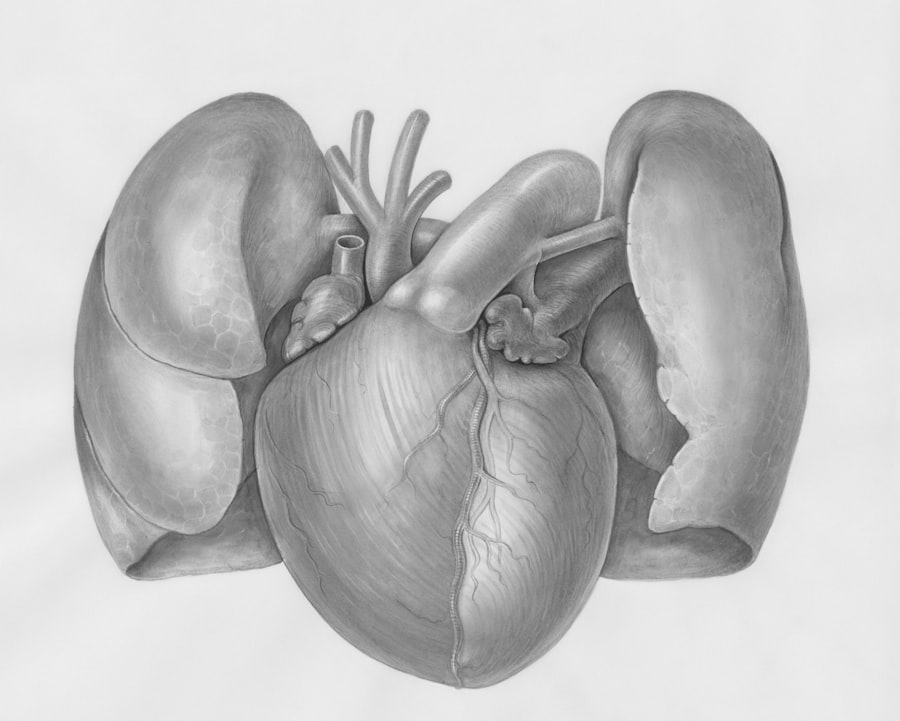
Arteriosclerotic cardiovascular disease (ASCVD) is a term that encompasses a range of conditions characterized by the thickening and hardening of arterial walls, primarily due to the accumulation of lipids, inflammatory cells, and fibrous tissue. This pathological process leads to a reduction in arterial elasticity and lumen diameter, ultimately resulting in impaired blood flow. The most common manifestations of ASCVD include coronary artery disease, cerebrovascular disease, and peripheral artery disease.
The underlying mechanisms involve complex interactions between genetic predispositions, environmental factors, and lifestyle choices.
Risk factors such as hypertension, hyperlipidemia, diabetes mellitus, and smoking significantly contribute to the development of this condition.
Understanding the etiology and progression of arteriosclerosis is crucial for implementing effective prevention strategies and treatment modalities. Early detection and intervention can significantly reduce morbidity and mortality associated with ASCVD.
Key Takeaways
- Arteriosclerotic Cardiovascular Disease (ASCVD) is a condition characterized by the buildup of plaque in the arteries, leading to reduced blood flow and increased risk of heart attack and stroke.
- Lifestyle changes such as regular exercise, maintaining a healthy diet, and managing stress are crucial in preventing arteriosclerosis and reducing the risk of ASCVD.
- A heart-healthy diet rich in fruits, vegetables, whole grains, and lean proteins can help lower cholesterol levels and reduce the risk of developing arteriosclerosis.
- Regular physical activity, including aerobic and strength training exercises, can help improve cardiovascular health and reduce the risk of developing arteriosclerosis.
- Managing stress through techniques such as meditation, yoga, and deep breathing can help lower blood pressure and reduce the risk of developing arteriosclerosis.
Lifestyle Changes to Prevent Arteriosclerosis
Lifestyle Modifications for a Healthier Heart
One of the most effective strategies for preventing arteriosclerosis is to incorporate regular physical activity into daily routines. Engaging in aerobic exercises such as walking, running, cycling, or swimming for at least 150 minutes per week can significantly lower the risk of developing cardiovascular diseases.
The Importance of Regular Exercise
Additionally, strength training exercises should be included at least twice a week to improve muscle mass and metabolic health.
Achieving Overall Well-being
By adopting these lifestyle modifications, individuals can significantly reduce their risk of developing arteriosclerosis and improve their overall health and well-being.
Importance of a Heart-Healthy Diet

A heart-healthy diet plays a pivotal role in preventing arteriosclerosis by managing cholesterol levels, blood pressure, and body weight. The Mediterranean diet, rich in fruits, vegetables, whole grains, lean proteins, and healthy fats such as olive oil, has been shown to reduce the risk of cardiovascular diseases significantly. This dietary pattern emphasizes the consumption of nutrient-dense foods while minimizing processed foods high in saturated fats, trans fats, and added sugars.
Incorporating specific foods known for their cardioprotective properties can further enhance heart health. For instance, omega-3 fatty acids found in fatty fish like salmon and mackerel have anti-inflammatory effects that can help reduce arterial plaque formation. Additionally, foods high in soluble fiber, such as oats and legumes, can lower LDL cholesterol levels.
Antioxidant-rich fruits and vegetables also play a crucial role in combating oxidative stress, which contributes to endothelial dysfunction and arterial damage.
The Role of Exercise in Preventing Arteriosclerosis
| Exercise Type | Frequency | Duration | Intensity |
|---|---|---|---|
| Aerobic | 3-5 times per week | 30-60 minutes | Moderate to vigorous |
| Strength training | 2-3 times per week | 20-30 minutes | Moderate to high |
| Flexibility exercises | 2-3 times per week | 10-15 minutes | Mild to moderate |
Regular physical activity is a cornerstone of cardiovascular health and serves as a powerful tool in preventing arteriosclerosis.
Aerobic exercises increase heart rate and improve oxygen delivery to tissues while also promoting the release of endorphins that enhance mood and reduce stress.
Moreover, exercise has been shown to positively influence lipid profiles by increasing HDL (high-density lipoprotein) cholesterol levels while decreasing triglycerides and LDL (low-density lipoprotein) cholesterol levels. Engaging in resistance training can also improve insulin sensitivity and glucose metabolism, which are vital for individuals at risk for diabetes—a significant contributor to arteriosclerosis.
Managing Stress for Heart Health
Chronic stress has been identified as a significant risk factor for the development of arteriosclerosis due to its impact on blood pressure and inflammatory processes. Stress triggers the release of hormones such as cortisol and adrenaline, which can lead to increased heart rate and blood vessel constriction. Over time, these physiological responses can contribute to endothelial dysfunction and promote the progression of atherosclerosis.
Implementing stress management techniques is essential for maintaining heart health. Mindfulness practices such as meditation, yoga, and deep-breathing exercises can help mitigate stress responses and promote relaxation. Additionally, engaging in hobbies or social activities can provide emotional support and enhance overall well-being.
Prioritizing sleep hygiene is also crucial; inadequate sleep has been linked to increased cardiovascular risk factors.
Quitting Smoking and Limiting Alcohol Consumption
Smoking is one of the most significant modifiable risk factors for arteriosclerosis. The harmful chemicals present in tobacco smoke contribute to endothelial injury, promote inflammation, and accelerate plaque formation within arteries. Quitting smoking can lead to substantial improvements in cardiovascular health; within just one year of cessation, the risk of coronary heart disease decreases significantly.
Similarly, excessive alcohol consumption poses risks for cardiovascular health. While moderate alcohol intake may have some protective effects on heart health, excessive drinking can lead to hypertension, cardiomyopathy, and increased triglyceride levels. Limiting alcohol consumption to moderate levels—defined as up to one drink per day for women and two drinks per day for men—can help mitigate these risks.
Regular Health Check-ups and Monitoring
Regular health check-ups are essential for early detection and management of risk factors associated with arteriosclerosis. Routine screenings for blood pressure, cholesterol levels, blood glucose levels, and body mass index (BMI) can provide valuable insights into an individual’s cardiovascular health status. These assessments allow healthcare providers to identify potential issues early on and implement appropriate interventions.
Moreover, individuals with existing risk factors such as hypertension or diabetes should have more frequent monitoring to ensure that their conditions are well-managed. Adhering to prescribed medications and lifestyle recommendations can significantly reduce the likelihood of developing severe complications associated with ASCVD.
Controlling High Blood Pressure and Cholesterol Levels
Hypertension is often referred to as the “silent killer” due to its asymptomatic nature; however, it poses a significant risk for developing arteriosclerosis. Elevated blood pressure can damage arterial walls over time, leading to increased stiffness and plaque buildup. Maintaining optimal blood pressure levels through lifestyle modifications—such as dietary changes, regular exercise, and stress management—is crucial.
Similarly, managing cholesterol levels is vital for preventing arteriosclerosis. High levels of LDL cholesterol contribute to plaque formation within arteries while low levels of HDL cholesterol fail to provide protective effects against cardiovascular disease. Statins are commonly prescribed medications that help lower LDL cholesterol levels; they work by inhibiting HMG-CoA reductase, an enzyme involved in cholesterol synthesis in the liver.
The Impact of Diabetes on Arteriosclerosis
Diabetes mellitus is a significant risk factor for developing arteriosclerosis due to its association with hyperglycemia and insulin resistance. Elevated blood glucose levels can lead to glycation of proteins within blood vessels, resulting in endothelial dysfunction and increased inflammation. Furthermore, diabetes often coexists with other risk factors such as hypertension and dyslipidemia, compounding the overall cardiovascular risk.
Effective management of diabetes through lifestyle changes—such as diet modification and regular exercise—along with pharmacological interventions is essential for reducing the risk of arteriosclerosis. Medications such as metformin help improve insulin sensitivity while newer agents like GLP-1 receptor agonists have shown promise in reducing cardiovascular events among diabetic patients.
Medication and Treatment Options for Arteriosclerosis
In addition to lifestyle modifications, various pharmacological treatments are available for managing arteriosclerosis effectively. Statins remain the cornerstone therapy for lowering LDL cholesterol levels; they have been shown to reduce cardiovascular events significantly in high-risk populations. Other lipid-lowering agents include ezetimibe and PCSK9 inhibitors that further enhance cholesterol management.
Antihypertensive medications are also critical in controlling blood pressure levels; options include ACE inhibitors, beta-blockers, diuretics, and calcium channel blockers. In cases where lifestyle changes alone are insufficient to manage diabetes or hyperglycemia effectively, insulin therapy or oral hypoglycemic agents may be necessary.
Support and Resources for Preventing Arteriosclerotic Cardiovascular Disease
Numerous resources are available for individuals seeking support in preventing arteriosclerotic cardiovascular disease. Organizations such as the American Heart Association provide educational materials on heart health, lifestyle modifications, and risk factor management. Community programs often offer workshops on nutrition, exercise classes, and stress management techniques tailored to promote cardiovascular wellness.
Additionally, support groups can provide emotional encouragement for individuals making lifestyle changes or coping with existing cardiovascular conditions. Engaging with healthcare professionals—such as dietitians or certified personal trainers—can also facilitate personalized strategies for improving heart health. In summary, arteriosclerotic cardiovascular disease represents a significant public health concern characterized by the progressive hardening of arteries due to various risk factors.
Preventive measures such as lifestyle modifications—including diet changes, regular exercise, stress management techniques, smoking cessation, and alcohol moderation—are essential in mitigating risks associated with this condition. Regular health check-ups allow for early detection of risk factors like hypertension or diabetes while pharmacological treatments can effectively manage existing conditions contributing to ASCVD development. By adopting a comprehensive approach that includes education and support resources, individuals can take proactive steps toward maintaining optimal cardiovascular health.
If you are interested in learning more about forecasting trends and analysis, you may want to check out this article on forecasting Amazon stock values for the coming year. Understanding how to predict market movements can be crucial for making informed investment decisions, just as understanding the risk factors for arteriosclerotic cardiovascular disease is important for maintaining heart health. Both topics require careful analysis and consideration of various factors to make informed decisions.
FAQs
What is arteriosclerotic cardiovascular disease?
Arteriosclerotic cardiovascular disease, also known as atherosclerosis, is a condition where the arteries become narrowed and hardened due to a buildup of plaque. This can restrict blood flow and lead to various cardiovascular problems.
What are the risk factors for arteriosclerotic cardiovascular disease?
Risk factors for arteriosclerotic cardiovascular disease include high cholesterol, high blood pressure, smoking, diabetes, obesity, and a sedentary lifestyle. Genetics and age also play a role in the development of this condition.
What are the symptoms of arteriosclerotic cardiovascular disease?
Symptoms of arteriosclerotic cardiovascular disease can include chest pain or angina, shortness of breath, fatigue, and in severe cases, heart attack or stroke. However, some individuals may not experience any symptoms until a serious event occurs.
How is arteriosclerotic cardiovascular disease diagnosed?
Arteriosclerotic cardiovascular disease can be diagnosed through various tests including blood tests to check cholesterol levels, imaging tests such as a CT scan or MRI, and procedures like an angiogram to visualize the arteries.
What are the treatment options for arteriosclerotic cardiovascular disease?
Treatment for arteriosclerotic cardiovascular disease may include lifestyle changes such as diet and exercise, medications to control cholesterol and blood pressure, and in some cases, surgical procedures such as angioplasty or bypass surgery. It is important to work with a healthcare professional to determine the best treatment plan for individual cases.