Now Reading: The Silent Threat: Arteriosclerotic Cardiovascular Disease
-
01
The Silent Threat: Arteriosclerotic Cardiovascular Disease
The Silent Threat: Arteriosclerotic Cardiovascular Disease
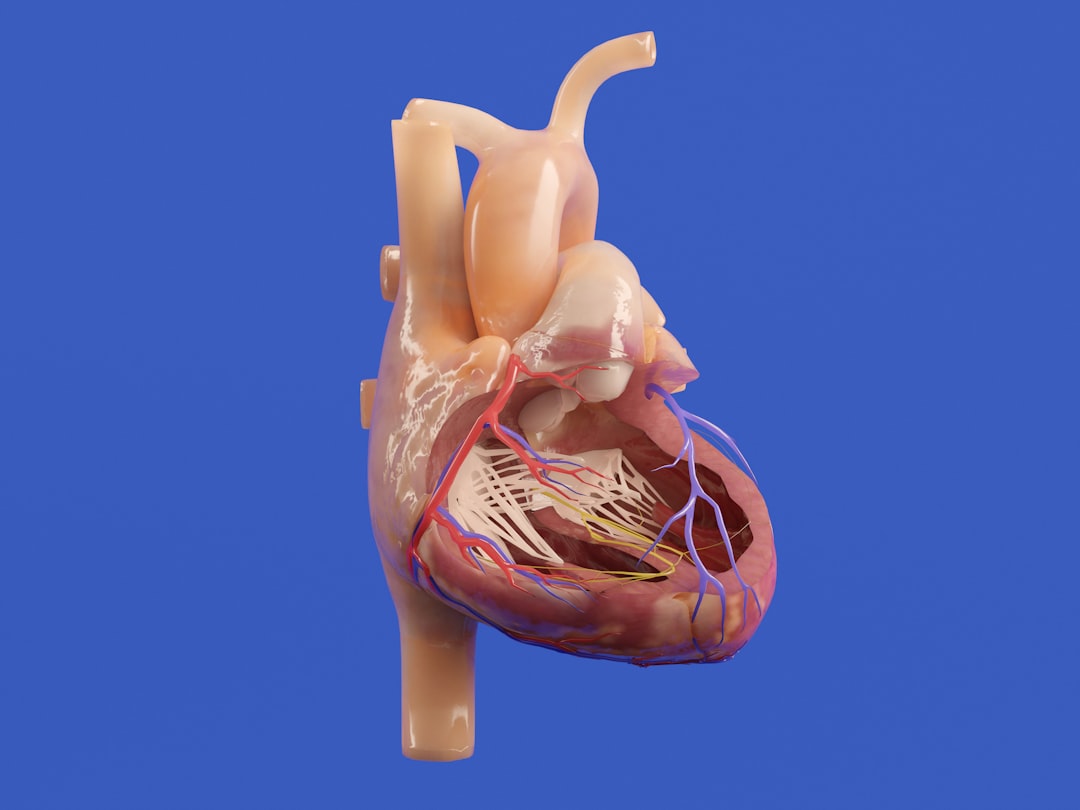
Arteriosclerotic cardiovascular disease (ASCVD) is a term that encompasses a range of conditions characterized by the thickening and hardening of arterial walls, primarily due to the accumulation of lipids, inflammatory cells, and fibrous tissue. This pathological process leads to a reduction in arterial elasticity and lumen diameter, ultimately impairing blood flow to vital organs. The condition is a significant contributor to morbidity and mortality worldwide, often manifesting as coronary artery disease, cerebrovascular accidents, or peripheral artery disease.
The underlying mechanisms involve complex interactions between genetic predispositions, environmental factors, and lifestyle choices. The progression of arteriosclerosis is typically insidious, beginning with endothelial dysfunction, which is often precipitated by factors such as hypertension, hyperlipidemia, and smoking. Over time, these factors contribute to the formation of atherosclerotic plaques that can rupture, leading to acute cardiovascular events such as myocardial infarction or stroke.
Understanding the pathophysiology of ASCVD is crucial for developing effective prevention and treatment strategies aimed at mitigating its impact on public health.
Key Takeaways
- Arteriosclerotic Cardiovascular Disease is a condition characterized by the hardening and narrowing of the arteries, leading to reduced blood flow and increased risk of heart attack and stroke.
- Risk factors for arteriosclerosis include high blood pressure, high cholesterol, smoking, diabetes, obesity, and a sedentary lifestyle.
- Symptoms and warning signs of arteriosclerosis may include chest pain, shortness of breath, fatigue, and leg pain while walking.
- Diagnosis and testing for arteriosclerosis may involve blood tests, imaging tests such as angiography, and stress tests to evaluate heart function.
- Complications and consequences of arteriosclerosis can include heart attack, stroke, peripheral artery disease, and aneurysms.
Risk Factors for Arteriosclerosis
Identifying risk factors for arteriosclerosis is essential for early intervention and prevention. Major risk factors include hypertension, hyperlipidemia, diabetes mellitus, smoking, obesity, and a sedentary lifestyle. Hypertension contributes to endothelial injury and promotes vascular remodeling, while elevated low-density lipoprotein (LDL) cholesterol levels facilitate plaque formation.
Diabetes mellitus exacerbates these conditions through glycation end products that damage vascular tissues. Additionally, non-modifiable risk factors such as age, gender, and family history play a significant role in an individual’s susceptibility to ASCVD. Men are generally at higher risk at a younger age compared to women, although post-menopausal women experience an increased risk due to hormonal changes.
Genetic predispositions can also influence lipid metabolism and inflammatory responses, further complicating the risk landscape. Understanding these multifaceted risk factors allows healthcare providers to tailor preventive measures effectively.
Symptoms and Warning Signs of Arteriosclerosis

The clinical presentation of arteriosclerosis can vary significantly depending on the affected vascular territories. In many cases, patients may remain asymptomatic until advanced stages of the disease.
In cases of cerebrovascular involvement, transient ischemic attacks (TIAs) may present as sudden weakness or numbness on one side of the body, difficulty speaking, or visual disturbances. Peripheral artery disease (PAD) manifests as claudication, which is defined as pain or cramping in the legs during physical activity due to inadequate blood flow.
Patients may also experience coldness in the lower extremities or non-healing wounds. Recognizing these warning signs is critical for timely intervention and management of arteriosclerosis to prevent severe complications.
Diagnosis and Testing for Arteriosclerosis
| Diagnosis and Testing for Arteriosclerosis |
|---|
| 1. Physical examination |
| 2. Blood tests (cholesterol levels, triglycerides, etc.) |
| 3. Electrocardiogram (ECG or EKG) |
| 4. Stress test |
| 5. Echocardiogram |
| 6. Cardiac catheterization |
| 7. CT scan or MRI |
| 8. Ankle-brachial index (ABI) test |
The diagnosis of arteriosclerosis typically involves a comprehensive assessment that includes a detailed medical history, physical examination, and various diagnostic tests. Initial evaluations often include blood pressure measurements and lipid profile assessments to identify dyslipidemia. Advanced imaging techniques such as ultrasound, computed tomography (CT) angiography, or magnetic resonance angiography (MRA) can visualize arterial blockages and assess the extent of vascular damage.
Additionally, biomarkers such as high-sensitivity C-reactive protein (hs-CRP) can provide insights into systemic inflammation associated with atherosclerosis. A thorough diagnostic approach enables healthcare providers to formulate an appropriate management plan tailored to the individual patient’s needs.
Complications and Consequences of Arteriosclerosis
The complications arising from arteriosclerosis can be severe and life-threatening. One of the most significant consequences is the development of coronary artery disease (CAD), which can lead to myocardial infarction due to reduced blood flow to the heart muscle. Similarly, cerebrovascular accidents (strokes) can occur when blood supply to the brain is compromised by plaque rupture or thrombosis.
Peripheral artery disease can result in critical limb ischemia, potentially leading to gangrene and necessitating amputation in severe cases. Furthermore, systemic complications such as heart failure may arise due to chronic ischemic heart disease. Understanding these potential outcomes underscores the importance of early detection and aggressive management strategies aimed at reducing morbidity and mortality associated with arteriosclerosis.
Lifestyle Changes to Prevent Arteriosclerosis

Preventive measures play a pivotal role in mitigating the risk of developing arteriosclerosis. Adopting a heart-healthy lifestyle is paramount; this includes maintaining a balanced diet rich in fruits, vegetables, whole grains, lean proteins, and healthy fats while minimizing saturated fats, trans fats, and added sugars. Regular physical activity—aiming for at least 150 minutes of moderate-intensity exercise per week—can significantly improve cardiovascular health by enhancing endothelial function and reducing body weight.
Smoking cessation is another critical component of prevention; tobacco use accelerates arterial damage and promotes plaque formation. Additionally, managing stress through mindfulness practices or counseling can positively impact cardiovascular health. Regular health screenings for blood pressure, cholesterol levels, and glucose levels are essential for early detection of risk factors that contribute to arteriosclerosis.
Medications and Treatments for Arteriosclerosis
Pharmacological interventions are integral to managing arteriosclerosis effectively. Statins are commonly prescribed to lower LDL cholesterol levels and stabilize atherosclerotic plaques. These medications not only reduce cholesterol but also exhibit pleiotropic effects that enhance endothelial function and reduce inflammation.
Antihypertensive agents such as ACE inhibitors or angiotensin receptor blockers (ARBs) are utilized to manage hypertension effectively. Additionally, antiplatelet medications like aspirin or clopidogrel are often recommended to prevent thrombus formation in patients with established cardiovascular disease. In cases where diabetes is present, glucose-lowering agents may also be necessary to mitigate further vascular damage.
Surgical Options for Arteriosclerosis
In advanced cases of arteriosclerosis where medical management fails to alleviate symptoms or prevent complications, surgical interventions may be warranted. Percutaneous coronary intervention (PCI), commonly known as angioplasty with stenting, is frequently employed to restore blood flow in obstructed coronary arteries. This minimally invasive procedure involves inserting a catheter with a balloon into the affected artery to widen it and placing a stent to maintain patency.
For patients with severe peripheral artery disease or those experiencing critical limb ischemia, surgical bypass grafting may be necessary to reroute blood flow around blocked arteries. Endarterectomy is another surgical option that involves removing plaque from the arterial wall in cases of carotid artery stenosis to prevent strokes.
Managing Arteriosclerosis in the Elderly
The elderly population presents unique challenges in managing arteriosclerosis due to comorbidities and polypharmacy considerations. Age-related changes in vascular structure and function necessitate careful monitoring and individualized treatment plans. Regular assessments of cardiovascular risk factors are crucial in this demographic to ensure timely interventions.
Education on recognizing symptoms and adhering to prescribed medications is vital for elderly patients and their caregivers. Additionally, promoting social support networks can enhance adherence to lifestyle modifications and treatment regimens. Tailoring interventions that consider cognitive function and physical limitations can significantly improve outcomes for older adults with arteriosclerosis.
Support and Resources for Arteriosclerosis Patients
Patients diagnosed with arteriosclerosis benefit from comprehensive support systems that encompass medical care, education, and emotional support. Healthcare providers should facilitate access to resources such as nutritionists who specialize in heart-healthy diets and exercise physiologists who can design tailored fitness programs. Support groups can provide emotional encouragement and shared experiences among patients facing similar challenges.
Educational materials that outline lifestyle modifications, medication adherence strategies, and symptom recognition can empower patients in managing their condition effectively.
Research and Future Developments in Arteriosclerosis Treatment
Ongoing research into arteriosclerosis aims to uncover novel therapeutic targets and improve existing treatment modalities. Investigations into gene therapy hold promise for addressing genetic predispositions associated with lipid metabolism disorders. Additionally, advancements in drug delivery systems may enhance the efficacy of existing medications while minimizing side effects.
Emerging therapies such as monoclonal antibodies targeting specific inflammatory pathways are being explored for their potential in reducing plaque burden and improving vascular health. As our understanding of the molecular mechanisms underlying arteriosclerosis deepens, innovative approaches will likely emerge that could revolutionize prevention and treatment strategies. In summary, arteriosclerotic cardiovascular disease represents a significant public health challenge characterized by complex pathophysiological processes influenced by various risk factors.
Early detection through comprehensive diagnostic evaluations is crucial for effective management strategies that encompass lifestyle modifications, pharmacological interventions, surgical options when necessary, and ongoing research into novel therapies. By fostering awareness and providing robust support systems for patients, we can significantly reduce the burden of this condition on individuals and society as a whole.
Arteriosclerotic cardiovascular disease is a serious health condition that affects many individuals worldwide. According to a recent article on