Now Reading: Understanding Different Types of Heart Disease
-
01
Understanding Different Types of Heart Disease
Understanding Different Types of Heart Disease

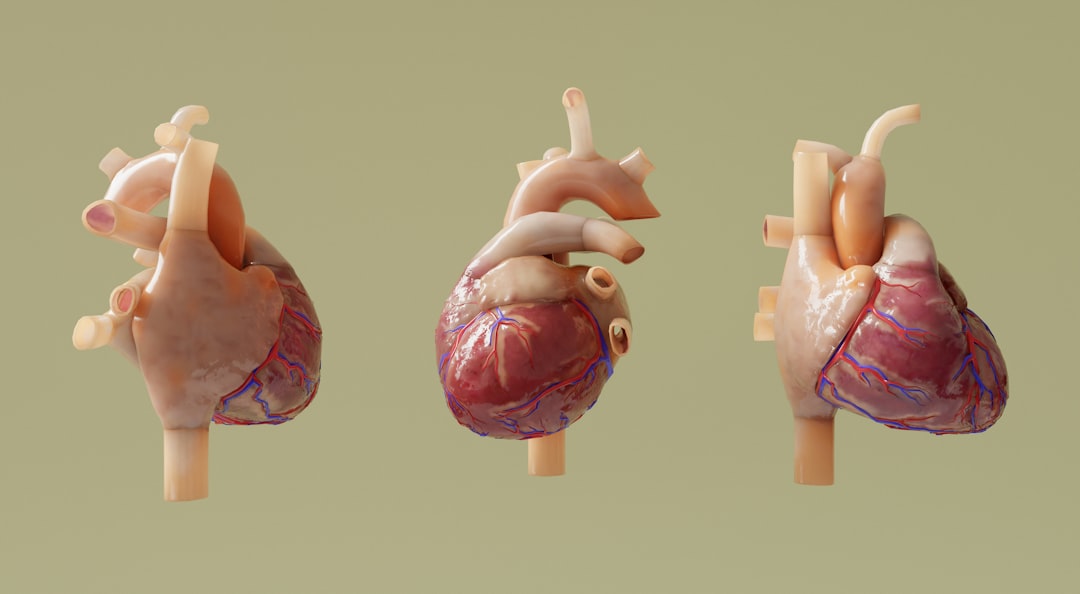
Heart disease encompasses a range of cardiovascular conditions that affect the heart’s structure and function. It remains the leading cause of mortality globally, accounting for approximately 31% of all deaths, according to the World Health Organization.
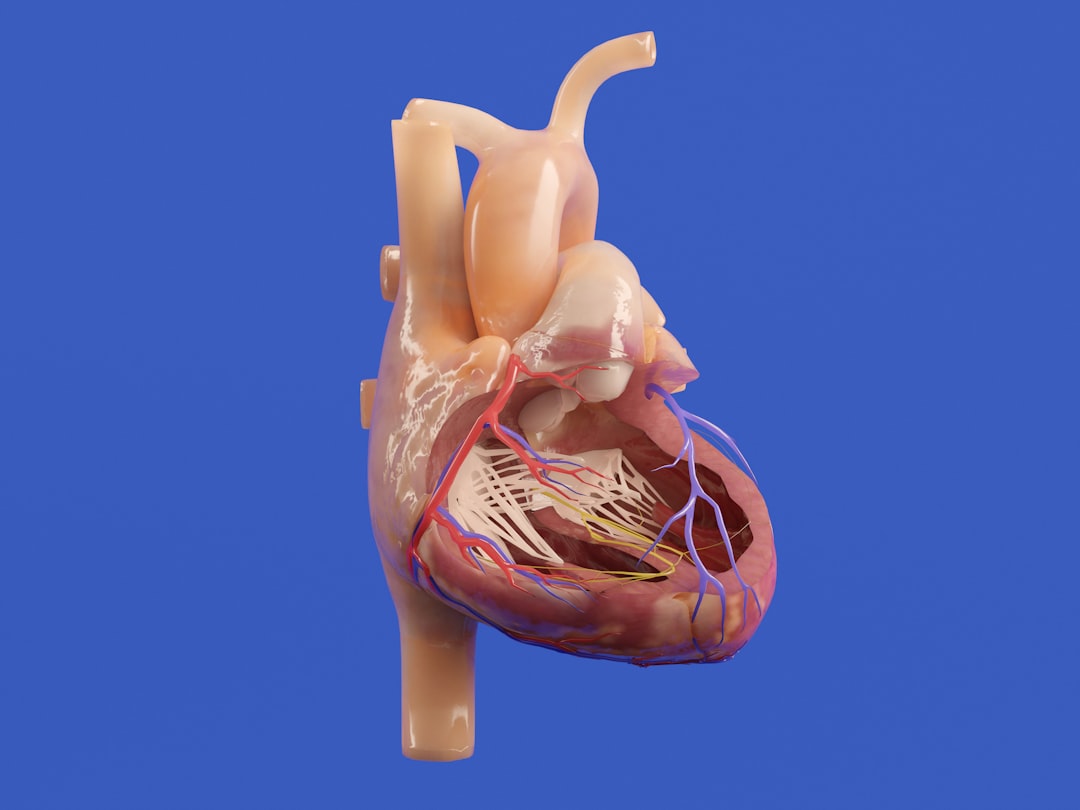
Understanding the complexities of heart disease is crucial for effective prevention, diagnosis, and treatment. The heart is a muscular organ responsible for pumping blood throughout the body, supplying oxygen and nutrients while removing waste products. When any part of this intricate system is compromised, it can lead to significant health issues.
Risk factors for heart disease include hypertension, high cholesterol levels, diabetes, obesity, smoking, and a sedentary lifestyle. Genetic predisposition also plays a critical role in an individual’s susceptibility to various forms of heart disease.
Key Takeaways
- Heart disease is a leading cause of death worldwide and encompasses a range of conditions affecting the heart.
- Coronary artery disease is the most common type of heart disease and occurs when the blood vessels that supply the heart become narrowed or blocked.
- Heart failure occurs when the heart is unable to pump enough blood to meet the body’s needs, leading to symptoms such as shortness of breath and fatigue.
- Arrhythmias are abnormal heart rhythms that can cause the heart to beat too fast, too slow, or irregularly.
- Valvular heart disease affects the valves of the heart, leading to problems with blood flow and potential complications.
Coronary Artery Disease
Coronary artery disease (CAD) is characterized by the narrowing or blockage of the coronary arteries due to atherosclerosis, a condition where fatty deposits (plaques) accumulate on arterial walls. This process can lead to reduced blood flow to the heart muscle, resulting in angina (chest pain) or myocardial infarction (heart attack). CAD is the most prevalent form of heart disease and is often asymptomatic until significant damage has occurred.
The risk factors for CAD include age, family history, high blood pressure, high cholesterol levels, smoking, and diabetes. Diagnostic methods such as electrocardiograms (ECGs), stress tests, and coronary angiography are employed to assess the severity of the disease. Treatment options range from lifestyle modifications and medications to invasive procedures like angioplasty and coronary artery bypass grafting (CABG).
Statins are commonly prescribed to lower cholesterol levels, while antiplatelet agents like aspirin help prevent clot formation.
Heart Failure

Heart failure is a chronic condition where the heart’s ability to pump blood effectively is compromised. It can result from various underlying conditions, including CAD, hypertension, and valvular heart disease. Patients with heart failure may experience symptoms such as shortness of breath, fatigue, and fluid retention, which can significantly impair their quality of life.
Heart failure is classified into two main types: systolic heart failure (reduced ejection fraction) and diastolic heart failure (preserved ejection fraction). Diagnosis typically involves a thorough clinical evaluation, echocardiography, and laboratory tests to assess kidney function and electrolyte levels. Treatment strategies focus on managing symptoms and improving heart function through medications such as angiotensin-converting enzyme (ACE) inhibitors, beta-blockers, and diuretics.
In advanced cases, devices like implantable cardioverter-defibrillators (ICDs) or heart transplants may be necessary.
Arrhythmias
| Arrhythmias Type | Prevalence | Symptoms |
|---|---|---|
| Atrial Fibrillation | 33.5 million cases worldwide | Irregular heartbeat, chest pain, dizziness |
| Ventricular Tachycardia | More common in people with heart disease | Rapid heartbeat, lightheadedness, fainting |
| Atrial Flutter | Less common than atrial fibrillation | Rapid, irregular heartbeat, shortness of breath |
Arrhythmias refer to irregular heartbeats that can manifest as tachycardia (rapid heartbeat), bradycardia (slow heartbeat), or fibrillation (chaotic electrical activity). These disturbances can arise from various factors, including electrolyte imbalances, ischemic heart disease, or structural abnormalities in the heart. While some arrhythmias are benign, others can lead to severe complications such as stroke or sudden cardiac arrest.
Diagnosis involves a comprehensive assessment using ECGs, Holter monitors, and electrophysiological studies. Treatment options vary based on the type and severity of the arrhythmia. Antiarrhythmic medications like amiodarone or beta-blockers may be prescribed to restore normal rhythm.
In some cases, catheter ablation or implantable devices like pacemakers may be required to manage persistent arrhythmias effectively.
Valvular Heart Disease
Valvular heart disease occurs when one or more of the heart’s valves do not function properly, leading to either stenosis (narrowing) or regurgitation (leakage). This condition can result from congenital defects, degenerative changes due to aging, or rheumatic fever. Symptoms may include fatigue, shortness of breath, and palpitations.
Diagnosis typically involves echocardiography to assess valve structure and function. Treatment options depend on the severity of the condition and may include medical management with diuretics or anticoagulants. Surgical interventions such as valve repair or replacement are often necessary for severe cases.
Mechanical or bioprosthetic valves can be used for replacement; however, each option carries its own risks and benefits.
Cardiomyopathy
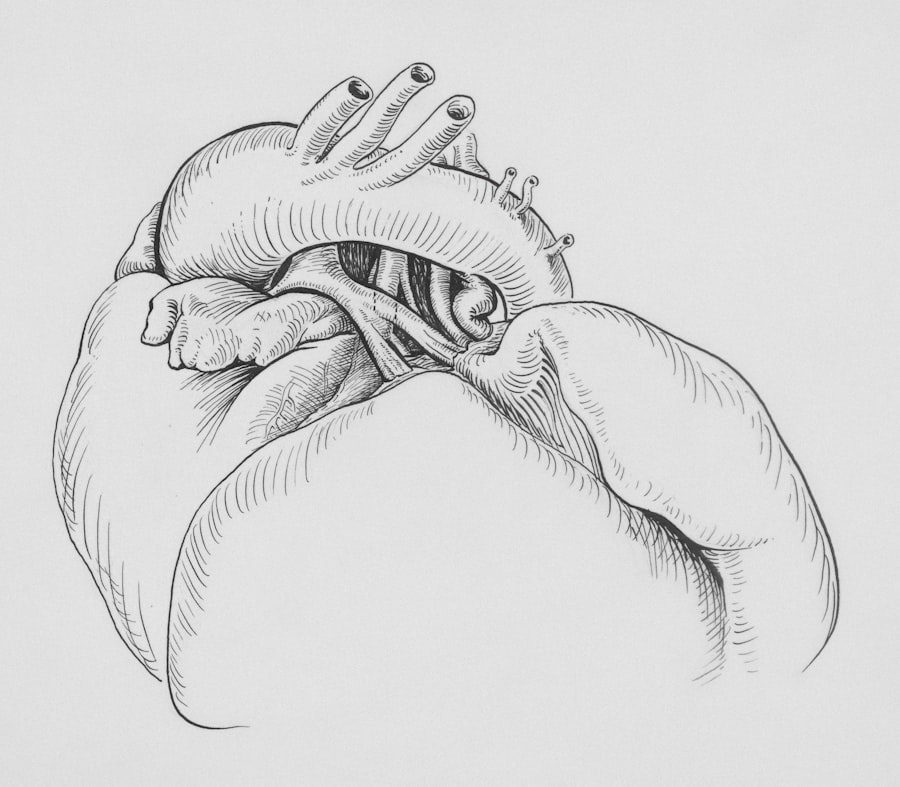
Cardiomyopathy refers to a group of diseases that affect the heart muscle’s structure and function. It can be classified into several types: dilated cardiomyopathy (DCM), hypertrophic cardiomyopathy (HCM), restrictive cardiomyopathy (RCM), and arrhythmogenic right ventricular cardiomyopathy (ARVC). Each type has distinct characteristics and underlying causes.
Dilated cardiomyopathy is characterized by an enlarged heart chamber that impairs its ability to pump blood effectively. Hypertrophic cardiomyopathy involves abnormal thickening of the heart muscle, which can obstruct blood flow. Restrictive cardiomyopathy results in stiffening of the heart muscle, limiting its ability to fill with blood.
Diagnosis often involves echocardiography and genetic testing in familial cases. Treatment may include medications such as beta-blockers or ACE inhibitors and lifestyle modifications. In severe cases, advanced therapies like left ventricular assist devices (LVADs) or heart transplantation may be warranted.
Congenital Heart Disease
Congenital heart disease (CHD) encompasses a range of structural abnormalities present at birth that affect normal heart function. These defects can involve the walls of the heart, valves, or blood vessels and may lead to significant complications if left untreated. The etiology of CHD is multifactorial, with genetic factors and environmental influences playing a role.
Common types of CHD include atrial septal defects (ASD), ventricular septal defects (VSD), and tetralogy of Fallot. Diagnosis typically occurs through echocardiography or cardiac MRI during infancy or childhood. Treatment options vary based on the severity of the defect; some may require surgical intervention while others can be managed with medication or monitoring.
Early detection and intervention are crucial for improving outcomes in affected individuals.
Pericardial Disease
Pericardial disease refers to conditions affecting the pericardium—the fibrous sac surrounding the heart. Common forms include pericarditis (inflammation), pericardial effusion (fluid accumulation), and constrictive pericarditis (thickening and scarring).
Diagnosis often involves imaging studies such as echocardiography or CT scans to assess pericardial thickness and fluid levels. Treatment strategies depend on the underlying cause; anti-inflammatory medications are typically used for pericarditis while pericardiocentesis may be necessary for significant effusions. In cases of constrictive pericarditis, surgical intervention may be required to remove the thickened pericardium.
Hypertensive Heart Disease
Hypertensive heart disease results from prolonged high blood pressure that leads to structural changes in the heart over time. This condition can manifest as left ventricular hypertrophy (enlargement), heart failure, or ischemic heart disease due to reduced blood flow. The prevalence of hypertension is alarmingly high; approximately 1 in 3 adults in the United States are affected.
Management focuses on controlling blood pressure through lifestyle modifications—such as dietary changes and increased physical activity—and pharmacological interventions including diuretics, ACE inhibitors, and calcium channel blockers. Regular monitoring is essential for preventing complications associated with hypertensive heart disease.
Inflammatory Heart Disease
Inflammatory heart disease encompasses conditions such as myocarditis and endocarditis that result from inflammation of the heart muscle or inner lining. Myocarditis can be caused by viral infections, autoimmune diseases, or exposure to certain toxins. Endocarditis typically arises from bacterial infections affecting damaged heart valves.
Diagnosis often involves serological tests, echocardiography, and sometimes cardiac MRI for myocarditis; endocarditis diagnosis relies on blood cultures and echocardiographic findings. Treatment strategies include antibiotics for endocarditis and supportive care for myocarditis patients. In severe cases where cardiac function is compromised, advanced therapies may be necessary.
Prevention and Treatment of Heart Disease
Preventing heart disease requires a multifaceted approach that includes lifestyle modifications such as maintaining a healthy diet rich in fruits, vegetables, whole grains, lean proteins, and healthy fats while minimizing saturated fats and sugars. Regular physical activity—aiming for at least 150 minutes of moderate exercise weekly—can significantly reduce risk factors associated with cardiovascular diseases. Pharmacological treatments play a vital role in managing existing conditions contributing to heart disease.
Statins are commonly prescribed to lower cholesterol levels; antihypertensive medications help control blood pressure; antiplatelet agents reduce clot formation risk; and anticoagulants prevent thromboembolic events in high-risk patients. In addition to medication adherence, regular health check-ups are essential for monitoring cardiovascular health markers such as blood pressure, cholesterol levels, and glucose levels. Education about recognizing early symptoms of heart disease can empower individuals to seek timely medical attention.
In summary, heart disease encompasses a wide array of conditions affecting cardiovascular health that require comprehensive understanding for effective management. From coronary artery disease to congenital defects, each type presents unique challenges but also opportunities for prevention through lifestyle changes and medical interventions. By prioritizing cardiovascular health through education and proactive measures, individuals can significantly reduce their risk of developing serious complications associated with heart disease.
Heart disease is a prevalent health issue that affects millions of people worldwide. One related article discusses the different types of heart disease and their symptoms, risk factors, and treatment options. To learn more about this important topic, check out this informative article on Boogger.com. Understanding the various forms of heart disease can help individuals take proactive steps to protect their heart health and reduce their risk of developing cardiovascular problems.
FAQs
What are the different types of heart disease?
There are several types of heart disease, including coronary artery disease, heart failure, arrhythmias, heart valve disease, and congenital heart disease.
What is coronary artery disease?
Coronary artery disease occurs when the blood vessels that supply the heart with oxygen and nutrients become narrowed or blocked by a buildup of plaque. This can lead to chest pain, heart attack, or other serious complications.
What is heart failure?
Heart failure occurs when the heart is unable to pump enough blood to meet the body’s needs. This can lead to symptoms such as shortness of breath, fatigue, and swelling in the legs and abdomen.
What are arrhythmias?
Arrhythmias are abnormal heart rhythms that can cause the heart to beat too fast, too slow, or irregularly. This can lead to symptoms such as palpitations, dizziness, and fainting.
What is heart valve disease?
Heart valve disease occurs when one or more of the heart’s valves do not work properly, leading to problems with blood flow. This can cause symptoms such as chest pain, fatigue, and shortness of breath.
What is congenital heart disease?
Congenital heart disease is a type of heart disease that is present at birth. It can involve structural problems with the heart or blood vessels, and may require surgical intervention to correct.