Now Reading: Understanding the Causes of CVD
-
01
Understanding the Causes of CVD
Understanding the Causes of CVD
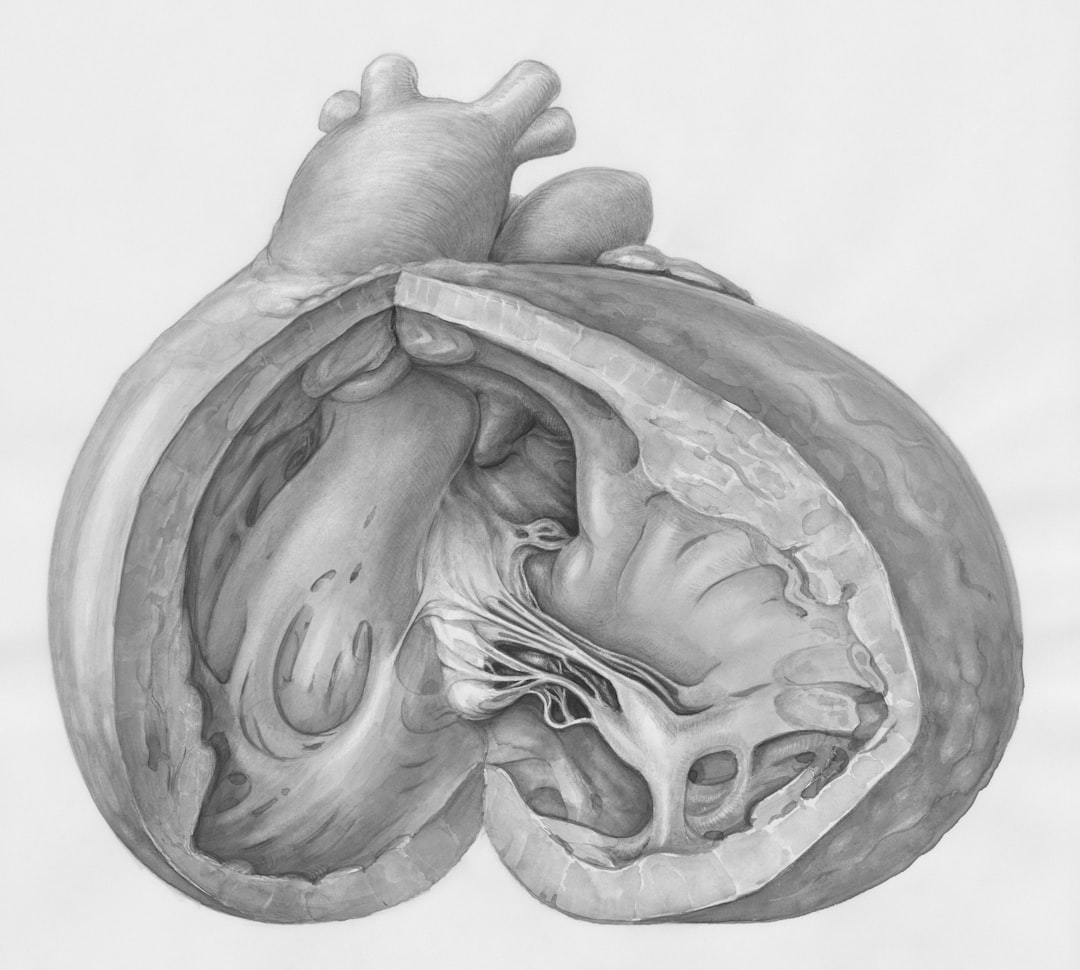
Cardiovascular disease (CVD) encompasses a range of disorders affecting the heart and blood vessels, including coronary artery disease, heart failure, arrhythmias, and peripheral artery disease. It remains a leading cause of morbidity and mortality worldwide, accounting for approximately 31% of all global deaths according to the World Health Organization. The pathophysiology of CVD is complex, often involving a combination of genetic predispositions, lifestyle choices, and environmental influences.
Understanding the multifaceted nature of cardiovascular disease is crucial for effective prevention and management strategies. The burden of cardiovascular disease is not only a public health concern but also an economic one, with healthcare costs associated with treatment and management reaching staggering figures. The increasing prevalence of risk factors such as obesity, diabetes, and hypertension has contributed to the rising incidence of CVD.
As such, it is imperative to explore the various risk factors associated with cardiovascular disease to develop targeted interventions that can mitigate its impact on individuals and society as a whole.
Key Takeaways
- Cardiovascular disease is a leading cause of death globally, encompassing conditions such as heart disease and stroke.
- Risk factors for cardiovascular disease include high blood pressure, high cholesterol, obesity, diabetes, smoking, stress, poor diet, and environmental factors.
- Genetics and family history play a significant role in the development of cardiovascular disease, with certain genetic factors increasing the risk.
- High blood pressure and hypertension are major risk factors for cardiovascular disease, and can be managed through lifestyle changes and medication.
- High cholesterol and atherosclerosis contribute to the development of cardiovascular disease, and can be controlled through diet, exercise, and medication.
Risk Factors for Cardiovascular Disease
The risk factors for cardiovascular disease can be categorized into modifiable and non-modifiable factors. Modifiable risk factors include lifestyle choices such as diet, physical activity, smoking, and alcohol consumption. Non-modifiable factors encompass age, gender, and genetic predisposition.
Understanding these risk factors is essential for both prevention and treatment strategies. 1. **Modifiable Risk Factors**: These are the aspects of an individual’s lifestyle that can be altered to reduce the likelihood of developing cardiovascular disease.
For instance, engaging in regular physical activity can significantly lower the risk of heart disease by improving cardiovascular fitness and reducing body weight. Similarly, adopting a heart-healthy diet rich in fruits, vegetables, whole grains, and lean proteins can help manage cholesterol levels and blood pressure. 2.
**Non-Modifiable Risk Factors**: Age is a significant determinant of cardiovascular health; the risk increases as individuals grow older. Men are generally at a higher risk than women until women reach menopause, after which their risk increases significantly. Family history also plays a crucial role; individuals with a family history of heart disease are more likely to develop similar conditions.
Genetics and Family History
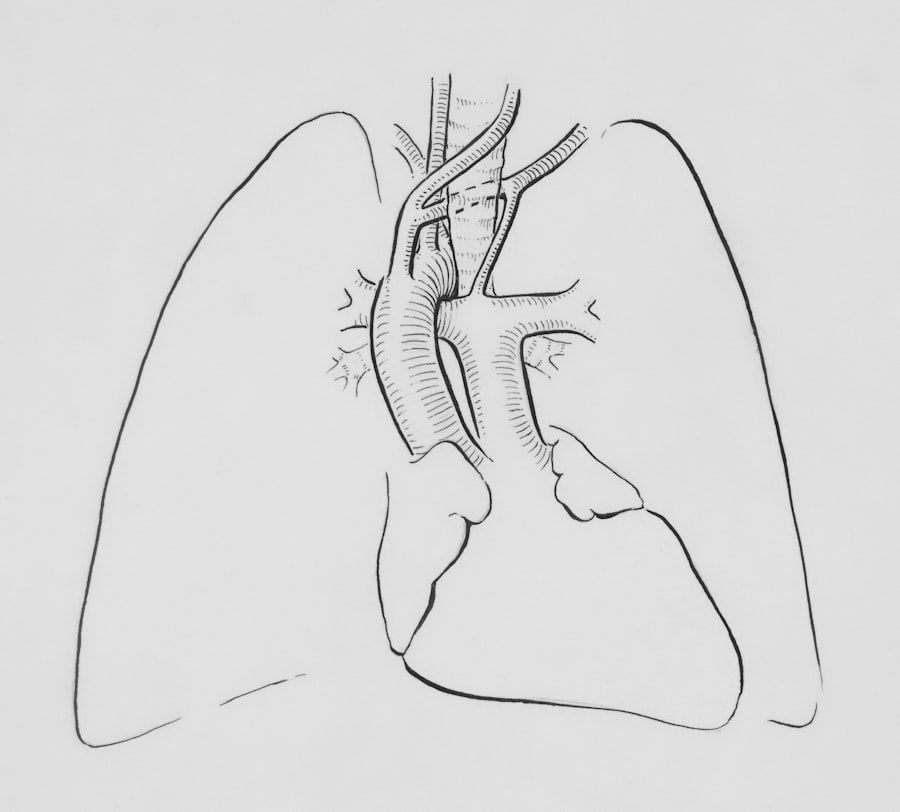
Genetics plays a pivotal role in the development of cardiovascular disease. Certain genetic mutations can predispose individuals to conditions such as familial hypercholesterolemia, which leads to elevated cholesterol levels and an increased risk of coronary artery disease. Family history serves as an important indicator; individuals with first-degree relatives who have experienced heart disease are at a heightened risk themselves. Research has shown that genetic factors can influence various aspects of cardiovascular health, including lipid metabolism, blood pressure regulation, and inflammatory responses. Genetic testing may provide valuable insights into an individual’s risk profile, allowing for personalized prevention strategies.
However, it is essential to recognize that genetics alone does not dictate fate; lifestyle modifications can significantly mitigate genetic risks.
High Blood Pressure and Hypertension
| Category | Metrics |
|---|---|
| Prevalence | 1 in 3 adults in the United States have high blood pressure |
| Risk Factors | Obesity, high salt intake, lack of physical activity |
| Complications | Heart disease, stroke, kidney disease |
| Treatment | Medication, lifestyle changes, regular check-ups |
Hypertension, or high blood pressure, is often referred to as the “silent killer” due to its asymptomatic nature. It is defined as having a systolic blood pressure of 130 mmHg or higher or a diastolic blood pressure of 80 mmHg or higher. Chronic hypertension can lead to serious complications such as heart attack, stroke, and kidney failure.
Management of hypertension typically involves lifestyle modifications such as dietary changes (e.g., reducing sodium intake), regular physical activity, weight management, and stress reduction techniques. In cases where lifestyle changes are insufficient, pharmacological interventions may be necessary. Common antihypertensive medications include diuretics, ACE inhibitors, beta-blockers, and calcium channel blockers.
Each class of medication works through different mechanisms to lower blood pressure and reduce cardiovascular risk.
High Cholesterol and Atherosclerosis
Dyslipidemia, characterized by elevated levels of low-density lipoprotein (LDL) cholesterol and low levels of high-density lipoprotein (HDL) cholesterol, is a significant contributor to atherosclerosis—the buildup of fatty deposits in arterial walls. This condition narrows arteries and restricts blood flow, increasing the risk of heart attacks and strokes. To manage high cholesterol levels effectively, lifestyle modifications are paramount.
A diet low in saturated fats and trans fats while rich in omega-3 fatty acids can help improve lipid profiles. Regular exercise also plays a crucial role in raising HDL cholesterol levels while lowering LDL cholesterol levels. In cases where lifestyle changes are insufficient, statins or other lipid-lowering medications may be prescribed to help achieve target cholesterol levels.
Obesity and Sedentary Lifestyle
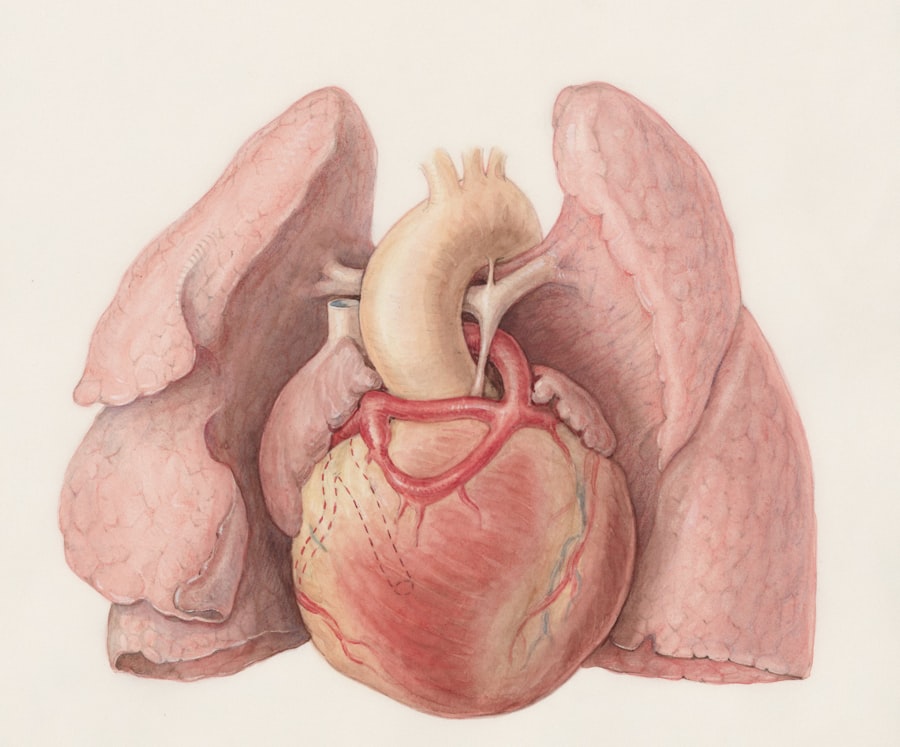
Obesity is a major risk factor for cardiovascular disease due to its association with other comorbidities such as hypertension, diabetes, and dyslipidemia. Defined by a body mass index (BMI) of 30 or higher, obesity contributes to increased inflammation and insulin resistance—both of which are detrimental to cardiovascular health. A sedentary lifestyle exacerbates the risks associated with obesity.
The American Heart Association recommends at least 150 minutes of moderate-intensity aerobic exercise per week for adults. Incorporating strength training exercises at least twice a week can further enhance overall health.
Diabetes and Insulin Resistance
Diabetes mellitus is a chronic condition characterized by elevated blood glucose levels due to insulin resistance or inadequate insulin production. Individuals with diabetes are at a significantly increased risk for developing cardiovascular disease due to the damaging effects of hyperglycemia on blood vessels. Management of diabetes involves strict glycemic control through lifestyle modifications such as diet and exercise, along with pharmacological interventions when necessary.
Medications like metformin are commonly prescribed to improve insulin sensitivity and lower blood sugar levels. Additionally, newer classes of diabetes medications such as GLP-1 receptor agonists have shown cardiovascular benefits beyond glycemic control.
Smoking and Tobacco Use
Cigarette smoking is one of the most significant modifiable risk factors for cardiovascular disease. The harmful chemicals in tobacco smoke contribute to endothelial dysfunction, increased blood clotting, and elevated blood pressure—all of which heighten the risk for heart disease. Quitting smoking is one of the most effective ways to reduce cardiovascular risk.
Various cessation programs and pharmacological aids such as nicotine replacement therapy (NRT), bupropion, or varenicline can assist individuals in their efforts to quit smoking successfully. The benefits of cessation are profound; within just one year of quitting smoking, the risk of coronary heart disease drops significantly.
Stress and Mental Health
Chronic stress has been linked to an increased risk of cardiovascular disease through various mechanisms including elevated cortisol levels, increased inflammation, and unhealthy coping behaviors such as poor diet or smoking. Mental health conditions such as depression and anxiety can also exacerbate cardiovascular risks by influencing lifestyle choices and physiological responses. Addressing stress through mindfulness practices such as meditation or yoga can be beneficial for both mental health and cardiovascular well-being.
Additionally, seeking professional help through therapy or counseling can provide individuals with effective coping strategies to manage stressors more effectively.
Poor Diet and Nutrition
Diet plays a crucial role in cardiovascular health; poor dietary choices can lead to obesity, hypertension, dyslipidemia, and diabetes—all significant risk factors for CVD. Diets high in saturated fats, trans fats, refined sugars, and sodium contribute to adverse health outcomes. To promote heart health, individuals should focus on consuming a balanced diet rich in whole foods such as fruits, vegetables, whole grains, lean proteins, and healthy fats (e.g., avocados, nuts).
The Mediterranean diet has been extensively studied for its cardioprotective effects due to its emphasis on plant-based foods and healthy fats while minimizing processed foods.
Environmental Factors and Pollution
Environmental factors play an increasingly recognized role in cardiovascular health. Air pollution has been linked to increased rates of heart disease due to its effects on inflammation and oxidative stress within the body. Exposure to pollutants such as particulate matter can exacerbate existing cardiovascular conditions or contribute to their development.
Mitigating exposure to environmental pollutants involves both individual actions—such as using air purifiers indoors—and broader societal efforts aimed at reducing emissions from vehicles and industrial sources. Advocacy for cleaner air policies can contribute significantly to public health improvements regarding cardiovascular disease. In summary, cardiovascular disease remains a significant global health challenge influenced by various modifiable and non-modifiable risk factors.
Understanding these factors allows for targeted prevention strategies that can significantly reduce the incidence of CVD. Lifestyle modifications such as maintaining a healthy diet, engaging in regular physical activity, managing stress levels, quitting smoking, and controlling blood pressure and cholesterol levels are essential components in combating this pervasive condition. FAQ Section: 1.
**What are the early signs of cardiovascular disease?**
– Early signs may include chest pain or discomfort (angina), shortness of breath during physical activity or at rest, fatigue with exertion, palpitations or irregular heartbeats. 2. **How often should I get my blood pressure checked?**
– Adults should have their blood pressure checked at least once every two years if it is normal (less than 120/80 mmHg).
Those with elevated readings should consult their healthcare provider for more frequent monitoring. 3. **What dietary changes can help lower cholesterol?**
– Incorporating more soluble fiber (found in oats, beans), healthy fats (like those from fish), fruits and vegetables while reducing saturated fats (found in red meat) can help lower cholesterol levels.
4. **Can stress really affect my heart health?**
– Yes! Chronic stress can lead to unhealthy behaviors (like overeating or smoking) that increase cardiovascular risk while also causing physiological changes that may harm heart health.
5. **What role does genetics play in heart disease?**
– Genetics can predispose individuals to conditions like high cholesterol or hypertension; however, lifestyle choices can significantly influence overall risk. 6.
**Is it possible to reverse heart disease?**
– While some damage may be irreversible, adopting a heart-healthy lifestyle can halt progression and improve overall heart function significantly. 7. **What medications are commonly prescribed for hypertension?
8. **How does obesity contribute to heart disease?**
– Obesity increases the likelihood of developing hypertension, diabetes, and dyslipidemia—all significant contributors to cardiovascular disease. 9.
**What are some effective ways to quit smoking?**
– Effective methods include behavioral therapy, nicotine replacement therapies (patches or gum), prescription medications like bupropion or varenicline, and support groups. 10. **How does air pollution affect heart health?**
– Air pollution contributes to systemic inflammation and oxidative stress which can lead to arterial damage over time—heightening the risk for heart attacks or strokes.
In conclusion, addressing cardiovascular disease requires a comprehensive understanding of its multifactorial nature encompassing genetics, lifestyle choices, environmental influences, and mental health considerations. By implementing preventive measures through education and awareness while promoting healthy habits within communities, we can work towards reducing the burden of this pervasive condition on global health systems.
One related article discussing the causes of cardiovascular disease (CVD) can be found at this link. This article delves into the various risk factors and lifestyle choices that can contribute to the development of CVD, such as smoking, poor diet, lack of exercise, and stress. Understanding these factors is crucial in preventing and managing cardiovascular disease.
FAQs
What are the main causes of cardiovascular disease (CVD)?
The main causes of cardiovascular disease include high blood pressure, high cholesterol, smoking, diabetes, obesity, poor diet, physical inactivity, and excessive alcohol consumption.
How does high blood pressure contribute to CVD?
High blood pressure can damage the arteries and heart, leading to an increased risk of cardiovascular disease. It can cause the heart to work harder, leading to heart failure, and can also contribute to the formation of blood clots.
How does high cholesterol contribute to CVD?
High levels of cholesterol can lead to the buildup of plaque in the arteries, narrowing them and restricting blood flow. This can lead to a heart attack or stroke.
What role does smoking play in the development of CVD?
Smoking damages the blood vessels, reduces the amount of oxygen in the blood, and increases the risk of blood clots. It also contributes to the buildup of plaque in the arteries, increasing the risk of heart disease and stroke.
How does diabetes increase the risk of CVD?
Diabetes can damage blood vessels and the nerves that control the heart, as well as increase the risk of high blood pressure and high cholesterol. All of these factors contribute to an increased risk of cardiovascular disease.
How does obesity contribute to the development of CVD?
Obesity is associated with high blood pressure, high cholesterol, and diabetes, all of which increase the risk of cardiovascular disease. Excess weight also puts additional strain on the heart.
What impact does a poor diet have on the risk of CVD?
A poor diet high in saturated and trans fats, cholesterol, and sodium can contribute to high blood pressure, high cholesterol, and obesity, all of which increase the risk of cardiovascular disease.
How does physical inactivity increase the risk of CVD?
Physical inactivity is associated with obesity, high blood pressure, and high cholesterol, all of which increase the risk of cardiovascular disease. Regular physical activity can help reduce these risk factors.
What is the impact of excessive alcohol consumption on the risk of CVD?
Excessive alcohol consumption can lead to high blood pressure, heart failure, and an increased risk of stroke. It can also contribute to obesity and an unhealthy diet, further increasing the risk of cardiovascular disease.