Now Reading: Understanding Hypertensive Heart Disease
-
01
Understanding Hypertensive Heart Disease
Understanding Hypertensive Heart Disease

Hypertensive heart disease (HHD) is a term that encompasses a range of cardiovascular conditions that arise as a direct consequence of chronic hypertension, or high blood pressure. This condition primarily affects the heart muscle and its ability to function effectively. Over time, elevated blood pressure can lead to structural and functional changes in the heart, including left ventricular hypertrophy (LVH), heart failure, and ischemic heart disease.
The pathophysiology of HHD involves a complex interplay of hemodynamic stress, neurohormonal activation, and vascular remodeling, which ultimately compromise cardiac performance. The World Health Organization (WHO) estimates that hypertension affects approximately 1.13 billion people globally, making it a significant public health concern. The prevalence of hypertensive heart disease is particularly alarming, as it is one of the leading causes of morbidity and mortality worldwide.
Key Takeaways
- Hypertensive heart disease is a condition that occurs due to high blood pressure, leading to damage and strain on the heart.
- Causes and risk factors for hypertensive heart disease include high blood pressure, obesity, smoking, and excessive alcohol consumption.
- Symptoms of hypertensive heart disease may include chest pain, shortness of breath, and fatigue, and diagnosis is typically made through blood pressure monitoring and imaging tests.
- Complications of hypertensive heart disease can include heart failure, heart attack, and stroke.
- Treatment options for hypertensive heart disease include lifestyle changes, medications, and surgical interventions, and prognosis depends on the severity of the condition and the individual’s response to treatment.
Causes and Risk Factors
The primary cause of hypertensive heart disease is chronic hypertension, which can be classified into two categories: primary (essential) hypertension and secondary hypertension. Primary hypertension has no identifiable cause and is influenced by genetic predisposition, lifestyle factors, and environmental influences. In contrast, secondary hypertension results from an underlying condition such as kidney disease, endocrine disorders, or certain medications.
Several risk factors contribute to the development of hypertensive heart disease. These include: 1. **Age**: The risk of developing hypertension increases with age due to vascular stiffness and changes in cardiac function.
2.
**Obesity**: Excess body weight is associated with increased blood volume and cardiac workload, leading to elevated blood pressure.
3. **Sedentary Lifestyle**: Physical inactivity contributes to obesity and poor cardiovascular health.
4. **Diet**: High sodium intake, low potassium consumption, and excessive alcohol use can exacerbate hypertension.
5.
**Family History**: A genetic predisposition to hypertension can increase an individual’s risk.
6. **Smoking**: Tobacco use damages blood vessels and raises blood pressure. Addressing these risk factors through lifestyle modifications can significantly reduce the likelihood of developing hypertensive heart disease.
Symptoms and Diagnosis
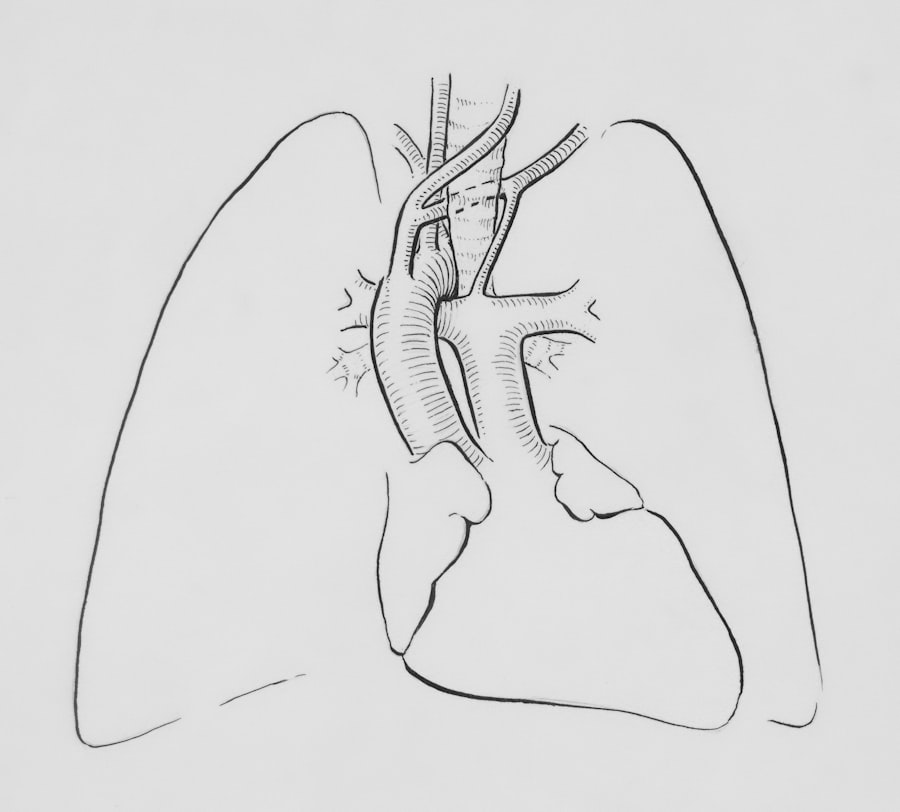
Hypertensive heart disease often presents with subtle symptoms that may be overlooked until significant damage has occurred. Common manifestations include: – **Chest Pain**: Patients may experience angina or discomfort due to reduced blood flow to the heart muscle.
– **Shortness of Breath**: Dyspnea may occur during physical activity or at rest, indicating heart failure or pulmonary congestion.
– **Fatigue**: A general sense of tiredness can result from the heart’s inability to pump effectively.
– **Palpitations**: Irregular heartbeats may be felt as the heart struggles to maintain normal rhythm. Diagnosis typically involves a comprehensive evaluation that includes a thorough medical history, physical examination, and diagnostic tests.
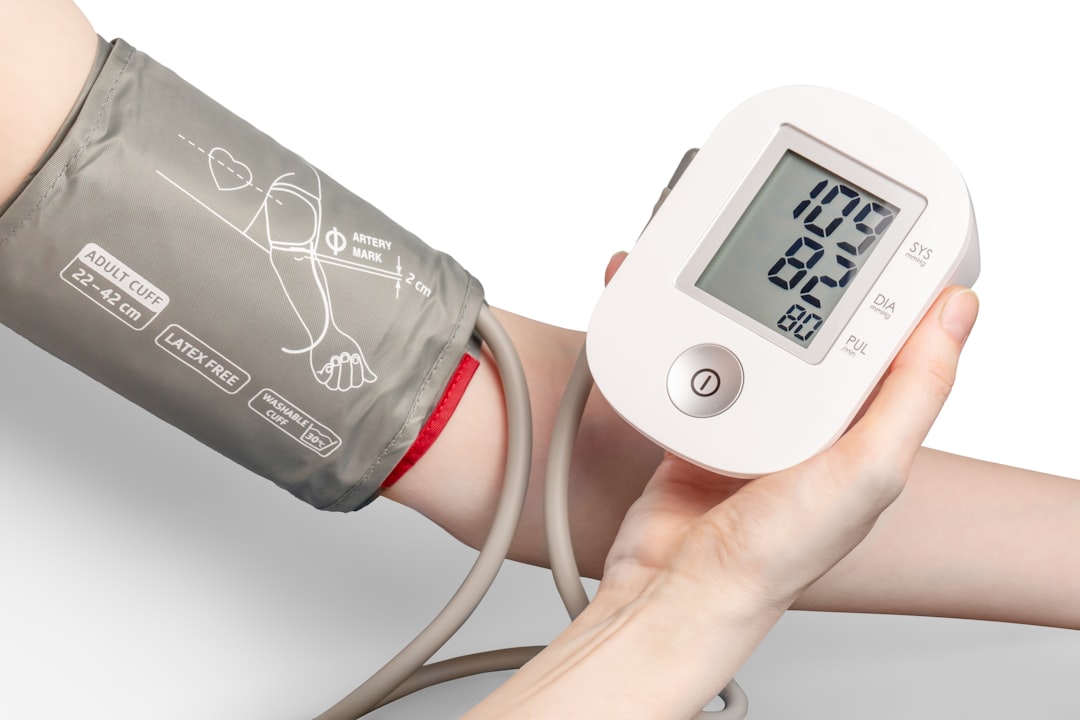
Blood pressure measurements are essential for identifying hypertension. Additional tests may include: – **Electrocardiogram (ECG)**: This test assesses electrical activity in the heart and can reveal signs of LVH or arrhythmias.
– **Echocardiogram**: An ultrasound of the heart provides information about its structure and function, helping to identify any abnormalities.
– **Chest X-ray**: This imaging study can reveal signs of heart enlargement or fluid accumulation in the lungs. Early diagnosis is critical for preventing further complications associated with hypertensive heart disease.
Complications
| Complication Type | Number of Cases | Severity Level |
|---|---|---|
| Infection | 235 | High |
| Bleeding | 120 | Medium |
| Organ Damage | 45 | High |
The complications arising from hypertensive heart disease can be severe and life-threatening. Some of the most common complications include: 1. **Heart Failure**: Chronic pressure overload leads to left ventricular dysfunction, resulting in heart failure characterized by fluid retention, fatigue, and exercise intolerance.
2.
**Coronary Artery Disease (CAD)**: Hypertension accelerates atherosclerosis, increasing the risk of myocardial infarction (heart attack) due to reduced blood flow to the heart muscle.
3. **Arrhythmias**: Structural changes in the heart can lead to abnormal electrical conduction, resulting in arrhythmias that may cause palpitations or syncope.
4. **Stroke**: Hypertension is a major risk factor for both ischemic and hemorrhagic strokes due to its impact on cerebral blood vessels.
5.
**Kidney Damage**: Chronic hypertension can lead to nephrosclerosis, impairing kidney function and potentially resulting in end-stage renal disease. Recognizing these complications early allows for timely intervention and management strategies to mitigate their impact on patient health.
Treatment Options
The management of hypertensive heart disease focuses on controlling blood pressure and addressing any associated cardiac conditions. Treatment options typically include lifestyle modifications, pharmacotherapy, and in some cases, surgical interventions. Lifestyle changes are foundational in managing hypertension and may involve dietary adjustments, increased physical activity, weight loss, smoking cessation, and stress management techniques.
These changes can significantly improve overall cardiovascular health. Pharmacological treatment often includes antihypertensive medications such as: – **ACE Inhibitors**: These drugs help relax blood vessels by inhibiting the angiotensin-converting enzyme, thereby lowering blood pressure.
– **Beta-Blockers**: These medications reduce heart rate and myocardial oxygen demand, improving symptoms related to angina and heart failure.
– **Calcium Channel Blockers**: By preventing calcium from entering cardiac and vascular smooth muscle cells, these agents help lower blood pressure and reduce cardiac workload. The choice of medication depends on individual patient characteristics and comorbidities.
Lifestyle Changes

Implementing lifestyle changes is crucial for managing hypertensive heart disease effectively. Key modifications include: 1. **Dietary Adjustments**: Adopting a heart-healthy diet such as the DASH (Dietary Approaches to Stop Hypertension) diet can significantly lower blood pressure.
2. **Regular Physical Activity**: Engaging in at least 150 minutes of moderate-intensity aerobic exercise per week can improve cardiovascular fitness and help maintain a healthy weight.
3. **Weight Management**: Achieving and maintaining a healthy body weight reduces strain on the heart and lowers blood pressure.
4.
**Stress Reduction**: Techniques such as mindfulness meditation, yoga, or deep-breathing exercises can help manage stress levels that contribute to hypertension.
5. **Limiting Alcohol Consumption**: Reducing alcohol intake can help lower blood pressure and decrease the risk of developing further cardiovascular complications. These lifestyle changes not only aid in managing hypertensive heart disease but also promote overall well-being.
Medications
Pharmacotherapy plays a pivotal role in managing hypertensive heart disease by controlling blood pressure and alleviating symptoms associated with cardiac dysfunction. Commonly prescribed medications include: – **Angiotensin II Receptor Blockers (ARBs)**: These agents block the effects of angiotensin II, leading to vasodilation and reduced blood pressure.
– **Diuretics**: Often referred to as “water pills,” diuretics help eliminate excess fluid from the body, reducing blood volume and lowering blood pressure.
– **Aldosterone Antagonists**: These medications inhibit aldosterone’s effects on sodium retention, promoting diuresis and lowering blood pressure. It is essential for patients to adhere to their prescribed medication regimen while regularly monitoring their blood pressure at home or during medical visits.
Surgical Interventions
In certain cases where medical management fails or complications arise, surgical interventions may be necessary. Options include: 1. **Coronary Artery Bypass Grafting (CABG)**: This procedure reroutes blood around blocked coronary arteries to improve blood flow to the heart muscle.
2.
**Percutaneous Coronary Intervention (PCI)**: Also known as angioplasty, this minimally invasive procedure involves inserting a catheter with a balloon into narrowed arteries to restore blood flow.
3. **Left Ventricular Assist Device (LVAD)**: In advanced cases of heart failure, an LVAD may be implanted to assist the left ventricle in pumping blood effectively. These surgical options are typically reserved for patients with severe symptoms or those who do not respond adequately to medical therapy.
Prognosis and Outlook
The prognosis for individuals with hypertensive heart disease varies based on several factors including age, overall health status, adherence to treatment regimens, and the presence of comorbid conditions. Early detection and effective management significantly improve outcomes; however, untreated hypertension can lead to serious complications that adversely affect quality of life. Patients who actively engage in lifestyle modifications and adhere to prescribed medications tend to experience better long-term outcomes.
Regular follow-up with healthcare providers is essential for monitoring progress and adjusting treatment plans as needed.
Prevention
Preventing hypertensive heart disease involves addressing modifiable risk factors associated with hypertension. Key preventive strategies include: 1. **Regular Health Screenings**: Routine blood pressure checks can facilitate early detection of hypertension.
2.
**Healthy Eating Habits**: Emphasizing a balanced diet rich in fruits, vegetables, whole grains, lean proteins, and healthy fats can help maintain optimal blood pressure levels.
3. **Physical Activity**: Engaging in regular exercise promotes cardiovascular health and aids in weight management.
4. **Avoiding Tobacco Use**: Quitting smoking reduces cardiovascular risk factors associated with hypertension.
5.
**Stress Management Techniques**: Incorporating relaxation techniques into daily routines can help mitigate stress-related increases in blood pressure. By adopting these preventive measures, individuals can significantly reduce their risk of developing hypertensive heart disease.
Support and Resources
Support for individuals diagnosed with hypertensive heart disease is vital for effective management and coping strategies. Resources available include: 1. **Patient Education Programs**: Many healthcare facilities offer educational resources that provide information about managing hypertension and related conditions.
2.
**Support Groups**: Connecting with others facing similar challenges can provide emotional support and practical advice for managing hypertensive heart disease.
3. **Online Resources**: Websites such as the American Heart Association (AHA) offer valuable information on hypertension management, dietary recommendations, and exercise guidelines.
4. **Healthcare Providers**: Regular consultations with cardiologists or primary care physicians are essential for ongoing management and monitoring of hypertensive heart disease.
In conclusion, hypertensive heart disease represents a significant health challenge that requires comprehensive management strategies encompassing lifestyle modifications, pharmacotherapy, and regular monitoring. By understanding its causes, symptoms, complications, treatment options, and preventive measures, individuals can take proactive steps toward improving their cardiovascular health and overall well-being.
If you or a loved one has been diagnosed with hypertensive heart disease, it is important to understand the condition and how to manage it effectively. One helpful resource is the article “Experience Amazon Prime Video: The 25 Most Popular Series to Binge”, which provides entertainment options for relaxation and stress relief, both of which are important for managing hypertension. Remember to consult with your healthcare provider for personalized advice and treatment options.
FAQs
What is hypertensive heart disease?
Hypertensive heart disease refers to a group of heart conditions that are caused by high blood pressure. Over time, the increased pressure of blood flow can cause the heart to work harder, leading to various heart-related complications.
What are the symptoms of hypertensive heart disease?
Symptoms of hypertensive heart disease may include chest pain, shortness of breath, fatigue, swelling in the legs, and irregular heartbeat. In some cases, individuals may not experience any symptoms until the condition has progressed.
How is hypertensive heart disease diagnosed?
Hypertensive heart disease can be diagnosed through a physical examination, blood pressure measurements, imaging tests such as echocardiogram or MRI, and other diagnostic tests to assess the heart’s function and structure.
What are the risk factors for hypertensive heart disease?
Risk factors for hypertensive heart disease include high blood pressure, obesity, smoking, excessive alcohol consumption, high salt intake, family history of heart disease, and certain chronic conditions such as diabetes and kidney disease.
How is hypertensive heart disease treated?
Treatment for hypertensive heart disease may include lifestyle changes such as a healthy diet, regular exercise, and stress management, as well as medications to control blood pressure and manage related symptoms. In some cases, surgical procedures or other interventions may be necessary.
Can hypertensive heart disease be prevented?
Preventive measures for hypertensive heart disease include maintaining a healthy weight, following a balanced diet low in sodium, engaging in regular physical activity, managing stress, avoiding tobacco and excessive alcohol consumption, and monitoring blood pressure regularly. Early detection and management of high blood pressure can also help prevent the development of hypertensive heart disease.