Now Reading: Recognizing the Signs of Heart Disease
-
01
Recognizing the Signs of Heart Disease
Recognizing the Signs of Heart Disease
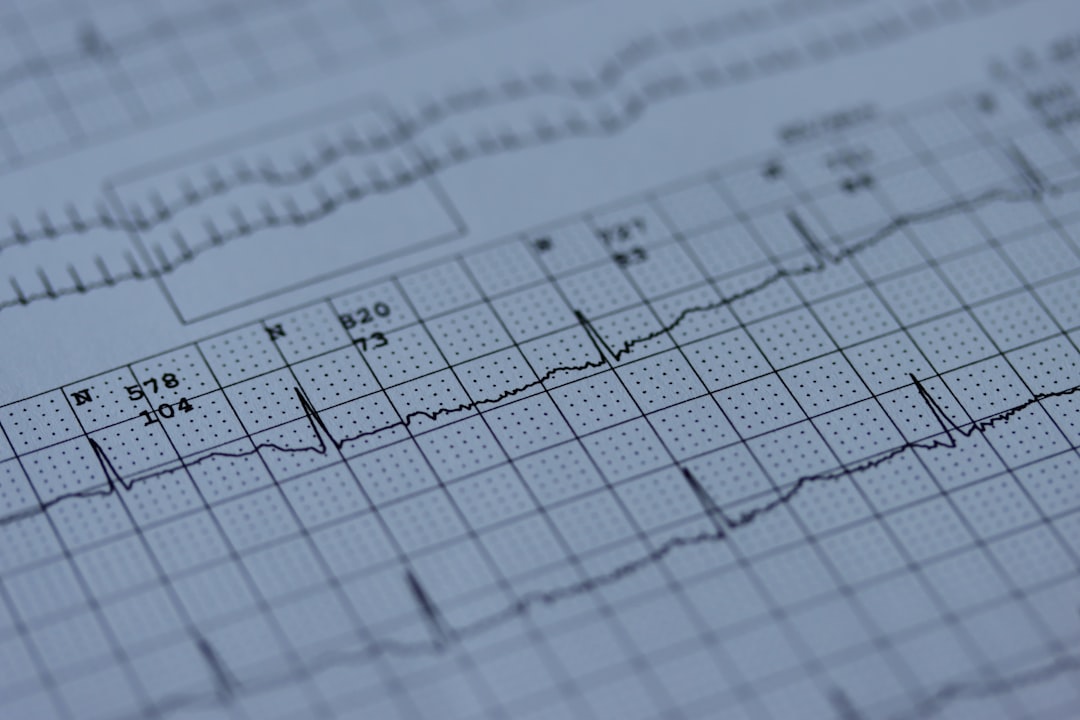
Heart disease remains one of the leading causes of morbidity and mortality worldwide, with a multitude of risk factors contributing to its prevalence. These risk factors can be categorized into modifiable and non-modifiable elements. Modifiable risk factors include hypertension, hyperlipidemia, diabetes mellitus, obesity, physical inactivity, and smoking.
Each of these factors can significantly increase the likelihood of developing cardiovascular conditions. For instance, hypertension, or high blood pressure, can lead to arterial damage and increase the workload on the heart, while elevated cholesterol levels can result in atherosclerosis, a condition characterized by the buildup of plaque in the arteries. Non-modifiable risk factors encompass age, gender, and genetic predisposition.
As individuals age, the risk of heart disease escalates due to the natural wear and tear on the cardiovascular system. Statistically, men are at a higher risk than women until women reach menopause, after which their risk increases significantly. Furthermore, a family history of heart disease can indicate a genetic predisposition to cardiovascular conditions, necessitating heightened vigilance and preventive measures for those with affected relatives.
Key Takeaways
- Understanding the risk factors: Identifying and understanding the various risk factors for heart disease is crucial for prevention and early detection.
- Recognizing symptoms of heart disease: Being aware of the common symptoms such as chest pain, shortness of breath, and fatigue can help in early diagnosis and treatment.
- Importance of regular health check-ups: Regular check-ups can help in monitoring heart health and identifying any potential issues before they become serious.
- Lifestyle changes to prevent heart disease: Making healthy lifestyle choices such as regular exercise, balanced diet, and stress management can significantly reduce the risk of heart disease.
- Knowing the different types of heart disease: Understanding the different types of heart disease, such as coronary artery disease and arrhythmias, can help in recognizing specific symptoms and seeking appropriate treatment.
Recognizing Symptoms of Heart Disease
Common Symptoms
Common symptoms of heart disease include chest pain or discomfort, shortness of breath, fatigue, and palpitations. The chest pain, often described as a feeling of pressure or squeezing, may radiate to the arms, neck, jaw, or back. This symptom is particularly concerning and warrants immediate medical evaluation.
Atypical Signs
In addition to these classic symptoms, individuals may experience atypical signs such as indigestion or nausea, particularly in women. Fatigue that is disproportionate to usual activity levels can also be an early warning sign of heart disease.
Importance of Early Recognition
Recognizing these symptoms early is crucial for timely intervention and management of potential cardiovascular issues.
Importance of Regular Health Check-ups
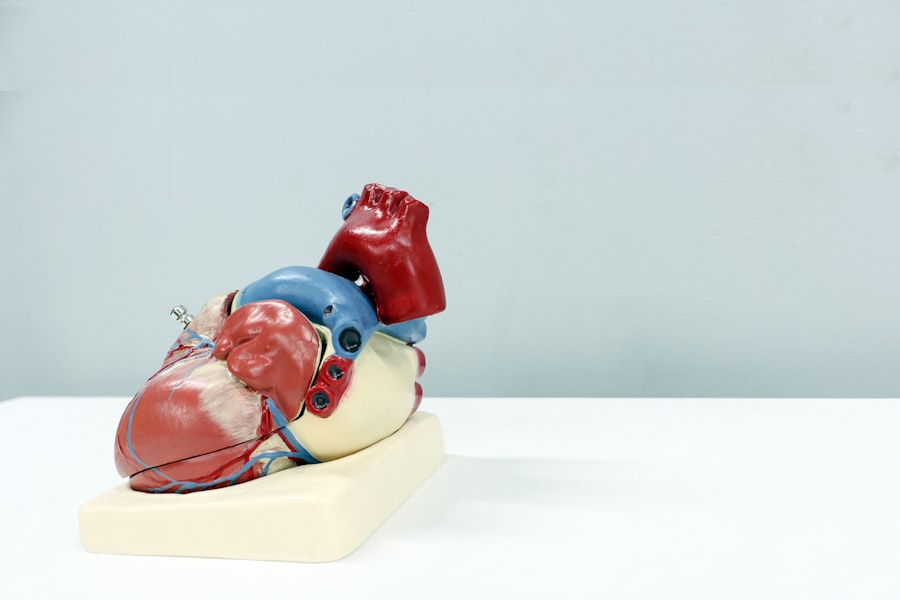
Regular health check-ups play a pivotal role in the early detection and management of heart disease. These evaluations typically include assessments of blood pressure, cholesterol levels, blood glucose levels, and body mass index (BMI). By monitoring these key indicators, healthcare providers can identify individuals at risk for developing cardiovascular conditions and implement preventive strategies.
Moreover, routine check-ups facilitate discussions about lifestyle modifications and medication management. For instance, if a patient is found to have elevated cholesterol levels, a healthcare provider may recommend dietary changes or initiate pharmacotherapy with statins to lower lipid levels. Regular consultations also provide an opportunity for patients to address any concerns or symptoms they may be experiencing, fostering a proactive approach to heart health.
Lifestyle Changes to Prevent Heart Disease
| Healthy Lifestyle Changes | Impact on Heart Disease Prevention |
|---|---|
| Regular Exercise | Reduces the risk of heart disease by improving heart health and lowering blood pressure |
| Healthy Diet | Helps maintain a healthy weight and reduces the risk of high cholesterol and high blood pressure |
| Quitting Smoking | Significantly reduces the risk of heart disease and improves overall cardiovascular health |
| Stress Management | Reduces the risk of heart disease by lowering stress-related hormones and improving overall well-being |
| Limiting Alcohol Consumption | Reduces the risk of heart disease and lowers the risk of high blood pressure and weight gain |
Implementing lifestyle changes is paramount in reducing the risk of heart disease. A heart-healthy diet rich in fruits, vegetables, whole grains, lean proteins, and healthy fats can significantly impact cardiovascular health. The Mediterranean diet, for example, emphasizes the consumption of olive oil, fish, nuts, and legumes while minimizing processed foods and sugars.
Physical activity is another critical component in preventing heart disease. The American Heart Association recommends at least 150 minutes of moderate-intensity aerobic exercise per week. Engaging in regular physical activity helps maintain a healthy weight, lowers blood pressure, and improves lipid profiles.
Additionally, smoking cessation is vital; tobacco use is a major contributor to cardiovascular disease and quitting can dramatically reduce risk.
Knowing the Different Types of Heart Disease
Heart disease encompasses a variety of conditions affecting the heart’s structure and function. Coronary artery disease (CAD) is one of the most prevalent forms and occurs when the coronary arteries become narrowed or blocked due to plaque buildup. This condition can lead to angina or myocardial infarction (heart attack).
Other types include heart failure, characterized by the heart’s inability to pump sufficient blood to meet the body’s needs; arrhythmias, which are irregular heartbeats; and valvular heart disease, involving dysfunction of one or more heart valves. Understanding these different types is essential for recognizing symptoms and seeking appropriate treatment.
Understanding the Impact of Family History
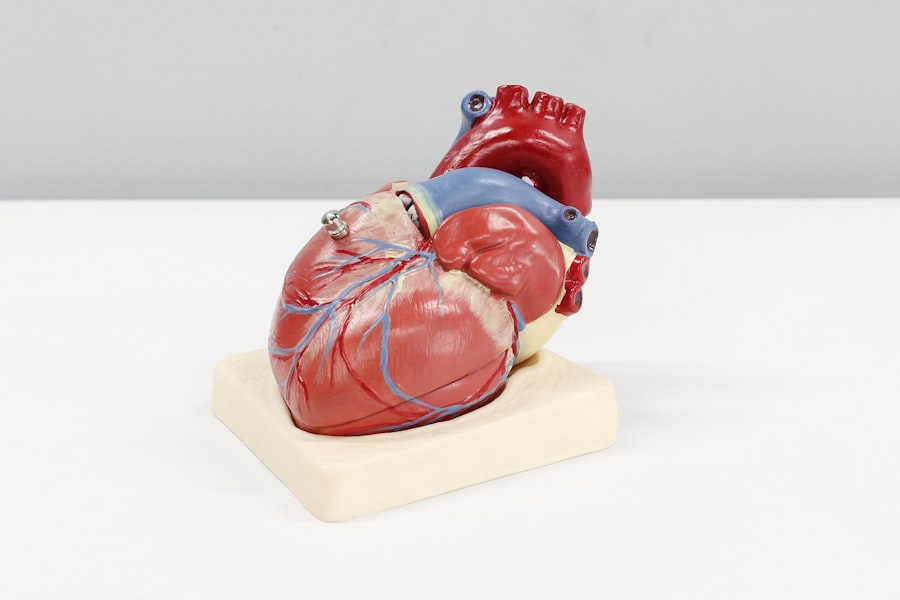
Family history plays a significant role in an individual’s risk for developing heart disease. Genetic factors can influence cholesterol metabolism, blood pressure regulation, and overall cardiovascular health. If close relatives have experienced heart disease at an early age—defined as before 55 for men and 65 for women—individuals may be at an increased risk themselves.
Awareness of family history allows individuals to take proactive measures in managing their health. This may include more frequent screenings for blood pressure and cholesterol levels or engaging in preventive lifestyle changes earlier in life. Genetic counseling may also be beneficial for those with a strong family history of cardiovascular conditions.
Recognizing the Signs of a Heart Attack
Recognizing the signs of a heart attack is crucial for prompt medical intervention. The classic symptom is chest pain or discomfort that may feel like pressure or squeezing. This discomfort can radiate to other areas such as the arms, back, neck, jaw, or stomach.
Accompanying symptoms may include shortness of breath, cold sweat, nausea, or lightheadedness. It is essential to note that not everyone experiences the same symptoms during a heart attack; some individuals may have atypical presentations that can be easily overlooked. Immediate medical attention is vital if a heart attack is suspected; early treatment can significantly improve outcomes and reduce mortality rates.
Identifying Symptoms in Women
Women often experience different symptoms of heart disease compared to men. While chest pain remains a common indicator for both genders, women are more likely to report atypical symptoms such as fatigue, sleep disturbances, indigestion, or anxiety. These subtle signs can lead to delays in diagnosis and treatment.
Additionally, women may experience more pronounced emotional symptoms during a cardiac event. Stress and anxiety can exacerbate feelings of discomfort or pain. It is crucial for healthcare providers to recognize these gender differences in symptom presentation to ensure timely diagnosis and appropriate management for female patients.
Recognizing the Signs of Heart Disease in Men
Men typically exhibit more classic symptoms of heart disease compared to women; however, they are not immune to atypical presentations either. Common signs include chest pain or discomfort that may radiate to other areas such as the arms or jaw. Men are also more likely to experience shortness of breath during physical exertion.
It is important for men to be aware of their risk factors and symptoms associated with heart disease. Regular screenings and discussions with healthcare providers about any concerning symptoms can lead to early detection and intervention.
Seeking Medical Attention for Heart Disease
Prompt medical attention is essential when experiencing symptoms indicative of heart disease. Individuals should not hesitate to seek help if they encounter chest pain or discomfort that lasts more than a few minutes or worsens over time.
In addition to acute symptoms, individuals with chronic conditions such as hypertension or diabetes should maintain regular communication with their healthcare providers regarding their management plans. This proactive approach ensures that any changes in health status are addressed promptly.
Importance of Early Detection and Treatment
Early detection and treatment of heart disease are critical for improving outcomes and reducing mortality rates associated with cardiovascular conditions. Regular screenings allow for the identification of risk factors that can be managed through lifestyle changes or pharmacotherapy. Treatment options may include medications such as statins for cholesterol management or antihypertensives for blood pressure control.
In some cases, surgical interventions such as angioplasty or bypass surgery may be necessary to restore proper blood flow to the heart. In conclusion, understanding the multifaceted nature of heart disease—from recognizing risk factors and symptoms to implementing preventive measures—is essential for maintaining cardiovascular health. Regular health check-ups and awareness of personal risk factors empower individuals to take charge of their health proactively.
By fostering healthy lifestyle choices and seeking timely medical attention when necessary, individuals can significantly reduce their risk of developing heart disease and improve their overall quality of life.
If you are concerned about the signs of heart disease, it is important to be aware of the risk factors and symptoms associated with this condition. One related article that provides valuable information on this topic can be found at boogger.com/planning-for-memorial-day-how-to-honor-and-remember. This article discusses the importance of recognizing the signs of heart disease and taking proactive steps to maintain heart health. By staying informed and proactive, you can reduce your risk of developing heart disease and improve your overall well-being.
FAQs
What are the signs of heart disease?
Common signs of heart disease include chest pain or discomfort, shortness of breath, fatigue, dizziness, and irregular heartbeats.
What are the risk factors for heart disease?
Risk factors for heart disease include high blood pressure, high cholesterol, smoking, diabetes, obesity, and a family history of heart disease.
How is heart disease diagnosed?
Heart disease can be diagnosed through a physical exam, blood tests, electrocardiogram (ECG), echocardiogram, stress test, cardiac catheterization, and coronary angiography.
What are the treatment options for heart disease?
Treatment options for heart disease may include lifestyle changes, medications, angioplasty and stent placement, coronary artery bypass surgery, and cardiac rehabilitation.
Can heart disease be prevented?
Heart disease can be prevented by maintaining a healthy lifestyle, including regular exercise, a balanced diet, not smoking, and managing risk factors such as high blood pressure and high cholesterol. Regular check-ups with a healthcare provider are also important for early detection and prevention of heart disease.