Now Reading: Understanding Ischemic Heart Disease: Causes and Treatment
-
01
Understanding Ischemic Heart Disease: Causes and Treatment
Understanding Ischemic Heart Disease: Causes and Treatment
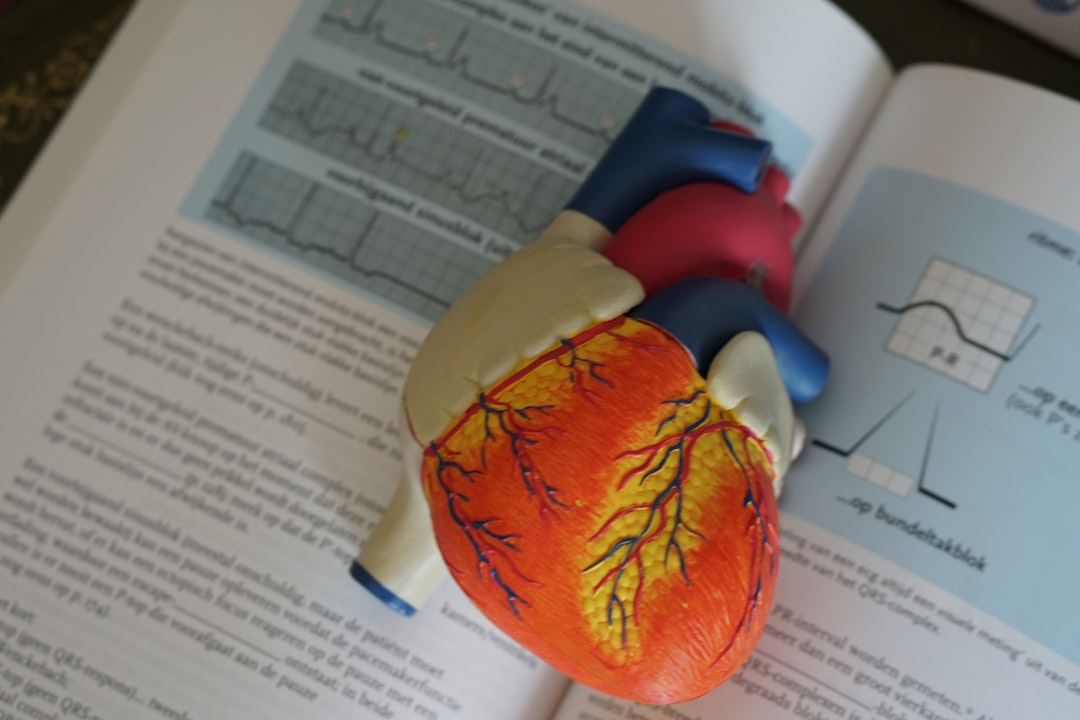
Ischemic Heart Disease (IHD), also known as Coronary Artery Disease (CAD), is a condition characterized by reduced blood flow to the heart muscle due to narrowing or blockage of the coronary arteries. This reduction in blood supply can lead to myocardial ischemia, where the heart muscle does not receive sufficient oxygen and nutrients to function effectively. The primary cause of IHD is atherosclerosis, a process where fatty deposits, known as plaques, accumulate on the arterial walls, leading to their hardening and narrowing.
This condition can result in angina pectoris, heart attacks, and other serious cardiovascular complications. The prevalence of ischemic heart disease is alarming, with it being one of the leading causes of morbidity and mortality worldwide. According to the World Health Organization (WHO), approximately 17.9 million people died from cardiovascular diseases in 2019, with IHD accounting for a significant proportion of these deaths.
The burden of this disease is not only felt by individuals but also by healthcare systems globally, necessitating a comprehensive understanding of its risk factors, symptoms, diagnosis, and treatment options.
Key Takeaways
- Ischemic Heart Disease is a condition caused by a reduced blood supply to the heart muscle, often due to atherosclerosis.
- Risk factors for Ischemic Heart Disease include high blood pressure, high cholesterol, smoking, diabetes, and a family history of the disease.
- Understanding the causes of Ischemic Heart Disease involves recognizing the role of plaque buildup in the arteries and the resulting decrease in blood flow to the heart.
- Symptoms of Ischemic Heart Disease can include chest pain, shortness of breath, fatigue, and nausea.
- Diagnosis of Ischemic Heart Disease typically involves a combination of medical history, physical examination, blood tests, imaging tests, and stress tests.
Risk Factors for Ischemic Heart Disease
Several risk factors contribute to the development of ischemic heart disease, which can be categorized into modifiable and non-modifiable factors.
As individuals age, the risk of developing IHD increases significantly.
Men are generally at a higher risk than women until menopause, after which the risk levels between genders tend to equalize. A family history of heart disease can also predispose individuals to IHD due to genetic factors. Modifiable risk factors are those that can be altered through lifestyle changes or medical interventions.
These include hypertension, hyperlipidemia (high cholesterol levels), diabetes mellitus, smoking, obesity, physical inactivity, and poor dietary habits. Hypertension can lead to increased workload on the heart and damage to arterial walls, while high cholesterol levels contribute to plaque formation in the arteries. Smoking is particularly detrimental as it not only accelerates atherosclerosis but also reduces oxygen delivery to the heart.
Addressing these modifiable risk factors through lifestyle changes can significantly reduce the likelihood of developing ischemic heart disease.
Understanding the Causes of Ischemic Heart Disease

The primary cause of ischemic heart disease is atherosclerosis, a complex process involving the accumulation of lipids, inflammatory cells, and fibrous tissue within the arterial walls. This process begins with endothelial injury, which can be triggered by factors such as hypertension, smoking, and high cholesterol levels. Once the endothelium is damaged, low-density lipoprotein (LDL) cholesterol infiltrates the arterial wall, leading to an inflammatory response that attracts immune cells.
Over time, this results in plaque formation that narrows the arteries and restricts blood flow. Other contributing factors include coronary artery spasm, which can temporarily reduce blood flow to the heart muscle. This spasm can occur in response to stress, smoking, or exposure to cold temperatures.
Additionally, conditions such as diabetes mellitus can exacerbate atherosclerosis by promoting inflammation and increasing blood sugar levels that damage blood vessels. Understanding these underlying causes is crucial for developing effective prevention and treatment strategies for ischemic heart disease.
Symptoms of Ischemic Heart Disease
| Symptom | Description |
|---|---|
| Chest pain or discomfort | May feel like pressure, squeezing, fullness, or pain in the center of the chest. |
| Shortness of breath | May occur with or without chest discomfort. |
| Upper body discomfort | May involve the arms, back, neck, jaw, or stomach. |
| Other symptoms | May include cold sweats, nausea, or lightheadedness. |
The symptoms of ischemic heart disease can vary widely among individuals and may range from mild discomfort to severe pain. The most common symptom is angina pectoris, which presents as chest pain or discomfort that may radiate to the arms, neck, jaw, or back. Angina typically occurs during physical exertion or emotional stress and is often relieved by rest or nitroglycerin.
In some cases, individuals may experience atypical symptoms such as shortness of breath, fatigue, or nausea without any chest pain. This is particularly common in women and older adults who may not exhibit classic signs of IHD. In more severe cases, ischemic heart disease can lead to myocardial infarction (heart attack), characterized by intense chest pain, sweating, lightheadedness, and loss of consciousness.
Recognizing these symptoms early is vital for prompt medical intervention and improving outcomes.
Diagnosis of Ischemic Heart Disease
Diagnosing ischemic heart disease involves a combination of clinical evaluation, patient history, and diagnostic tests. A thorough assessment typically begins with a detailed medical history and physical examination to identify risk factors and symptoms. Healthcare providers may utilize several diagnostic tools to confirm the presence of IHD.
Electrocardiograms (ECGs) are commonly used to detect abnormal heart rhythms or signs of previous heart attacks. Stress testing can assess how well the heart performs under physical exertion and may reveal ischemic changes that are not present at rest. Imaging techniques such as echocardiography or coronary angiography provide visual insights into the structure and function of the heart and coronary arteries.
These diagnostic methods are essential for determining the severity of ischemic heart disease and guiding treatment decisions.
Lifestyle Changes to Manage Ischemic Heart Disease

Dietary Recommendations
Individuals are encouraged to adopt a diet rich in fruits, vegetables, whole grains, lean proteins, and healthy fats while minimizing saturated fats, trans fats, sodium, and added sugars. The Mediterranean diet has been shown to be particularly beneficial for cardiovascular health.
Engaging in at least 150 minutes of moderate-intensity aerobic exercise per week can improve cardiovascular fitness and help control weight and blood pressure levels.
Smoking Cessation
Smoking cessation is imperative for individuals with ischemic heart disease; quitting smoking significantly reduces the risk of further complications and improves overall health outcomes.
Medications for Ischemic Heart Disease
Pharmacological management of ischemic heart disease often involves several classes of medications aimed at alleviating symptoms and preventing complications. Antiplatelet agents such as aspirin or clopidogrel are commonly prescribed to reduce the risk of clot formation within narrowed arteries. Statins are utilized to lower cholesterol levels and stabilize plaques within coronary arteries.
Beta-blockers are frequently employed to decrease heart rate and myocardial oxygen demand during episodes of angina. Additionally, nitrates such as nitroglycerin are used for immediate relief from angina symptoms by dilating blood vessels and improving blood flow to the heart muscle. In some cases, angiotensin-converting enzyme (ACE) inhibitors may be prescribed to manage hypertension and provide additional cardiovascular protection.
Surgical Treatments for Ischemic Heart Disease
When conservative management fails or when there is significant arterial blockage, surgical interventions may be necessary for patients with ischemic heart disease. Coronary Angioplasty with Stenting (percutaneous coronary intervention) is a minimally invasive procedure where a catheter is inserted into the blocked artery to inflate a balloon that compresses plaque against the arterial wall. A stent is often placed to keep the artery open.
Coronary Artery Bypass Grafting (CABG) is another surgical option that involves creating a bypass around blocked arteries using grafts from other blood vessels in the body. This procedure aims to restore adequate blood flow to the heart muscle and alleviate symptoms associated with severe ischemia.
Cardiac Rehabilitation for Ischemic Heart Disease
Cardiac rehabilitation is an essential component in the recovery process for individuals diagnosed with ischemic heart disease. This structured program typically includes supervised exercise training, education on heart-healthy living, nutritional counseling, and psychological support. The goal of cardiac rehabilitation is to improve physical fitness while reducing cardiovascular risk factors.
Patients participating in cardiac rehabilitation often experience enhanced quality of life through increased exercise tolerance and reduced symptoms of angina. Furthermore, these programs have been shown to decrease hospital readmission rates and improve overall survival rates among individuals with ischemic heart disease.
Complications of Ischemic Heart Disease
Ischemic heart disease can lead to several serious complications if left untreated or poorly managed. Myocardial infarction remains one of the most critical complications associated with IHD; it occurs when blood flow to a portion of the heart muscle is completely obstructed for an extended period, resulting in tissue death. Other potential complications include arrhythmias (irregular heartbeats), which can arise from damaged cardiac tissue; congestive heart failure due to impaired pumping ability; and sudden cardiac arrest resulting from severe electrical disturbances in the heart.
Recognizing these complications early on is crucial for timely intervention and improving patient outcomes.
Prevention of Ischemic Heart Disease
Preventing ischemic heart disease involves addressing both modifiable and non-modifiable risk factors through proactive measures. Regular health screenings can help identify hypertension, high cholesterol levels, and diabetes early on so that appropriate interventions can be initiated promptly. Adopting a healthy lifestyle that includes a balanced diet rich in nutrients while avoiding processed foods high in sugars and unhealthy fats is essential for maintaining cardiovascular health.
Engaging in regular physical activity not only helps manage weight but also improves overall cardiovascular fitness. Additionally, smoking cessation programs should be promoted as smoking remains one of the leading preventable causes of ischemic heart disease. Education on stress management techniques can also play a role in reducing cardiovascular risk by promoting mental well-being.
In summary, ischemic heart disease represents a significant global health challenge characterized by reduced blood flow to the heart muscle due to coronary artery obstruction primarily caused by atherosclerosis. Understanding its risk factors—both modifiable and non-modifiable—alongside recognizing symptoms is crucial for timely diagnosis and intervention. Lifestyle modifications such as dietary changes and increased physical activity are essential components in managing this condition effectively.
Pharmacological treatments aim at alleviating symptoms while surgical options may be necessary for severe cases. Cardiac rehabilitation plays an integral role in recovery post-diagnosis while prevention strategies focus on reducing risk factors through education and lifestyle changes.
Ischemic heart disease is a serious condition that affects many individuals worldwide. According to a recent article on federal holidays in the United States, it is important to prioritize heart health and take preventative measures to reduce the risk of developing this disease. By understanding the different types of travel insurance available in 2025, individuals can ensure they have access to proper medical care while traveling and manage any underlying health conditions such as ischemic heart disease. Celebrating holidays like Columbus Day can serve as a reminder to prioritize health and well-being.
FAQs
What is ischemic heart disease?
Ischemic heart disease, also known as coronary artery disease, occurs when the blood flow to the heart is reduced due to narrowed or blocked arteries. This can lead to chest pain (angina), heart attack, or other serious heart problems.
What are the risk factors for ischemic heart disease?
Risk factors for ischemic heart disease include high blood pressure, high cholesterol, smoking, diabetes, obesity, lack of physical activity, and a family history of heart disease.
What are the symptoms of ischemic heart disease?
Symptoms of ischemic heart disease can include chest pain or discomfort, shortness of breath, fatigue, and irregular heartbeats. Some people may not experience any symptoms until they have a heart attack.
How is ischemic heart disease diagnosed?
Ischemic heart disease can be diagnosed through a combination of medical history, physical examination, blood tests, electrocardiogram (ECG), stress tests, echocardiogram, coronary angiography, and other imaging tests.
What are the treatment options for ischemic heart disease?
Treatment for ischemic heart disease may include lifestyle changes (such as diet and exercise), medications (such as aspirin, statins, and beta-blockers), angioplasty and stenting, coronary artery bypass surgery, and cardiac rehabilitation.
Can ischemic heart disease be prevented?
Ischemic heart disease can be prevented or its progression can be slowed by maintaining a healthy lifestyle, managing risk factors such as high blood pressure and high cholesterol, not smoking, and seeking regular medical care.