Now Reading: Understanding Ischaemic Heart Disease: Causes and Treatment Options
-
01
Understanding Ischaemic Heart Disease: Causes and Treatment Options
Understanding Ischaemic Heart Disease: Causes and Treatment Options
Ischaemic Heart Disease (IHD), also known as Coronary Artery Disease (CAD), is a condition characterized by reduced blood flow to the heart muscle due to narrowing or blockage of the coronary arteries. This reduction in blood supply can lead to myocardial ischemia, where the heart muscle does not receive sufficient oxygen and nutrients to function effectively. The condition is a leading cause of morbidity and mortality worldwide, contributing significantly to the global burden of cardiovascular diseases.
The pathophysiology of IHD primarily involves atherosclerosis, a process where fatty deposits, cholesterol, and other substances accumulate on the arterial walls, forming plaques. These plaques can harden and narrow the arteries, impeding blood flow. In severe cases, plaque rupture can lead to thrombosis, resulting in acute coronary syndromes such as myocardial infarction (heart attack).
Understanding the mechanisms underlying IHD is crucial for developing effective prevention and treatment strategies.
Key Takeaways
- Ischaemic Heart Disease is a condition where the blood supply to the heart is reduced, leading to chest pain and potential heart damage.
- Causes of Ischaemic Heart Disease include atherosclerosis, blood clots, and coronary artery spasm.
- Risk factors for Ischaemic Heart Disease include high blood pressure, high cholesterol, smoking, diabetes, and obesity.
- Symptoms of Ischaemic Heart Disease can include chest pain, shortness of breath, and fatigue.
- Diagnosis of Ischaemic Heart Disease involves tests such as ECG, stress tests, and coronary angiography.
Causes of Ischaemic Heart Disease
The primary cause of Ischaemic Heart Disease is atherosclerosis, which is influenced by various factors. Atherosclerosis begins with endothelial injury, often triggered by high levels of low-density lipoprotein (LDL) cholesterol, hypertension, smoking, and diabetes mellitus. Over time, these factors contribute to the formation of plaques that obstruct blood flow in the coronary arteries.
Other causes include coronary artery spasm, which can temporarily reduce blood flow to the heart muscle. This spasm may occur in response to stress, smoking, or exposure to cold temperatures. Additionally, conditions such as vasculitis or congenital coronary artery anomalies can also lead to ischemic heart conditions.
Understanding these causes is essential for identifying at-risk individuals and implementing preventive measures.
Risk Factors for Ischaemic Heart Disease
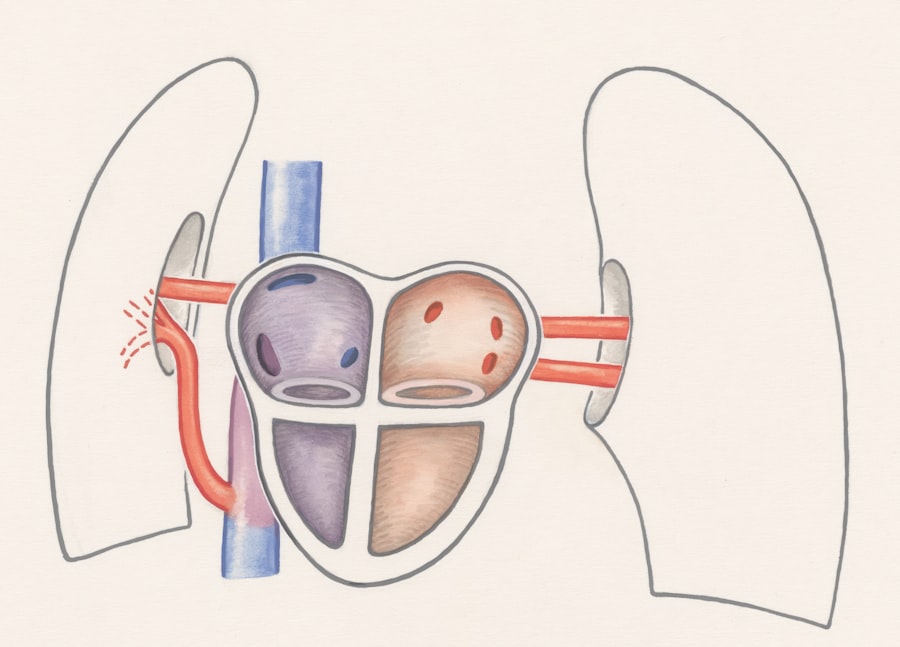
Several risk factors contribute to the development of Ischaemic Heart Disease, which can be categorized into modifiable and non-modifiable factors. Non-modifiable risk factors include age, gender, and family history. Men are generally at a higher risk than women until menopause, after which the risk levels tend to equalize.
Modifiable risk factors encompass lifestyle choices and medical conditions that can be altered or managed. These include hypertension, hyperlipidemia (high cholesterol levels), diabetes mellitus, obesity, physical inactivity, smoking, and excessive alcohol consumption. Addressing these modifiable factors through lifestyle changes and medical interventions can significantly reduce the risk of developing IHD.
Symptoms of Ischaemic Heart Disease
| Symptom | Description |
|---|---|
| Chest pain | Pressure, tightness, or squeezing in the chest |
| Shortness of breath | Difficulty breathing or catching breath |
| Fatigue | Feeling tired or weak, especially with exertion |
| Heart palpitations | Irregular or rapid heartbeats |
| Dizziness or lightheadedness | Feeling faint or woozy |
The symptoms of Ischaemic Heart Disease can vary widely among individuals and may range from mild discomfort to severe pain. The most common symptom is angina pectoris, characterized by chest pain or discomfort that may radiate to the arms, neck, jaw, or back.
Other symptoms may include shortness of breath, fatigue, palpitations, and nausea. In some cases, individuals may experience silent ischemia, where they do not exhibit any noticeable symptoms despite having significant coronary artery blockage. Recognizing these symptoms is vital for timely diagnosis and intervention to prevent further complications.
Diagnosis of Ischaemic Heart Disease
Diagnosing Ischaemic Heart Disease involves a comprehensive evaluation that includes a detailed medical history, physical examination, and various diagnostic tests. Initial assessments often include an electrocardiogram (ECG) to detect any abnormal heart rhythms or signs of ischemia. Further diagnostic modalities may include stress testing, where the heart’s response to exercise is monitored; echocardiography to assess heart function; and coronary angiography to visualize the coronary arteries directly.
Non-invasive imaging techniques such as computed tomography (CT) angiography or magnetic resonance imaging (MRI) may also be employed to evaluate coronary artery status. Accurate diagnosis is crucial for determining appropriate treatment strategies.
Treatment Options for Ischaemic Heart Disease
Treatment for Ischaemic Heart Disease aims to alleviate symptoms, improve quality of life, and reduce the risk of cardiovascular events.
Pharmacological interventions play a significant role in managing IHD.
Medications such as antiplatelet agents (e.g., aspirin), beta-blockers, statins, and angiotensin-converting enzyme (ACE) inhibitors are commonly prescribed to improve outcomes. In cases where medical management is insufficient or when there is significant coronary artery blockage, invasive procedures may be necessary.
Lifestyle Changes to Manage Ischaemic Heart Disease
Implementing lifestyle changes is paramount in managing Ischaemic Heart Disease effectively. A heart-healthy diet rich in fruits, vegetables, whole grains, lean proteins, and healthy fats can help lower cholesterol levels and maintain optimal body weight. The Mediterranean diet has been shown to be particularly beneficial in reducing cardiovascular risk.
Regular physical activity is also essential; engaging in at least 150 minutes of moderate-intensity aerobic exercise per week can improve cardiovascular health and enhance overall well-being. Additionally, stress management techniques such as mindfulness meditation or yoga can help mitigate stress-related triggers for angina episodes.
Medications for Ischaemic Heart Disease
Pharmacotherapy for Ischaemic Heart Disease encompasses several classes of medications aimed at managing symptoms and preventing complications. Antiplatelet agents like aspirin are crucial in reducing the risk of thrombus formation within narrowed arteries. Beta-blockers help lower heart rate and blood pressure while alleviating angina symptoms.
Statins are prescribed to manage hyperlipidemia by lowering LDL cholesterol levels and stabilizing atherosclerotic plaques. ACE inhibitors are beneficial in patients with hypertension or heart failure by promoting vasodilation and reducing cardiac workload. Other medications such as nitrates may be used for immediate relief of angina symptoms by dilating blood vessels.
Surgical Procedures for Ischaemic Heart Disease
In cases where conservative management fails or significant coronary artery obstruction is present, surgical interventions may be warranted. Percutaneous coronary intervention (PCI), commonly known as angioplasty with stenting, involves inserting a catheter into the blocked artery to restore blood flow. A stent is often placed to keep the artery open.
Coronary artery bypass grafting (CABG) is another surgical option that involves creating a bypass around blocked arteries using grafts from other blood vessels in the body. This procedure is typically reserved for patients with multiple blockages or those who are not suitable candidates for PCI. Both surgical options have shown efficacy in improving symptoms and reducing the risk of future cardiac events.
Complications of Ischaemic Heart Disease
Ischaemic Heart Disease can lead to several serious complications if left untreated or poorly managed. Myocardial infarction is one of the most critical complications resulting from prolonged ischemia due to complete blockage of a coronary artery. This event can lead to irreversible damage to the heart muscle and potentially result in heart failure.
Other complications include arrhythmias, which are irregular heartbeats that can arise from ischemic damage; heart failure due to impaired cardiac function; and sudden cardiac death resulting from severe arrhythmias or extensive myocardial damage. Recognizing these potential complications underscores the importance of early diagnosis and effective management strategies.
Prevention of Ischaemic Heart Disease
Preventing Ischaemic Heart Disease involves addressing both modifiable and non-modifiable risk factors through a multifaceted approach. Regular health screenings can help identify individuals at risk due to elevated blood pressure or cholesterol levels early on. Encouraging healthy lifestyle choices such as maintaining a balanced diet low in saturated fats and high in fiber can significantly reduce cardiovascular risk.
Promoting physical activity through community programs and public health initiatives can also foster healthier habits among populations. Additionally, education on smoking cessation programs and stress management techniques can empower individuals to take control of their health. By implementing these preventive measures on a broader scale, we can work towards reducing the incidence of Ischaemic Heart Disease globally.
In summary, Ischaemic Heart Disease represents a significant health challenge characterized by reduced blood flow to the heart muscle due to coronary artery obstruction primarily caused by atherosclerosis. Understanding its causes, risk factors, symptoms, diagnosis methods, treatment options—including lifestyle changes and medications—can aid in effective management and prevention strategies. By addressing both individual behaviors and broader public health initiatives, we can mitigate the impact of this condition on society as a whole.
If you or a loved one has been diagnosed with ischaemic heart disease, it is important to understand the implications of this condition and how to manage it effectively. One related article that may be helpful is a comprehensive guide to health insurance in 2025, which can provide valuable information on accessing the necessary medical care and treatments for heart disease. You can read more about it here. Understanding your health insurance coverage is crucial in ensuring that you receive the best possible care for your ischaemic heart condition.
FAQs
What is ischaemic heart disease?
Ischaemic heart disease, also known as coronary artery disease, occurs when the blood flow to the heart is reduced due to narrowed or blocked arteries. This can lead to chest pain (angina), heart attack, or other serious complications.
What are the risk factors for ischaemic heart disease?
Risk factors for ischaemic heart disease include high blood pressure, high cholesterol, smoking, diabetes, obesity, lack of physical activity, and a family history of heart disease.
What are the symptoms of ischaemic heart disease?
Symptoms of ischaemic heart disease can include chest pain or discomfort, shortness of breath, fatigue, and irregular heartbeats. Some people may not experience any symptoms until they have a heart attack.
How is ischaemic heart disease diagnosed?
Ischaemic heart disease can be diagnosed through a combination of medical history, physical examination, blood tests, electrocardiogram (ECG), stress tests, echocardiogram, coronary angiography, and other imaging tests.
What are the treatment options for ischaemic heart disease?
Treatment for ischaemic heart disease may include lifestyle changes (such as diet and exercise), medications (such as aspirin, statins, and blood pressure-lowering drugs), angioplasty and stenting, coronary artery bypass surgery, and cardiac rehabilitation.
How can ischaemic heart disease be prevented?
Preventive measures for ischaemic heart disease include maintaining a healthy lifestyle, managing risk factors (such as high blood pressure and high cholesterol), quitting smoking, and seeking regular medical check-ups.