Now Reading: Preventing CVD Heart Disease: Tips for a Healthy Heart
-
01
Preventing CVD Heart Disease: Tips for a Healthy Heart
Preventing CVD Heart Disease: Tips for a Healthy Heart

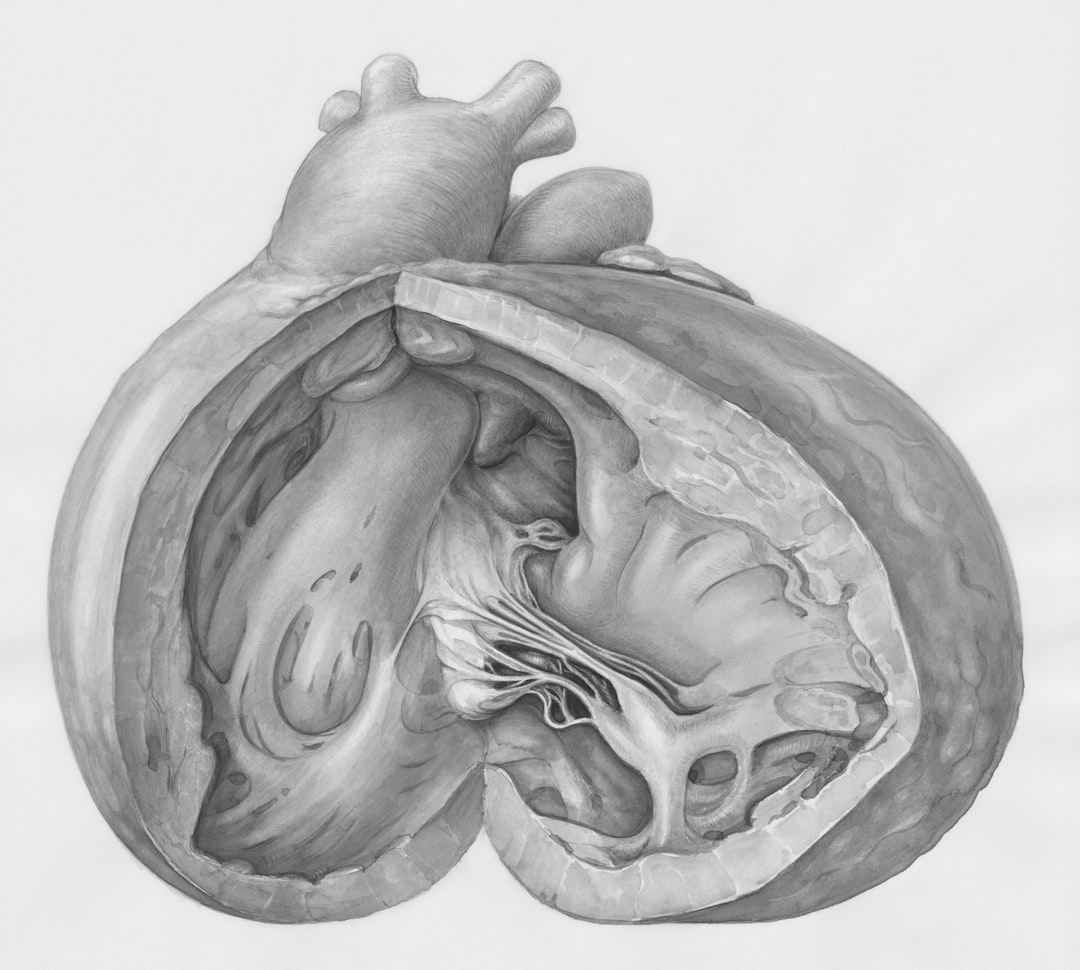
Cardiovascular disease (CVD) encompasses a range of disorders affecting the heart and blood vessels, including coronary artery disease, heart failure, arrhythmias, and valvular heart disease. It is a leading cause of morbidity and mortality worldwide, accounting for approximately 31% of all global deaths, according to the World Health Organization.
Risk factors include hypertension, hyperlipidemia, diabetes mellitus, obesity, and lifestyle choices such as smoking and sedentary behavior. Understanding the multifactorial nature of CVD is crucial for prevention and management. Genetic predisposition plays a significant role; however, environmental factors and lifestyle choices can significantly influence the onset and progression of the disease.
Early detection through regular screenings can help identify individuals at risk, allowing for timely interventions. The integration of medical history, physical examinations, and diagnostic tests such as electrocardiograms (ECGs) and echocardiograms is essential in formulating an effective treatment plan.
Key Takeaways
- CVD heart disease is a leading cause of death globally and refers to conditions that involve narrowed or blocked blood vessels that can lead to a heart attack, chest pain, or stroke.
- A heart-healthy diet includes plenty of fruits, vegetables, whole grains, lean proteins, and healthy fats, while limiting sodium, added sugars, and saturated and trans fats.
- Staying active and exercising regularly, such as with 150 minutes of moderate-intensity aerobic activity per week, can help lower the risk of heart disease.
- Managing stress and mental health is important for heart health, as chronic stress can contribute to high blood pressure and other risk factors for CVD.
- Quitting smoking and avoiding secondhand smoke is crucial for heart health, as smoking damages the heart and blood vessels, and increases the risk of CVD.
Eating a Heart-Healthy Diet
A heart-healthy diet is fundamental in preventing and managing cardiovascular disease. The Mediterranean diet, rich in fruits, vegetables, whole grains, lean proteins, and healthy fats such as olive oil, has been shown to reduce the risk of CVD significantly. This dietary pattern emphasizes the consumption of omega-3 fatty acids found in fish, which can lower triglyceride levels and improve overall heart health.
Additionally, incorporating fiber-rich foods can help manage cholesterol levels by binding to bile acids in the intestines and promoting their excretion. To optimize heart health, it is essential to limit saturated fats and trans fats found in processed foods, red meats, and full-fat dairy products. Instead, focus on unsaturated fats from sources like avocados, nuts, and seeds.
Reducing sodium intake is also critical; excessive salt can lead to hypertension, a significant risk factor for CVD. The American Heart Association recommends aiming for less than 2,300 mg of sodium per day, with an ideal limit of 1,500 mg for most adults. By making conscious dietary choices, individuals can significantly impact their cardiovascular health.
Staying Active and Exercising Regularly

Regular physical activity is a cornerstone of cardiovascular health. Engaging in at least 150 minutes of moderate-intensity aerobic exercise or 75 minutes of vigorous-intensity exercise weekly can help lower blood pressure, improve lipid profiles, and enhance overall cardiovascular function. Activities such as brisk walking, cycling, swimming, or dancing not only promote heart health but also contribute to weight management and improved mental well-being.
Incorporating strength training exercises at least twice a week can further enhance cardiovascular fitness by increasing muscle mass and metabolic rate. Resistance training has been shown to improve insulin sensitivity and reduce body fat percentage, both of which are beneficial for heart health. It is essential to find enjoyable activities to maintain motivation and consistency in an exercise regimen.
Setting realistic goals and gradually increasing intensity can help individuals stay committed to their fitness journey.
Managing Stress and Mental Health
| Category | Metrics |
|---|---|
| Stress Management | Number of stress management workshops conducted |
| Mental Health Support | Percentage of employees utilizing mental health support services |
| Work-Life Balance | Average number of work hours per week |
| Employee Satisfaction | Survey results on satisfaction with mental health support |
Chronic stress has been linked to an increased risk of cardiovascular disease through mechanisms such as elevated cortisol levels and inflammation. Stress management techniques such as mindfulness meditation, yoga, and deep-breathing exercises can help mitigate these effects by promoting relaxation and reducing anxiety. Engaging in hobbies or social activities can also provide emotional support and improve mental health.
Mental health disorders such as depression and anxiety are prevalent among individuals with CVD. These conditions can exacerbate cardiovascular symptoms and hinder adherence to treatment plans. Therefore, it is crucial to address mental health concerns through counseling or therapy when necessary.
Cognitive-behavioral therapy (CBT) has been shown to be effective in managing anxiety and depression, ultimately leading to improved cardiovascular outcomes.
Quitting Smoking and Avoiding Secondhand Smoke
Smoking is one of the most significant modifiable risk factors for cardiovascular disease. The harmful chemicals in tobacco smoke contribute to endothelial dysfunction, increased blood pressure, and accelerated atherosclerosis. Quitting smoking can lead to immediate benefits; within just 20 minutes of cessation, heart rate and blood pressure begin to normalize.
Over time, the risk of coronary heart disease decreases significantly. Avoiding secondhand smoke is equally important for cardiovascular health. Non-smokers exposed to secondhand smoke are at an increased risk of developing heart disease due to the same toxic substances present in tobacco smoke.
Support systems such as smoking cessation programs or pharmacotherapy options like nicotine replacement therapy (NRT) can aid individuals in their journey to quit smoking successfully.
Limiting Alcohol Consumption

Defining Moderate Drinking
The American Heart Association defines moderate drinking as up to one drink per day for women and up to two drinks per day for men. It is essential to stay within these limits to avoid negative health consequences.
The Risks of Excessive Drinking
Excessive alcohol consumption can lead to various cardiovascular problems, including hypertension, cardiomyopathy, and arrhythmias. Additionally, the high caloric content of alcoholic beverages contributes to obesity, further increasing the risk of cardiovascular disease.
Seeking Help and Making Healthy Choices
Individuals should be mindful of their alcohol consumption patterns and consider alternatives such as non-alcoholic beverages or lower-calorie options. If alcohol use becomes problematic or leads to negative health outcomes, seeking professional help through counseling or support groups may be necessary to promote a healthier lifestyle.
Monitoring Blood Pressure and Cholesterol Levels
Regular monitoring of blood pressure and cholesterol levels is vital for early detection of cardiovascular risk factors. Hypertension is often referred to as the “silent killer” due to its asymptomatic nature; therefore, routine screenings are essential for identifying elevated blood pressure levels that may require intervention. The American College of Cardiology recommends that adults have their blood pressure checked at least once every two years if it is within normal ranges.
Cholesterol levels should also be monitored regularly; high levels of low-density lipoprotein (LDL) cholesterol are associated with an increased risk of atherosclerosis. A lipid panel can provide valuable information regarding total cholesterol, LDL cholesterol, high-density lipoprotein (HDL) cholesterol, and triglycerides. Based on these results, healthcare providers may recommend lifestyle modifications or pharmacological interventions such as statins to manage dyslipidemia effectively.
Maintaining a Healthy Weight
Obesity is a significant risk factor for cardiovascular disease due to its association with hypertension, dyslipidemia, and insulin resistance. Maintaining a healthy weight through a balanced diet and regular physical activity is crucial for reducing the risk of CVD. The Body Mass Index (BMI) is a useful tool for assessing weight status; a BMI between 18.5 and 24.9 is considered healthy.
Weight loss can have profound effects on cardiovascular health; even a modest reduction of 5-10% of body weight can lead to improvements in blood pressure, cholesterol levels, and overall heart function. Setting achievable weight loss goals combined with behavioral modifications such as portion control and mindful eating can facilitate long-term success.
Getting Regular Check-Ups and Screenings
Routine check-ups with healthcare providers are essential for monitoring cardiovascular health and identifying potential risk factors early on. Comprehensive evaluations may include physical examinations, blood tests for lipid profiles and glucose levels, electrocardiograms (ECGs), and echocardiograms if indicated. These assessments allow for personalized treatment plans tailored to individual needs.
Screening guidelines recommend that adults begin regular cholesterol screenings at age 20 and continue every four to six years if results are normal. Individuals with risk factors such as diabetes or family history of CVD may require more frequent evaluations. Engaging in open communication with healthcare providers about any concerns or symptoms can lead to timely interventions that improve long-term outcomes.
Understanding Family History and Genetic Risk Factors
Family history plays a crucial role in assessing an individual’s risk for cardiovascular disease. Genetic predispositions can influence factors such as lipid metabolism, blood pressure regulation, and inflammatory responses. Individuals with a family history of premature heart disease should be particularly vigilant about lifestyle choices and regular screenings.
Genetic testing may be considered for individuals with a strong family history of CVD or those who develop symptoms at an early age. Identifying specific genetic markers can provide valuable insights into personalized prevention strategies or treatment options that may be more effective based on an individual’s genetic makeup.
Making Lifestyle Changes for a Healthier Heart
Implementing lifestyle changes is paramount for achieving optimal cardiovascular health. This holistic approach encompasses dietary modifications, regular physical activity, stress management techniques, smoking cessation efforts, and routine health monitoring. By prioritizing heart-healthy habits, individuals can significantly reduce their risk of developing cardiovascular disease.
Support from healthcare professionals, family members, or community resources can enhance motivation and accountability during this transformative process. Setting realistic goals and celebrating small achievements along the way can foster a positive mindset toward maintaining long-term lifestyle changes that promote heart health. In summary, understanding cardiovascular disease involves recognizing its multifactorial nature while implementing preventive measures through diet, exercise, stress management, smoking cessation, alcohol moderation, regular monitoring of health parameters, awareness of genetic risks, and lifestyle modifications.
By adopting these strategies collectively, individuals can significantly enhance their cardiovascular well-being and reduce the burden of CVD on their lives. ### FAQ Section 1. **What are the main types of cardiovascular diseases?**
– The primary types include coronary artery disease (CAD), heart failure (HF), arrhythmias (irregular heartbeats), valvular heart disease (problems with heart valves), peripheral artery disease (PAD), and congenital heart defects.
2. **How often should I get my cholesterol checked?**
– Adults should have their cholesterol levels checked every four to six years if they are at low risk; those with higher risk factors may need more frequent assessments. 3.
**What dietary changes can I make to improve my heart health?**
– Focus on increasing fruits, vegetables, whole grains, lean proteins (like fish), healthy fats (such as olive oil), while reducing saturated fats, trans fats, sodium intake, and added sugars. 4. **How much exercise do I need weekly?
5. **What are some effective stress management techniques?**
– Techniques include mindfulness meditation, yoga practices, deep-breathing exercises, engaging in hobbies or social activities that promote relaxation. 6.
**Is it safe to drink alcohol if I have CVD?**
– Moderate alcohol consumption may have some benefits; however, excessive drinking increases risks significantly. Consult your healthcare provider regarding your specific situation. 7.
**What medications are commonly prescribed for managing CVD?**
– Common medications include statins for cholesterol management, antihypertensives for blood pressure control (like ACE inhibitors), antiplatelet agents (such as aspirin), beta-blockers for arrhythmias or heart failure management. 8. **How does family history affect my risk for CVD?**
– A family history of premature heart disease increases your risk due to genetic factors influencing lipid metabolism or blood pressure regulation; awareness allows for proactive management strategies.
9. **What role does weight play in cardiovascular health?**
– Excess body weight contributes to hypertension, dyslipidemia, insulin resistance; maintaining a healthy weight through diet and exercise reduces these risks significantly. 10.
**How can I stay motivated to make lifestyle changes?**
– Set achievable goals; track progress; seek support from healthcare professionals or community groups; celebrate small victories along your journey toward better heart health. By understanding these aspects of cardiovascular health comprehensively and implementing proactive measures consistently over time, individuals can significantly enhance their quality of life while reducing the risks associated with cardiovascular diseases.
If you are interested in learning more about cardiovascular disease (CVD) and how to prevent it, check out this informative article on May Holidays: Celebrating Mother’s Day and Memorial Day. This article discusses the importance of maintaining a healthy lifestyle to reduce the risk of heart disease, including CVD. It also provides tips on how to stay active and eat a balanced diet to keep your heart healthy. Don’t wait until it’s too late to take care of your heart!
FAQs
What is CVD (Cardiovascular Disease) and Heart Disease?
CVD (Cardiovascular Disease) refers to a group of conditions that affect the heart and blood vessels, including heart disease, stroke, and high blood pressure. Heart disease specifically refers to conditions that involve narrowed or blocked blood vessels that can lead to a heart attack, chest pain (angina), or stroke.
What are the risk factors for CVD and heart disease?
Risk factors for CVD and heart disease include high blood pressure, high cholesterol, smoking, diabetes, obesity, poor diet, physical inactivity, excessive alcohol consumption, and family history of heart disease.
What are the symptoms of CVD and heart disease?
Symptoms of CVD and heart disease can include chest pain or discomfort, shortness of breath, pain, numbness, weakness, or coldness in the legs or arms, neck, jaw, throat, or back pain, and fatigue.
How can CVD and heart disease be prevented?
Preventive measures for CVD and heart disease include maintaining a healthy diet, regular physical activity, avoiding tobacco use, limiting alcohol consumption, managing stress, and getting regular check-ups and screenings.
What are the treatment options for CVD and heart disease?
Treatment options for CVD and heart disease may include lifestyle changes, medications, medical procedures such as angioplasty or bypass surgery, and cardiac rehabilitation programs. It is important to consult with a healthcare professional for personalized treatment plans.