Now Reading: Understanding Cardiovascular Arrest: Causes and Prevention
-
01
Understanding Cardiovascular Arrest: Causes and Prevention
Understanding Cardiovascular Arrest: Causes and Prevention

Cardiovascular arrest, often referred to as cardiac arrest, is a critical medical emergency characterized by the abrupt cessation of effective heart function. This condition results in the heart’s inability to pump blood, leading to a rapid decline in blood circulation and oxygen delivery to vital organs. The immediate consequence of cardiovascular arrest is the loss of consciousness and cessation of breathing, which can lead to irreversible brain damage or death if not promptly addressed.
The underlying mechanisms of cardiovascular arrest can vary, but they typically involve arrhythmias, which are irregular heartbeats that disrupt the heart’s normal rhythm. Ventricular fibrillation, a chaotic electrical activity in the heart’s ventricles, is one of the most common arrhythmias associated with cardiac arrest. Without immediate intervention, the prognosis for individuals experiencing cardiovascular arrest is grim, underscoring the necessity for rapid recognition and response.
Key Takeaways
- Cardiovascular arrest is a sudden stop in the heart’s ability to pump blood, leading to a lack of oxygen to the body’s vital organs.
- Common causes of cardiovascular arrest include heart disease, arrhythmias, and drug overdose.
- Heart disease plays a significant role in cardiovascular arrest, as it can lead to conditions such as coronary artery disease and heart failure.
- Identifying risk factors for cardiovascular arrest, such as high blood pressure, smoking, and obesity, is crucial for prevention and early intervention.
- Recognizing the signs and symptoms of cardiovascular arrest, such as sudden loss of consciousness and absence of pulse, is essential for prompt action and potentially life-saving interventions.
Common Causes of Cardiovascular Arrest
Several factors can precipitate cardiovascular arrest, with heart disease being the most prevalent cause. Coronary artery disease, characterized by the narrowing of coronary arteries due to atherosclerosis, can lead to ischemia and subsequent cardiac arrest. Other causes include cardiomyopathy, which refers to diseases of the heart muscle that impair its ability to pump effectively, and valvular heart disease, where malfunctioning heart valves disrupt normal blood flow.
Additionally, non-cardiac factors can contribute to cardiovascular arrest. These include severe respiratory distress, significant electrolyte imbalances, drug overdoses, and trauma. For instance, a pulmonary embolism can obstruct blood flow to the lungs, leading to hypoxia and potential cardiac arrest.
Understanding these diverse causes is crucial for effective prevention and treatment strategies.
Understanding the Role of Heart Disease in Cardiovascular Arrest
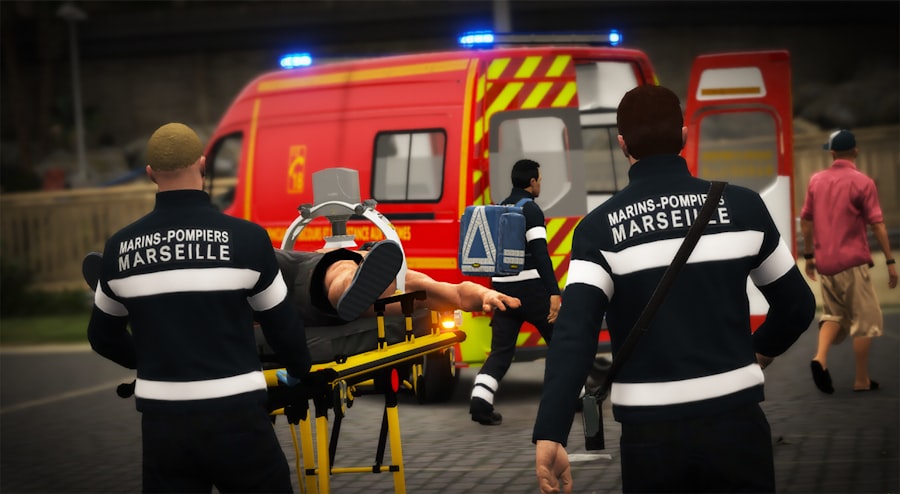
Heart disease plays a pivotal role in the incidence of cardiovascular arrest. Conditions such as coronary artery disease are responsible for a significant percentage of cardiac arrests, primarily due to their impact on blood flow and oxygen delivery to the myocardium. When coronary arteries become occluded or narrowed, the heart muscle may not receive adequate oxygen, leading to ischemia and potentially fatal arrhythmias.
Moreover, heart failure—a condition where the heart cannot pump blood efficiently—can predispose individuals to cardiovascular arrest. The weakened state of the heart muscle increases the likelihood of arrhythmias, which can culminate in sudden cardiac death. Therefore, managing heart disease through lifestyle modifications and medical interventions is essential in reducing the risk of cardiovascular arrest.
Identifying Risk Factors for Cardiovascular Arrest
| Risk Factors | Metrics |
|---|---|
| Age | Mean age of patients with cardiovascular arrest |
| Smoking | Percentage of patients who are smokers |
| Obesity | Body Mass Index (BMI) distribution |
| High Blood Pressure | Prevalence of hypertension among patients |
| Diabetes | Percentage of patients with diabetes |
Recognizing risk factors associated with cardiovascular arrest is vital for prevention and early intervention. Key risk factors include age, with older adults being at higher risk due to age-related changes in cardiac function. Gender also plays a role; men are generally at a greater risk than women until menopause, after which women’s risk increases.
Other significant risk factors encompass lifestyle choices such as smoking, excessive alcohol consumption, and physical inactivity. Additionally, comorbid conditions like hypertension, diabetes mellitus, and hyperlipidemia contribute substantially to cardiovascular risk profiles. Genetic predisposition also cannot be overlooked; a family history of heart disease can increase an individual’s likelihood of experiencing cardiovascular events.
Recognizing the Signs and Symptoms of Cardiovascular Arrest
The signs and symptoms of cardiovascular arrest are often sudden and dramatic. Individuals may experience chest pain or discomfort prior to losing consciousness. Other symptoms can include shortness of breath, palpitations, or lightheadedness.
However, it is crucial to note that many individuals may not exhibit any warning signs before an arrest occurs. In cases where there are warning signs, recognizing them early can be life-saving. Symptoms such as extreme fatigue or unusual exertion during physical activity should prompt further evaluation by a healthcare professional.
Awareness of these symptoms can facilitate timely medical intervention and potentially avert a catastrophic event.
The Importance of Early Intervention in Cardiovascular Arrest

The Chain of Survival
The chain of survival concept highlights the importance of early recognition, activation of emergency medical services (EMS), early CPR initiation, and rapid defibrillation. This sequence of events is critical in saving lives and improving outcomes for cardiovascular arrest victims.
The Impact of Prompt CPR
Studies have consistently shown that prompt CPR can significantly improve survival rates from cardiac arrest, doubling or even tripling the chances of survival. Every minute counts, and delayed intervention can drastically decrease the chances of survival.
The Role of Trained Bystanders
Trained bystanders play a vital role in improving outcomes for cardiovascular arrest victims. By initiating CPR promptly, they can help bridge the gap between the onset of cardiac arrest and the arrival of emergency medical services, ultimately saving lives.
Preventative Measures for Cardiovascular Arrest
Preventative measures are paramount in reducing the incidence of cardiovascular arrest. Regular health screenings can help identify risk factors such as hypertension and hyperlipidemia early on. Individuals should engage in routine physical activity—aiming for at least 150 minutes of moderate aerobic exercise weekly—to maintain cardiovascular health.
Additionally, dietary modifications are essential; adopting a heart-healthy diet rich in fruits, vegetables, whole grains, lean proteins, and healthy fats can mitigate risk factors associated with heart disease. Smoking cessation programs and limiting alcohol intake are also critical components of prevention strategies.
Lifestyle Changes to Reduce the Risk of Cardiovascular Arrest
Implementing lifestyle changes can significantly lower the risk of cardiovascular arrest. Regular physical activity not only strengthens the heart but also aids in weight management and reduces stress levels. Engaging in activities such as brisk walking, cycling, or swimming can enhance overall cardiovascular fitness.
Moreover, dietary changes play a vital role in promoting heart health. The Mediterranean diet—rich in omega-3 fatty acids from fish, antioxidants from fruits and vegetables, and healthy fats from olive oil—has been associated with reduced cardiovascular risk. Additionally, managing stress through mindfulness practices such as yoga or meditation can improve overall well-being and reduce the likelihood of stress-induced cardiac events.
Medical Treatments for Cardiovascular Arrest
Medical treatments for cardiovascular arrest primarily focus on restoring effective heart function and preventing future episodes. Advanced cardiac life support (ACLS) protocols are employed during emergencies to stabilize patients experiencing cardiac arrest. This may involve administering medications such as epinephrine or amiodarone to manage arrhythmias.
Post-arrest care is equally important; patients may require interventions such as coronary angioplasty or implantation of an implantable cardioverter-defibrillator (ICD) to prevent recurrence. These devices monitor heart rhythms and deliver shocks when dangerous arrhythmias are detected.
The Role of CPR and AED in Cardiovascular Arrest
Cardiopulmonary resuscitation (CPR) and automated external defibrillators (AEDs) are critical tools in responding to cardiovascular arrest. CPR involves chest compressions and rescue breaths aimed at maintaining blood flow to vital organs until professional help arrives. The American Heart Association recommends hands-only CPR for untrained bystanders—focusing solely on chest compressions at a rate of 100-120 compressions per minute.
AEDs are portable devices that analyze heart rhythms and deliver shocks if necessary. Their widespread availability in public spaces has significantly improved survival rates from cardiac arrest. Training individuals on how to use AEDs effectively can empower communities to respond swiftly during emergencies.
Support and Rehabilitation for Survivors of Cardiovascular Arrest
Survivors of cardiovascular arrest often face a challenging recovery journey that necessitates comprehensive support and rehabilitation services. Cardiac rehabilitation programs play a crucial role in helping individuals regain strength and improve their quality of life post-arrest. These programs typically include supervised exercise training, nutritional counseling, and education on managing heart health.
Psychological support is equally important; many survivors experience anxiety or depression following their event. Accessing mental health resources can aid in addressing these emotional challenges and fostering resilience during recovery. In summary, cardiovascular arrest is a life-threatening condition requiring immediate medical attention.
Understanding its causes, risk factors, signs, and symptoms is essential for effective prevention and intervention strategies. Lifestyle modifications and medical treatments play pivotal roles in reducing risks associated with this condition while CPR and AED training empower communities to respond effectively during emergencies. Comprehensive support for survivors ensures they receive the necessary care for both physical recovery and emotional well-being.
Cardiovascular arrest is a serious medical emergency that requires immediate attention. According to a recent article on Boogger, understanding the basics of home insurance is crucial for protecting your assets and ensuring financial security in case of unexpected events. It is important to be prepared for any situation, including health emergencies like cardiovascular arrest, by having the right insurance coverage in place. To learn more about home insurance and how it can help you in times of need, check out the article here.
FAQs
What is cardiovascular arrest?
Cardiovascular arrest, also known as cardiac arrest, is the sudden cessation of normal blood circulation due to the failure of the heart to contract effectively.
What are the causes of cardiovascular arrest?
Cardiovascular arrest can be caused by various factors, including heart disease, heart attack, respiratory arrest, drowning, electrocution, and trauma.
What are the symptoms of cardiovascular arrest?
Symptoms of cardiovascular arrest include sudden loss of consciousness, no pulse, and no breathing.
What is the difference between a heart attack and cardiovascular arrest?
A heart attack is caused by a blockage in the coronary arteries, leading to a lack of blood flow to the heart muscle. Cardiovascular arrest, on the other hand, is the sudden cessation of the heart’s pumping function.
What should be done in the event of cardiovascular arrest?
Immediate CPR and the use of an automated external defibrillator (AED) can significantly increase the chances of survival in the event of cardiovascular arrest. It is important to call for emergency medical help as soon as possible.