Now Reading: Understanding Congestive Heart Disease: Causes and Treatments
-
01
Understanding Congestive Heart Disease: Causes and Treatments
Understanding Congestive Heart Disease: Causes and Treatments
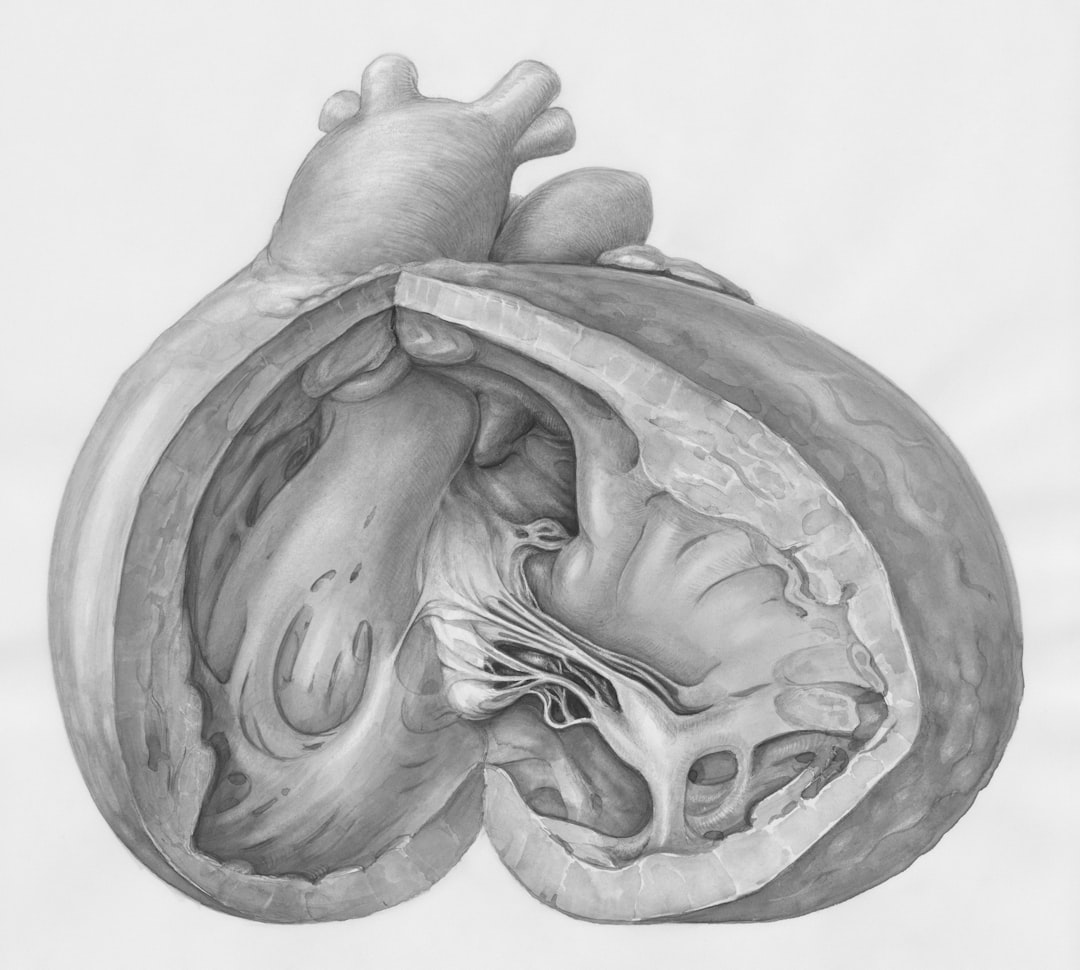
Congestive Heart Disease (CHD), often referred to as heart failure, is a complex clinical syndrome characterized by the heart’s inability to pump sufficient blood to meet the body’s metabolic demands. This condition can arise from various underlying cardiovascular diseases, leading to a progressive decline in cardiac function. The heart may become weakened or stiff, resulting in inadequate blood flow and the accumulation of fluid in the lungs and other tissues.
This fluid retention can lead to symptoms such as shortness of breath, fatigue, and swelling in the extremities. The classification of congestive heart disease can be divided into two primary types: systolic heart failure, where the heart’s pumping ability is compromised, and diastolic heart failure, where the heart’s ability to fill with blood is impaired. Both forms can coexist, complicating the clinical picture.
Understanding the nuances of this condition is crucial for effective management and treatment.
Key Takeaways
- Congestive Heart Disease is a condition where the heart is unable to pump enough blood to meet the body’s needs.
- Causes of Congestive Heart Disease include high blood pressure, coronary artery disease, and heart valve disease.
- Risk factors for Congestive Heart Disease include obesity, diabetes, and a family history of heart disease.
- Symptoms of Congestive Heart Disease can include shortness of breath, fatigue, and swelling in the legs and abdomen.
- Diagnosis of Congestive Heart Disease involves physical exams, imaging tests, and blood tests to assess heart function.
Causes of Congestive Heart Disease
The etiology of congestive heart disease is multifactorial, encompassing a range of cardiovascular conditions.
In this scenario, reduced blood flow to the heart muscle leads to damage and impaired function.
Hypertension, or high blood pressure, is another significant contributor, as it forces the heart to work harder over time, ultimately leading to hypertrophy and failure. Other causes include valvular heart diseases, where malfunctioning heart valves disrupt normal blood flow; cardiomyopathies, which are diseases of the heart muscle itself; and arrhythmias that can lead to ineffective pumping. Additionally, systemic conditions such as diabetes mellitus and thyroid disorders can exacerbate or precipitate heart failure.
Identifying these underlying causes is essential for tailoring appropriate treatment strategies.
Risk Factors for Congestive Heart Disease
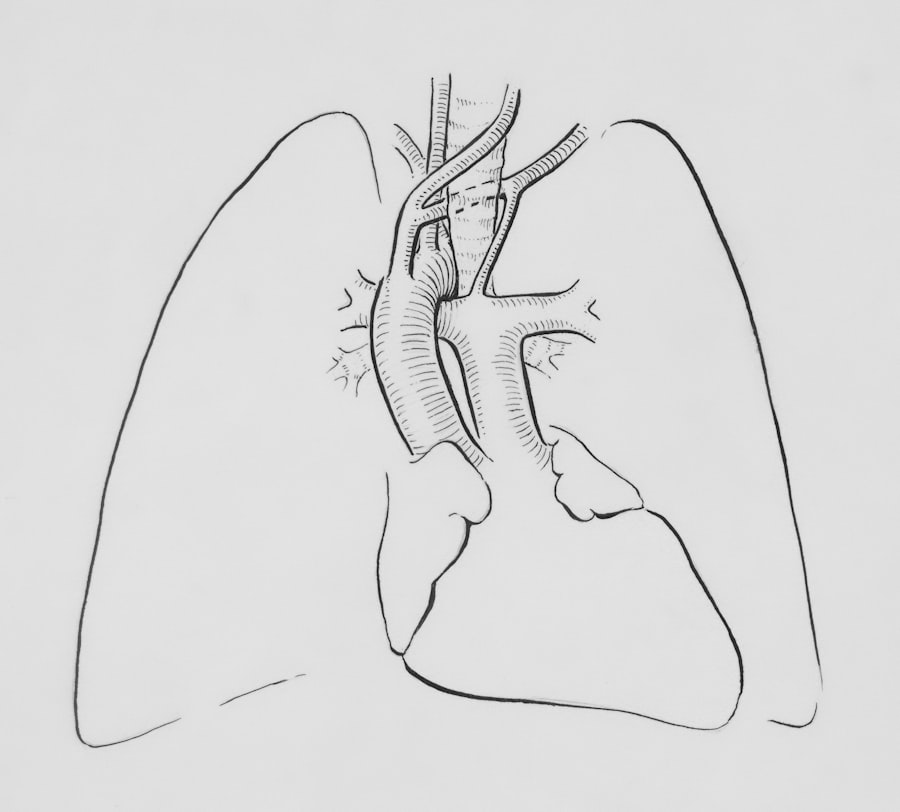
Several risk factors predispose individuals to develop congestive heart disease. Age is a significant determinant, with older adults being at a higher risk due to the cumulative effects of cardiovascular stressors over time. Gender also plays a role; men are generally at a greater risk earlier in life compared to women, although post-menopausal women experience an increased risk. Lifestyle factors such as obesity, physical inactivity, smoking, and excessive alcohol consumption contribute significantly to the development of CHD.
Additionally, comorbid conditions like hypertension, diabetes, and hyperlipidemia further elevate the risk profile. Genetic predisposition may also play a role; individuals with a family history of heart disease should be particularly vigilant about their cardiovascular health.
Symptoms of Congestive Heart Disease
| Symptom | Description |
|---|---|
| Shortness of breath | Difficulty breathing, especially during physical activity or when lying down |
| Swelling | Buildup of fluid in the body, often in the legs, ankles, or abdomen |
| Fatigue | Feeling tired or weak, even after rest |
| Rapid or irregular heartbeat | Heart palpitations or feeling like the heart is racing or fluttering |
| Coughing | Persistent cough, especially at night or when lying down |
The clinical presentation of congestive heart disease can vary widely among individuals but typically includes hallmark symptoms such as dyspnea (shortness of breath), especially during exertion or while lying flat. Patients may also experience orthopnea, which refers to difficulty breathing when supine. Fatigue and weakness are common complaints due to reduced cardiac output and inadequate oxygen delivery to tissues.
Fluid retention manifests as peripheral edema (swelling in the legs and ankles) and pulmonary congestion, which can lead to cough and wheezing. Patients may also report palpitations or irregular heartbeats due to underlying arrhythmias. Recognizing these symptoms early is crucial for timely intervention and management.
Diagnosis of Congestive Heart Disease
The diagnosis of congestive heart disease involves a comprehensive evaluation that includes a detailed medical history and physical examination. Clinicians often utilize diagnostic tools such as electrocardiograms (ECGs) to assess electrical activity and identify arrhythmias or ischemic changes. Chest X-rays can reveal signs of pulmonary congestion or cardiomegaly (enlarged heart).
Echocardiography is a pivotal diagnostic modality that provides insights into cardiac structure and function, allowing for the assessment of ejection fraction—a key indicator of systolic function. Blood tests, including B-type natriuretic peptide (BNP) levels, can aid in confirming the diagnosis by indicating cardiac stress. In some cases, advanced imaging techniques such as cardiac MRI or CT scans may be employed for further evaluation.
Complications of Congestive Heart Disease
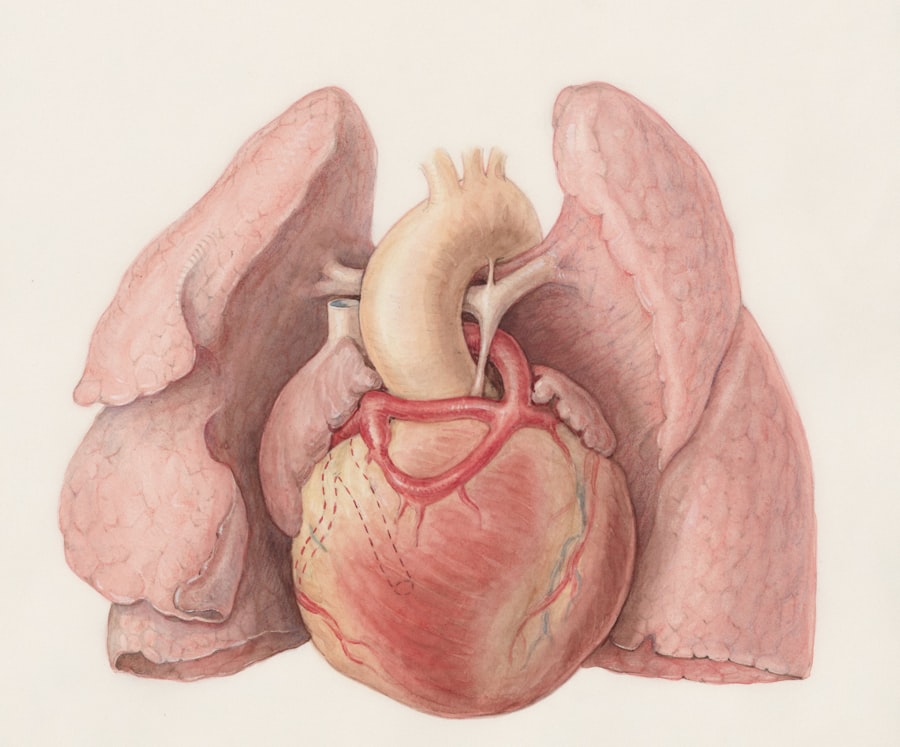
Congestive heart disease can lead to several serious complications that significantly impact morbidity and mortality. One major concern is the development of arrhythmias, which can result in sudden cardiac death or stroke due to embolism. Additionally, patients may experience worsening renal function due to reduced perfusion, leading to acute kidney injury.
Pulmonary complications are also prevalent; chronic pulmonary congestion can result in pulmonary hypertension and respiratory failure. Furthermore, patients with CHD are at an increased risk for thromboembolic events due to stasis of blood flow in the heart chambers. These complications necessitate vigilant monitoring and proactive management strategies.
Lifestyle Changes for Managing Congestive Heart Disease
Implementing lifestyle modifications is paramount in managing congestive heart disease effectively. Dietary changes play a crucial role; patients are often advised to adopt a low-sodium diet to minimize fluid retention and reduce blood pressure. Emphasizing fruits, vegetables, whole grains, and lean proteins can enhance overall cardiovascular health.
Regular physical activity tailored to individual capabilities is essential for improving functional capacity and quality of life. Patients should engage in supervised exercise programs when possible, focusing on aerobic activities that promote cardiovascular fitness without overexertion. Smoking cessation is critical; tobacco use exacerbates cardiovascular risk factors and impairs overall health.
Medications for Congestive Heart Disease
Pharmacological management of congestive heart disease typically involves a combination of medications aimed at alleviating symptoms and improving outcomes. Angiotensin-converting enzyme (ACE) inhibitors are commonly prescribed to reduce afterload and improve cardiac output by promoting vasodilation. Beta-blockers are utilized to decrease heart rate and myocardial oxygen demand while enhancing survival rates.
Diuretics are essential for managing fluid overload by promoting renal excretion of sodium and water, thereby alleviating symptoms of congestion. Aldosterone antagonists may also be employed for their diuretic effects and additional benefits on mortality reduction. In some cases, newer agents such as sacubitril/valsartan (Entresto) have emerged as effective treatments that combine neprilysin inhibition with angiotensin receptor blockade.
Surgical and Minimally Invasive Treatments for Congestive Heart Disease
In certain cases where medical management is insufficient, surgical interventions may be warranted. Procedures such as coronary artery bypass grafting (CABG) or percutaneous coronary interventions (PCI) can restore blood flow in patients with ischemic heart disease contributing to heart failure. Valve repair or replacement surgeries may be necessary for patients with significant valvular dysfunction.
Minimally invasive techniques have gained traction in recent years; transcatheter aortic valve replacement (TAVR) offers a less invasive option for patients with severe aortic stenosis who are at high surgical risk. Additionally, left ventricular assist devices (LVADs) serve as mechanical support for patients with advanced heart failure awaiting transplantation or those who are not candidates for surgery.
Managing Congestive Heart Disease in the Long Term
Long-term management of congestive heart disease requires a multidisciplinary approach involving cardiologists, primary care providers, dietitians, and rehabilitation specialists. Regular follow-up appointments are essential for monitoring clinical status and adjusting treatment plans as needed. Patients should be educated about recognizing early signs of exacerbation, such as sudden weight gain or increased shortness of breath.
Adherence to prescribed medications is critical; noncompliance can lead to adverse outcomes and hospitalizations. Patients should also engage in self-monitoring practices, including tracking daily weights and maintaining a symptom diary to facilitate communication with healthcare providers.
Support and Resources for Individuals with Congestive Heart Disease
Support systems play an integral role in managing congestive heart disease effectively. Patients are encouraged to participate in support groups where they can share experiences and coping strategies with others facing similar challenges. Educational resources provided by organizations such as the American Heart Association offer valuable information on managing heart failure.
Additionally, rehabilitation programs tailored for individuals with heart failure can enhance physical fitness while providing emotional support through counseling services. Accessing community resources such as meal delivery services or transportation assistance can further alleviate burdens associated with managing this chronic condition. In summary, congestive heart disease represents a significant public health challenge characterized by the heart’s inability to meet the body’s demands for blood flow.
Understanding its causes, risk factors, symptoms, diagnosis, complications, and management strategies is essential for improving patient outcomes. Through lifestyle modifications, pharmacological interventions, surgical options when necessary, and robust support systems, individuals with congestive heart disease can lead fulfilling lives while effectively managing their condition.
Congestive heart disease is a serious condition that affects millions of people worldwide. According to a recent article on Boogger, “Should You Invest in Amazon Stock?”, investing in healthcare companies like Amazon could be a smart financial move for those looking to diversify their portfolio.
To learn more about the potential impact of investing in healthcare stocks, check out the article here.
FAQs
What is congestive heart disease?
Congestive heart disease, also known as heart failure, is a condition in which the heart is unable to pump enough blood to meet the body’s needs. This can lead to symptoms such as fatigue, shortness of breath, and swelling in the legs and abdomen.
What causes congestive heart disease?
Congestive heart disease can be caused by a variety of factors, including coronary artery disease, high blood pressure, heart valve disease, and cardiomyopathy. Other factors such as diabetes, obesity, and certain medications can also contribute to the development of congestive heart disease.
What are the symptoms of congestive heart disease?
Symptoms of congestive heart disease can include shortness of breath, fatigue, swelling in the legs and abdomen, rapid or irregular heartbeat, and persistent coughing or wheezing. These symptoms can vary in severity and may worsen over time.
How is congestive heart disease diagnosed?
Congestive heart disease is typically diagnosed through a combination of medical history, physical examination, and diagnostic tests such as echocardiograms, electrocardiograms (ECG), and blood tests. These tests can help determine the underlying cause of the heart failure and assess the severity of the condition.
What are the treatment options for congestive heart disease?
Treatment for congestive heart disease may include lifestyle changes, medications, and in some cases, surgical procedures such as coronary artery bypass grafting or heart valve repair or replacement. Medications may include diuretics, ACE inhibitors, beta-blockers, and other drugs to help manage symptoms and improve heart function.
Can congestive heart disease be prevented?
While some risk factors for congestive heart disease, such as age and family history, cannot be changed, there are steps that can be taken to reduce the risk of developing the condition. These include maintaining a healthy weight, exercising regularly, managing high blood pressure and diabetes, and avoiding smoking and excessive alcohol consumption. Regular medical check-ups can also help identify and manage risk factors for congestive heart disease.