Now Reading: Understanding TNM Staging for Cancer: A Comprehensive Guide
-
01
Understanding TNM Staging for Cancer: A Comprehensive Guide
Understanding TNM Staging for Cancer: A Comprehensive Guide
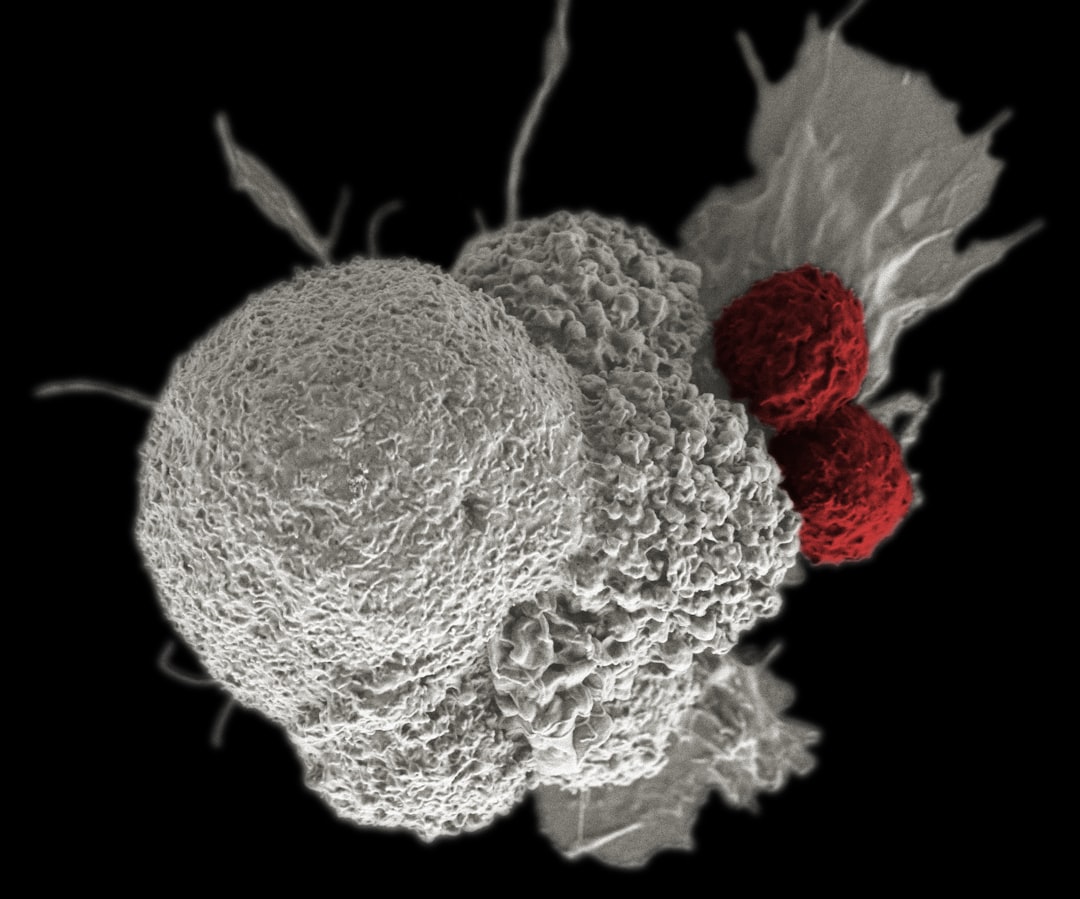
TNM staging is a standardized system utilized by healthcare professionals to classify the extent of cancer in patients. Developed by the American Joint Committee on Cancer (AJCC) and the Union for International Cancer Control (UICC), this system provides a comprehensive framework for assessing the severity of cancer based on three primary components: Tumor (T), Nodes (N), and Metastasis (M). Each component is assigned a specific numerical value or descriptor that reflects the size, location, and spread of the cancerous cells.
This classification is crucial for determining the most effective treatment strategies and predicting patient outcomes. The TNM system is not only pivotal for oncologists but also serves as a universal language among medical professionals worldwide. By employing this standardized approach, clinicians can communicate more effectively about a patient’s condition, facilitating collaborative care and research efforts.
The TNM classification is updated periodically to incorporate new findings and advancements in cancer research, ensuring that it remains relevant in the ever-evolving landscape of oncology.
Key Takeaways
- TNM staging is a system used to describe the extent of cancer in a patient’s body, helping to determine the best treatment plan and predict prognosis.
- TNM staging is crucial in cancer diagnosis as it provides important information about the size and extent of the tumor, involvement of lymph nodes, and presence of metastasis.
- The components of TNM staging include T (tumor size and extent), N (involvement of lymph nodes), and M (presence of metastasis).
- TNM staging directly affects treatment options, helping doctors decide on the most effective approach, such as surgery, chemotherapy, or radiation therapy.
- Understanding TNM staging helps predict prognosis and guides future treatment decisions, playing a vital role in cancer care.
The Importance of TNM Staging in Cancer Diagnosis
The significance of TNM staging in cancer diagnosis cannot be overstated. Accurate staging is essential for formulating an appropriate treatment plan, as it directly influences therapeutic decisions. For instance, early-stage cancers may be amenable to surgical resection, while advanced-stage cancers may require systemic therapies such as chemotherapy or immunotherapy.
Furthermore, TNM staging aids in stratifying patients into clinical trials, allowing for more tailored and effective treatment approaches. In addition to guiding treatment, TNM staging plays a critical role in prognostication. By understanding the extent of disease involvement, healthcare providers can offer patients a more accurate assessment of their prognosis.
This information is invaluable for patients and their families as they navigate the complexities of cancer care, enabling them to make informed decisions regarding their treatment options and end-of-life care if necessary.
The Components of TNM Staging: T, N, and M

The TNM staging system comprises three distinct components: T (Tumor), N (Nodes), and M (Metastasis). Each component provides specific information about the cancer’s characteristics and progression. – **T (Tumor)**: This component assesses the size and extent of the primary tumor.
It is typically classified on a scale from T0 to T4, with higher numbers indicating larger tumors or greater local invasion into surrounding tissues. For example, T1 may represent a small tumor confined to its organ of origin, while T4 may indicate extensive local invasion. – **N (Nodes)**: This aspect evaluates the involvement of regional lymph nodes.
Lymph nodes are critical components of the immune system and often serve as pathways for cancer spread. The N classification ranges from N0 (no regional lymph node involvement) to N3 (extensive lymph node involvement), providing insight into how far the cancer has progressed beyond its original site. – **M (Metastasis)**: This component indicates whether the cancer has spread to distant sites in the body. M0 signifies no distant metastasis, while M1 indicates the presence of metastasis. Understanding whether metastasis has occurred is crucial for determining the overall stage of cancer and its potential response to treatment.
How TNM Staging Affects Treatment Options
| TNM Stage | Treatment Options |
|---|---|
| Stage 0 | Usually involves surgery to remove the tumor |
| Stage I | Surgery is the main treatment, sometimes followed by radiation therapy |
| Stage II | Surgery followed by chemotherapy or radiation therapy |
| Stage III | Combination of surgery, chemotherapy, and radiation therapy |
| Stage IV | Treatment focuses on managing symptoms and improving quality of life |
The stage of cancer determined by TNM classification significantly influences treatment options available to patients. For localized tumors classified as early-stage (e.g., T1N0M0), surgical intervention may be the primary treatment modality, often resulting in favorable outcomes. In contrast, more advanced stages (e.g., T3N2M1) may necessitate a multimodal approach that includes chemotherapy, radiation therapy, or targeted therapies.
Moreover, the TNM classification helps oncologists tailor treatment regimens based on individual patient characteristics and tumor biology. For instance, certain tumors may express specific biomarkers that respond well to targeted therapies; understanding the stage can help identify these patients. Additionally, clinical trials often require specific TNM classifications for enrollment, allowing patients access to cutting-edge treatments that may not yet be widely available.
Understanding T Staging: The Size and Extent of the Tumor
T staging focuses on evaluating the primary tumor’s size and extent of invasion into surrounding tissues.
– **T0** indicates no evidence of a primary tumor, while **T1** typically represents a small tumor confined to its organ of origin.
As the classification progresses to **T2** and **T3**, tumors may increase in size or begin to invade adjacent structures. **T4** signifies extensive local invasion, which can complicate surgical resection and necessitate more aggressive treatment strategies.
For example, a patient with a T1 tumor may be eligible for a less invasive surgical procedure compared to someone with a T4 tumor requiring extensive resection or reconstruction.
Explaining N Staging: The Involvement of Lymph Nodes
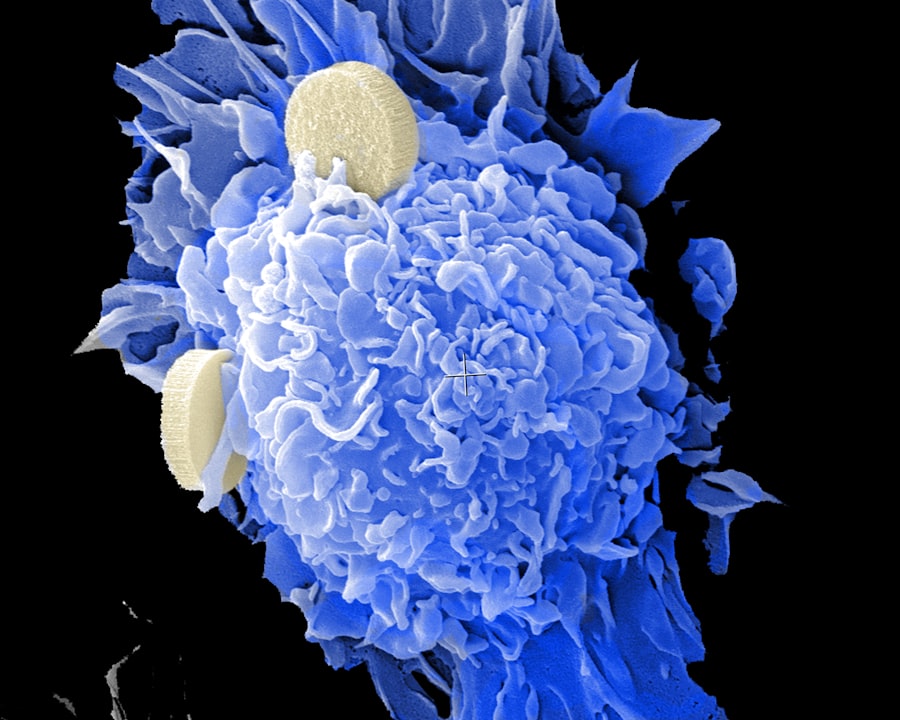
N staging assesses the involvement of regional lymph nodes in cancer progression. Lymph nodes play a crucial role in filtering lymphatic fluid and are often the first sites where cancer cells spread from the primary tumor. The N classification ranges from N0 to N3, with each designation indicating varying degrees of lymph node involvement.
– **N0** signifies no regional lymph node involvement, suggesting that the cancer has not spread beyond its original site. Conversely, **N1** indicates limited lymph node involvement, while **N2** and **N3** suggest more extensive regional spread. The presence of cancer in lymph nodes can significantly impact prognosis and treatment decisions.
Understanding N staging is essential for determining the need for additional therapies such as radiation or systemic treatments. Patients with positive lymph node involvement may require more aggressive management strategies to address potential micrometastatic disease.
Deciphering M Staging: The Presence of Metastasis
M staging evaluates whether cancer has metastasized to distant sites beyond its original location. This component is critical for understanding the overall stage of cancer and its potential response to treatment. – **M0** indicates no evidence of distant metastasis, while **M1** signifies that metastasis has occurred.
The presence of metastasis often correlates with a poorer prognosis and may necessitate systemic therapies such as chemotherapy or immunotherapy. Understanding M staging is vital for determining treatment options and predicting patient outcomes. Patients with M1 disease may require more aggressive management strategies due to the systemic nature of their illness.
The Role of Imaging and Pathology in TNM Staging
Imaging studies play a pivotal role in accurately determining TNM staging. Techniques such as computed tomography (CT), magnetic resonance imaging (MRI), positron emission tomography (PET), and ultrasound are commonly employed to visualize tumors and assess their size, location, and potential spread to lymph nodes or distant sites. Pathology also plays an essential role in confirming TNM staging through histological examination of tissue samples obtained via biopsy or surgical resection.
Pathologists evaluate tumor characteristics such as grade, histological type, and lymphovascular invasion, providing critical information that complements imaging findings. The integration of imaging and pathology results ensures accurate staging and informs treatment decisions tailored to individual patient needs.
Common Misconceptions about TNM Staging
Despite its widespread use, several misconceptions about TNM staging persist among patients and even some healthcare providers. One common misunderstanding is that higher stage numbers always equate to worse outcomes; however, this is not universally true as individual tumor biology plays a significant role in prognosis. Another misconception is that TNM staging is static; in reality, cancer can progress or regress over time, necessitating re-evaluation of staging as treatment progresses or new symptoms arise.
Additionally, some patients believe that all cancers are staged using the same criteria; however, different types of cancers have unique staging systems tailored to their biological behavior.
How TNM Staging Helps Predict Prognosis
TNM staging serves as a cornerstone for predicting patient prognosis in oncology. By categorizing tumors based on their size, lymph node involvement, and presence of metastasis, healthcare providers can estimate survival rates and potential outcomes more accurately. Statistical models often utilize TNM classifications to generate survival estimates based on large cohorts of patients with similar characteristics.
These prognostic tools help guide discussions between patients and their healthcare teams regarding treatment options and expected outcomes. Moreover, understanding prognosis allows patients to make informed decisions about their care plans and engage in discussions about palliative care if necessary.
The Future of TNM Staging in Cancer Care
As advancements in cancer research continue to evolve, so too will the TNM staging system. Future iterations may incorporate molecular profiling and genetic testing results into traditional staging criteria, allowing for even more personalized treatment approaches. Additionally, ongoing research into tumor microenvironments and immune responses may lead to new insights into how cancers behave at different stages, further refining our understanding of disease progression.
In conclusion, TNM staging remains an indispensable tool in oncology that guides diagnosis, treatment decisions, and prognostication for patients with cancer. By understanding its components—T, N, and M—healthcare providers can offer tailored care that optimizes patient outcomes while addressing individual needs throughout their cancer journey.
If you are interested in learning more about TNM staging, you may want to check out this article on federal holidays and November’s day off. Understanding the significance of holidays and days off can help provide context for the importance of accurate staging in cancer treatment.
FAQs
What is TNM staging?
TNM staging is a system used to classify the extent of cancer in a patient’s body. It stands for Tumor, Node, and Metastasis, and it helps doctors determine the stage of the cancer and plan the appropriate treatment.
What does each letter in TNM staging stand for?
The “T” stands for Tumor and describes the size and extent of the primary tumor. The “N” stands for Node and indicates whether the cancer has spread to nearby lymph nodes. The “M” stands for Metastasis and shows whether the cancer has spread to other parts of the body.
How is TNM staging determined?
TNM staging is determined through a combination of physical exams, imaging tests, and sometimes surgical procedures to examine the extent of the cancer. The information gathered is then used to assign a stage to the cancer.
What are the stages in TNM staging?
The stages in TNM staging range from 0 to IV, with 0 indicating the cancer is in situ (localized) and IV indicating the cancer has spread to distant parts of the body. Each stage has specific criteria based on the size of the tumor, lymph node involvement, and metastasis.
Why is TNM staging important?
TNM staging is important because it helps doctors determine the prognosis of the cancer, plan the appropriate treatment, and communicate effectively with patients about the extent of their cancer. It also helps researchers and healthcare providers track and compare cancer outcomes.