Now Reading: Emerging Treatments for NSCLC
-
01
Emerging Treatments for NSCLC
Emerging Treatments for NSCLC
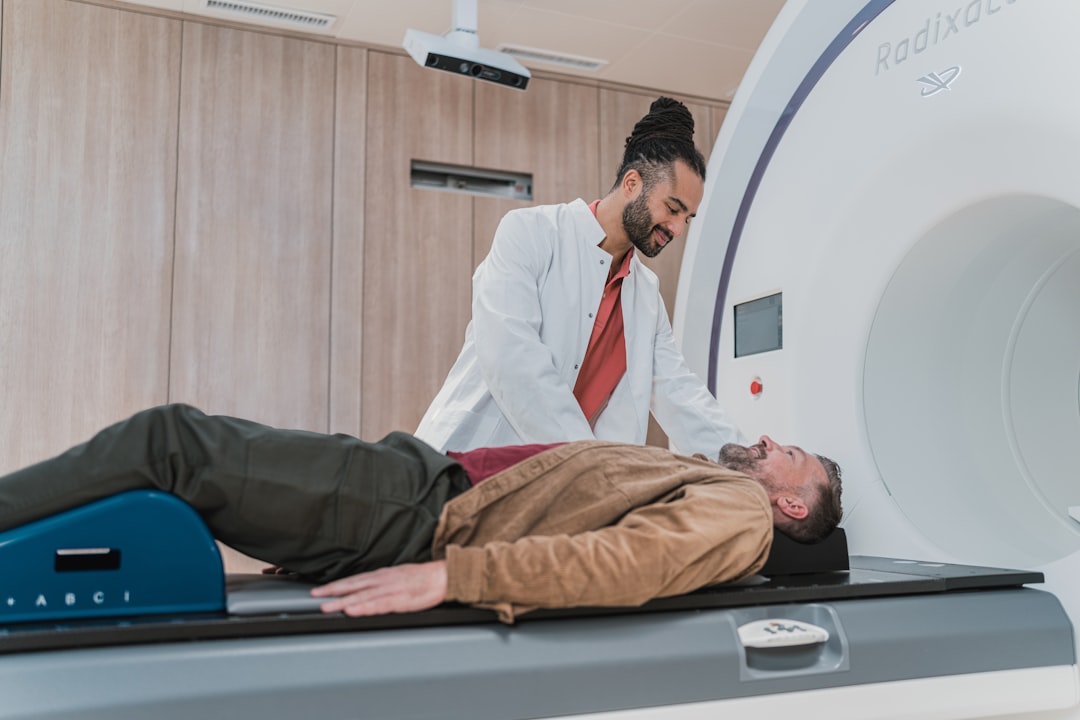
Non-Small Cell Lung Cancer (NSCLC) represents a significant subset of lung malignancies, accounting for approximately 85% of all lung cancer diagnoses. This heterogeneous group of tumors is primarily categorized into three main histological types: adenocarcinoma, squamous cell carcinoma, and large cell carcinoma. The pathophysiology of NSCLC is complex, often involving a combination of genetic mutations, environmental factors, and lifestyle choices such as smoking.
The prognosis for patients diagnosed with NSCLC can vary widely based on the stage at diagnosis, histological subtype, and the presence of specific molecular markers. The global burden of lung cancer is staggering, with an estimated 2.2 million new cases and 1.8 million deaths reported in 2020 alone. The incidence of NSCLC is particularly high in regions with elevated smoking rates and industrial pollution.
Early detection remains a critical challenge, as symptoms often manifest only in advanced stages, leading to a poor overall survival rate. Understanding the intricacies of NSCLC is essential for developing effective treatment strategies and improving patient outcomes.
Key Takeaways
- NSCLC is the most common type of lung cancer, accounting for 85% of all cases.
- Current standard treatments for NSCLC include surgery, chemotherapy, and radiation therapy.
- Targeted therapies for NSCLC focus on specific genetic mutations or proteins in cancer cells.
- Immunotherapy for NSCLC uses the body’s immune system to fight cancer cells.
- Emerging therapies in precision medicine for NSCLC aim to tailor treatment based on the individual’s genetic profile.
Current Standard Treatments for NSCLC
The standard treatment modalities for NSCLC are primarily determined by the stage of the disease at diagnosis. For localized tumors (stages I and II), surgical resection remains the cornerstone of treatment, with lobectomy or pneumonectomy being the most common procedures performed. Adjuvant chemotherapy is often recommended post-surgery to eliminate residual microscopic disease and reduce recurrence risk.
For patients with stage III disease, a multimodal approach that includes chemotherapy, radiation therapy, and potentially surgery is typically employed. In advanced stages (stage IV), where curative intent is no longer feasible, systemic therapies become the mainstay of treatment. Platinum-based chemotherapy regimens, such as cisplatin or carboplatin combined with pemetrexed or gemcitabine, are frequently utilized.
These regimens aim to palliate symptoms and prolong survival.
Targeted Therapies for NSCLC

Targeted therapies have revolutionized the treatment landscape for NSCLC, particularly for patients with specific genetic alterations. The identification of actionable mutations has led to the development of targeted agents that inhibit tumor growth by interfering with specific molecular pathways. For instance, epidermal growth factor receptor (EGFR) mutations are present in approximately 10-15% of Caucasian patients and up to 50% in Asian populations.
Tyrosine kinase inhibitors (TKIs) such as erlotinib, gefitinib, and osimertinib have shown remarkable efficacy in this subset of patients. Another critical target in NSCLC is the anaplastic lymphoma kinase (ALK) gene rearrangement, which occurs in about 5% of cases. ALK inhibitors like crizotinib and alectinib have demonstrated significant clinical benefits in patients harboring this mutation.
Additionally, ROS1 rearrangements and BRAF mutations are other targets for which specific therapies have been developed. The precision medicine approach allows for tailored treatment plans that enhance therapeutic efficacy while minimizing unnecessary toxicity.
Immunotherapy for NSCLC
| Study | Number of Patients | Overall Response Rate | Progression-Free Survival |
|---|---|---|---|
| Keynote-024 | 305 | 45% | 10.3 months |
| CheckMate 017 | 272 | 19% | 4.2 months |
| IMpower110 | 572 | 29% | 7.0 months |
Immunotherapy has emerged as a groundbreaking treatment modality for NSCLC, harnessing the body’s immune system to combat cancer cells. Immune checkpoint inhibitors (ICIs) such as pembrolizumab, nivolumab, and atezolizumab have transformed the management of advanced NSCLC by blocking inhibitory pathways that prevent T-cell activation. These agents have shown durable responses and improved survival rates in patients with high PD-L1 expression.
The use of ICIs is particularly beneficial in patients who are not candidates for chemotherapy or those who have progressed after standard treatments. Combination strategies involving ICIs with chemotherapy have also been explored, yielding promising results in clinical trials. However, immune-related adverse events can occur due to heightened immune activity, necessitating careful monitoring and management.
Emerging Therapies in Precision Medicine for NSCLC
The field of precision medicine continues to evolve rapidly, with ongoing research aimed at identifying novel biomarkers and therapeutic targets in NSCLNext-generation sequencing (NGS) technologies have facilitated the comprehensive profiling of tumor genomes, enabling the discovery of rare mutations that may be amenable to targeted therapies. For example, the identification of MET exon 14 skipping mutations has led to the development of MET inhibitors like capmatinib and tepotinib. Furthermore, the exploration of tumor microenvironment interactions and immune evasion mechanisms is paving the way for innovative therapeutic strategies.
Combination therapies that integrate targeted agents with immunotherapy or novel agents targeting tumor metabolism are currently under investigation in clinical trials. These emerging therapies hold promise for improving outcomes in patients with advanced NSCLC who have limited treatment options.
New Approaches in Radiation Therapy for NSCLC
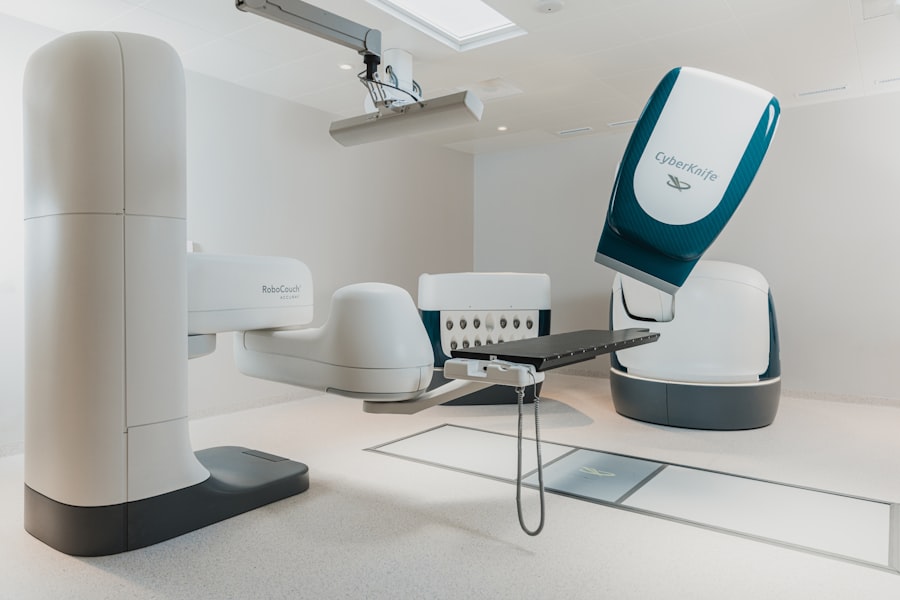
Radiation therapy remains a vital component in the management of NSCLC, particularly for locally advanced disease or as palliative care for metastatic lesions. Recent advancements in radiation techniques, such as stereotactic body radiation therapy (SBRT) and intensity-modulated radiation therapy (IMRT), allow for more precise targeting of tumors while sparing surrounding healthy tissue. These techniques enhance local control rates and minimize side effects.
Additionally, combining radiation therapy with immunotherapy is an area of active research. Preclinical studies suggest that radiation may enhance the efficacy of immune checkpoint inhibitors by inducing immunogenic cell death and promoting tumor antigen release. Ongoing clinical trials are evaluating these combination strategies to determine optimal sequencing and dosing regimens.
Novel Chemotherapy Options for NSCLC
While traditional chemotherapy remains a cornerstone in NSCLC management, novel agents are being developed to improve efficacy and reduce toxicity.
For instance, trastuzumab deruxtecan has shown promise in HER2-positive NSCLC cases.
Additionally, new combinations of existing chemotherapeutic agents are being explored to enhance response rates. Research into biomarkers that predict chemotherapy sensitivity is also underway, aiming to personalize treatment regimens further. The goal is to optimize therapeutic outcomes while minimizing adverse effects associated with conventional chemotherapy.
Potential Role of Gene Therapy in NSCLC Treatment
Gene therapy represents a novel frontier in cancer treatment, offering potential solutions for patients with refractory NSCLThis approach involves modifying or replacing defective genes responsible for tumor growth or resistance to therapy. Techniques such as CRISPR-Cas9 gene editing are being investigated to target specific oncogenes or tumor suppressor genes. Clinical trials are exploring the feasibility of delivering therapeutic genes directly into tumors or utilizing viral vectors to induce anti-tumor immunity.
While still largely experimental, gene therapy holds promise for addressing unmet needs in NSCLC treatment, particularly for patients with advanced disease who have exhausted standard options.
Investigational Drugs and Clinical Trials for NSCLC
The landscape of NSCLC treatment is continually evolving through ongoing clinical trials investigating investigational drugs and novel combinations. These trials play a crucial role in determining the safety and efficacy of new therapies before they become standard practice. Patients enrolled in clinical trials may gain access to cutting-edge treatments that are not yet available on the market.
Key areas of investigation include novel immunotherapeutic agents, targeted therapies against emerging biomarkers, and combination regimens that integrate multiple modalities. Participation in clinical trials not only contributes to advancing medical knowledge but also provides hope for patients seeking effective treatment options.
Integrative and Complementary Therapies for NSCLC
Integrative and complementary therapies are increasingly recognized as valuable adjuncts to conventional cancer treatment for NSCLC patients. Approaches such as acupuncture, yoga, meditation, and nutritional counseling can help alleviate symptoms associated with cancer and its treatments while enhancing overall well-being. Evidence suggests that these therapies may improve quality of life by reducing anxiety, pain, and fatigue experienced by patients undergoing aggressive treatments like chemotherapy or radiation therapy.
While these modalities should not replace standard medical care, they can serve as supportive measures that empower patients on their cancer journey.
Future Directions in NSCLC Treatment
The future of NSCLC treatment lies in continued advancements in precision medicine, immunotherapy, and innovative therapeutic approaches. Ongoing research aims to identify novel biomarkers that predict treatment response and resistance mechanisms that hinder therapeutic efficacy. The integration of artificial intelligence and machine learning into oncology may further enhance personalized treatment strategies by analyzing vast datasets to identify optimal therapeutic combinations.
Moreover, collaborative efforts among researchers, clinicians, and pharmaceutical companies will be essential in translating scientific discoveries into clinical practice. As our understanding of NSCLC deepens, the potential for improved outcomes through tailored therapies becomes increasingly attainable. In summary, Non-Small Cell Lung Cancer presents a complex challenge within oncology due to its diverse subtypes and varying responses to treatment modalities.
Current standard treatments include surgery, chemotherapy, targeted therapies, and immunotherapy; however, ongoing research into emerging therapies offers hope for more effective interventions tailored to individual patient profiles. As we advance into an era of precision medicine and innovative approaches like gene therapy and integrative care strategies, the future holds promise for improved survival rates and quality of life for those affected by this formidable disease.
Non-small cell lung cancer (NSCLC) is a type of lung cancer that accounts for about 85% of all cases. It is important for patients to stay informed about the latest advancements in treatment options and research. One related article that provides valuable information on this topic is Amazon Music: Albums and Podcasts on the App Store. This article may not directly discuss NSCLC, but staying up to date on new technologies and resources can help patients navigate their cancer journey more effectively.
FAQs
What is NSCLC?
NSCLC stands for non-small cell lung cancer, which is the most common type of lung cancer. It accounts for about 85% of all lung cancer cases.
What are the subtypes of NSCLC?
The three main subtypes of NSCLC are adenocarcinoma, squamous cell carcinoma, and large cell carcinoma.
What are the risk factors for developing NSCLC?
Risk factors for NSCLC include smoking, exposure to secondhand smoke, exposure to radon gas, exposure to asbestos and other carcinogens, and a family history of lung cancer.
What are the symptoms of NSCLC?
Common symptoms of NSCLC include a persistent cough, coughing up blood, chest pain, hoarseness, unexplained weight loss, and shortness of breath.
How is NSCLC diagnosed?
NSCLC is typically diagnosed through imaging tests such as CT scans and PET scans, as well as through biopsies to examine the lung tissue for cancer cells.
What are the treatment options for NSCLC?
Treatment options for NSCLC may include surgery, chemotherapy, radiation therapy, targeted therapy, and immunotherapy, depending on the stage and specific characteristics of the cancer.
What is the prognosis for NSCLC?
The prognosis for NSCLC varies depending on the stage at which it is diagnosed, as well as the overall health of the patient. Early detection and treatment can improve the prognosis for NSCLC.