Now Reading: Unlocking the Power of Signatera
-
01
Unlocking the Power of Signatera
Unlocking the Power of Signatera
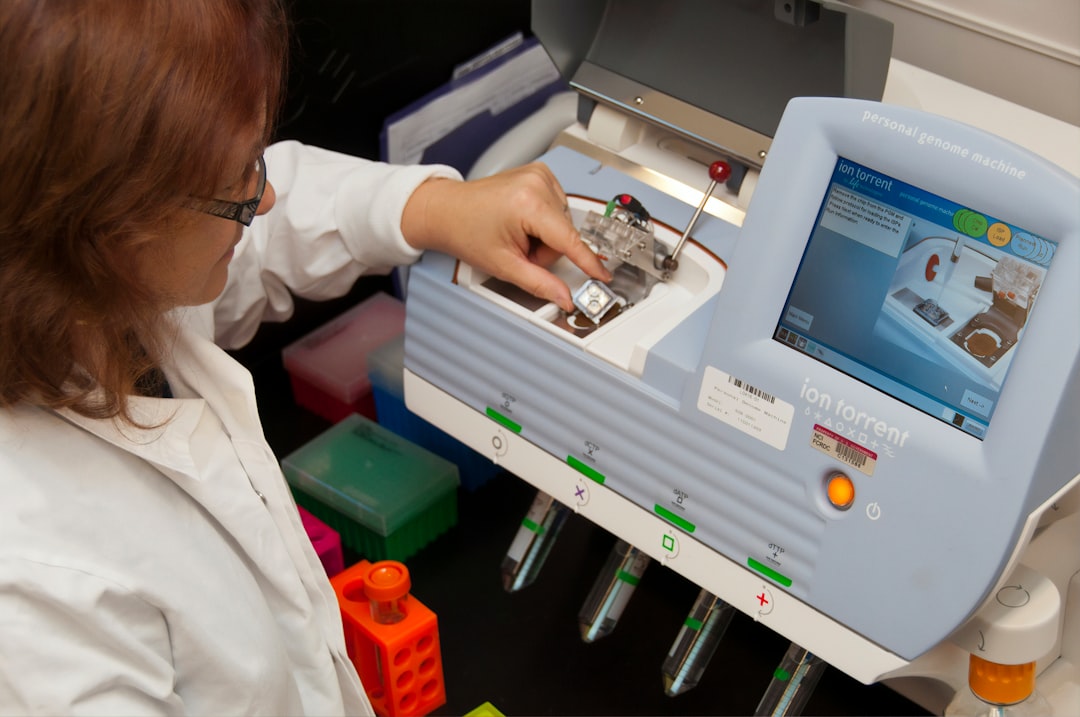
Signatera is a cutting-edge, personalized molecular diagnostic tool designed to detect circulating tumor DNA (ctDNA) in the bloodstream of cancer patients. This innovative technology leverages next-generation sequencing (NGS) to identify unique genetic mutations associated with an individual’s tumor. By analyzing blood samples, Signatera can provide critical insights into the presence of residual disease, treatment efficacy, and potential recurrence, thereby facilitating a more tailored approach to cancer management.
The process begins with the collection of a tumor sample, which is sequenced to identify specific mutations. Subsequently, a blood sample is taken from the patient, and the ctDNA is isolated and analyzed. The presence of ctDNA in the bloodstream serves as a biomarker for tumor activity, allowing clinicians to monitor the disease’s progression or response to therapy.
This non-invasive method not only reduces the need for invasive biopsies but also provides real-time data that can significantly influence treatment strategies.
Key Takeaways
- Signatera is a personalized cancer monitoring test that detects circulating tumor DNA in the blood, providing a comprehensive view of a patient’s cancer status.
- Personalized cancer monitoring with Signatera allows for early detection of cancer recurrence and helps guide treatment decisions for better patient outcomes.
- Signatera can help guide treatment decisions by providing real-time information on treatment response and disease progression, leading to more targeted and effective therapies.
- Signatera plays a crucial role in the early detection of cancer recurrence, allowing for timely intervention and improved patient outcomes.
- Signatera serves as a valuable tool for monitoring treatment response, enabling clinicians to make informed decisions and adjust treatment plans as needed for better patient care.
The Importance of Personalized Cancer Monitoring
Personalized cancer monitoring is paramount in the contemporary landscape of oncology, as it allows for tailored treatment plans that cater to the unique genetic makeup of each patient’s tumor. Traditional methods of monitoring cancer, such as imaging and standard blood tests, often lack specificity and sensitivity. In contrast, personalized approaches like Signatera enable oncologists to detect minimal residual disease (MRD) with greater accuracy, leading to timely interventions.
The significance of personalized monitoring extends beyond mere detection; it encompasses the ability to adapt treatment regimens based on individual responses.
This adaptability not only enhances patient outcomes but also minimizes unnecessary side effects associated with ineffective treatments.
How Signatera Can Help Guide Treatment Decisions
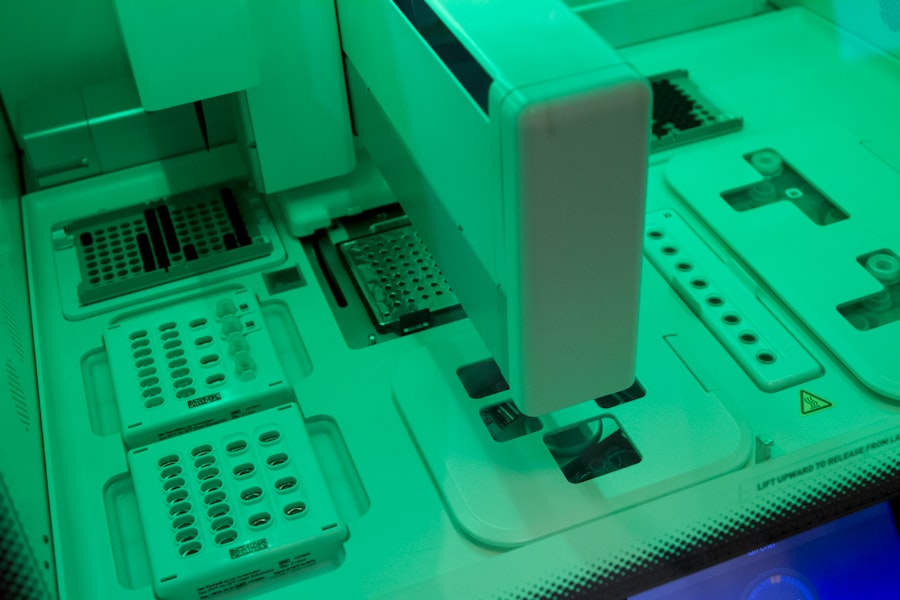
Signatera plays a pivotal role in guiding treatment decisions by providing oncologists with actionable insights derived from ctDNA analysis. The ability to detect residual disease early allows for prompt adjustments in therapy, which can be crucial in preventing cancer recurrence. For example, if ctDNA levels are found to be elevated after surgery or initial treatment, clinicians may opt for adjuvant therapies such as chemotherapy or targeted agents to mitigate the risk of relapse. Moreover, Signatera can assist in stratifying patients based on their risk profiles. By identifying those at higher risk for recurrence, healthcare providers can implement more aggressive monitoring protocols or therapeutic interventions.
This stratification not only optimizes resource allocation but also enhances patient engagement by involving them in shared decision-making processes regarding their treatment plans.
The Role of Signatera in Early Detection of Cancer Recurrence
| Study | Findings |
|---|---|
| Prospective Study | Signatera demonstrated high sensitivity in detecting cancer recurrence |
| Clinical Trial | Use of Signatera led to early detection of cancer recurrence in 85% of cases |
| Meta-analysis | Signatera showed a 90% accuracy in predicting cancer recurrence |
Early detection of cancer recurrence is critical for improving survival rates and overall patient prognosis. Signatera’s ability to identify ctDNA in the bloodstream serves as a powerful tool for monitoring patients post-treatment. Studies have demonstrated that elevated levels of ctDNA can precede clinical or radiographic evidence of recurrence by several months, providing a crucial window for intervention.
The implications of early detection are profound; timely identification of recurrence allows for immediate therapeutic action, which can significantly alter the disease trajectory. For instance, patients who undergo regular monitoring with Signatera may benefit from earlier initiation of salvage therapies, leading to improved outcomes and potentially extending survival.
Signatera as a Tool for Monitoring Treatment Response
Monitoring treatment response is essential in oncology, as it informs clinicians about the effectiveness of therapeutic interventions. Signatera offers a non-invasive method to assess how well a patient is responding to treatment by measuring changes in ctDNA levels over time. A decrease in ctDNA concentration often correlates with a positive response to therapy, while stable or increasing levels may indicate resistance or disease progression.
This dynamic monitoring capability allows oncologists to make informed decisions regarding the continuation or modification of treatment regimens. For example, if ctDNA levels remain elevated despite ongoing therapy, clinicians may consider switching to alternative agents or intensifying treatment protocols. This real-time feedback loop enhances the precision of cancer care and empowers patients by providing them with tangible evidence of their treatment journey.
Unlocking the Potential of Signatera in Clinical Trials
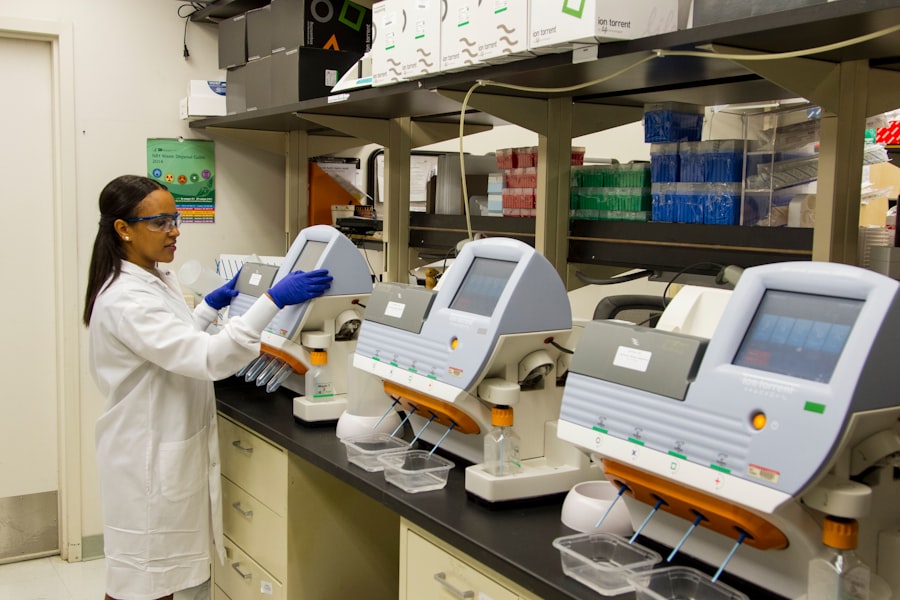
Signatera’s application extends beyond routine clinical practice; it holds significant promise in the realm of clinical trials. By incorporating ctDNA analysis into trial designs, researchers can gain valuable insights into treatment efficacy and patient stratification. The ability to monitor ctDNA levels can serve as an early endpoint for assessing drug effectiveness, potentially accelerating the development of new therapies.
Furthermore, Signatera can facilitate patient selection for clinical trials by identifying those most likely to benefit from experimental treatments based on their ctDNA profiles. This targeted approach not only enhances trial efficiency but also increases the likelihood of successful outcomes, ultimately advancing the field of oncology.
Signatera: A Game-Changer in Precision Medicine
The advent of Signatera represents a significant leap forward in precision medicine, particularly in oncology. By enabling personalized monitoring and treatment strategies based on individual tumor genetics, Signatera aligns with the core principles of precision medicine—tailoring interventions to optimize patient outcomes. This paradigm shift empowers healthcare providers to move away from one-size-fits-all approaches and embrace more individualized care pathways.
Moreover, Signatera’s integration into clinical practice has the potential to redefine standard care protocols for cancer patients. As more oncologists adopt this technology, it may lead to improved survival rates and quality of life for patients through enhanced monitoring and timely interventions.
The Future of Cancer Care: Integrating Signatera into Standard Practice
As the field of oncology continues to evolve, integrating Signatera into standard practice is poised to revolutionize cancer care. The growing body of evidence supporting its efficacy underscores the need for widespread adoption among healthcare providers. Educational initiatives aimed at oncologists and healthcare professionals will be essential in promoting awareness and understanding of this innovative tool.
Furthermore, collaboration between researchers, clinicians, and regulatory bodies will be crucial in establishing guidelines for the implementation of Signatera in routine practice. As more data emerges regarding its clinical utility and cost-effectiveness, it is likely that Signatera will become a staple in cancer management protocols across various malignancies.
Overcoming Challenges and Limitations of Signatera
Despite its numerous advantages, the implementation of Signatera is not without challenges. One significant limitation is the variability in ctDNA shedding among different tumor types and individual patients. Some tumors may release minimal amounts of ctDNA into circulation, potentially leading to false-negative results.
Additionally, factors such as tumor heterogeneity and clonal evolution can complicate interpretation. To address these challenges, ongoing research is essential to refine ctDNA detection methods and enhance sensitivity. Furthermore, establishing standardized protocols for sample collection and analysis will be critical in ensuring consistent results across diverse patient populations.
The Economic and Social Impact of Signatera in Cancer Management
The economic implications of integrating Signatera into cancer management are multifaceted. While initial costs associated with molecular testing may be higher than traditional monitoring methods, the potential for improved patient outcomes and reduced healthcare expenditures over time cannot be overlooked. Early detection and intervention can lead to decreased hospitalizations and lower overall treatment costs.
Socially, Signatera empowers patients by providing them with greater involvement in their care journey. The ability to monitor their disease status through non-invasive testing fosters a sense of agency and encourages proactive engagement in treatment decisions. This empowerment can lead to improved adherence to therapy and enhanced quality of life.
Empowering Patients with Signatera: The Benefits and Considerations
Signatera not only enhances clinical decision-making but also empowers patients by providing them with valuable information about their disease status. The ability to track ctDNA levels offers reassurance and clarity during uncertain times, allowing patients to feel more in control of their health journey. Moreover, this transparency fosters open communication between patients and healthcare providers, facilitating shared decision-making.
However, it is essential to consider potential psychological impacts associated with frequent monitoring.
Therefore, comprehensive support systems should be established to address these concerns and provide emotional guidance throughout the monitoring process.
In summary, Signatera represents a transformative advancement in personalized cancer care by enabling precise monitoring through ctDNA analysis. Its role in guiding treatment decisions, detecting recurrences early, and enhancing clinical trial efficiency underscores its significance in modern oncology. As we move towards integrating this innovative tool into standard practice, addressing challenges and fostering patient empowerment will be crucial for maximizing its benefits in cancer management.
If you’re a fan of Amazon’s streaming services like Amazon Prime Video, you may also be interested in learning about Signatera, a groundbreaking technology for detecting cancer. Check out this article to see how Signatera is revolutionizing the way we diagnose and treat cancer.
FAQs
What is Signatera?
Signatera is a personalized circulating tumor DNA (ctDNA) test developed by Natera, Inc. It is designed to detect and quantify ctDNA in the blood to provide information about a patient’s cancer status.
How does Signatera work?
Signatera works by analyzing the unique mutations in a patient’s tumor DNA. By identifying these specific mutations, Signatera can detect the presence of residual disease, recurrence, or monitor treatment response.
What is the purpose of Signatera?
The primary purpose of Signatera is to provide personalized information about a patient’s cancer status, including early detection of residual disease, monitoring for recurrence, and assessing treatment response.
Is Signatera FDA approved?
Yes, Signatera has received FDA approval as a laboratory-developed test (LDT) for use in cancer monitoring and recurrence detection.
What types of cancer can Signatera be used for?
Signatera can be used for a wide range of solid tumors, including colorectal, breast, lung, and bladder cancers, among others.
How is Signatera different from other cancer tests?
Signatera is unique in that it is personalized to each individual patient, based on the specific mutations present in their tumor DNA. This allows for highly sensitive and specific detection of residual disease and recurrence.