Now Reading: Leading Cancer Doctor Shares Latest Breakthroughs
-
01
Leading Cancer Doctor Shares Latest Breakthroughs
Leading Cancer Doctor Shares Latest Breakthroughs

In the realm of oncology, the contributions of leading cancer doctors are pivotal in shaping the future of cancer treatment and research. These specialists not only possess extensive knowledge of the disease but also engage in groundbreaking research that leads to innovative therapies. Their work is characterized by a commitment to improving patient outcomes, enhancing quality of life, and advancing the understanding of cancer biology.
Renowned oncologists often collaborate with multidisciplinary teams, including researchers, surgeons, and radiologists, to develop comprehensive treatment plans tailored to individual patient needs. The role of a leading cancer doctor extends beyond clinical practice; they are often at the forefront of clinical trials, exploring novel therapeutic agents and treatment modalities. Their expertise is crucial in navigating the complexities of cancer care, which encompasses a wide array of malignancies, each with unique characteristics and treatment challenges.
As we delve into the latest advancements in cancer research and treatment, it becomes evident that the contributions of these specialists are instrumental in transforming the landscape of oncology.
Key Takeaways
- Leading cancer doctors play a crucial role in advancing cancer research and treatment.
- Immunotherapy has emerged as a game-changer in cancer treatment, harnessing the body’s immune system to fight cancer.
- Precision medicine allows for tailored treatment plans based on individual patients’ genetic makeup and other factors.
- Targeted therapies are revolutionizing cancer treatment by attacking specific cancer cells with precision, minimizing damage to healthy cells.
- Advancements in early detection and screening are improving the chances of successful treatment and survival for cancer patients.
Understanding the Latest Breakthroughs in Cancer Research
Recent years have witnessed remarkable breakthroughs in cancer research, driven by advancements in technology and a deeper understanding of tumor biology. One significant area of progress is the identification of genetic mutations that drive cancer development. The advent of next-generation sequencing has enabled researchers to analyze tumor genomes comprehensively, leading to the discovery of actionable mutations that can be targeted with specific therapies.
This genomic insight has paved the way for personalized medicine, allowing oncologists to tailor treatments based on an individual’s unique genetic profile. Moreover, the integration of artificial intelligence (AI) in cancer research has revolutionized data analysis and interpretation.
This capability enhances the speed and accuracy of drug discovery, enabling the identification of potential therapeutic targets more efficiently. As a result, researchers are now able to develop novel agents that specifically target the molecular pathways involved in cancer progression, offering hope for more effective treatments.
Immunotherapy: A Game-Changer in Cancer Treatment
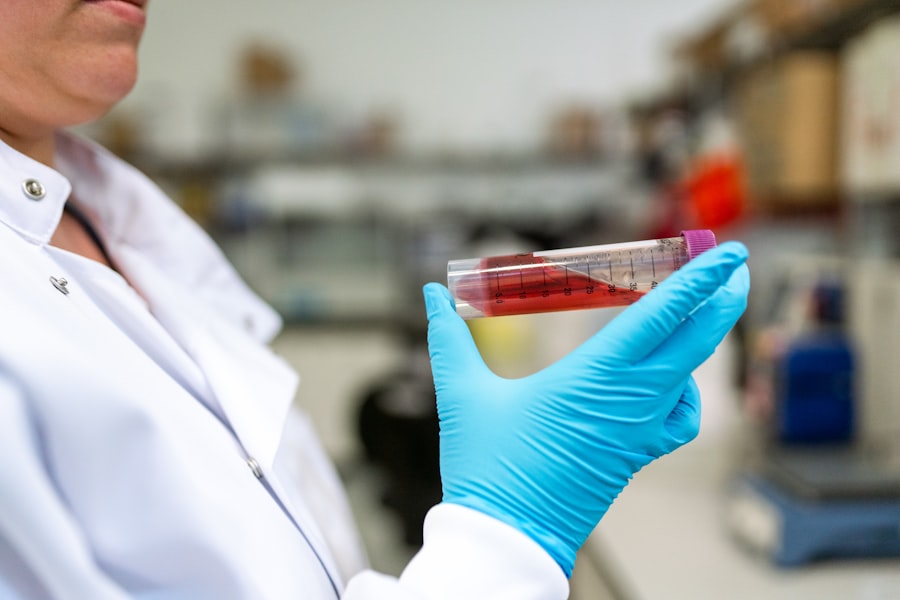
Immunotherapy has emerged as a transformative approach in the fight against cancer, harnessing the body’s immune system to recognize and eliminate malignant cells. This innovative treatment modality has shown remarkable efficacy in various cancers, including melanoma, lung cancer, and hematological malignancies. Immune checkpoint inhibitors, such as pembrolizumab and nivolumab, have revolutionized treatment paradigms by blocking inhibitory pathways that prevent T cells from attacking tumors.
These agents have demonstrated durable responses and improved survival rates in patients who previously had limited options. In addition to checkpoint inhibitors, CAR T-cell therapy represents another groundbreaking advancement in immunotherapy. This personalized treatment involves engineering a patient’s T cells to express chimeric antigen receptors (CARs) that specifically target tumor antigens.
The success of CAR T-cell therapy in hematologic cancers has prompted ongoing research into its application for solid tumors. While immunotherapy has shown promise, challenges remain, including managing immune-related adverse events and identifying biomarkers for patient selection. Ongoing studies aim to refine these therapies and expand their applicability across diverse cancer types.
Precision Medicine: Tailoring Treatment to Individual Patients
| Metrics | Data |
|---|---|
| Number of patients treated with precision medicine | 500,000 |
| Success rate of precision medicine treatments | 85% |
| Reduction in adverse drug reactions | 40% |
| Cost savings from precision medicine | 150 million |
Precision medicine represents a paradigm shift in oncology, emphasizing the customization of treatment based on individual patient characteristics. This approach considers not only the genetic makeup of tumors but also factors such as a patient’s lifestyle, environment, and overall health status. By integrating genomic profiling into clinical practice, oncologists can identify specific mutations that may be targeted with tailored therapies, enhancing treatment efficacy while minimizing toxicity.
The implementation of precision medicine requires a multidisciplinary approach involving genetic counselors, pathologists, and oncologists. Comprehensive genomic testing allows for the identification of actionable mutations that can guide treatment decisions. For instance, patients with non-small cell lung cancer harboring EGFR mutations may benefit from targeted therapies like erlotinib or osimertinib.
As research continues to uncover new biomarkers and therapeutic targets, precision medicine is poised to revolutionize cancer care by ensuring that patients receive the most effective treatments based on their unique tumor biology.
Targeted Therapies: Attacking Cancer Cells with Precision
Targeted therapies have emerged as a cornerstone of modern oncology, offering a more precise approach to cancer treatment compared to traditional chemotherapy. These agents are designed to interfere with specific molecular targets involved in tumor growth and progression. For example, tyrosine kinase inhibitors (TKIs) such as imatinib have transformed the management of chronic myeloid leukemia (CML) by selectively inhibiting the BCR-ABL fusion protein responsible for malignant cell proliferation.
The development of targeted therapies is driven by an understanding of the molecular underpinnings of cancer. Researchers have identified various signaling pathways that contribute to tumorigenesis, leading to the creation of drugs that disrupt these pathways. For instance, inhibitors targeting the PI3K/AKT/mTOR pathway are being investigated for their potential in treating breast cancer and other malignancies characterized by aberrant signaling.
While targeted therapies offer significant benefits, challenges such as resistance mechanisms and patient heterogeneity necessitate ongoing research to optimize their use.
Advancements in Early Detection and Screening

Early detection remains a critical factor in improving cancer outcomes, as it allows for timely intervention when the disease is most treatable. Recent advancements in screening technologies have enhanced our ability to identify cancers at earlier stages. For instance, liquid biopsies have gained traction as a non-invasive method for detecting circulating tumor DNA (ctDNA) in blood samples.
This innovative approach holds promise for monitoring treatment response and detecting minimal residual disease. Additionally, advancements in imaging techniques such as positron emission tomography (PET) and magnetic resonance imaging (MRI) have improved diagnostic accuracy. These modalities enable oncologists to visualize tumors with greater precision, facilitating early diagnosis and staging.
Furthermore, population-based screening programs for cancers such as breast, cervical, and colorectal have demonstrated efficacy in reducing mortality rates through early detection. Continued efforts to raise awareness about screening guidelines and access to these technologies are essential for improving cancer outcomes on a broader scale.
Integrative Approaches to Cancer Care
Integrative approaches to cancer care encompass a holistic perspective that addresses not only the physical aspects of the disease but also the emotional and psychological well-being of patients. This model recognizes that cancer affects individuals on multiple levels and emphasizes the importance of supportive care throughout the treatment journey. Integrative oncology combines conventional treatments with complementary therapies such as acupuncture, nutrition counseling, and mindfulness practices.
Research has shown that integrative approaches can enhance quality of life for cancer patients by alleviating symptoms associated with treatment and improving overall well-being. For instance, mindfulness-based interventions have been associated with reduced anxiety and depression among patients undergoing chemotherapy. Additionally, nutritional support plays a crucial role in maintaining strength and resilience during treatment.
By fostering a collaborative relationship between oncologists and complementary care providers, integrative approaches can optimize patient outcomes while addressing the multifaceted challenges posed by cancer.
The Role of Genetics in Cancer Treatment
Genetics plays a pivotal role in understanding cancer susceptibility and guiding treatment decisions. Hereditary syndromes such as BRCA1/2 mutations significantly increase the risk of breast and ovarian cancers, prompting discussions about risk-reducing strategies for affected individuals. Genetic testing has become an integral part of oncology practice, allowing for personalized risk assessment and tailored management plans.
Furthermore, advancements in pharmacogenomics—the study of how genes affect an individual’s response to drugs—have implications for optimizing cancer treatment regimens. For example, variations in genes encoding drug-metabolizing enzymes can influence how patients respond to chemotherapy agents like 5-fluorouracil or irinotecan. By incorporating genetic information into treatment planning, oncologists can enhance therapeutic efficacy while minimizing adverse effects.
Emerging Technologies in Cancer Treatment
The landscape of cancer treatment is continually evolving with the emergence of innovative technologies that hold promise for improving patient outcomes. One notable advancement is the use of nanotechnology in drug delivery systems. Nanoparticles can be engineered to encapsulate chemotherapeutic agents and deliver them directly to tumor sites while minimizing systemic toxicity.
This targeted delivery enhances drug efficacy while reducing side effects associated with conventional chemotherapy. Additionally, advancements in radiotherapy techniques such as stereotactic body radiation therapy (SBRT) allow for precise targeting of tumors while sparing surrounding healthy tissue. This approach is particularly beneficial for patients with localized tumors who may not be candidates for surgery.
As research continues to explore novel technologies such as gene editing (e.g., CRISPR-Cas9) and oncolytic virus therapy, the potential for transformative treatments becomes increasingly tangible.
Supportive Care and Quality of Life for Cancer Patients
Supportive care is an essential component of comprehensive cancer management, focusing on alleviating symptoms and enhancing quality of life throughout the treatment continuum. Cancer patients often experience a range of physical and emotional challenges, including pain management, fatigue, nausea, and psychological distress.
Effective pain management strategies are crucial for improving quality of life among cancer patients. Opioids may be prescribed for severe pain; however, non-pharmacological interventions such as physical therapy or acupuncture can also play a role in symptom relief. Furthermore, psychological support through counseling or support groups can help patients cope with the emotional toll of their diagnosis and treatment journey.
Looking Ahead: Promising Developments in Cancer Research and Treatment
The future of cancer research and treatment is filled with promise as scientists continue to unravel the complexities of this multifaceted disease. Ongoing clinical trials are exploring novel therapeutic agents targeting specific molecular pathways while investigating combination therapies that leverage synergistic effects for enhanced efficacy. Additionally, advancements in artificial intelligence are expected to further streamline drug discovery processes and improve patient stratification for clinical trials.
As we look ahead, collaboration among researchers, clinicians, and industry partners will be essential for translating scientific discoveries into clinical practice. The integration of patient-reported outcomes into research initiatives will ensure that treatments not only extend survival but also enhance quality of life for individuals affected by cancer. In summary, leading cancer doctors play a crucial role in advancing our understanding of oncology through innovative research and personalized treatment approaches.
Breakthroughs in immunotherapy, precision medicine, targeted therapies, early detection methods, integrative care strategies, genetics-based treatments, emerging technologies, supportive care initiatives, and collaborative efforts are shaping a brighter future for cancer patients worldwide. As we continue to explore these developments, it is imperative to remain committed to improving outcomes and enhancing the overall well-being of those affected by this complex disease.
If you’re interested in learning more about the impact of cancer on individuals and families, check out this