Now Reading: Understanding Stage 0 Breast Cancer
-
01
Understanding Stage 0 Breast Cancer
Understanding Stage 0 Breast Cancer
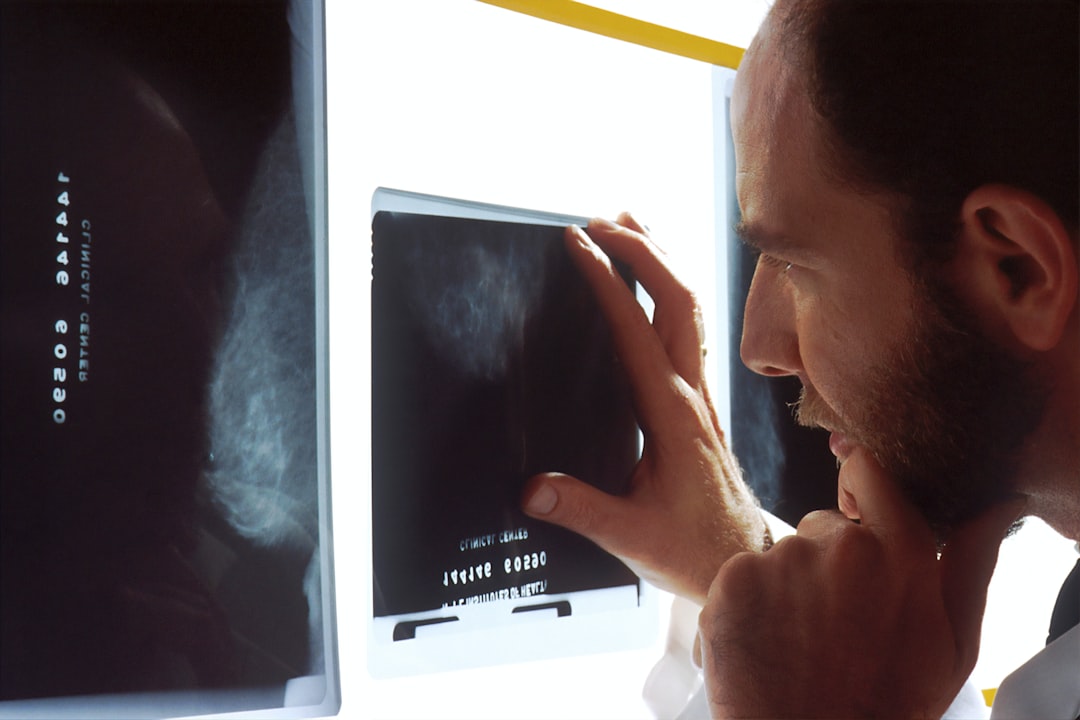
Stage 0 breast cancer, often referred to as “in situ” cancer, represents an early form of the disease where malignant cells are confined to the ducts or lobules of the breast tissue without invading surrounding tissues. This stage is primarily characterized by two types: Ductal Carcinoma In Situ (DCIS) and Lobular Carcinoma In Situ (LCIS). The term “in situ” translates to “in its original place,” indicating that the cancerous cells have not metastasized or spread beyond their initial location.
The significance of identifying Stage 0 breast cancer lies in its potential for successful treatment outcomes. With early detection, the prognosis is generally favorable, and many patients can achieve long-term survival. However, the psychological impact of a cancer diagnosis, even at this early stage, can be profound, necessitating a comprehensive approach to care that addresses both physical and emotional health.
Key Takeaways
- Stage 0 breast cancer refers to non-invasive breast cancer that has not spread beyond the ducts or lobules.
- Diagnosis of stage 0 breast cancer often involves mammograms, biopsies, and other imaging tests to determine the extent of the cancer.
- Treatment options for stage 0 breast cancer may include surgery, radiation therapy, hormone therapy, or active surveillance.
- Prognosis for stage 0 breast cancer is generally very good, with high survival rates and low risk of recurrence.
- Risk factors for stage 0 breast cancer may include age, family history, genetic mutations, and certain lifestyle factors.
Diagnosis of Stage 0 Breast Cancer
The diagnosis of Stage 0 breast cancer typically begins with routine screening mammograms, which can reveal abnormalities in breast tissue. If a suspicious area is detected, further diagnostic imaging such as ultrasound or MRI may be employed to gather more information. A definitive diagnosis is usually established through a biopsy, where a sample of breast tissue is extracted and examined histologically for the presence of cancerous cells.
Pathological evaluation plays a crucial role in determining whether the cancer is classified as DCIS or LCIS. In the case of DCIS, the biopsy will reveal abnormal cells within the ductal system, while LCIS indicates abnormal cell growth within the lobules. Immunohistochemical staining may also be utilized to assess hormone receptor status, which can influence treatment decisions.
Treatment Options for Stage 0 Breast Cancer

Treatment options for Stage 0 breast cancer are tailored to the individual patient and may include surgical intervention, radiation therapy, and in some cases, hormonal therapy. The primary surgical approach for DCIS is lumpectomy, where the tumor and a margin of surrounding healthy tissue are excised. This procedure is often followed by radiation therapy to reduce the risk of recurrence.
In certain instances, mastectomy may be recommended, particularly if there are multiple areas of DCIS or if the patient has a strong family history of breast cancer. For patients diagnosed with LCIS, treatment may differ as it is considered more of a marker for increased breast cancer risk rather than an actual cancer. Close monitoring through regular screenings is often recommended, and some patients may opt for preventive measures such as prophylactic mastectomy or hormonal therapy to lower their risk of developing invasive breast cancer in the future.
Prognosis and Survival Rates for Stage 0 Breast Cancer
| Prognosis and Survival Rates for Stage 0 Breast Cancer | |
|---|---|
| 5-year survival rate | Almost 100% |
| 10-year survival rate | Around 98% |
| Recurrence rate | Less than 5% |
| Treatment options | Lumpectomy, mastectomy, radiation therapy |
The prognosis for individuals diagnosed with Stage 0 breast cancer is generally excellent. Studies indicate that the five-year survival rate for patients with DCIS approaches 98%, reflecting the effectiveness of early detection and treatment strategies. The likelihood of recurrence varies based on factors such as tumor grade and hormone receptor status; however, with appropriate management, many patients can expect favorable long-term outcomes.
In contrast, LCIS does not carry the same immediate risk of progression to invasive cancer but signifies an increased likelihood of developing breast cancer in either breast over time. Regular surveillance and proactive management are essential components of care for individuals with LCIS to mitigate future risks.
Risk Factors for Stage 0 Breast Cancer
Several risk factors have been identified that may contribute to the development of Stage 0 breast cancer.
Other factors include age, with women over 50 being at higher risk, as well as personal or family history of breast cancer.
Lifestyle factors also play a role; obesity, sedentary behavior, alcohol consumption, and smoking have all been linked to an increased risk of breast cancer. Hormonal factors such as prolonged exposure to estrogen due to late menopause or early menarche can further elevate risk levels. Understanding these factors is crucial for implementing preventive strategies and promoting awareness among at-risk populations.
Understanding Ductal Carcinoma In Situ (DCIS)

Ductal Carcinoma In Situ (DCIS) is characterized by the presence of abnormal cells within the milk ducts of the breast without invasion into surrounding tissues. It is often detected through mammography as microcalcifications or masses. While DCIS is not considered life-threatening in its current state, it poses a risk for developing invasive breast cancer if left untreated.
The management of DCIS typically involves surgical options such as lumpectomy or mastectomy, often accompanied by radiation therapy to minimize recurrence rates. Hormonal therapy may also be indicated based on receptor status. The importance of patient education regarding DCIS cannot be overstated; understanding the nature of this condition empowers patients to make informed decisions about their treatment options.
Understanding Lobular Carcinoma In Situ (LCIS)
Lobular Carcinoma In Situ (LCIS) differs from DCIS in that it is not classified as a true breast cancer but rather a marker indicating an increased risk for developing invasive breast cancer in either breast. LCIS arises from lobules and is typically asymptomatic, often discovered incidentally during biopsies performed for other reasons. Management strategies for LCIS focus on surveillance and risk reduction.
Patients are usually advised to undergo regular clinical examinations and mammograms while discussing potential preventive measures such as chemoprevention with selective estrogen receptor modulators (SERMs) or prophylactic mastectomy in high-risk cases. The key to managing LCIS lies in understanding its implications and maintaining vigilant monitoring.
Screening and Prevention for Stage 0 Breast Cancer
Screening plays a pivotal role in the early detection of Stage 0 breast cancer. The American Cancer Society recommends annual mammograms starting at age 40 for women at average risk, with earlier screening for those with elevated risk factors. Clinical breast exams should also be part of routine health assessments.
Preventive strategies encompass lifestyle modifications aimed at reducing overall breast cancer risk. These include maintaining a healthy weight, engaging in regular physical activity, limiting alcohol intake, and avoiding tobacco use. Genetic counseling and testing may be beneficial for individuals with a family history of breast cancer, allowing for informed decisions regarding surveillance and preventive measures.
Emotional and Psychological Impact of Stage 0 Breast Cancer
Receiving a diagnosis of Stage 0 breast cancer can evoke a range of emotional responses, including fear, anxiety, and uncertainty about the future. Patients may grapple with feelings of vulnerability and concerns about their mortality despite the favorable prognosis associated with this stage. The psychological burden can be exacerbated by societal perceptions of cancer and its implications.
Support systems play a crucial role in helping individuals navigate these emotional challenges. Counseling services, support groups, and educational resources can provide valuable assistance in coping with the psychological impact of a cancer diagnosis. Encouraging open communication with healthcare providers about emotional well-being is essential for holistic care.
Support and Resources for Those with Stage 0 Breast Cancer
Numerous organizations offer support and resources tailored specifically for individuals diagnosed with Stage 0 breast cancer. The American Cancer Society provides comprehensive information on treatment options, support groups, and financial assistance programs. Local hospitals often have dedicated oncology social workers who can assist patients in accessing resources.
Online platforms also serve as valuable tools for connecting patients with others facing similar challenges. Websites such as Breastcancer.org offer forums where individuals can share experiences and seek advice from peers who understand their journey. Engaging with these resources fosters a sense of community and empowerment during a challenging time.
Research and Advances in Stage 0 Breast Cancer Treatment
Ongoing research into Stage 0 breast cancer continues to yield promising advancements in treatment options and patient outcomes. Clinical trials are exploring novel therapies aimed at reducing recurrence rates and improving quality of life for patients diagnosed with DCIS and LCIS. Investigations into targeted therapies based on genetic profiling are also underway, potentially leading to more personalized treatment approaches.
Additionally, studies examining the long-term effects of various treatment modalities are crucial for understanding the best practices in managing Stage 0 breast cancer. As research progresses, it holds the potential to refine existing protocols and enhance patient care through innovative strategies. In summary, Stage 0 breast cancer represents an early form of the disease that offers excellent prognostic outcomes when detected promptly.
Understanding its diagnosis, treatment options, risk factors, and emotional impact is essential for effective management. Ongoing research continues to advance our knowledge and improve therapeutic approaches, ultimately enhancing patient care and quality of life for those affected by this condition.
Stage 0 breast cancer, also known as ductal carcinoma in situ (DCIS), is a non-invasive form of breast cancer where abnormal cells are found in the lining of a breast duct but have not spread outside the duct. It is considered the earliest stage of breast cancer and is highly treatable with a very high survival rate. For more information on breast cancer awareness and prevention, check out this informative article on Federal Holidays in August: A Guide.
FAQs
What is stage 0 breast cancer?
Stage 0 breast cancer, also known as carcinoma in situ, refers to abnormal cells that are found in the lining of a breast duct. These abnormal cells have not spread outside the duct and are considered non-invasive.
How is stage 0 breast cancer diagnosed?
Stage 0 breast cancer is often diagnosed through a mammogram, which can detect the presence of abnormal cells in the breast tissue. A biopsy is then performed to confirm the diagnosis.
What are the treatment options for stage 0 breast cancer?
Treatment options for stage 0 breast cancer may include surgery to remove the abnormal cells, such as a lumpectomy or mastectomy. Other treatments, such as radiation therapy or hormone therapy, may also be recommended depending on the individual case.
What is the prognosis for stage 0 breast cancer?
The prognosis for stage 0 breast cancer is generally very good, as the abnormal cells have not spread beyond the ducts. With appropriate treatment, the likelihood of a full recovery is high.
Can stage 0 breast cancer progress to a more advanced stage?
In some cases, if left untreated, stage 0 breast cancer can progress to a more advanced stage. It is important for individuals diagnosed with stage 0 breast cancer to follow their doctor’s recommended treatment plan to prevent progression.