Now Reading: Understanding Clear Cell Renal Cell Carcinoma
-
01
Understanding Clear Cell Renal Cell Carcinoma
Understanding Clear Cell Renal Cell Carcinoma
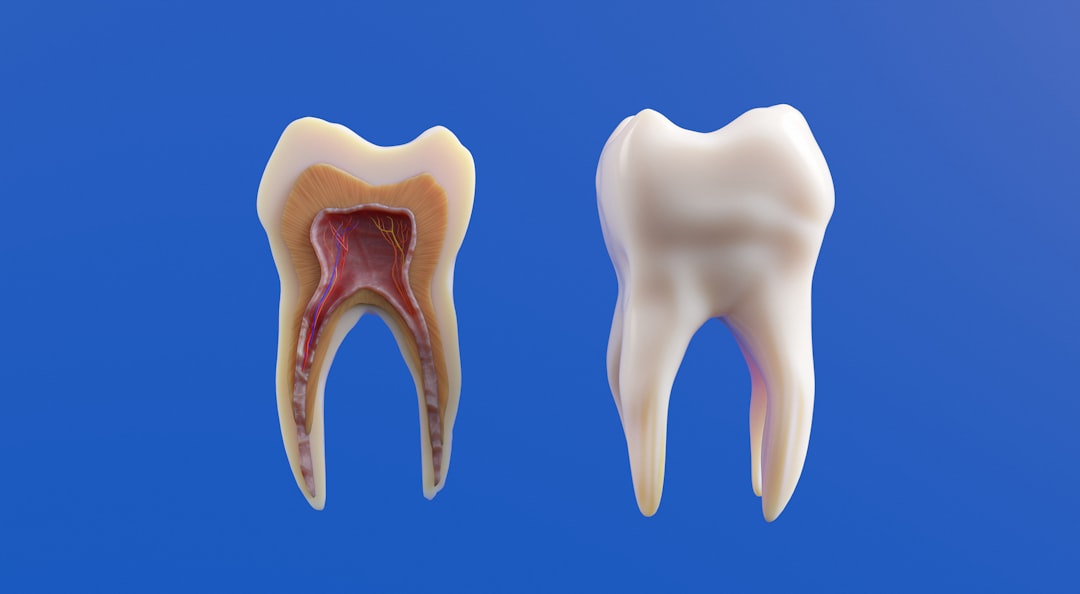
Clear Cell Renal Cell Carcinoma (ccRCC) is the most prevalent subtype of renal cell carcinoma, accounting for approximately 70-80% of all kidney cancer cases. This malignancy originates in the renal tubules, which are responsible for filtering blood and producing urine. Characterized by the presence of clear cells, which are filled with glycogen and lipids, this tumor type exhibits a distinct histological appearance under microscopic examination.
The neoplasm typically arises in the cortex of the kidney and can vary significantly in size, ranging from small lesions to large masses that may invade surrounding tissues. The pathophysiology of ccRCC is complex and involves various genetic mutations and epigenetic alterations. The most notable genetic alteration associated with ccRCC is the loss of the short arm of chromosome 3, which harbors the von Hippel-Lindau (VHL) tumor suppressor gene.
This gene plays a crucial role in regulating cellular responses to hypoxia and angiogenesis. When VHL is mutated or inactivated, it leads to the overproduction of vascular endothelial growth factor (VEGF), promoting tumor growth and metastasis. Understanding these underlying mechanisms is essential for developing targeted therapies and improving patient outcomes.
Key Takeaways
- Clear Cell Renal Cell Carcinoma is the most common type of kidney cancer, accounting for about 70-80% of cases.
- Causes and risk factors for Clear Cell Renal Cell Carcinoma include smoking, obesity, high blood pressure, and family history of the disease.
- Symptoms of Clear Cell Renal Cell Carcinoma may include blood in the urine, back pain, weight loss, and fatigue. Diagnosis is typically made through imaging tests and biopsy.
- Stages of Clear Cell Renal Cell Carcinoma range from I to IV, with higher stages indicating more advanced disease. Prognosis varies depending on the stage and other factors.
- Treatment options for Clear Cell Renal Cell Carcinoma include surgery, targeted therapy, immunotherapy, and participation in clinical trials. Supportive care is also important for managing symptoms and side effects.
Causes and Risk Factors of Clear Cell Renal Cell Carcinoma
The etiology of clear cell renal cell carcinoma is multifactorial, with several established risk factors contributing to its development. Smoking is one of the most significant modifiable risk factors, as it has been linked to an increased incidence of renal malignancies. Studies indicate that smokers have a 50% higher risk of developing kidney cancer compared to non-smokers.
Additionally, obesity is another critical risk factor; individuals with a body mass index (BMI) greater than 30 are at a heightened risk due to the associated metabolic changes that promote tumorigenesis. Other non-modifiable risk factors include age, gender, and family history. ccRCC predominantly affects older adults, with the majority of diagnoses occurring between the ages of 50 and 70.
Males are also more likely to develop this cancer than females, with a male-to-female ratio of approximately 2:1. Genetic predispositions, such as hereditary syndromes like von Hippel-Lindau disease and hereditary leiomyomatosis and renal cell cancer (HLRCC), further increase susceptibility to ccRCUnderstanding these risk factors is crucial for early detection and prevention strategies.
Symptoms and Diagnosis of Clear Cell Renal Cell Carcinoma

The clinical presentation of clear cell renal cell carcinoma can be insidious, often leading to late-stage diagnosis.
Patients may also experience systemic symptoms such as unexplained weight loss, fatigue, and fever. These manifestations can be nonspecific, making early detection challenging. Diagnosis typically involves a combination of imaging studies and histopathological evaluation.
Initial imaging modalities include ultrasound, computed tomography (CT), or magnetic resonance imaging (MRI), which help visualize renal masses and assess for metastasis. A definitive diagnosis is achieved through a biopsy, where tissue samples are examined microscopically for characteristic clear cells and other histological features. Immunohistochemical staining can further aid in confirming the diagnosis by identifying specific markers associated with ccRCC.
Stages and Prognosis of Clear Cell Renal Cell Carcinoma
| Stage | Prognosis |
|---|---|
| Stage I | Localized tumor, excellent prognosis |
| Stage II | Tumor extends into nearby tissues or blood vessels, good prognosis |
| Stage III | Tumor spreads to nearby lymph nodes or other organs, fair prognosis |
| Stage IV | Tumor spreads to distant organs, poor prognosis |
Clear cell renal cell carcinoma is staged according to the TNM classification system, which evaluates tumor size (T), lymph node involvement (N), and distant metastasis (M). The stages range from Stage I, where the tumor is confined to the kidney, to Stage IV, where there is extensive local invasion or distant spread to organs such as the lungs or bones. The prognosis varies significantly based on the stage at diagnosis; early-stage ccRCC has a favorable prognosis with a five-year survival rate exceeding 90%, while advanced stages have considerably lower survival rates.
Several prognostic factors influence outcomes in ccRCC patients. These include tumor grade, performance status, and the presence of metastases at diagnosis. The Fuhrman grading system classifies tumors based on nuclear characteristics, with higher grades correlating with poorer prognoses.
Additionally, molecular markers such as the expression of PD-L1 and mutations in the VHL gene can provide insights into disease behavior and treatment responses.
Treatment Options for Clear Cell Renal Cell Carcinoma
The management of clear cell renal cell carcinoma is tailored to individual patient characteristics, including tumor stage, grade, and overall health status. Surgical intervention remains the cornerstone of treatment for localized disease. For patients with localized tumors, nephrectomy—either partial or radical—offers the best chance for cure.
In cases where surgery is not feasible due to comorbidities or advanced disease, systemic therapies become essential. Systemic treatment options include targeted therapies and immunotherapies that have revolutionized the management of advanced ccRCTargeted agents focus on specific molecular pathways involved in tumor growth and angiogenesis, while immunotherapies harness the body’s immune system to combat cancer cells. The choice of therapy depends on various factors, including prior treatments and patient preferences.
Surgical Interventions for Clear Cell Renal Cell Carcinoma
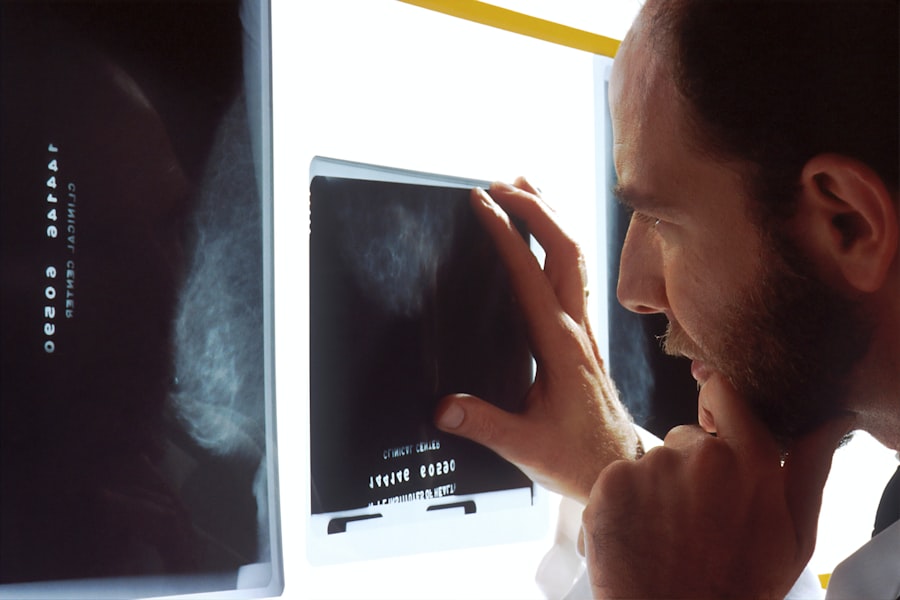
Surgical interventions for clear cell renal cell carcinoma primarily involve nephrectomy procedures aimed at removing the tumor while preserving as much healthy kidney tissue as possible. Partial nephrectomy is often preferred for smaller tumors (typically less than 4 cm) located in a favorable position within the kidney. This approach minimizes loss of renal function while effectively excising malignant tissue.
In cases where tumors are larger or have invaded surrounding structures, radical nephrectomy may be necessary. This procedure entails complete removal of the affected kidney along with surrounding fat and lymph nodes. Advances in minimally invasive techniques, such as laparoscopic nephrectomy, have improved recovery times and reduced postoperative complications compared to traditional open surgery.
Postoperative monitoring is crucial to detect any recurrence or complications early.
Targeted Therapy for Clear Cell Renal Cell Carcinoma
Targeted therapy has emerged as a pivotal component in the treatment landscape for advanced clear cell renal cell carcinoma. These agents specifically inhibit pathways critical for tumor growth and angiogenesis. Notable examples include tyrosine kinase inhibitors (TKIs) such as sunitinib, pazopanib, and axitinib, which target VEGF receptors and other signaling pathways involved in tumor proliferation.
Sunitinib was one of the first TKIs approved for ccRCC and has demonstrated significant efficacy in prolonging progression-free survival compared to traditional therapies. Pazopanib offers similar benefits with a favorable side effect profile, making it a preferred option for many patients. Axitinib has shown promise as a second-line treatment following failure of initial TKI therapy.
Understanding the molecular profile of tumors can guide clinicians in selecting appropriate targeted therapies tailored to individual patient needs.
Immunotherapy for Clear Cell Renal Cell Carcinoma
Immunotherapy represents a groundbreaking advancement in the treatment of clear cell renal cell carcinoma by leveraging the body’s immune system to recognize and destroy cancer cells. Immune checkpoint inhibitors such as nivolumab and pembrolizumab have gained prominence in recent years due to their ability to enhance T-cell responses against tumors. Nivolumab, an anti-PD-1 antibody, has shown remarkable efficacy in patients with advanced ccRCC who have previously undergone systemic therapy.
Clinical trials have demonstrated improved overall survival rates compared to traditional treatments. Pembrolizumab functions similarly by blocking PD-1 interactions, thereby reinvigorating exhausted T-cells to mount an effective immune response against cancer cells. Combination therapies involving immunotherapy and targeted agents are currently being explored in clinical trials to optimize treatment outcomes further.
Clinical Trials for Clear Cell Renal Cell Carcinoma
Clinical trials play a crucial role in advancing our understanding of clear cell renal cell carcinoma and developing novel therapeutic strategies. These studies evaluate new drugs, combinations of existing therapies, or innovative treatment approaches aimed at improving patient outcomes. Participation in clinical trials offers patients access to cutting-edge treatments that may not yet be available through standard care.
Ongoing trials are investigating various aspects of ccRCC management, including novel immunotherapeutic agents, combination regimens involving targeted therapies and immunotherapy, and personalized medicine approaches based on genetic profiling. Patients interested in participating in clinical trials should consult their healthcare providers to explore available options that align with their treatment goals.
Supportive Care for Clear Cell Renal Cell Carcinoma Patients
Supportive care is an integral component of managing clear cell renal cell carcinoma patients throughout their treatment journey. This multidisciplinary approach addresses not only physical symptoms but also emotional and psychological well-being. Palliative care services can help manage pain, nausea, fatigue, and other side effects associated with both the disease and its treatments.
Nutritional support is also vital for maintaining strength and overall health during treatment. Dietitians can provide tailored dietary plans that meet individual needs while considering any treatment-related side effects such as loss of appetite or gastrointestinal disturbances. Additionally, psychological support through counseling or support groups can help patients cope with the emotional challenges posed by a cancer diagnosis.
Living with Clear Cell Renal Cell Carcinoma: Coping and Lifestyle Changes
Living with clear cell renal cell carcinoma necessitates significant lifestyle adjustments to promote overall well-being and enhance quality of life during treatment and beyond.
Regular follow-up appointments are essential for monitoring disease progression and managing any long-term effects of treatment.
Engaging in open communication with healthcare providers fosters a collaborative approach to care that empowers patients to take an active role in their health management. Support from family members and friends can also play a crucial role in providing emotional support during this challenging journey. In summary, clear cell renal cell carcinoma represents a complex malignancy requiring a multifaceted approach to diagnosis, treatment, and supportive care.
Understanding its causes, symptoms, staging, and available therapies empowers patients and healthcare providers alike to navigate this challenging disease effectively. With ongoing advancements in targeted therapies and immunotherapies, there is hope for improved outcomes for individuals affected by this condition.
If you are looking for more information on clear cell renal cell carcinoma, you may be interested in reading this article about how one individual generated $2000 in their first month with the Amazon Influencer Program. Understanding different ways to generate income can be helpful when dealing with the financial burden of medical treatments.
FAQs
What is clear cell renal cell carcinoma?
Clear cell renal cell carcinoma (RCC) is the most common type of kidney cancer in adults, accounting for approximately 70-80% of all cases. It is characterized by clear cells when viewed under a microscope.
What are the symptoms of clear cell renal cell carcinoma?
Symptoms of clear cell renal cell carcinoma may include blood in the urine, back pain just below the ribs, a mass or lump in the abdomen, fatigue, unexplained weight loss, and fever.
What are the risk factors for clear cell renal cell carcinoma?
Risk factors for clear cell renal cell carcinoma include smoking, obesity, high blood pressure, family history of kidney cancer, and certain genetic conditions such as von Hippel-Lindau disease.
How is clear cell renal cell carcinoma diagnosed?
Clear cell renal cell carcinoma is typically diagnosed through imaging tests such as CT scans, MRIs, and ultrasounds, as well as through a biopsy to examine the cells under a microscope.
What are the treatment options for clear cell renal cell carcinoma?
Treatment options for clear cell renal cell carcinoma may include surgery to remove the tumor and surrounding tissue, targeted therapy, immunotherapy, radiation therapy, and in some cases, chemotherapy.
What is the prognosis for clear cell renal cell carcinoma?
The prognosis for clear cell renal cell carcinoma depends on the stage at which it is diagnosed, with earlier stages having a better prognosis. The 5-year survival rate for localized clear cell renal cell carcinoma is around 93%, while the rate for advanced or metastatic disease is lower.