Now Reading: Understanding Carcinoma in Situ: What You Need to Know
-
01
Understanding Carcinoma in Situ: What You Need to Know
Understanding Carcinoma in Situ: What You Need to Know
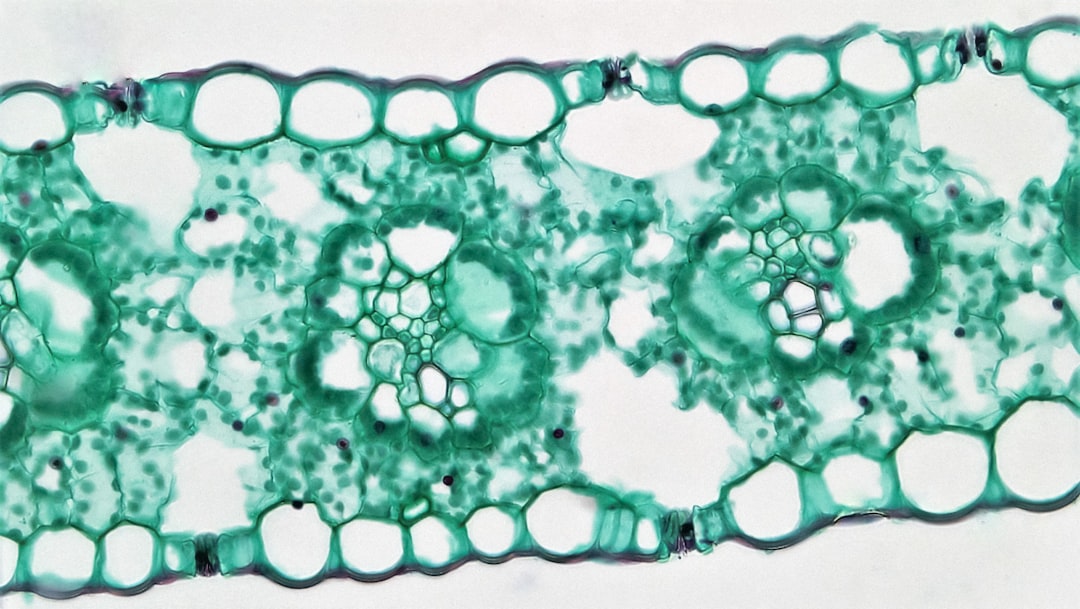
Carcinoma in situ (CIS) is a term used to describe a group of abnormal cells that have not yet invaded surrounding tissues. These cells are confined to their original location, which means they have not metastasized or spread to other parts of the body. CIS is often considered an early form of cancer, and while it is not invasive, it has the potential to develop into invasive cancer if left untreated.
The term “in situ” translates to “in its original place,” highlighting the localized nature of this condition.
The identification of carcinoma in situ is crucial because it allows for early intervention, which can significantly improve patient outcomes.
The prognosis for individuals diagnosed with CIS is generally favorable, especially when detected early. However, the risk of progression to invasive cancer necessitates careful monitoring and appropriate treatment strategies.
Key Takeaways
- Carcinoma in situ refers to abnormal cells that are present only in the layer of cells where they first developed, without spreading to nearby tissues.
- Types of carcinoma in situ include cervical, breast, lung, and bladder carcinoma, among others, each with its own unique characteristics and treatment approaches.
- Causes and risk factors for carcinoma in situ may include genetic predisposition, exposure to carcinogens, and certain viral infections.
- Symptoms of carcinoma in situ may not always be present, and diagnosis often involves screening tests and biopsies to confirm the presence of abnormal cells.
- Treatment options for carcinoma in situ may include surgery, radiation therapy, and medication, with a high likelihood of successful outcomes if detected and treated early.
Types of Carcinoma in Situ
There are several types of carcinoma in situ, each associated with specific organs and varying degrees of risk for progression to invasive cancer. One of the most well-known forms is ductal carcinoma in situ (DCIS), which occurs in the breast ducts. DCIS is characterized by the presence of abnormal cells within the ductal system but without invasion into surrounding breast tissue.
It is often detected through mammography and is considered a precursor to invasive breast cancer. Another significant type is cervical carcinoma in situ (CIN), which affects the cervix. CIN is classified into three grades based on the severity of cellular abnormalities, with CIN 3 being the most severe and having the highest risk of progression to invasive cervical cancer.
Additionally, there is squamous cell carcinoma in situ, which can occur on the skin or mucous membranes, and is often associated with sun exposure or human papillomavirus (HPV) infection.
Causes and Risk Factors
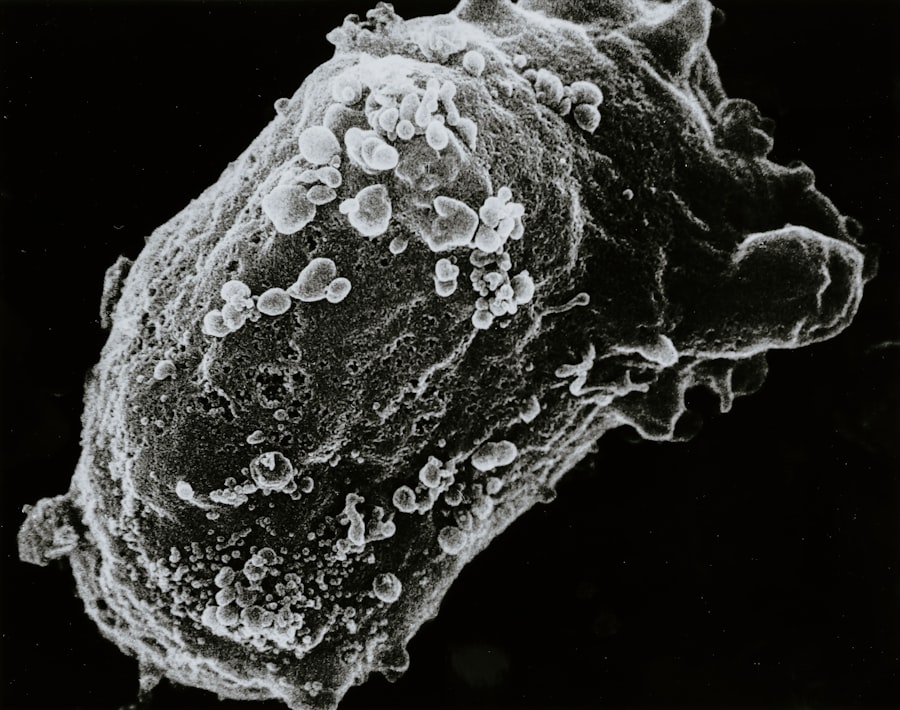
The etiology of carcinoma in situ is multifactorial, involving a combination of genetic, environmental, and lifestyle factors. Genetic predispositions play a significant role; for instance, mutations in tumor suppressor genes such as BRCA1 and BRCA2 are linked to an increased risk of breast and ovarian cancers. Environmental factors, including exposure to carcinogens like tobacco smoke and ultraviolet radiation, can also contribute to the development of CIS.
Certain lifestyle choices further exacerbate the risk. For example, a diet high in processed foods and low in fruits and vegetables may increase susceptibility to various cancers. Additionally, obesity has been identified as a significant risk factor for several types of carcinoma in situ, particularly breast and endometrial cancers.
Understanding these risk factors is essential for developing effective prevention strategies.
Symptoms and Diagnosis
| Symptoms | Diagnosis |
|---|---|
| Fever | Physical examination and medical history |
| Cough | Chest X-ray and blood tests |
| Shortness of breath | Pulmonary function tests and CT scan |
| Fatigue | Electrocardiogram and echocardiogram |
Carcinoma in situ often presents with few or no symptoms, making early detection challenging. In cases like DCIS, patients may notice changes in breast appearance or feel lumps during self-examinations; however, many cases are asymptomatic and discovered incidentally during routine screenings. Similarly, cervical carcinoma in situ may not produce noticeable symptoms until it progresses to invasive disease.
Diagnosis typically involves a combination of imaging studies and histopathological examination. For breast CIS, mammography plays a pivotal role in identifying microcalcifications that may indicate DCIS. A biopsy is then performed to confirm the diagnosis and assess the extent of cellular abnormalities.
In the case of cervical CIS, Pap smears are instrumental in detecting abnormal cells, followed by colposcopy and biopsy for definitive diagnosis.
Treatment Options
The treatment approach for carcinoma in situ varies depending on the type and location of the condition, as well as individual patient factors. For ductal carcinoma in situ (DCIS), treatment options may include lumpectomy (removal of the tumor along with a margin of healthy tissue) followed by radiation therapy to reduce recurrence risk. In some cases, mastectomy may be recommended if there are multiple areas of DCIS or if the patient has a high risk of developing invasive cancer.
Cervical carcinoma in situ (CIN) is typically managed through excisional procedures such as loop electrosurgical excision procedure (LEEP) or cone biopsy, which remove abnormal tissue while preserving healthy cervical tissue. Regular follow-up with Pap smears is essential to monitor for any recurrence or new abnormalities.
Prognosis and Outlook
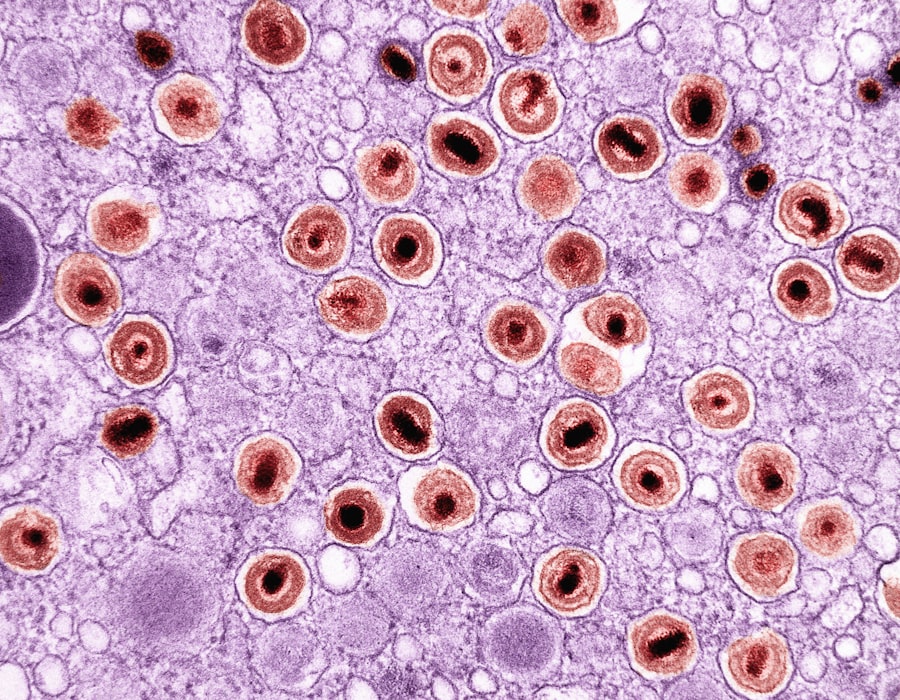
The prognosis for patients diagnosed with carcinoma in situ is generally favorable, particularly when detected early and treated appropriately.
Similarly, cervical carcinoma in situ has an excellent prognosis when treated promptly, with nearly all patients achieving long-term survival.
However, it is important to note that while CIS itself is not life-threatening, it serves as a marker for increased risk of developing invasive cancer in the future. Therefore, ongoing surveillance and adherence to follow-up care are critical components of post-treatment management.
Importance of Early Detection
Early detection of carcinoma in situ is paramount for improving patient outcomes and reducing mortality rates associated with invasive cancers. Regular screening programs such as mammograms for breast cancer and Pap smears for cervical cancer have been shown to significantly decrease the incidence of advanced disease by identifying precancerous lesions before they progress. Public health initiatives aimed at raising awareness about the importance of routine screenings can empower individuals to take charge of their health.
Education about self-examinations and recognizing potential warning signs can also facilitate earlier diagnosis and treatment.
Lifestyle Changes and Prevention
Preventive measures play a crucial role in reducing the risk of developing carcinoma in situ and subsequent invasive cancers. Adopting a healthy lifestyle that includes a balanced diet rich in fruits, vegetables, whole grains, and lean proteins can bolster overall health and reduce cancer risk. Regular physical activity has also been linked to lower cancer incidence.
Avoiding known carcinogens such as tobacco products and excessive sun exposure is essential for prevention. Vaccination against human papillomavirus (HPV) can significantly reduce the risk of cervical carcinoma in situ and subsequent cervical cancer. Additionally, maintaining a healthy weight through diet and exercise can mitigate risks associated with obesity-related cancers.
Support and Resources for Patients
Navigating a diagnosis of carcinoma in situ can be overwhelming for patients and their families. Support networks play a vital role in providing emotional assistance and practical resources during this challenging time. Organizations such as the American Cancer Society offer comprehensive information on treatment options, support groups, and counseling services tailored to individuals facing cancer diagnoses.
Online resources provide access to educational materials about carcinoma in situ, treatment options, and coping strategies. Connecting with healthcare professionals who specialize in oncology can also help patients make informed decisions about their care.
Impact on Mental Health
A diagnosis of carcinoma in situ can have profound psychological effects on patients. Feelings of anxiety, fear, and uncertainty about the future are common reactions to such news. The potential for progression to invasive cancer can exacerbate these emotions, leading to increased stress levels.
Mental health support is crucial for individuals facing this diagnosis. Counseling services, support groups, and mindfulness practices can help patients cope with their feelings and develop resilience during treatment. Open communication with healthcare providers about mental health concerns can also facilitate access to appropriate resources.
Research and Future Developments
Ongoing research into carcinoma in situ aims to enhance understanding of its biology, improve diagnostic techniques, and develop more effective treatment options. Advances in molecular profiling are paving the way for personalized medicine approaches that tailor treatment based on individual genetic profiles. Clinical trials are exploring novel therapies that may reduce recurrence rates or prevent progression to invasive disease.
Additionally, studies investigating lifestyle interventions and their impact on cancer prevention continue to provide valuable insights into effective strategies for reducing risk. In conclusion, carcinoma in situ represents an important area within oncology that requires attention due to its potential progression to invasive cancer if left untreated. Early detection through regular screenings significantly improves prognosis and survival rates.
By understanding risk factors, adopting preventive measures, and seeking support resources, individuals can take proactive steps toward managing their health effectively. Ongoing research holds promise for future advancements that will further enhance patient care and outcomes in this field.
Carcinoma in situ is a type of cancer that is confined to the original site and has not spread to surrounding tissues. It is often considered a precursor to invasive cancer. For more information on the importance of early detection and treatment of carcinoma in situ, check out this article on planning for Memorial Day: how to honor and remember. This article discusses the significance of honoring and remembering loved ones who have passed away, highlighting the importance of early intervention and prevention in the fight against cancer.
FAQs
What is carcinoma in situ?
Carcinoma in situ refers to a group of abnormal cells that are found in the outermost layer of an organ, such as the skin or the lining of the cervix. These abnormal cells have not spread beyond the original site and are considered to be a pre-cancerous condition.
What causes carcinoma in situ?
The exact cause of carcinoma in situ is not fully understood, but it is believed to be related to genetic mutations and environmental factors such as exposure to carcinogens, UV radiation, or certain viruses.
What are the symptoms of carcinoma in situ?
Carcinoma in situ may not cause any symptoms, especially in the early stages. However, as the abnormal cells grow and multiply, they may cause changes in the appearance or function of the affected organ. For example, skin carcinoma in situ may appear as a scaly or crusty growth, while cervical carcinoma in situ may cause abnormal bleeding or discharge.
How is carcinoma in situ diagnosed?
Carcinoma in situ is often diagnosed through routine screening tests, such as Pap smears for cervical carcinoma in situ or skin biopsies for skin carcinoma in situ. These tests can detect abnormal cells before they develop into invasive cancer.
What are the treatment options for carcinoma in situ?
The treatment for carcinoma in situ depends on the location and extent of the abnormal cells. Options may include surgical removal, cryotherapy, laser therapy, or topical medications. In some cases, close monitoring may be recommended to watch for any changes in the abnormal cells.
Is carcinoma in situ considered cancer?
Carcinoma in situ is considered a pre-cancerous condition, as the abnormal cells have not yet invaded nearby tissues or spread to other parts of the body. However, if left untreated, carcinoma in situ can progress to invasive cancer over time.