Now Reading: Nasal Cancer: Symptoms, Treatment, and Prognosis
-
01
Nasal Cancer: Symptoms, Treatment, and Prognosis
Nasal Cancer: Symptoms, Treatment, and Prognosis

Nasal cancer, a rare malignancy, primarily affects the nasal cavity and paranasal sinuses. This type of cancer can arise from various cell types within the nasal epithelium, including squamous cells, adenocarcinoma cells, and others. The etiology of nasal cancer is multifactorial, with significant associations linked to environmental exposures, particularly occupational hazards such as wood dust, formaldehyde, and certain chemicals.
Additionally, viral infections, notably human papillomavirus (HPV), have been implicated in the pathogenesis of some nasal malignancies. The incidence of nasal cancer is relatively low compared to other cancers, with an estimated annual occurrence of approximately 0.5 to 1 case per 100,000 individuals. However, its impact on quality of life can be profound due to the anatomical and functional significance of the nasal structures involved.
Early detection is crucial for improving outcomes, as advanced stages of the disease can lead to extensive local invasion and metastasis.
Key Takeaways
- Nasal cancer is a rare type of cancer that affects the nasal cavity and paranasal sinuses.
- Common symptoms of nasal cancer include nasal congestion, nosebleeds, facial pain, and changes in sense of smell.
- Diagnosing nasal cancer involves a physical examination, imaging tests, and a biopsy to confirm the presence of cancer cells.
- Treatment options for nasal cancer may include surgery, radiation therapy, chemotherapy, and immunotherapy, either alone or in combination.
- Prognosis and survival rates for nasal cancer vary depending on the stage of the cancer at diagnosis, with early detection leading to better outcomes.
Common Symptoms of Nasal Cancer
Symptoms of Nasal Cancer
One of the primary indicators of nasal cancer is persistent nasal congestion, which may be limited to one side of the nose and accompanied by nasal discharge that can be cloudy or bloody. Furthermore, patients may experience facial pain or pressure, particularly in the areas surrounding the sinuses.
Exacerbating Factors and Additional Symptoms
This discomfort can often be intensified by changes in head position or during physical activity. Other common symptoms include changes in smell (hyposmia or anosmia), which can significantly affect a patient’s quality of life.
Advanced Symptoms and Systemic Effects
In advanced cases, patients may also report swelling or deformity of the face, particularly around the eyes or cheeks, due to local tumor growth. Furthermore, systemic symptoms such as unexplained weight loss and fatigue may occur as the disease progresses.
Diagnosing Nasal Cancer

The diagnostic process for nasal cancer typically begins with a thorough clinical evaluation, including a detailed medical history and physical examination. An otolaryngologist (ear, nose, and throat specialist) often performs a nasopharyngoscopy to visualize the nasal cavity and assess for any suspicious lesions. Biopsy remains the gold standard for definitive diagnosis; tissue samples can be obtained through various methods, including endoscopic biopsy or excisional biopsy.
Imaging studies play a crucial role in staging and assessing the extent of disease. Computed tomography (CT) scans are commonly utilized to evaluate the local spread of the tumor and involvement of adjacent structures. Magnetic resonance imaging (MRI) may also be employed to provide detailed information about soft tissue involvement and to assess for potential metastasis to regional lymph nodes.
Treatment Options for Nasal Cancer
| Treatment Option | Description |
|---|---|
| Surgery | Removal of the tumor and surrounding tissue |
| Radiation Therapy | Using high-energy rays to kill cancer cells |
| Chemotherapy | Using drugs to kill cancer cells |
| Targeted Therapy | Using drugs to target specific molecules involved in cancer growth |
| Immunotherapy | Stimulating the immune system to fight cancer |
The treatment approach for nasal cancer is multifaceted and tailored to the individual patient based on tumor type, stage, and overall health status. A multidisciplinary team typically collaborates to devise an optimal treatment plan that may include surgery, radiation therapy, chemotherapy, or a combination thereof. The primary goal is to achieve complete tumor resection while preserving as much normal tissue as possible.
In early-stage nasal cancers, surgical intervention is often the first line of treatment. However, for more advanced cases or those with significant local invasion, adjuvant therapies such as radiation or chemotherapy may be indicated to enhance treatment efficacy and reduce recurrence rates. The choice of therapy is influenced by factors such as tumor histology and patient preferences.
Surgery for Nasal Cancer
Surgical resection is a cornerstone in the management of nasal cancer, particularly for localized tumors. The type of surgical procedure performed depends on the tumor’s size and location within the nasal cavity or paranasal sinuses. Endoscopic techniques are increasingly utilized for smaller tumors due to their minimally invasive nature and reduced recovery times.
In cases where tumors are larger or involve critical structures such as the orbit or skull base, more extensive surgical approaches may be necessary. These procedures can include craniofacial resection or maxillectomy, which may require reconstruction using free tissue transfer techniques to restore both function and aesthetics postoperatively. The surgical team must carefully consider potential complications such as bleeding, infection, and functional impairment when planning these interventions.
Radiation Therapy for Nasal Cancer
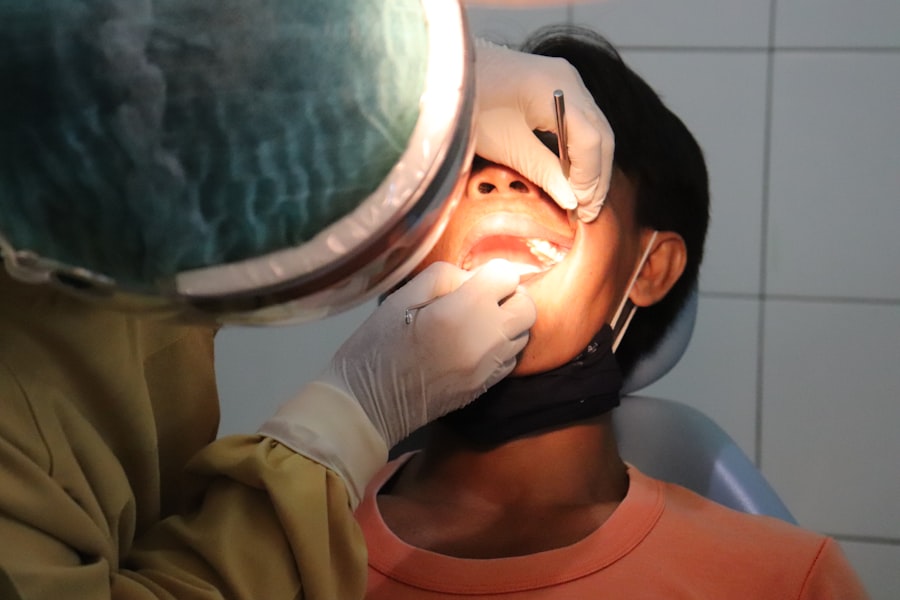
Radiation therapy serves as an essential component in the management of nasal cancer, particularly for patients who are not surgical candidates or those with residual disease postoperatively. This modality utilizes high-energy particles or waves to target and destroy cancer cells while sparing surrounding healthy tissue as much as possible. External beam radiation therapy (EBRT) is commonly employed in this context, delivering precise doses of radiation to the tumor site over several weeks.
In some cases, brachytherapy may also be considered, where radioactive sources are placed directly within or near the tumor. The decision regarding radiation therapy is influenced by factors such as tumor size, location, and histological type.
Chemotherapy for Nasal Cancer
Chemotherapy may be indicated in select cases of nasal cancer, particularly when there is evidence of metastatic disease or when surgery is not feasible due to advanced tumor stage. Systemic chemotherapy involves the administration of cytotoxic agents that target rapidly dividing cancer cells throughout the body. Commonly used chemotherapeutic agents for nasal cancer include cisplatin and carboplatin, often in combination with other drugs such as 5-fluorouracil or taxanes.
The regimen is tailored based on individual patient factors and tumor characteristics. While chemotherapy can be effective in reducing tumor burden and improving survival rates, it is associated with a range of potential side effects including nausea, fatigue, and myelosuppression.
Immunotherapy for Nasal Cancer
Immunotherapy represents a novel approach in the treatment landscape for various malignancies, including nasal cancer. This therapeutic strategy aims to harness the body’s immune system to recognize and attack cancer cells more effectively. Immune checkpoint inhibitors such as pembrolizumab and nivolumab have shown promise in treating certain types of head and neck cancers.
These agents work by blocking proteins that inhibit immune responses against tumors, thereby enhancing T-cell activity against malignant cells. Clinical trials are ongoing to evaluate the efficacy of immunotherapy in nasal cancer specifically, with early results indicating potential benefits in select patient populations.
Prognosis and Survival Rates for Nasal Cancer
The prognosis for patients diagnosed with nasal cancer varies significantly based on several factors including tumor type, stage at diagnosis, and treatment response. Generally speaking, early-stage nasal cancers have a more favorable prognosis compared to those diagnosed at advanced stages with local invasion or metastasis. Survival rates can differ widely; for instance, five-year survival rates for localized nasal squamous cell carcinoma can exceed 70%, while those with distant metastasis may have significantly lower survival rates around 30%.
Continuous advancements in treatment modalities are contributing to improved outcomes over time.
Coping with Nasal Cancer
Coping with a diagnosis of nasal cancer can be challenging both physically and emotionally. Patients often experience anxiety related to treatment decisions and potential side effects. Support from healthcare professionals, family members, and support groups can play a vital role in helping individuals navigate this difficult journey.
Psychosocial interventions such as counseling or cognitive-behavioral therapy may also be beneficial in addressing emotional distress associated with cancer diagnosis and treatment. Additionally, engaging in supportive care services such as nutritional counseling can help manage side effects and improve overall well-being during treatment.
Prevention and Early Detection of Nasal Cancer
Preventive measures play a crucial role in reducing the risk of developing nasal cancer. Avoiding known carcinogens such as tobacco smoke and occupational exposures to harmful substances is paramount. Regular health screenings and awareness of symptoms can facilitate early detection when treatment is most effective.
Furthermore, vaccination against HPV may also contribute to reducing the incidence of certain types of head and neck cancers linked to viral infections. In summary, nasal cancer is a rare but significant malignancy that requires a comprehensive understanding of its symptoms, diagnostic methods, treatment options, and coping strategies.
Early detection remains critical for improving patient outcomes while ongoing research into innovative therapies continues to enhance survival rates and quality of life for affected individuals.
Nasal cancer is a rare type of cancer that affects the nasal cavity and paranasal sinuses.