Now Reading: Understanding Stage 3 Colon Cancer
-
01
Understanding Stage 3 Colon Cancer
Understanding Stage 3 Colon Cancer

Stage 3 colon cancer, also known as colorectal cancer, is characterized by the spread of malignant cells beyond the inner lining of the colon to nearby lymph nodes. At this stage, the cancer has not yet metastasized to distant organs, but it indicates a more advanced disease than earlier stages. The classification of colon cancer is based on the TNM system, which evaluates Tumor size (T), lymph Node involvement (N), and Metastasis (M).
In Stage 3, the tumor may be of any size (T1-T4) and has spread to one or more regional lymph nodes (N1-N2), but there is no evidence of distant metastasis (M0). The prognosis for Stage 3 colon cancer can vary significantly based on several factors, including the specific characteristics of the tumor, the patient’s overall health, and the response to treatment. Early detection and intervention are crucial for improving outcomes.
The five-year survival rate for Stage 3 colon cancer is approximately 70%, but this statistic can fluctuate based on individual circumstances and treatment efficacy.
Key Takeaways
- Stage 3 colon cancer is when the cancer has spread to nearby lymph nodes but not to other parts of the body.
- Symptoms of stage 3 colon cancer may include changes in bowel habits, blood in the stool, and abdominal discomfort, and it is diagnosed through a combination of physical exams, imaging tests, and biopsies.
- Treatment options for stage 3 colon cancer typically include surgery, chemotherapy, radiation therapy, targeted therapy, and immunotherapy.
- Surgery is often the first line of treatment for stage 3 colon cancer, and it may involve removing the tumor and nearby lymph nodes.
- Chemotherapy is commonly used after surgery to kill any remaining cancer cells, and it may also be used before surgery to shrink the tumor.
Symptoms and Diagnosis of Stage 3 Colon Cancer
Patients with Stage 3 colon cancer may experience a range of symptoms that can significantly impact their quality of life. Common manifestations include persistent abdominal pain, changes in bowel habits such as diarrhea or constipation, unexplained weight loss, and rectal bleeding. Additionally, individuals may report fatigue, weakness, and anemia due to blood loss.
These symptoms often prompt individuals to seek medical attention, leading to further diagnostic evaluations. Diagnosis typically involves a combination of imaging studies and endoscopic procedures. A colonoscopy is a critical tool in identifying abnormal growths within the colon and allows for biopsy collection for histopathological examination.
Imaging techniques such as computed tomography (CT) scans or magnetic resonance imaging (MRI) are employed to assess the extent of disease spread to lymph nodes and surrounding tissues. Blood tests, including carcinoembryonic antigen (CEA) levels, may also be utilized to monitor disease progression.
Treatment Options for Stage 3 Colon Cancer
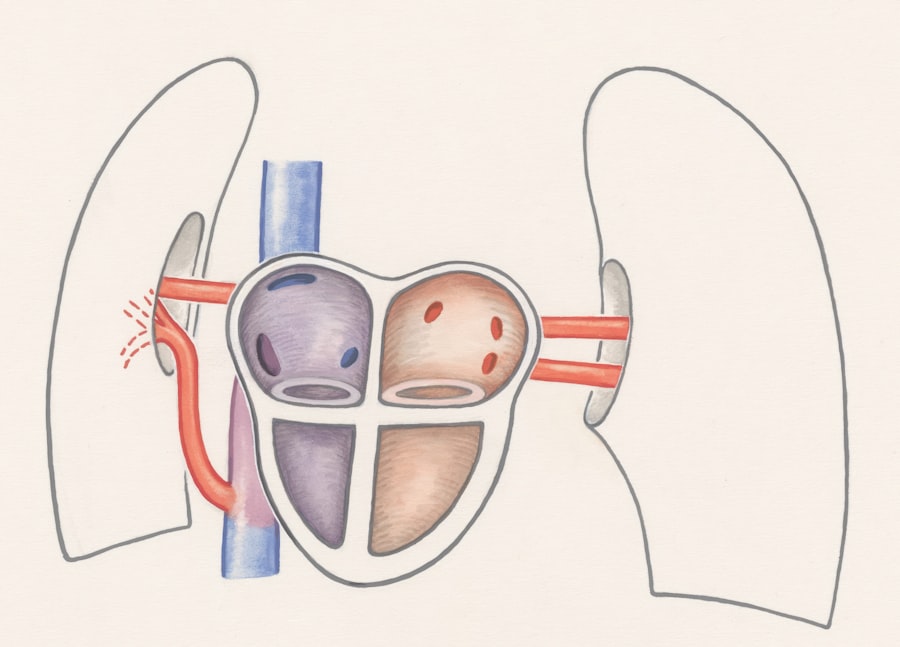
The treatment landscape for Stage 3 colon cancer is multifaceted and often involves a multidisciplinary approach. The primary modalities include surgery, chemotherapy, radiation therapy, targeted therapy, and immunotherapy. The choice of treatment depends on various factors such as tumor characteristics, patient health status, and preferences.
Surgical intervention remains the cornerstone of treatment for Stage 3 colon cancer.
In some cases, radiation therapy may be employed as a neoadjuvant treatment to shrink tumors before surgical resection or as an adjuvant therapy post-surgery. Emerging therapies such as targeted agents and immunotherapy are also being explored in clinical trials to enhance treatment efficacy.
Surgery for Stage 3 Colon Cancer
| Treatment Option | Success Rate | Complication Rate |
|---|---|---|
| Open Surgery | 85% | 15% |
| Laparoscopic Surgery | 90% | 10% |
| Radiation Therapy | 70% | 25% |
Surgical resection is often the first line of treatment for patients diagnosed with Stage 3 colon cancer. The primary goal is to remove the tumor along with a margin of healthy tissue and any affected lymph nodes. The most common surgical procedure is a colectomy, which involves the removal of a portion of the colon containing the tumor.
Depending on the tumor’s location and extent, this may involve a partial colectomy or total colectomy. In some cases, patients may require additional procedures such as lymphadenectomy to remove nearby lymph nodes that may harbor cancerous cells. Postoperative recovery can vary; however, patients are typically monitored for complications such as infection or anastomotic leaks.
The surgical approach is often complemented by adjuvant chemotherapy to target any remaining malignant cells and improve long-term outcomes.
Chemotherapy for Stage 3 Colon Cancer
Chemotherapy plays a pivotal role in the management of Stage 3 colon cancer, particularly following surgical resection. The primary objective of adjuvant chemotherapy is to eradicate microscopic disease that may remain after surgery, thereby reducing the risk of recurrence. Commonly used chemotherapy regimens include FOLFOX (oxaliplatin, leucovorin, and fluorouracil) and CAPOX (capecitabine and oxaliplatin).
FOLFOX has been shown to improve survival rates in patients with Stage 3 disease compared to surgery alone. Treatment typically lasts for six months and may be administered intravenously or orally, depending on the regimen chosen. Side effects can include nausea, vomiting, neuropathy, and myelosuppression; thus, careful monitoring is essential throughout the treatment course.
Radiation Therapy for Stage 3 Colon Cancer
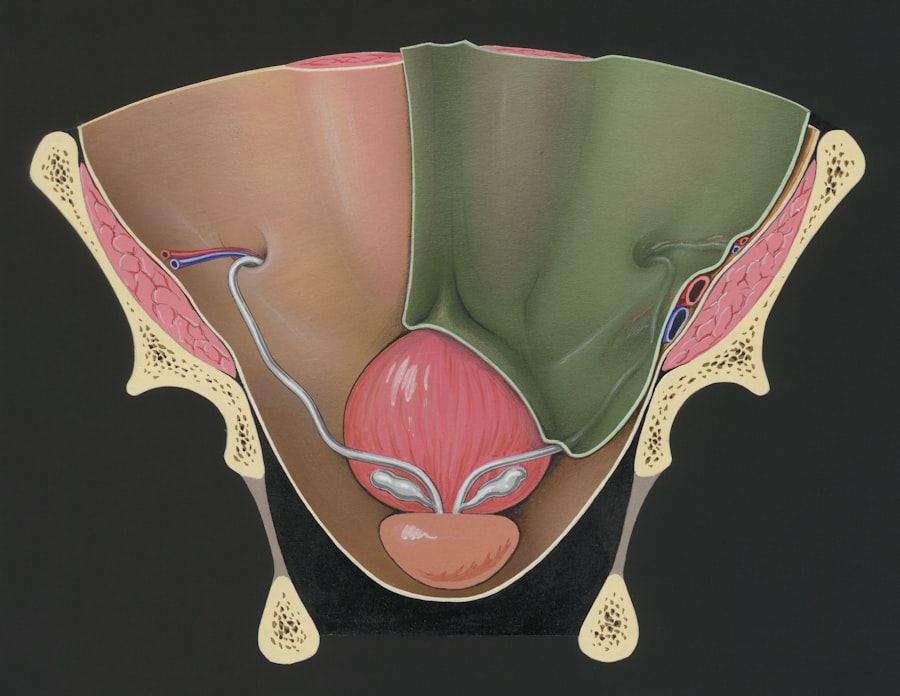
Radiation therapy is not routinely used in the treatment of Stage 3 colon cancer but may be indicated in specific scenarios. For instance, it can be beneficial in rectal cancer cases where tumors are located near the anal sphincter or in patients with significant local invasion. Radiation therapy can be administered preoperatively (neoadjuvant) to shrink tumors before surgical resection or postoperatively (adjuvant) to eliminate residual disease.
The most common form of radiation therapy used is external beam radiation therapy (EBRT), which targets the tumor while sparing surrounding healthy tissue. Treatment regimens typically involve daily sessions over several weeks. Side effects may include skin irritation, fatigue, and gastrointestinal disturbances; therefore, supportive care measures are essential during this phase.
Targeted Therapy for Stage 3 Colon Cancer
Targeted therapy represents a promising advancement in the treatment of Stage 3 colon cancer by focusing on specific molecular targets associated with tumor growth and progression. Agents such as bevacizumab (Avastin) and cetuximab (Erbitux) are examples of targeted therapies that have shown efficacy in certain patient populations. Bevacizumab works by inhibiting angiogenesis—the formation of new blood vessels that supply nutrients to tumors—thereby slowing tumor growth.
Cetuximab targets the epidermal growth factor receptor (EGFR), which plays a crucial role in cell proliferation. These therapies are often used in conjunction with traditional chemotherapy regimens to enhance overall treatment effectiveness.
Immunotherapy for Stage 3 Colon Cancer
Immunotherapy has emerged as a novel approach in oncology, harnessing the body’s immune system to combat cancer cells. While its role in Stage 3 colon cancer is still under investigation, certain patients with microsatellite instability-high (MSI-H) tumors may benefit from immune checkpoint inhibitors such as pembrolizumab (Keytruda) or nivolumab (Opdivo). These agents work by blocking proteins that inhibit immune responses against cancer cells, thereby enhancing T-cell activity against tumors.
Clinical trials are ongoing to evaluate the efficacy of immunotherapy in combination with other treatments for Stage 3 colon cancer, offering hope for improved outcomes in select patient populations.
Managing Side Effects of Treatment for Stage 3 Colon Cancer
The management of side effects associated with treatments for Stage 3 colon cancer is crucial for maintaining patient quality of life and adherence to therapy. Common side effects include nausea, fatigue, hair loss, diarrhea, and neuropathy. Supportive care measures such as antiemetics can help alleviate nausea and vomiting associated with chemotherapy.
Nutritional support is also vital; patients should be encouraged to maintain a balanced diet rich in protein and calories to combat weight loss and fatigue. Physical activity tailored to individual capabilities can help mitigate fatigue and improve overall well-being during treatment. Regular follow-up appointments are essential for monitoring side effects and adjusting treatment plans as necessary.
Prognosis and Survival Rates for Stage 3 Colon Cancer
The prognosis for individuals diagnosed with Stage 3 colon cancer varies based on several factors including tumor characteristics, lymph node involvement, and response to treatment. The overall five-year survival rate for Stage 3 colon cancer is approximately 70%, but this figure can differ significantly based on individual circumstances. Factors influencing prognosis include the number of affected lymph nodes—patients with fewer involved nodes generally have better outcomes than those with extensive lymph node involvement.
Additionally, advancements in treatment modalities have contributed to improved survival rates over recent decades; ongoing research continues to explore novel therapies aimed at enhancing patient outcomes.
Support and Resources for Those with Stage 3 Colon Cancer
Support systems play an integral role in the journey of individuals diagnosed with Stage 3 colon cancer. Patients are encouraged to seek emotional support from family members, friends, or support groups specifically tailored for cancer patients. Organizations such as the American Cancer Society provide valuable resources including educational materials, counseling services, and access to clinical trials.
Additionally, healthcare providers can connect patients with palliative care specialists who focus on symptom management and improving quality of life throughout treatment. Online forums and local support groups offer platforms for sharing experiences and coping strategies among individuals facing similar challenges. In summary, Stage 3 colon cancer represents an advanced stage of disease requiring a comprehensive treatment approach that includes surgery, chemotherapy, radiation therapy, targeted therapy, and immunotherapy.
Early diagnosis plays a critical role in improving outcomes; thus awareness of symptoms is essential.
Stage 3 colon cancer is a serious diagnosis that requires prompt treatment and care. For more information on this topic, you can read an article on national holidays and their significance in different cultures. This article explores how various cultures celebrate their traditions and customs during special holidays, shedding light on the importance of cultural practices in promoting overall well-being and health.
FAQs
What is stage 3 colon cancer?
Stage 3 colon cancer is a stage of cancer where the cancer has spread from the colon to nearby lymph nodes, but has not yet spread to distant organs.
What are the symptoms of stage 3 colon cancer?
Symptoms of stage 3 colon cancer may include changes in bowel habits, blood in the stool, abdominal discomfort, unexplained weight loss, and fatigue.
How is stage 3 colon cancer diagnosed?
Stage 3 colon cancer is typically diagnosed through a combination of tests including colonoscopy, biopsy, imaging tests such as CT scans or MRI, and blood tests to check for tumor markers.
What are the treatment options for stage 3 colon cancer?
Treatment for stage 3 colon cancer often involves a combination of surgery to remove the tumor and affected lymph nodes, chemotherapy, and sometimes radiation therapy.
What is the prognosis for stage 3 colon cancer?
The prognosis for stage 3 colon cancer varies depending on factors such as the size and location of the tumor, the number of affected lymph nodes, and the overall health of the patient. However, with appropriate treatment, many people with stage 3 colon cancer can achieve remission and live for many years after diagnosis.