Now Reading: Understanding Stage 4 Pancreatic Cancer
-
01
Understanding Stage 4 Pancreatic Cancer
Understanding Stage 4 Pancreatic Cancer

Stage 4 pancreatic cancer represents the most advanced form of this malignancy, characterized by the spread of cancerous cells beyond the pancreas to distant organs. This stage is often referred to as metastatic pancreatic cancer, indicating that the disease has progressed significantly. The pancreas, a vital organ located behind the stomach, plays a crucial role in digestion and blood sugar regulation.
When cancer develops in this organ, it can disrupt these essential functions, leading to severe health complications.
The prognosis for patients diagnosed with stage 4 pancreatic cancer is generally poor, with a five-year survival rate estimated at around 3%.
This grim statistic underscores the aggressive nature of the disease and the challenges associated with its treatment. The late-stage diagnosis is often attributed to the subtlety of early symptoms, which can lead to delayed medical intervention.
Key Takeaways
- Stage 4 pancreatic cancer is the most advanced stage of the disease, where cancer has spread to other organs.
- Symptoms of stage 4 pancreatic cancer may include jaundice, abdominal pain, weight loss, and digestive issues.
- Diagnosis and staging of stage 4 pancreatic cancer involve imaging tests, biopsies, and determining the extent of cancer spread.
- Treatment options for stage 4 pancreatic cancer may include chemotherapy, radiation therapy, surgery, and targeted therapy.
- Prognosis and survival rates for stage 4 pancreatic cancer are generally poor, with a 5-year survival rate of around 3%.
Symptoms of Stage 4 Pancreatic Cancer
Weight Loss and Malnutrition
Patients may experience significant weight loss due to a combination of factors, including loss of appetite and malabsorption of nutrients.
Gastrointestinal Symptoms
Jaundice, characterized by yellowing of the skin and eyes, may occur if the tumor obstructs the bile duct, leading to bile accumulation in the bloodstream. Additionally, patients frequently report abdominal pain that can radiate to the back, often described as a dull ache or sharp discomfort. Other common symptoms include nausea, vomiting, and changes in bowel habits, such as diarrhea or pale stools.
Fatigue and Metabolic Changes
Fatigue is prevalent among patients, stemming from both the cancer itself and the body’s response to the disease. As the cancer progresses, individuals may also experience new-onset diabetes or worsening of existing diabetes due to pancreatic dysfunction. These symptoms can significantly impact quality of life and necessitate comprehensive management strategies.
Diagnosis and Staging of Stage 4 Pancreatic Cancer

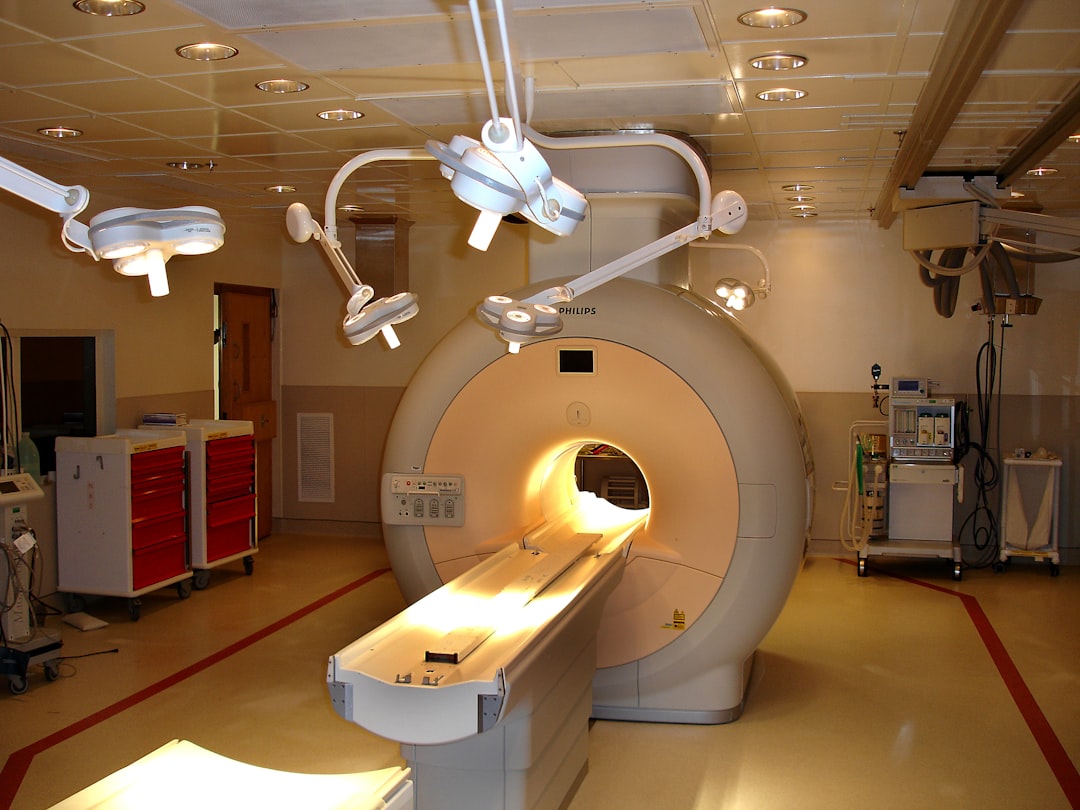
The diagnosis of stage 4 pancreatic cancer typically involves a combination of imaging studies and laboratory tests. Initial evaluation often includes abdominal ultrasound or computed tomography (CT) scans to visualize the pancreas and surrounding structures. Magnetic resonance imaging (MRI) may also be employed for more detailed imaging.
These modalities help identify the presence of tumors and assess their size and extent of metastasis. In addition to imaging, blood tests play a crucial role in diagnosis. The measurement of tumor markers such as CA 19-9 can provide valuable information regarding disease progression.
A biopsy may be performed to obtain tissue samples for histopathological examination, confirming the presence of malignant cells. Staging is determined based on the size of the primary tumor, lymph node involvement, and distant metastasis, following the American Joint Committee on Cancer (AJCC) guidelines.
Treatment Options for Stage 4 Pancreatic Cancer
| Treatment Option | Description |
|---|---|
| Chemotherapy | Uses drugs to kill cancer cells or stop them from growing |
| Radiation Therapy | Uses high-energy rays to kill cancer cells |
| Surgery | May be an option to remove the tumor if it has not spread too far |
| Targeted Therapy | Uses drugs or other substances to identify and attack specific cancer cells |
| Immunotherapy | Uses the body’s immune system to fight cancer |
Treatment options for stage 4 pancreatic cancer are limited and primarily focus on palliative care rather than curative intent. Chemotherapy remains the cornerstone of systemic treatment, with regimens such as FOLFIRINOX (a combination of fluorouracil, leucovorin, irinotecan, and oxaliplatin) or gemcitabine-based therapies being commonly utilized. These regimens aim to slow disease progression and alleviate symptoms.
Targeted therapies and immunotherapy are emerging fields in pancreatic cancer treatment. Drugs like olaparib, a PARP inhibitor, have shown promise in patients with specific genetic mutations such as BRCA1/2. Clinical trials are ongoing to evaluate novel agents that may enhance treatment efficacy.
Additionally, radiation therapy may be employed in select cases to manage localized pain or obstructive symptoms.
Prognosis and Survival Rates for Stage 4 Pancreatic Cancer
The prognosis for individuals diagnosed with stage 4 pancreatic cancer is generally dismal. The five-year survival rate is approximately 3%, reflecting the aggressive nature of this malignancy and its tendency for late-stage presentation. Factors influencing prognosis include patient age, overall health status, and response to treatment.
Younger patients with fewer comorbidities may experience slightly better outcomes compared to older individuals with multiple health issues. Despite advancements in treatment modalities, survival rates have not significantly improved over the past few decades. Ongoing research aims to identify biomarkers that could predict treatment response and tailor therapies accordingly.
Participation in clinical trials may offer patients access to cutting-edge treatments that could potentially extend survival or improve quality of life.
Managing Pain and Symptoms of Stage 4 Pancreatic Cancer

Effective pain management is a critical component of care for patients with stage 4 pancreatic cancer. Opioids are often prescribed to alleviate moderate to severe pain associated with tumor growth and metastasis. Medications such as morphine or oxycodone can provide significant relief; however, careful monitoring is essential to manage potential side effects such as constipation or sedation.
In addition to pharmacological interventions, non-pharmacological approaches can enhance symptom management. Techniques such as acupuncture, massage therapy, and relaxation exercises may help reduce pain perception and improve overall well-being. Multidisciplinary care involving pain specialists, oncologists, and palliative care teams is vital in addressing the complex needs of these patients.
Nutritional Support for Stage 4 Pancreatic Cancer Patients
Nutritional support is paramount for patients with stage 4 pancreatic cancer due to the high incidence of malnutrition and cachexia associated with this disease. A registered dietitian can develop individualized dietary plans that focus on high-calorie and high-protein foods to combat weight loss and maintain strength. Small, frequent meals may be recommended to accommodate reduced appetite and digestive difficulties.
Patients may also benefit from pancreatic enzyme replacement therapy (PERT) to aid in digestion and nutrient absorption.
Hydration is equally important; therefore, ensuring adequate fluid intake is essential for overall health.
Emotional and Psychological Support for Stage 4 Pancreatic Cancer Patients
The emotional toll of a stage 4 pancreatic cancer diagnosis can be profound for both patients and their families. Anxiety, depression, and feelings of isolation are common among individuals facing terminal illness. Psychological support through counseling or support groups can provide a safe space for patients to express their feelings and connect with others experiencing similar challenges.
Incorporating mental health professionals into the care team can facilitate coping strategies and enhance emotional resilience. Mindfulness practices such as meditation or yoga may also help reduce stress levels and improve overall mental well-being. Open communication with healthcare providers about emotional concerns is crucial in ensuring comprehensive care.
Clinical Trials and Experimental Treatments for Stage 4 Pancreatic Cancer
Clinical trials represent a beacon of hope for patients with stage 4 pancreatic cancer seeking innovative treatment options. These studies evaluate new drugs, combinations of existing therapies, or novel approaches such as gene therapy or personalized medicine based on genetic profiling. Participation in clinical trials may provide access to cutting-edge treatments that are not yet widely available.
Patients interested in clinical trials should discuss eligibility criteria with their oncologist and explore options through reputable sources such as clinicaltrials.gov. It is essential to weigh potential benefits against risks associated with experimental treatments while considering individual health status and preferences.
Palliative Care for Stage 4 Pancreatic Cancer Patients
Palliative care focuses on enhancing quality of life for patients with serious illnesses like stage 4 pancreatic cancer. This multidisciplinary approach addresses physical symptoms, emotional needs, and spiritual concerns through comprehensive support services. Palliative care can be initiated at any stage of illness alongside curative treatments or as the primary focus when curative options are exhausted.
The palliative care team typically includes physicians, nurses, social workers, and chaplains who collaborate to create individualized care plans tailored to each patient’s unique needs. This holistic approach ensures that patients receive compassionate care aimed at alleviating suffering while respecting their values and preferences.
Support for Caregivers of Stage 4 Pancreatic Cancer Patients
Caregivers play an invaluable role in supporting individuals with stage 4 pancreatic cancer; however, they often face significant challenges themselves. The emotional burden of caregiving can lead to stress, burnout, and feelings of isolation. It is crucial for caregivers to seek support through community resources, support groups, or counseling services designed specifically for those caring for terminally ill patients.
Education about the disease process and available resources can empower caregivers to provide effective support while also prioritizing their own well-being. Encouraging caregivers to take breaks and engage in self-care activities is essential in maintaining their physical and emotional health throughout the caregiving journey. In summary, stage 4 pancreatic cancer represents a critical health challenge characterized by advanced disease progression and limited treatment options.
Symptoms can significantly impact quality of life; therefore, comprehensive management strategies encompassing pain relief, nutritional support, emotional care, and palliative services are essential components of patient-centered care. Ongoing research into clinical trials offers hope for innovative treatments that may improve outcomes for affected individuals while providing necessary support for caregivers navigating this difficult journey.
There is a heartbreaking article on 10 thoughtful Christmas gifts for mom that discusses the challenges of finding the perfect gift for a loved one, especially during difficult times such as dealing with a diagnosis of stage 4 pancreatic cancer. This article highlights the importance of showing love and support to those going through tough situations, like battling a serious illness. It serves as a reminder to cherish the time we have with our loved ones and to make meaningful gestures to show our appreciation for them.
FAQs
What is stage 4 pancreatic cancer?
Stage 4 pancreatic cancer is the most advanced stage of the disease, where the cancer has spread to other organs or parts of the body. It is also known as metastatic pancreatic cancer.
What are the symptoms of stage 4 pancreatic cancer?
Symptoms of stage 4 pancreatic cancer may include jaundice, abdominal pain, unexplained weight loss, loss of appetite, nausea, vomiting, and changes in stool.
How is stage 4 pancreatic cancer diagnosed?
Diagnosis of stage 4 pancreatic cancer is typically confirmed through imaging tests such as CT scans, MRI, and PET scans, as well as through biopsy of the tumor.
What are the treatment options for stage 4 pancreatic cancer?
Treatment options for stage 4 pancreatic cancer may include chemotherapy, radiation therapy, targeted therapy, immunotherapy, and palliative care to manage symptoms and improve quality of life.
What is the prognosis for stage 4 pancreatic cancer?
The prognosis for stage 4 pancreatic cancer is generally poor, with a low survival rate. However, advances in treatment and supportive care have improved outcomes for some patients.
What are the risk factors for developing stage 4 pancreatic cancer?
Risk factors for developing pancreatic cancer include smoking, obesity, family history of the disease, chronic pancreatitis, diabetes, and certain genetic syndromes.