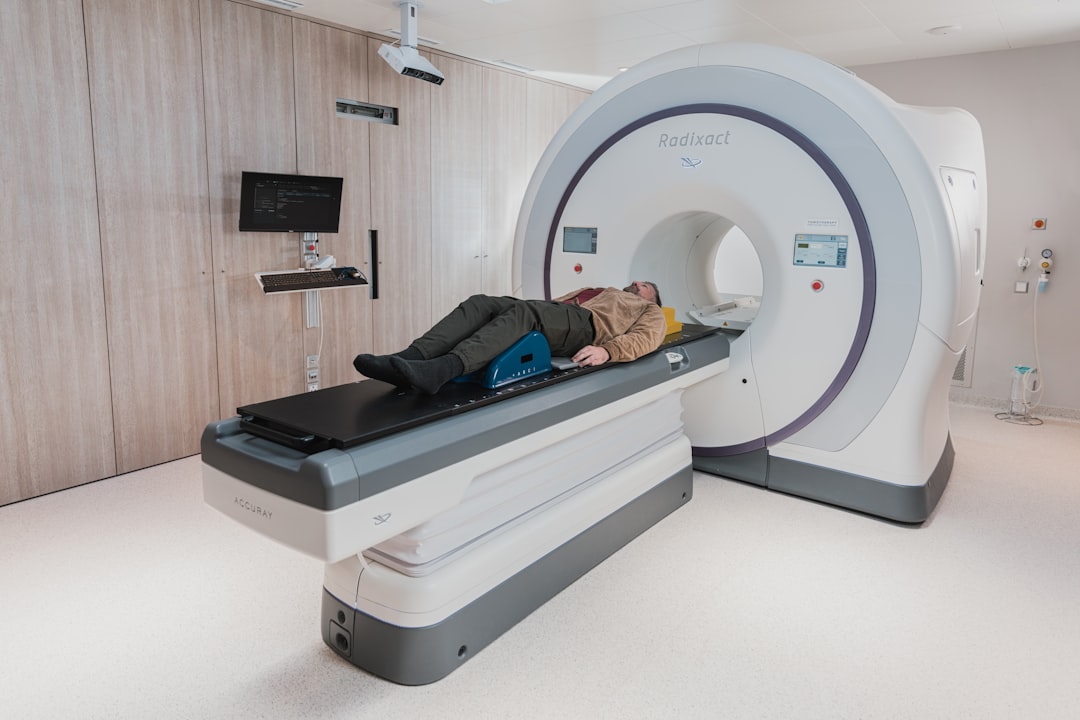
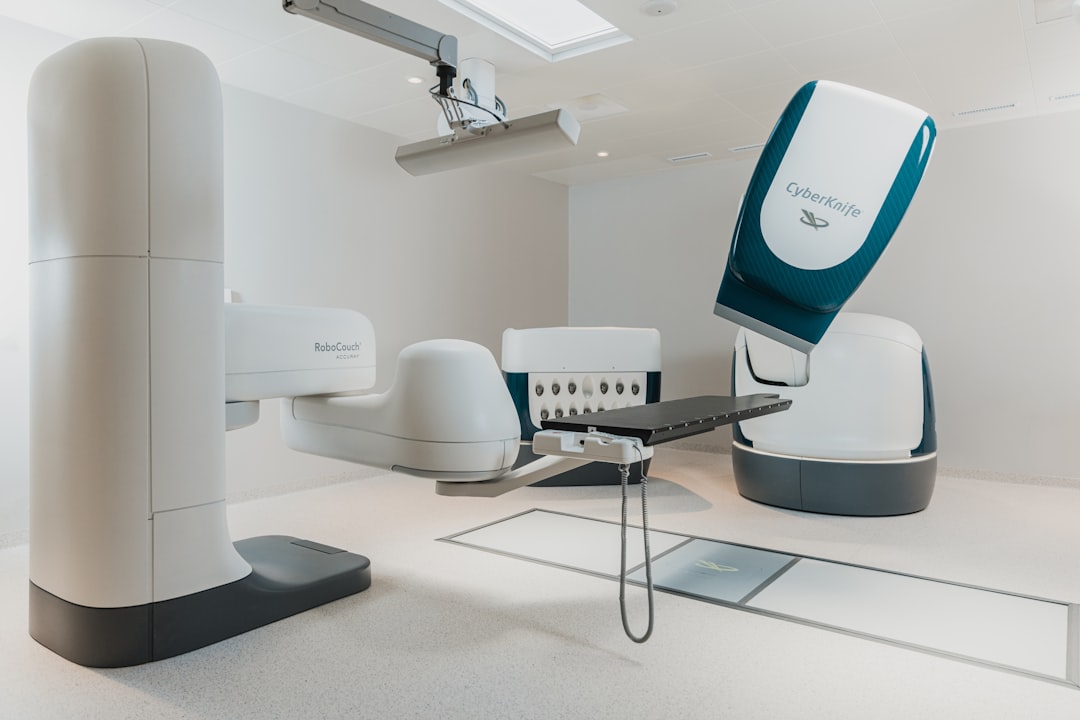
Now Reading: Early Detection: The Importance of Lung Cancer Screening
-
01
Early Detection: The Importance of Lung Cancer Screening
Early Detection: The Importance of Lung Cancer Screening
Lung cancer is a malignant neoplasm that originates in the tissues of the lungs, primarily affecting the bronchi, bronchioles, and alveoli. It is characterized by uncontrolled cell growth, leading to the formation of tumors that can invade surrounding tissues and metastasize to other parts of the body. The two main types of lung cancer are non-small cell lung cancer (NSCLC) and small cell lung cancer (SCLC), with NSCLC accounting for approximately 85% of all cases.
The pathophysiology of lung cancer involves a complex interplay of genetic mutations, environmental exposures, and inflammatory processes that contribute to tumorigenesis. The clinical presentation of lung cancer can vary significantly, with symptoms often including persistent cough, hemoptysis (coughing up blood), chest pain, and unexplained weight loss. Unfortunately, many patients are diagnosed at advanced stages due to the insidious nature of the disease.
The prognosis for lung cancer is generally poor, with a five-year survival rate of approximately 19% across all stages. However, early detection and intervention can significantly improve outcomes, underscoring the importance of awareness and screening.
Key Takeaways
- Lung cancer is a type of cancer that starts in the lungs and can spread to other parts of the body.
- Smoking is the leading cause of lung cancer, but non-smokers can also develop the disease due to other risk factors such as exposure to secondhand smoke, radon, asbestos, and air pollution.
- Early detection of lung cancer can significantly improve the chances of successful treatment and survival.
- Screening methods for lung cancer include low-dose computed tomography (LDCT) and chest X-rays, which can help detect cancer at an early stage.
- Individuals who are at high risk for lung cancer, such as current or former smokers, should consider regular screening to detect the disease early and improve treatment outcomes.
Risk Factors for Lung Cancer
Several risk factors have been identified that increase the likelihood of developing lung cancer. The most significant risk factor is tobacco smoking, which is responsible for approximately 85% of all lung cancer cases.
Additionally, exposure to secondhand smoke poses a considerable risk to non-smokers, particularly children and pregnant women. Other notable risk factors include occupational exposures to carcinogens such as asbestos, radon gas, and certain chemicals like arsenic and diesel exhaust. Individuals with a family history of lung cancer or those with pre-existing lung diseases, such as chronic obstructive pulmonary disease (COPD) or pulmonary fibrosis, are also at an elevated risk.
Furthermore, age plays a critical role; the majority of lung cancer cases are diagnosed in individuals over the age of 65. Understanding these risk factors is essential for implementing effective prevention strategies.
The Importance of Early Detection
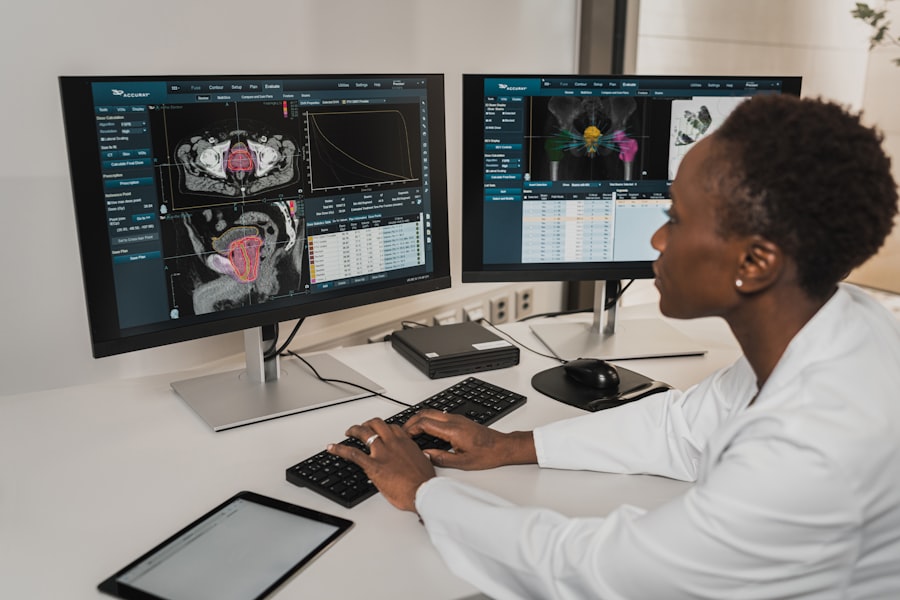
Early detection of lung cancer is paramount for improving survival rates and treatment outcomes. When diagnosed at an early stage, localized lung cancer has a five-year survival rate exceeding 50%. Conversely, late-stage diagnoses often result in a dismal prognosis due to metastasis and limited treatment options.
Early-stage lung cancer may be asymptomatic or present with vague symptoms that can be easily overlooked, making routine screening vital for high-risk populations. The significance of early detection extends beyond survival rates; it also allows for less aggressive treatment modalities. Surgical resection remains the gold standard for early-stage lung cancer, offering the potential for complete cure. In contrast, advanced-stage disease may necessitate more invasive treatments such as chemotherapy or radiation therapy, which can have substantial side effects and impact quality of life. Therefore, proactive measures for early detection are crucial in the fight against lung cancer.
Screening Methods for Lung Cancer
| Screening Method | Accuracy | Sensitivity | Specificity |
|---|---|---|---|
| Chest X-ray | Low | Low | High |
| CT Scan | High | High | High |
| Sputum Cytology | Low | Low | High |
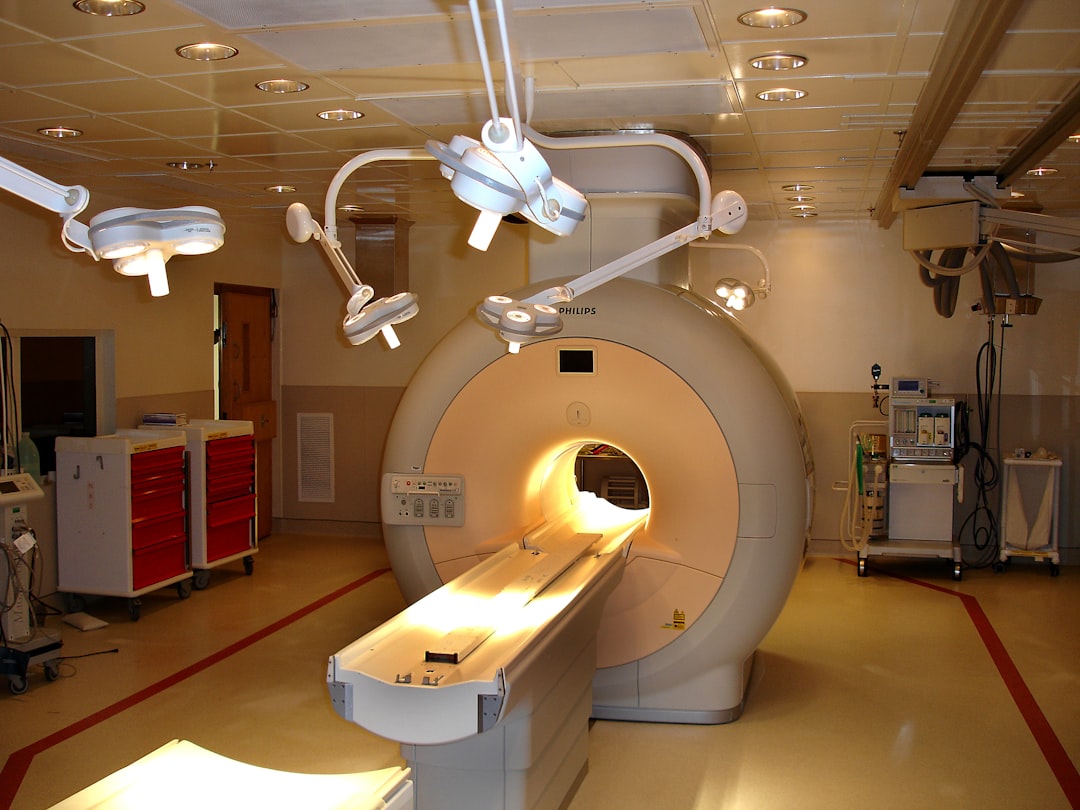
The primary screening method for lung cancer is low-dose computed tomography (LDCT), which has been shown to reduce mortality rates among high-risk individuals. LDCT utilizes lower radiation doses compared to conventional CT scans while providing high-resolution images of the lungs. This technique allows for the identification of small nodules that may indicate early-stage malignancy.
The National Lung Screening Trial (NLST) demonstrated that annual LDCT screening in high-risk populations resulted in a 20% reduction in lung cancer mortality compared to chest X-rays. Other emerging technologies include positron emission tomography (PET) scans and magnetic resonance imaging (MRI), although these are not currently recommended as primary screening tools due to their higher costs and limited availability. Continuous research into novel biomarkers and liquid biopsies holds promise for enhancing early detection capabilities in the future.
Who Should Consider Lung Cancer Screening
Lung cancer screening is primarily recommended for individuals who meet specific criteria based on age, smoking history, and overall health status. The U.S. Preventive Services Task Force (USPSTF) recommends annual LDCT screening for adults aged 50 to 80 years who have a 20 pack-year smoking history and currently smoke or have quit within the past 15 years.
This guideline aims to target those at the highest risk while balancing the potential benefits and harms associated with screening. Additionally, individuals with a family history of lung cancer or those exposed to occupational carcinogens should also discuss screening options with their healthcare providers. It is essential for patients to engage in shared decision-making with their physicians to assess personal risk factors and determine the appropriateness of screening based on individual circumstances.
Benefits of Early Detection

The benefits of early detection extend beyond improved survival rates; they encompass enhanced treatment options and better quality of life for patients diagnosed with lung cancer. Early-stage lung cancer often allows for surgical intervention, which can lead to complete remission and a higher likelihood of long-term survival. Moreover, patients diagnosed at earlier stages typically experience fewer complications and side effects associated with aggressive treatments.
In addition to physical health benefits, early detection can also alleviate psychological distress associated with late-stage diagnoses. Patients who receive timely interventions may experience reduced anxiety and improved mental well-being as they navigate their treatment journey. Furthermore, early detection fosters a proactive approach to health management, empowering individuals to take control of their health through regular screenings and lifestyle modifications.
Potential Risks and Limitations of Screening
While lung cancer screening offers significant benefits, it is not without potential risks and limitations. False-positive results can occur, leading to unnecessary anxiety and invasive follow-up procedures such as biopsies or additional imaging studies. These interventions carry inherent risks and may result in complications or morbidity.
Moreover, overdiagnosis is a concern in lung cancer screening programs, where indolent tumors that may never progress to clinical significance are detected. This phenomenon can lead to overtreatment and unnecessary healthcare costs without improving patient outcomes. It is crucial for healthcare providers to communicate these risks effectively to patients while emphasizing the importance of informed decision-making regarding screening.
The Role of Imaging in Lung Cancer Screening
Imaging plays a pivotal role in the screening and diagnosis of lung cancer. Low-dose computed tomography (LDCT) remains the cornerstone of lung cancer screening due to its ability to detect small nodules with high sensitivity. The use of advanced imaging techniques allows for accurate characterization of pulmonary nodules, aiding in the differentiation between benign and malignant lesions.
In addition to LDCT, other imaging modalities such as PET scans can provide valuable information regarding metabolic activity within nodules, helping to assess malignancy risk. MRI may be utilized in specific cases where soft tissue characterization is necessary or when evaluating potential metastases. The integration of imaging technologies into routine screening protocols enhances diagnostic accuracy and facilitates timely intervention.
Cost and Accessibility of Lung Cancer Screening
The cost and accessibility of lung cancer screening remain critical considerations in public health initiatives aimed at reducing mortality rates associated with this disease. While LDCT screening has been shown to be cost-effective in high-risk populations, disparities in access to healthcare services can hinder widespread implementation. Insurance coverage for lung cancer screening varies among providers, impacting patients’ ability to access these vital services.
Efforts are underway to increase awareness about the importance of screening among healthcare professionals and patients alike. Community outreach programs and partnerships with local organizations can help bridge gaps in access by providing education and resources for underserved populations.
The Importance of Regular Follow-Up
Regular follow-up after initial lung cancer screening is essential for monitoring any detected abnormalities and ensuring timely intervention if necessary.
Follow-up imaging may be warranted for patients with indeterminate nodules or those exhibiting changes over time.
Adhering to recommended follow-up schedules allows for early detection of any potential malignancies while minimizing unnecessary interventions. Establishing a comprehensive follow-up plan fosters continuity of care and reinforces the importance of ongoing health management.
Empowering Individuals to Take Control of Their Health
In conclusion, understanding lung cancer’s complexities is vital for promoting awareness and encouraging proactive health management among at-risk populations. By recognizing risk factors, advocating for early detection through appropriate screening methods, and engaging in regular follow-up care, individuals can take significant steps toward reducing their risk of developing this formidable disease. Empowering patients through education about lung cancer prevention strategies—such as smoking cessation programs and occupational safety measures—can further enhance public health outcomes.
As research continues to advance our understanding of lung cancer biology and treatment options, it is imperative that individuals remain informed and proactive in their healthcare decisions. In summary, early detection through LDCT screening significantly improves survival rates among high-risk individuals while fostering better treatment outcomes and quality of life. By addressing barriers related to cost and accessibility, we can ensure that more individuals benefit from these life-saving interventions, ultimately leading to a decline in lung cancer mortality rates across diverse populations.
Lung cancer screening is a crucial aspect of early detection and prevention of this deadly disease. According to a recent article on Boogger, federal holidays in October can serve as a reminder to prioritize our health and schedule important screenings like lung cancer screenings. By taking advantage of these holidays to focus on our well-being, we can ensure that we are taking proactive steps to protect ourselves from the risks associated with lung cancer.
FAQs
What is lung cancer screening?
Lung cancer screening is a medical test that is used to detect lung cancer in its early stages, before symptoms appear. It typically involves a low-dose CT scan of the chest.
Who should consider lung cancer screening?
Lung cancer screening is recommended for individuals who are at high risk for developing lung cancer. This includes individuals aged 50-80 who have a history of heavy smoking (at least a 30 pack-year smoking history) and currently smoke or have quit within the past 15 years.
What are the benefits of lung cancer screening?
The main benefit of lung cancer screening is the potential to detect lung cancer at an early stage when it is more treatable. Early detection can lead to better treatment outcomes and increased survival rates.
What are the risks of lung cancer screening?
Some of the risks associated with lung cancer screening include false-positive results, which can lead to unnecessary follow-up tests and anxiety. There is also a risk of overdiagnosis and potential harm from follow-up procedures.
How often should lung cancer screening be done?
For individuals who meet the high-risk criteria, annual lung cancer screening is recommended. It is important to discuss the frequency of screening with a healthcare provider.
Is lung cancer screening covered by insurance?
In the United States, lung cancer screening is covered by Medicare and many private insurance plans for individuals who meet the high-risk criteria. It is important to check with your insurance provider to understand coverage options.